Free
It’s a hot, sticky day, and you’re sweating – a lot. You can blame the weather for that. But what if you live in a place where the summer days are hot and humid year after year? In that case, you can blame the climate.
Climate is the word for the average weather in a place over a long time. For example, steamy rain forests grow near the equator. Every year, about 160 inches of rain falls on them. (That’s more than 13 feet!) But in Las Vegas, Nevada, the average rainfall each year is around four inches. In Antarctica, it’s always cold. Temperatures average –50°F! But in Montreal, Canada, the average temperature in January is 16°F. In July, it’s 72°F!
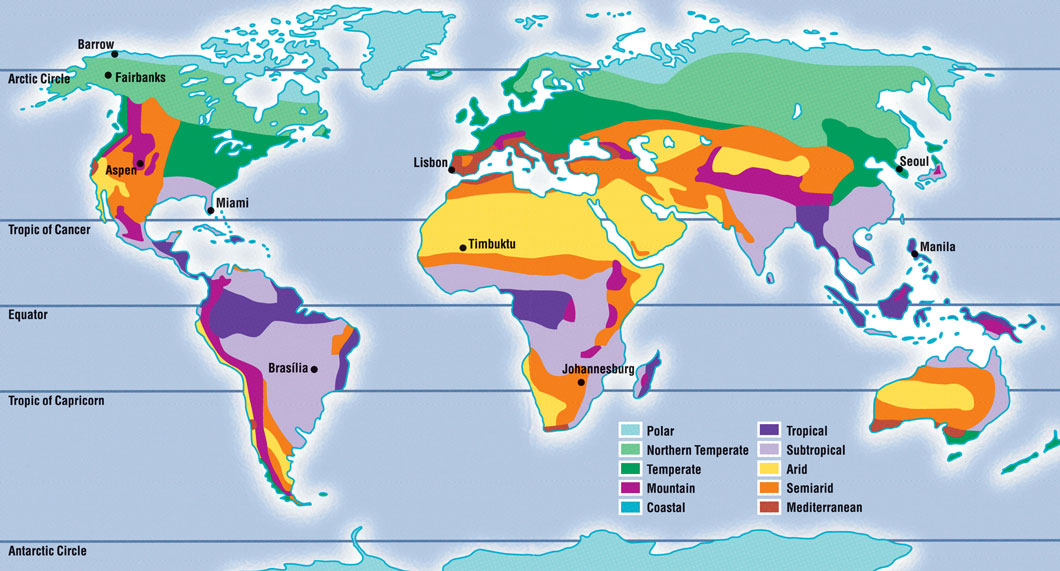
The Earth has a lot of different climates. Scientists study them by dividing the planet into climate zones. Places in a zone are alike in many ways. For example, they might be very cold or very rainy. But different areas in a zone don’t have the same exact conditions. Find your climate zone on the map below. Having trouble spotting where you live? Look at a map that shows countries and states to help you zoom in on your zone. Does the description match your average weather? What other places in the world are in your zone?
Your life is tied to the climate in many ways. It affects the clothes you buy and the outdoor sports you play. It also controls which plants and animals live near you.
Climate Zones of the World
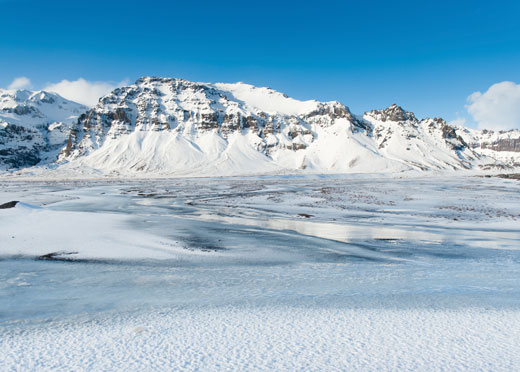
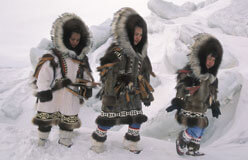
▲ Polar
Winters are very cold. Summers are a little warmer, but they are short. Polar climates get a lot of snow but not much rain.
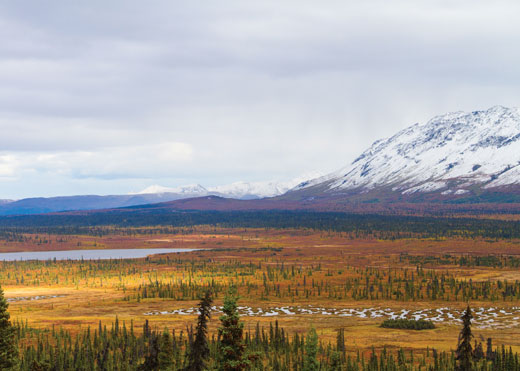
▲ Northern Temperate
Rainfall is moderate, meaning that on average it is not very high. Winters are long, cold, and snowy.
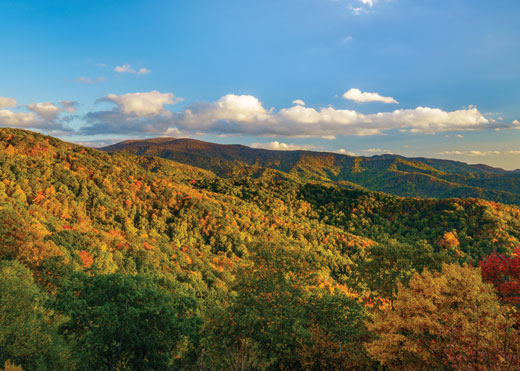
▲ Temperate
The summers are warm and the winters are cold. Rainfall is moderate, and it snows in the winter.
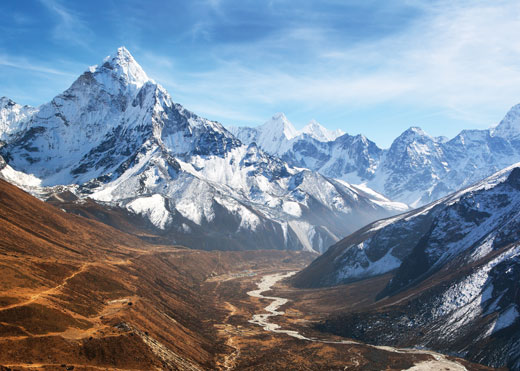
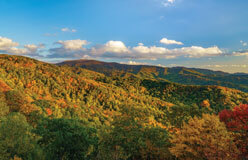
▲ Mountain
Here it is colder than in nearby lower areas. Snow is common. Depending on local conditions, the weather can be rainy or dry.
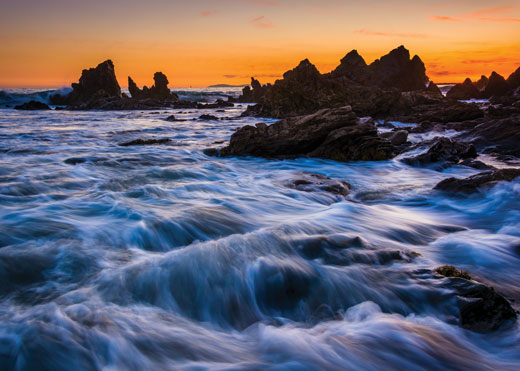
▲ Coastal
Conditions are different than in places farther from the coast. From day to night, temperatures don’t change as much as they do inland. They also don’t change as much between seasons.
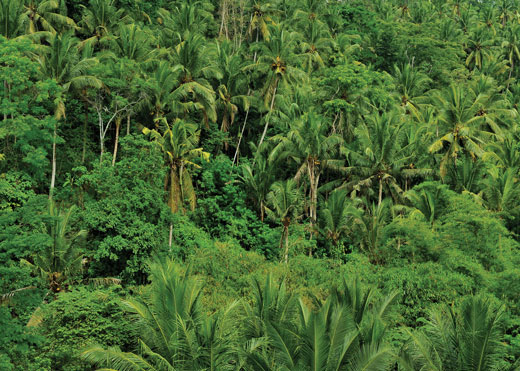
▲ Tropical
The weather is mostly hot and humid, and it rains a lot.
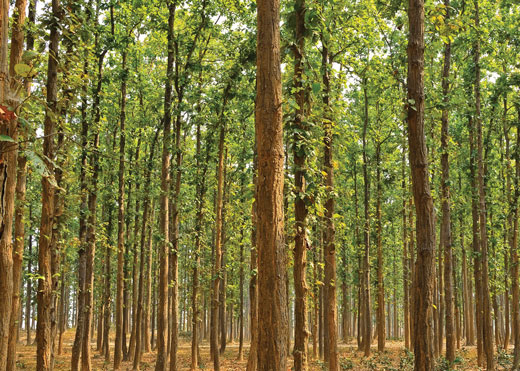
▲ Subtropical
It rains a lot, and summers are hot and humid. The winters are drier and cooler.
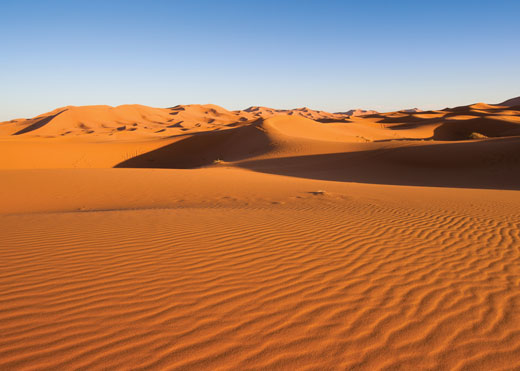
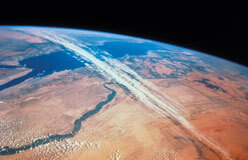
▲ Arid
It doesn’t rain much here. There are big changes in temperature between day and night and between summer and winter.
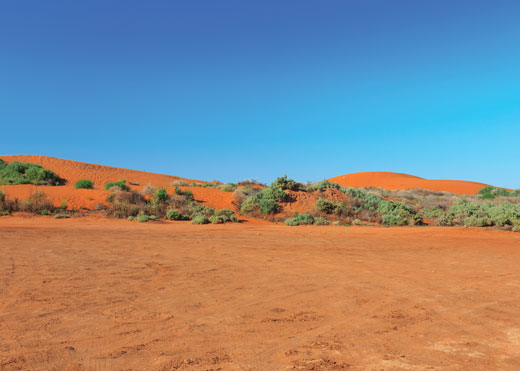
▲ Semiarid
Rainfall here is low. Changes in temperature from day to night (and summer to winter) are not as big as they are in the arid zone.
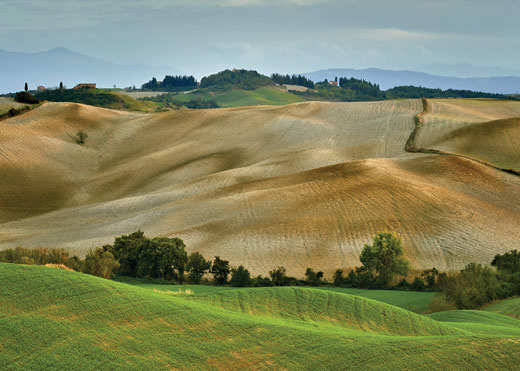
▲ Mediterranean
Summers are hot and dry, and winters are cool and wet.
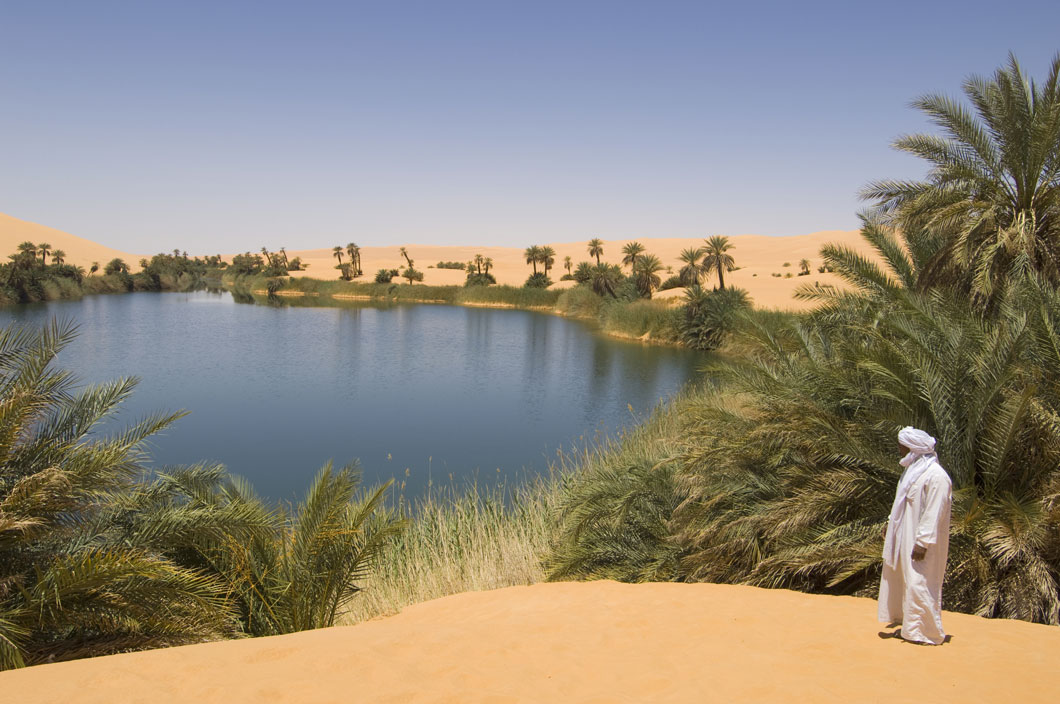
A microclimate is a small area that is not like the climate zone around it. For example, a desert is in an arid zone. Even so, it may have an oasis. This is a place where water from underground comes to the surface. It forms a small lake. Trees and other plants grow there, even though the desert around it seems lifeless. The water and the shade from trees make this microclimate cooler than the rest of the desert.
Learn More!