Free
Can we figure out the puzzle of global warming before it’s too late?
Scientists know that temperatures on Earth are rising. But how much of that increase is caused by man-made global warming? How much comes from natural changes? There’s no way to know for sure, and different scientists have different ideas.
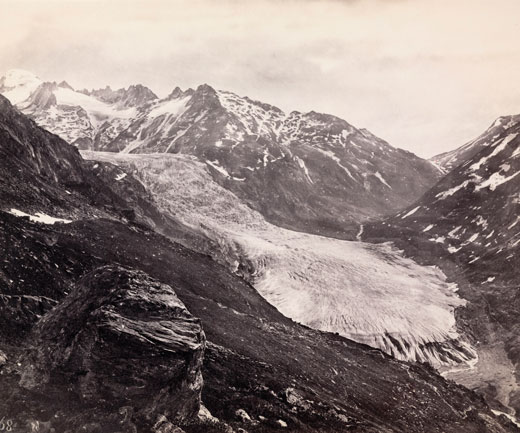
1875
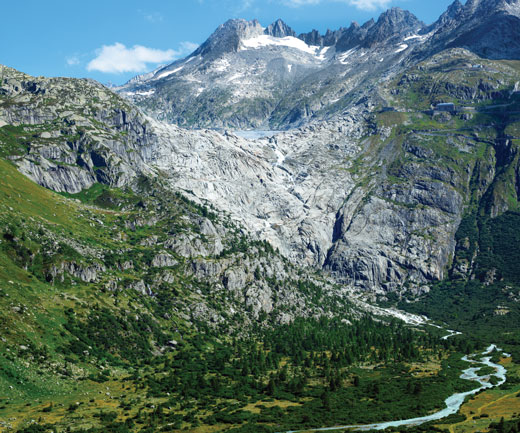
2015
▲ In 1875, the Rhône glacier in Switzerland (above) was an awesome sight. Today, it is much smaller, lying halfway up the mountain. Over the past century and a half, most glaciers have been shrinking. However, data collected in every decade show that some glaciers, such as those in Scandinavia, are growing.
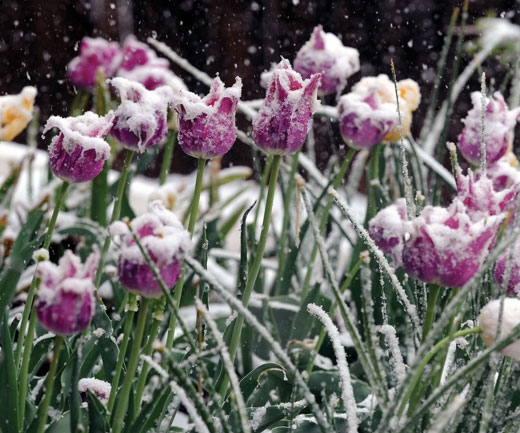
◀ Many scientists think global warming could affect the weather. It could trigger all kinds of freaky events, such as huge snowstorms.
The Greenhouse Effect
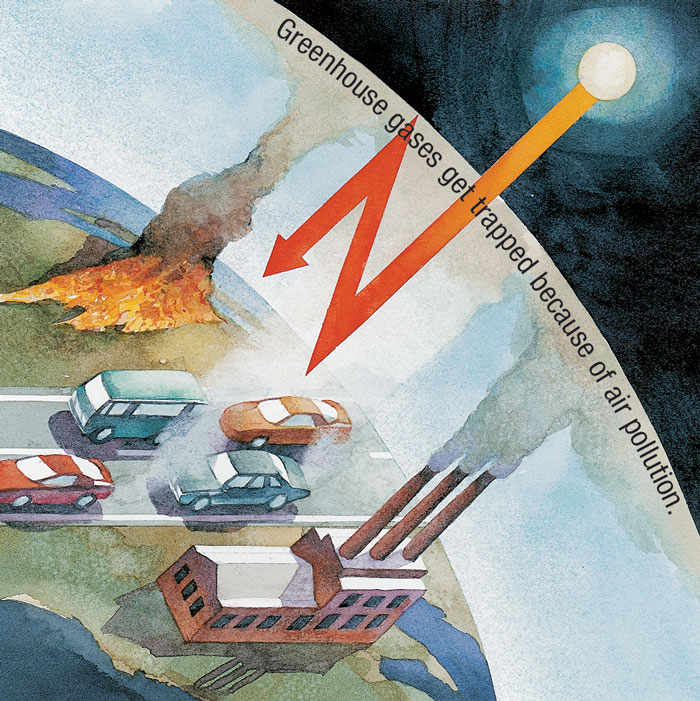
▲ What exactly is the “greenhouse effect”? It occurs naturally, as gases in the atmosphere trap some of the sun’s heat. Without that heat, Earth would be too cold. The sun’s energy would just get reflected back into space. But for the past century or so, people have put more greenhouse gases, like carbon dioxide, into the air. The extra gases could keep in too much heat, making it impossible to live in parts of our planet.
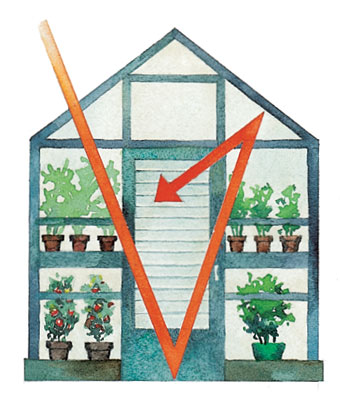
▲ A greenhouse traps heat to help plants grow in any season.
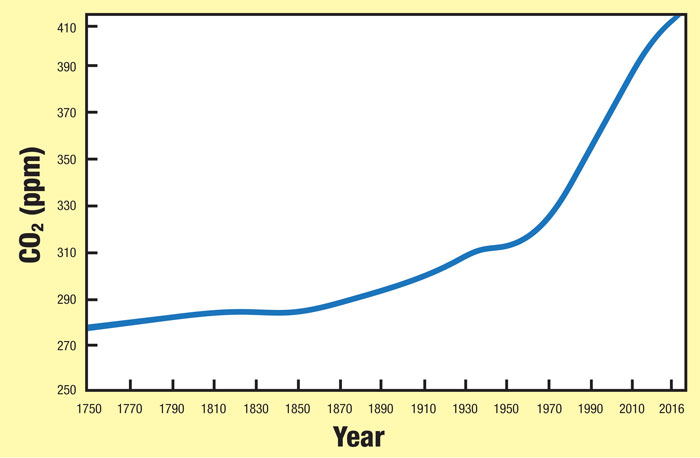
▲ This line graph shows how much carbon dioxide (CO2) is in our atmosphere. The amount has been rising for a long time. It has sped up in recent years. The planet’s average temperature has risen at the same time. CO2 is measured in parts per million (ppm). The CO2 level is now at more than 400 ppm. That means there are more than 400 units of CO2 in every 1 million units of air. That may not sound like much, but it can have a big impact on Earth’s temperature!
Causes
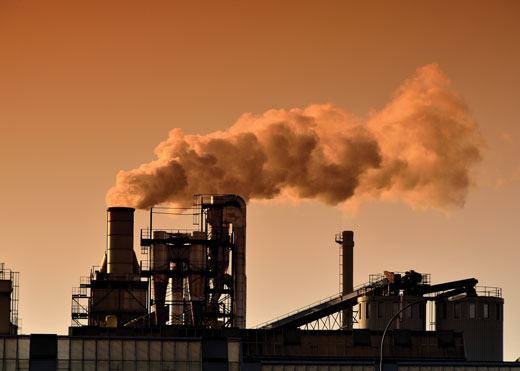
▲ Coal, oil, and gas are fossil fuels. They produce carbon dioxide when burned. Based on how many people live here, the U.S. is one of the biggest contributors of greenhouse gases. But poorer countries are also burning more fuel as their people start to live better.
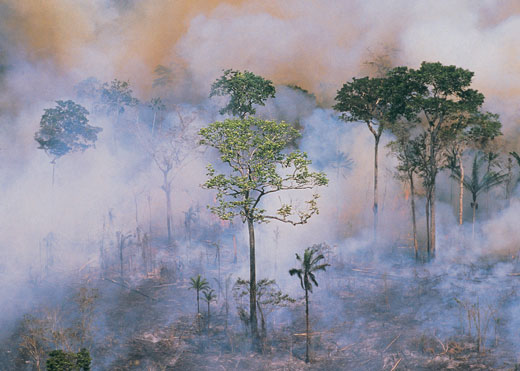
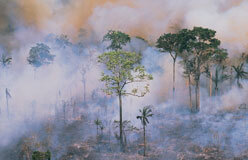
▲ When forests are destroyed, Earth loses trees and other plants. These living things absorb the greenhouse gas carbon dioxide. Sometimes people burn land to clear it for farming. The fires release extra carbon dioxide, plus methane and other gases.
Possible Results
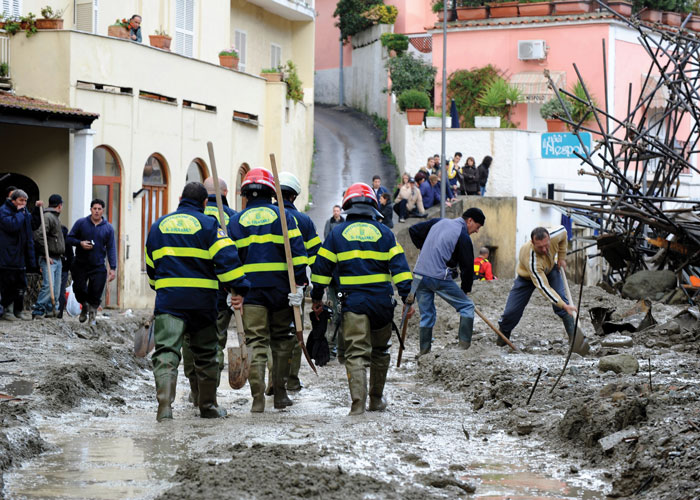
▲ One thing global warming might do is cause rough weather. Rainstorms could get stronger, giving us more floods and mudslides. This photo shows the results of a mudslide in Italy. Meanwhile, the driest parts of the Earth could suffer even worse droughts. Higher temperatures would melt icecaps enough to raise sea levels around the world.
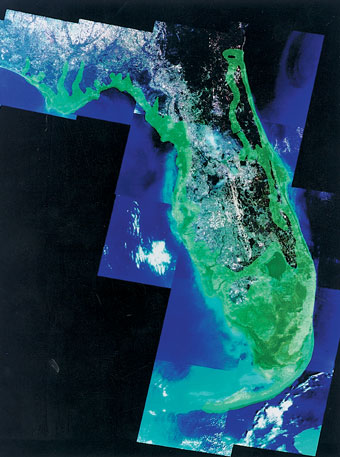
▲ The melting, or collapse, of the polar icecaps could make the oceans rise. That would put coastal areas such as Florida at risk (as shown by the green areas on this image). However, such changes might take centuries to happen.
Think Piece!
Most scientists say we should slow global warming by using less fossil fuel and finding other energy sources. They can’t say just what global warming will do or when. What would you give up to stop a global warming disaster? Would you change your habits, even if the disaster might not happen in your lifetime? Would you bike, not drive, to the mall? Would you use a manual lawn mower instead of a motorized one?