Free
Human bodies can become acclimatized to some levels of cold and heat. That means people get used to the climate where they live.
If you go to a place that’s hotter or more humid than you’re used to, you’ll be uncomfortable at first. But your body will soon adjust. You’ll start to sweat more, and your temperature won’t rise as much when you exercise. Human bodies are good at adapting. That’s one of the main reasons we can live in so many different climates.
Question:
Which animal can survive in any climate?
Answer:
You! And all humans. Our bodies handle cold in certain ways, like shivering. We respond in other ways to handle the heat, like sweating. But when it comes to survival, the main thing we have going for us is the brain. We use it to invent things that help us stay comfy in different temperatures, like air conditioners and fleece jackets.

Home in Virginia
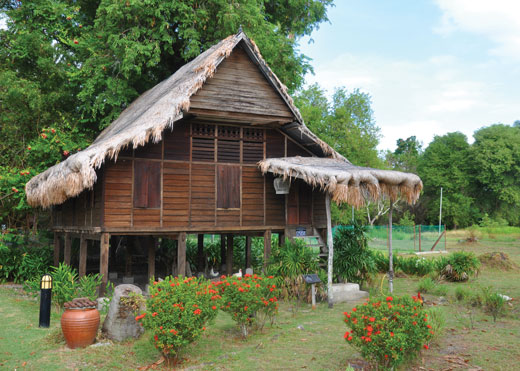
Home in Malaysia
▲ Which house is better designed? That depends on where you live. The house on the left is fine for most people living in the U.S., but the one on the right is better for life in a hot climate with heavy rains. That house has few walls inside, so cool breezes can blow through. Its slanted, overhanging roof protects it from sunlight and rain, and the stilts keep it above floodwaters.
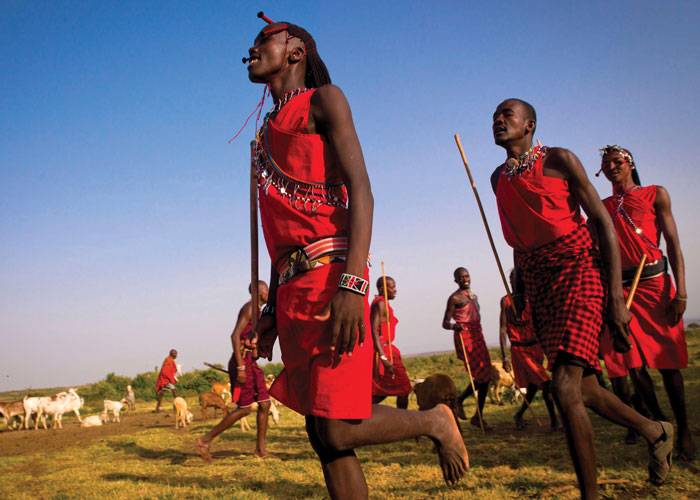
▲ Groups of people who have evolved to live in hot climates are often tall and thin. Their arms and legs are often longer than those of people who have long lived in cold climates. The Maasai people live near the equator, in East Africa. Their tall, thin bodies and long legs and arms are well suited to reduce body heat quickly.
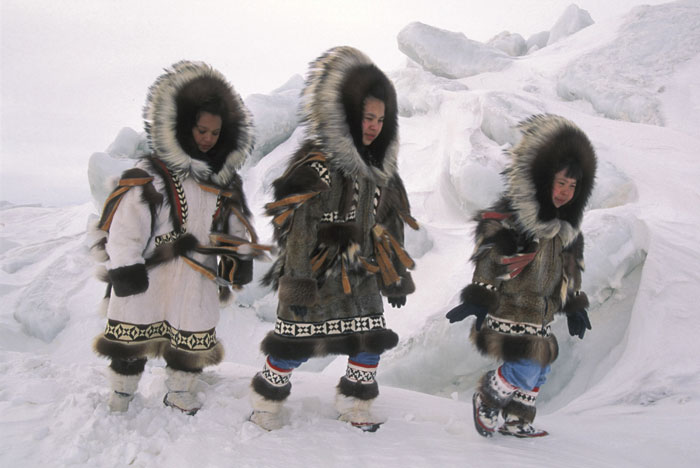
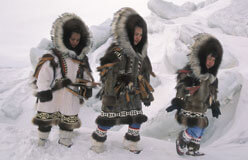
▲ Parkas, leggings, and mukluks (boots) help keep these Inuit children warm. This clothing design makes good use of an animal’s fur. The animal skin is even better at trapping heat when it’s turned inside out.

▲ Why does this Saudi Arabian boy wear long-sleeved robes? They protect him from the blazing desert sunlight. The loose fabric lets air circulate. Light colors reflect more of the sun’s light than dark colors do. That way, they absorb less heat.
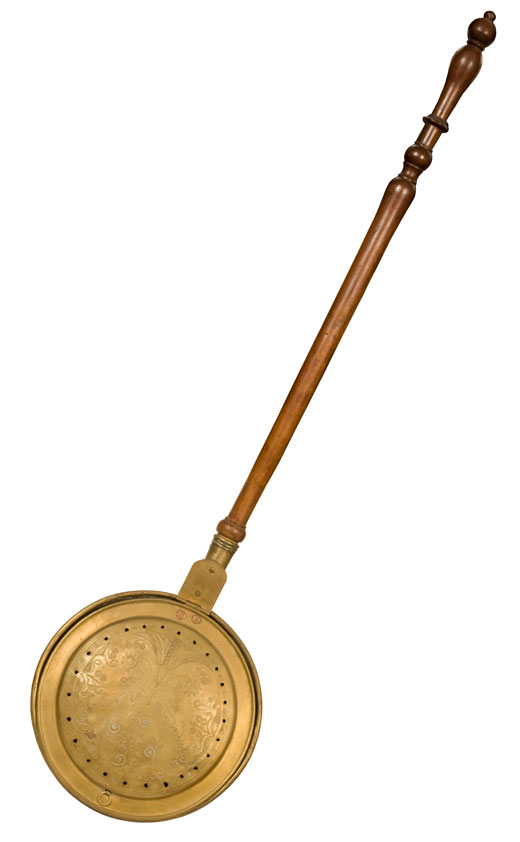
◀ It was really chilly on winter nights in early American houses. No furnaces, no central heating, and no electric blankets! How did people warm up a cold bed? They’d fill a bed warmer like this with hot coals. Holding the end of the pole, they’d slip the warmer under the covers and move it around. Then they’d take it out and hop into a nice toasty bed.
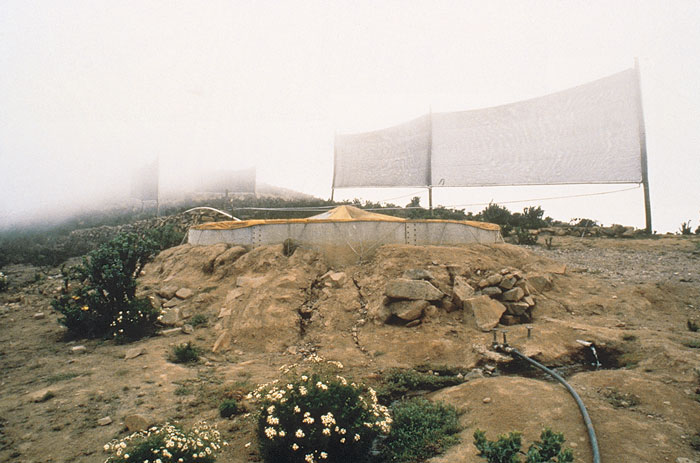
▲ Hardly any rain falls in Chungungo, Chile. Plenty of clouds come to this tiny seaside village, but they almost always roll by on their way to a nearby mountain. For years, residents had to have water trucked in, which was very expensive. But now the villagers get their water right from the clouds, using the mountain and huge plastic nets. The clouds cover the mountain in mist. As the mist blows through the nets, tiny water droplets in the air cling to the fine mesh. The droplets drip into containers on the ground. The water then runs through hoses down to the village.
-Try-this_520_1.jpg)
Try This!
Ever wondered why you sweat when you’re hot? Do this experiment to find out for yourself. Dip one hand in lukewarm water, then wave both of your hands in the air. Which hand feels cooler? As water evaporates, it soaks up heat energy from your skin, and that cools you down. Sweating works the same way. Waving your hand in the air speeds up evaporation, so you get cooler faster. A summer breeze can do the same thing.