Free
Traveling across the United States, you can see many landmarks left by volcanoes. You can identify cone-shaped volcanoes, but you might miss other volcanic landscapes.
Some volcanoes build mountains, but only during their active lives. When a volcano stops erupting, it begins to wear down, or erode, until only parts of the original mountain are left.
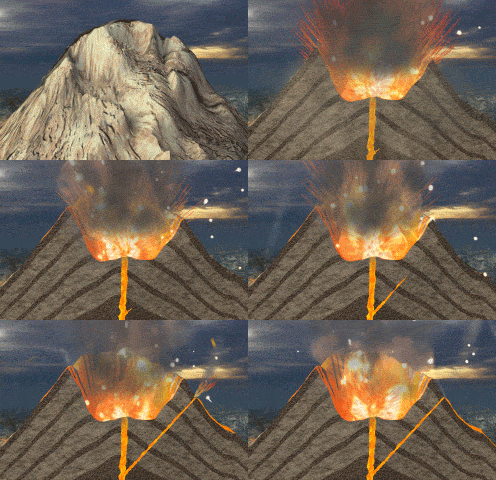
Other volcanoes don’t build mountains at all. Instead, their lava floods a landscape, drowning hills and valleys. Sometimes during an eruption, the top of a volcanic cone collapses and a crater, or caldera, forms. Craters measure from hundreds of feet to tens of miles across.
Let’s visit some of America’s volcanic landmarks.
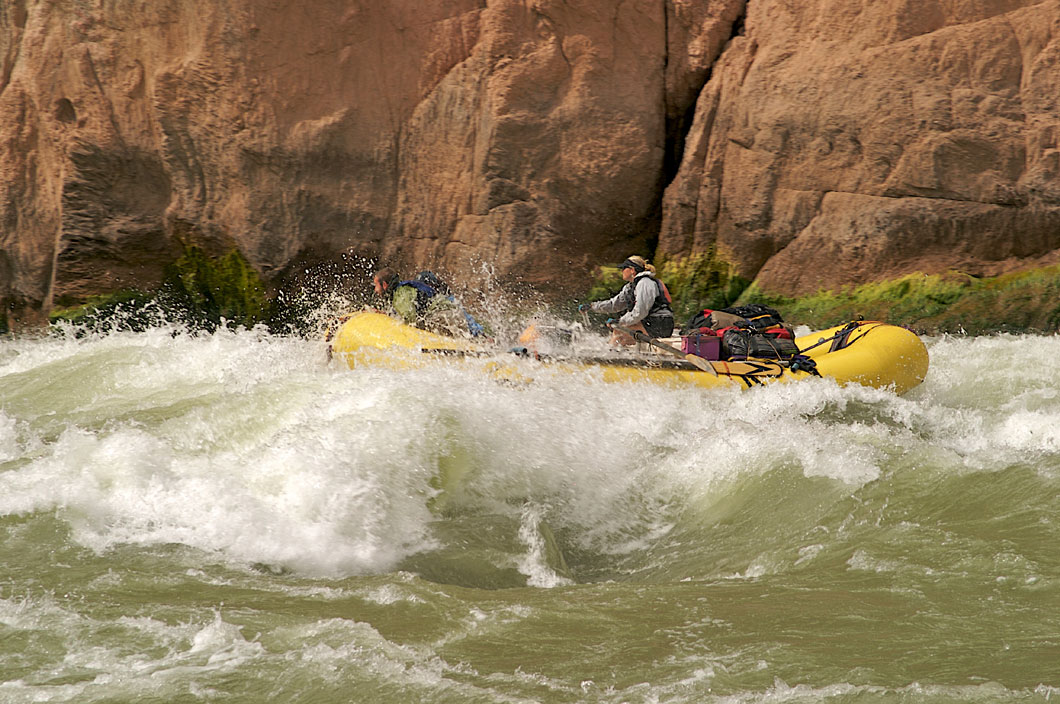
▲ Grand Canyon, AZ: About a million years ago, lava poured over the west walls of the Grand Canyon and dammed the Colorado River. The river eventually cut through the rock and formed Lava Falls. Rafting through the rapids at Lava Falls can be a thrilling ride.
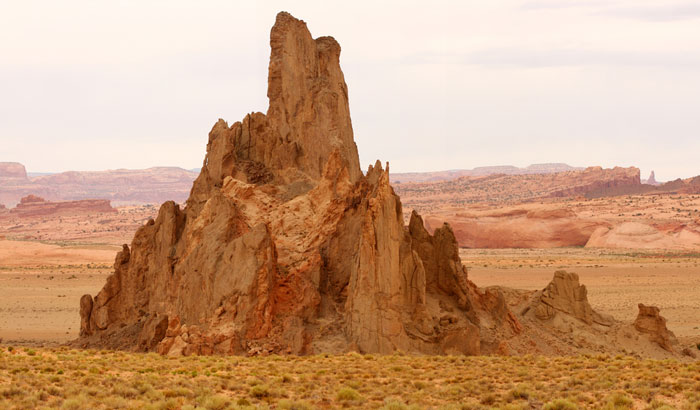
◀ Ship Rock, NM: Ship Rock is a lava plug that formed in the throat of a volcano. Erosion stripped away the volcanic cone that once surrounded it. Now Ship Rock looms above the desert like a 100-story skyscraper.
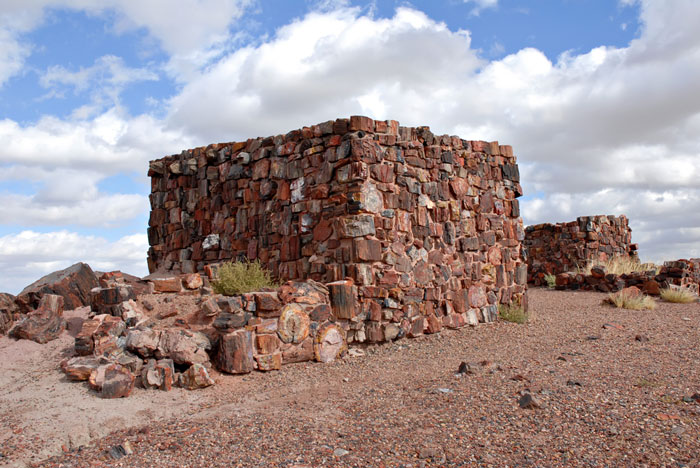
Petrified Forest, AZ: Minerals in volcanic ash preserved these trees as fossil logs. The trees may have been uprooted during a volcanic explosion more than 200 million years ago. Then they were buried by mudflows like those after Mount St. Helens erupted in 1980. ▶
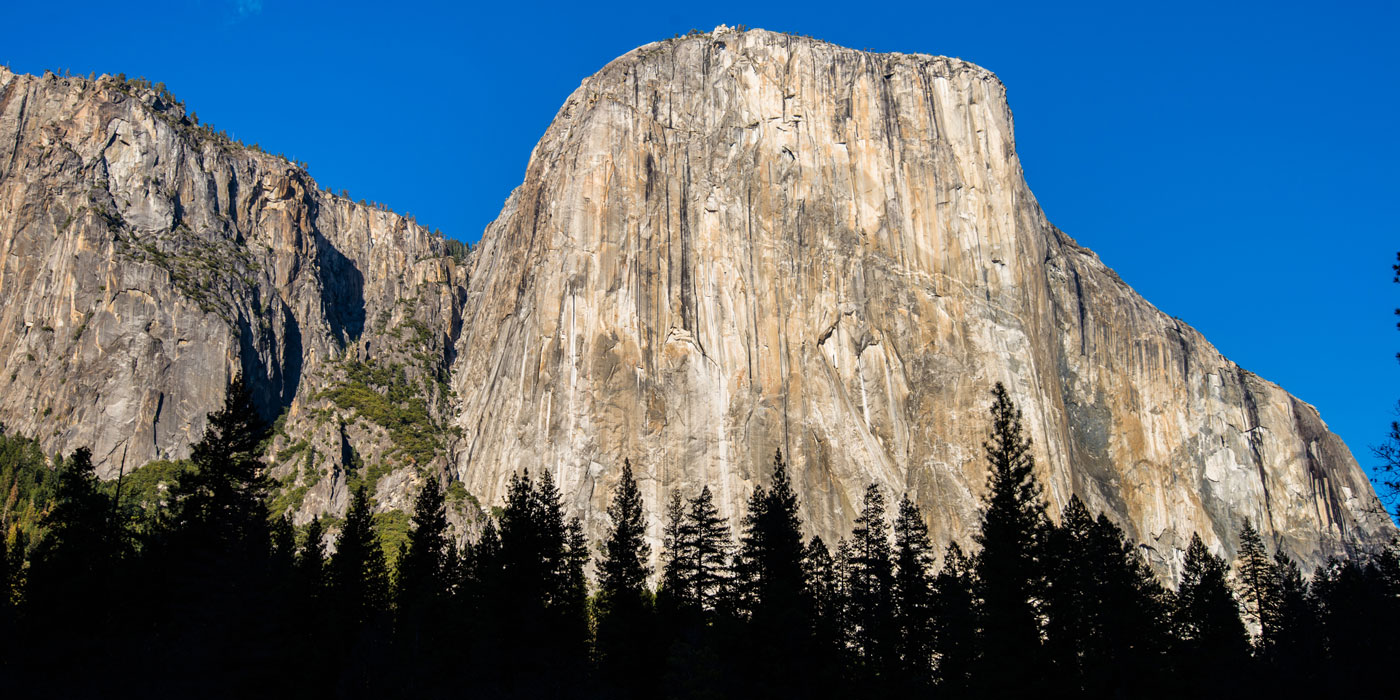
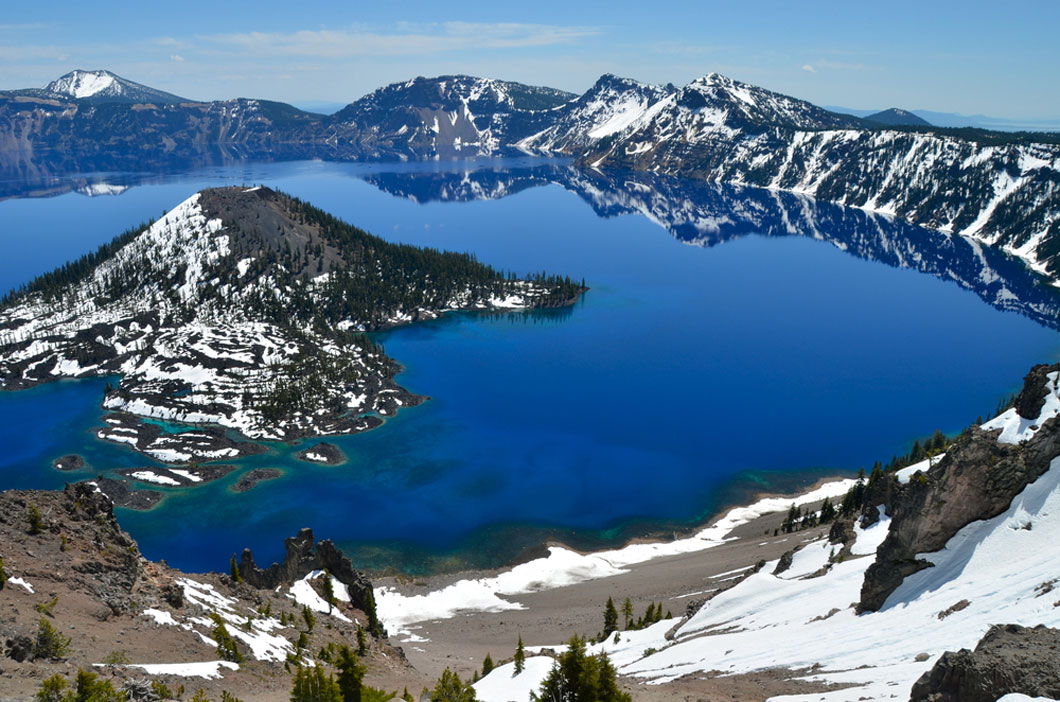
▲ Crater Lake, OR: Some craters fill with water and become lakes. Crater Lake is 2,000 feet deep, the deepest lake in the United States—so deep, you could stack two Eiffel Towers in it!
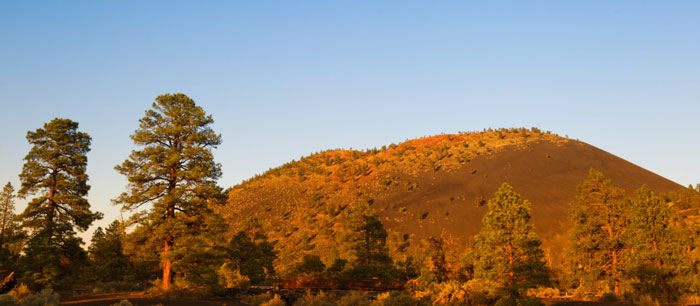
◀ Sunset Crater, AZ: A classic cinder cone, Sunset Crater is only 900 years old. Sulfur, iron, and other minerals create the sunsetlike colors that give the crater its name.
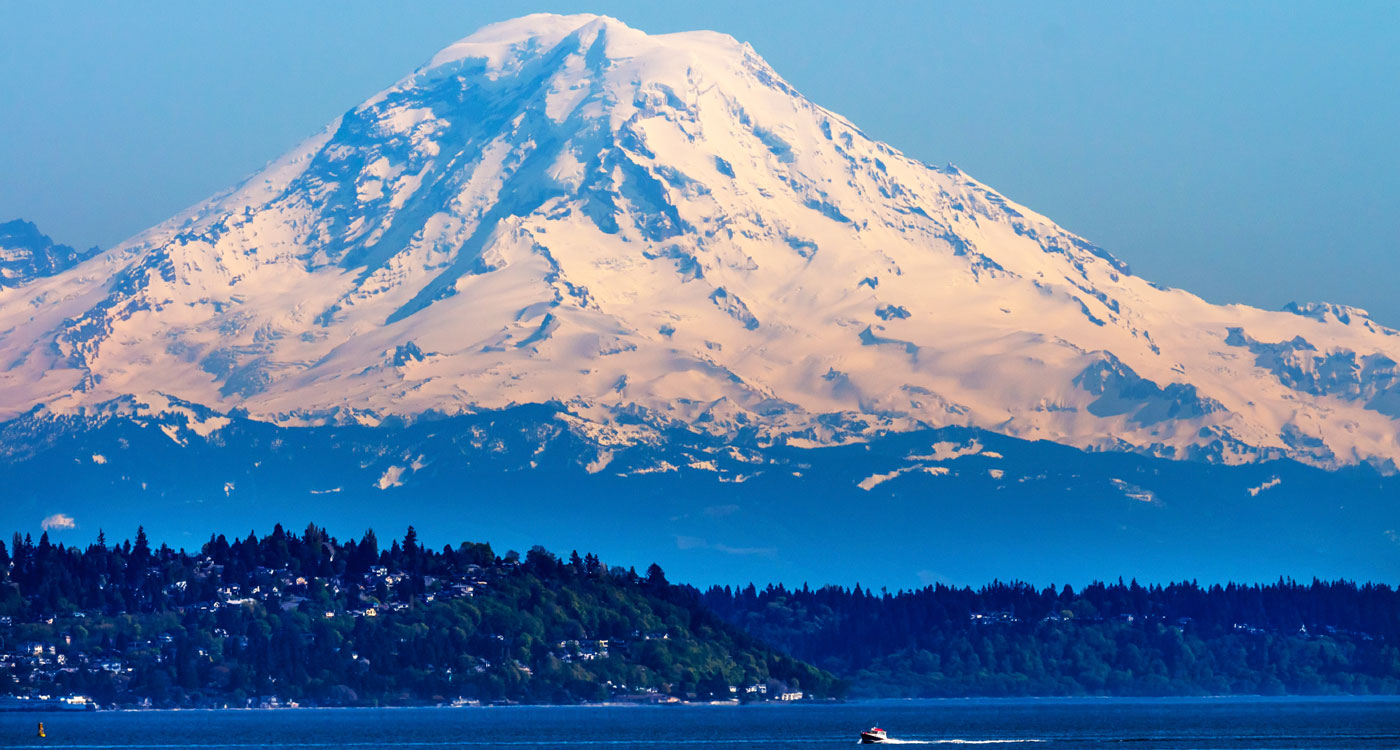
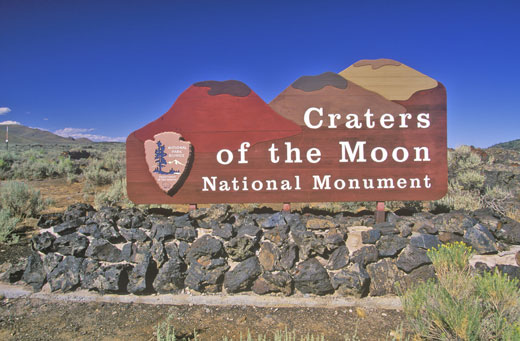
Craters of the Moon National Monument, ID: You may not get to the Moon, but you can explore these lava fields and cinder cones in Idaho. Apollo astronauts trained here before they went to the Moon. ▶
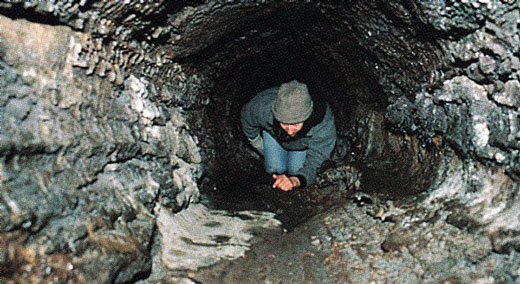
◀ Mount St. Helens, WA: A “forest of stone” formed about 1,900 years ago when lava covered the slopes. The hollow casts of giant fir trees the lava burned away make special places for exploring.
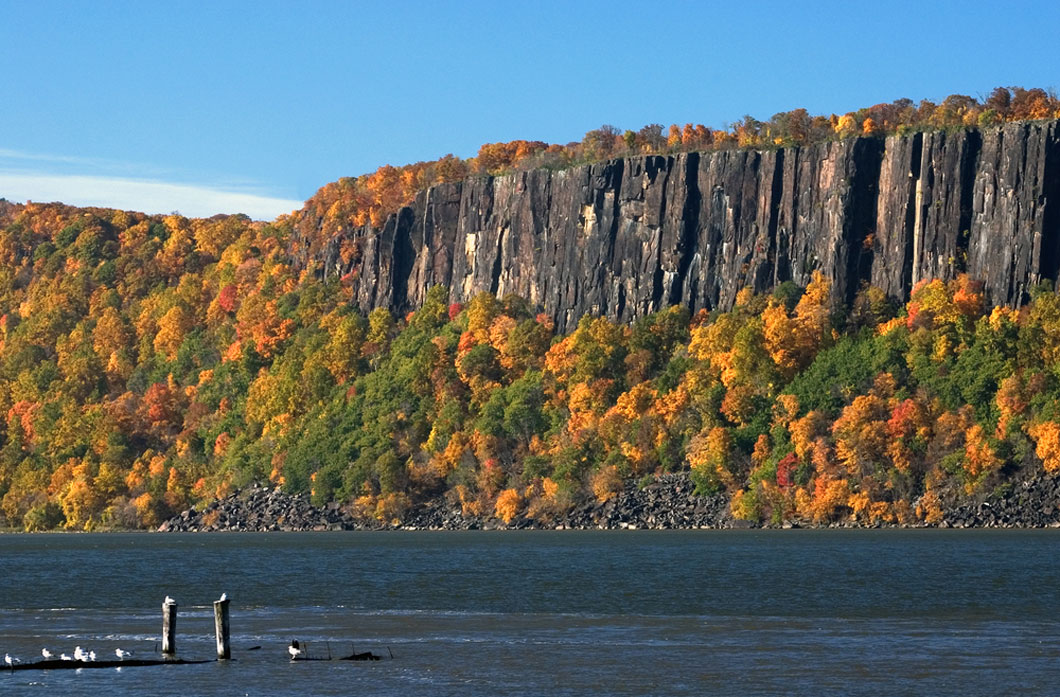
▲ Hudson Palisades, NJ: About 200 million years ago, North America and Africa were part of one landmass. Then they began to rift apart, or separate. Giant cracks formed near the present site of New York City. Rifting released magma, now seen in high basalt cliffs along the west side of the Hudson River.
Old Faithful
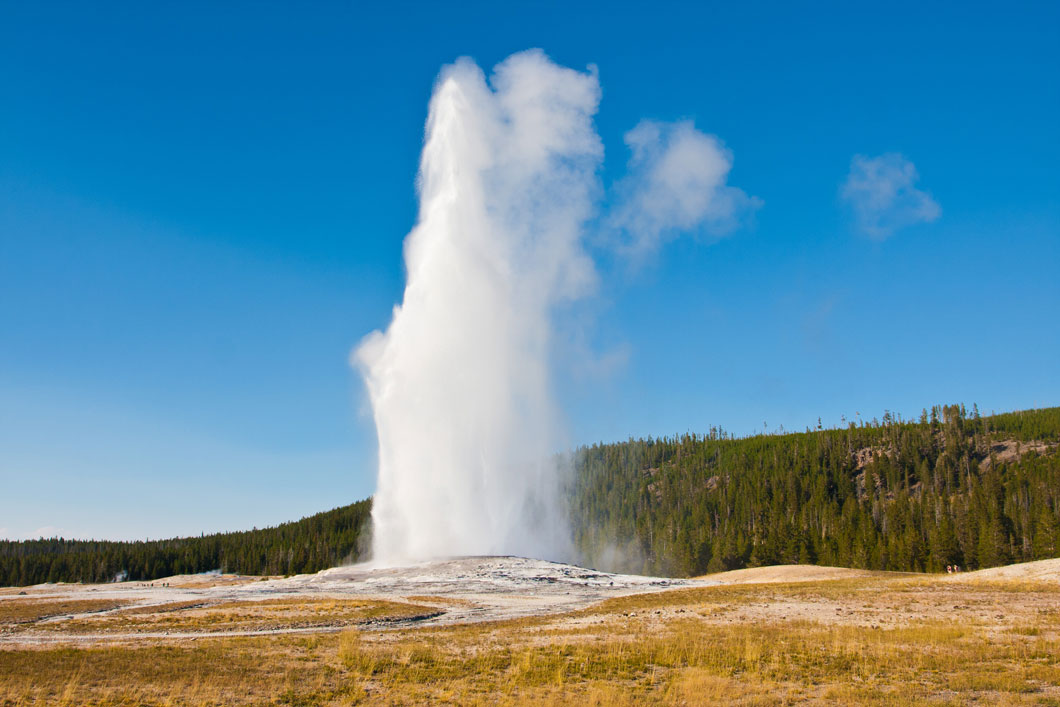
▲ Yellowstone National Park, WY: Steam and hot water gush from Old Faithful about once an hour. Yellowstone National Park sits over a hotspot. It has more active geysers than all the rest of the world put together. Although there has not been an eruption in Yellowstone for 70,000 years, the geysers tell us the area is still volcanically active.
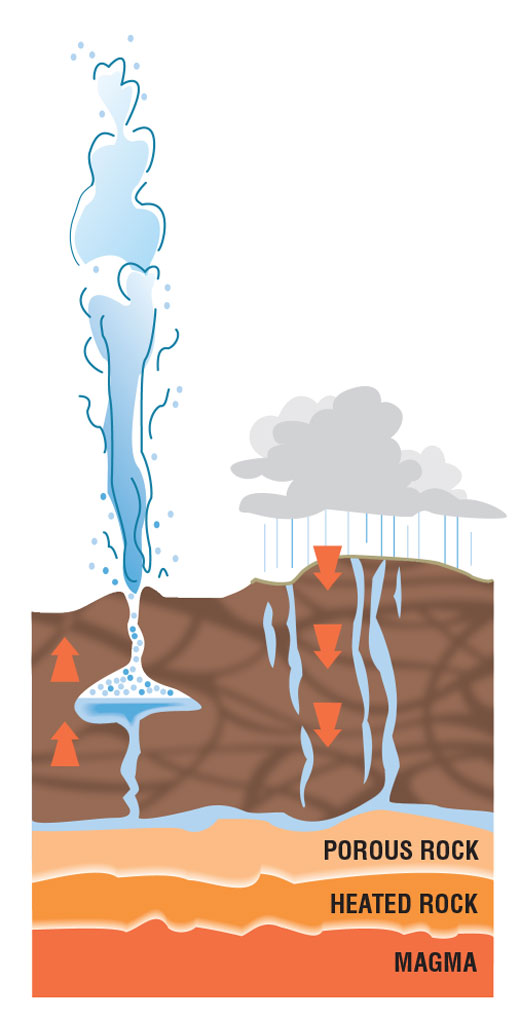
◀ A geyser is like an underground teakettle. Rainwater seeps into the Earth, where magma heats the water and turns it into steam. The boiling-hot steam rises to the surface and jets into the sky as a geyser.