Free
We have volcanoes because the surface of our Earth is in constant motion.
The Earth’s outer layer is divided into plates, like a jigsaw puzzle. These plates are each about 50 miles thick and float like rafts on a softer layer of rock. As the plates float, they bump together or pull apart. When plates collide, one plate dives under the other. This is called subduction. When the plate sinks deeply enough, the rock melts and makes new magma for volcanoes. When plates pull apart, magma comes to the surface. That is called a rift zone. The lava that erupts builds broad plains and volcanic mountains.
Other volcanoes form in the middle of plates, over places in the mantle where the magma is superhot. It’s like someone turned up the gas burner on a stove. As a plate moves over a hotspot, the magma melts through it.
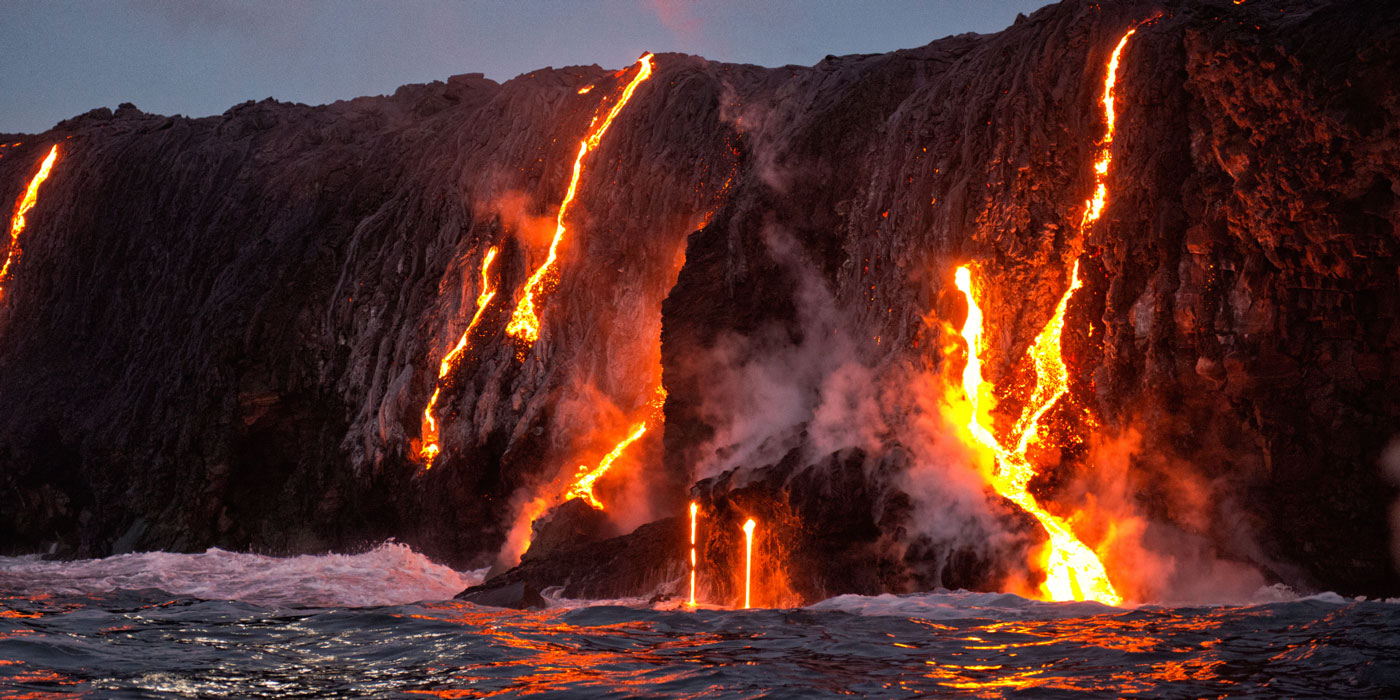
One of America’s most active volcanoes is Mount St. Helens, in Washington State. Another is Kilauea, in Hawaii.
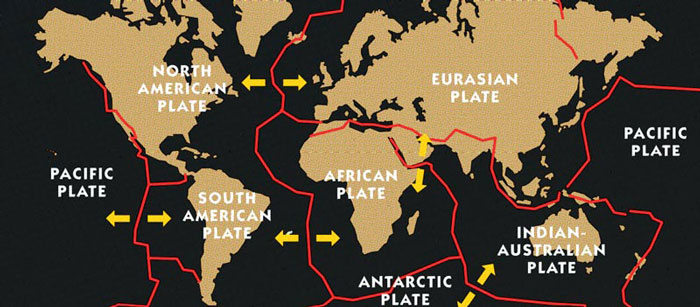
▲ There are seven major plates, and they move like conveyor belts. The arrows show the direction each plate is moving.
Volcano Alert
Scientists at the Smithsonian Institution in Washington, D.C., keep statistics on volcanoes around the world. They say 1,300 volcanoes have been active during the past 10,000 years. Most of them lie along a narrow chain called the Ring of Fire. It circles the Pacific Ocean.
|
Ten Most Active Volcanoes on Earth |
|---|
|
1. Eyjafjallajökull, Iceland |
|
2. Mount Vesuvius, Italy |
|
3. Sakurajima, Japan |
|
4. Mount Merapi, Indonesia |
|
5. Mount Nyiragongo, Democratic Republic of Congo |
|
6. Ulawun, Papua New Guinea |
|
7. Taal, Philippines |
|
8. Mauna Loa, Hawaii |
|
9. Galeras, Colombia |
|
10. Santa Mariá, Guatemala |
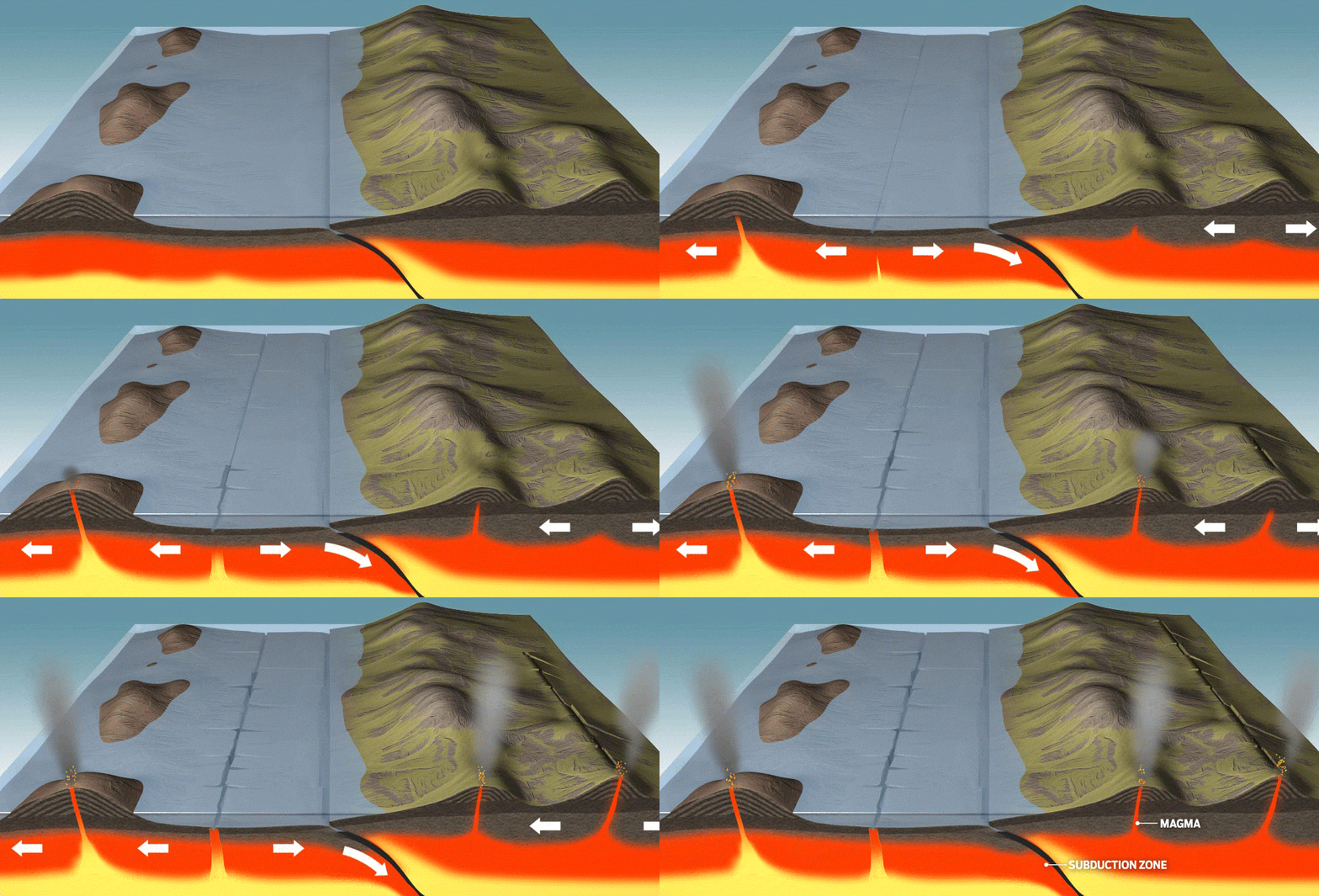
At rift zones, plates move apart and new crust forms.
At subduction zones, plates crash together. Parts of the crust slide down and melt.
Mantle
This layer of molten rock lies 120 miles inside the Earth.
Oceanic Plate
This is a portion of the Earth’s crust that’s under an ocean.
Hotspot
This is where magma melts through the Earth’s crust.
Continental Plate
This is a portion of the Earth’s crust that’s part of a continent.
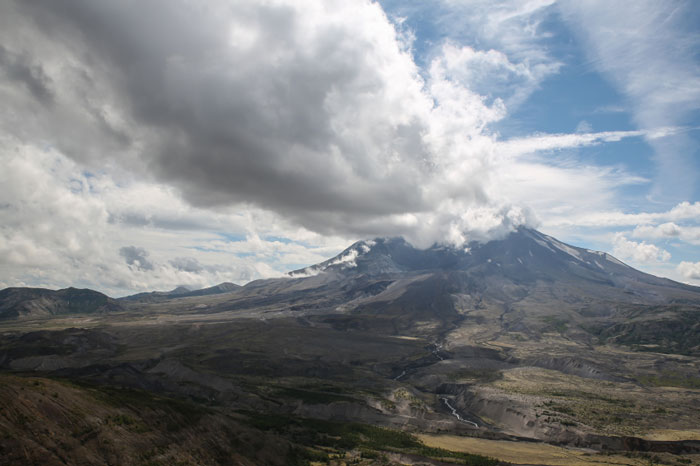
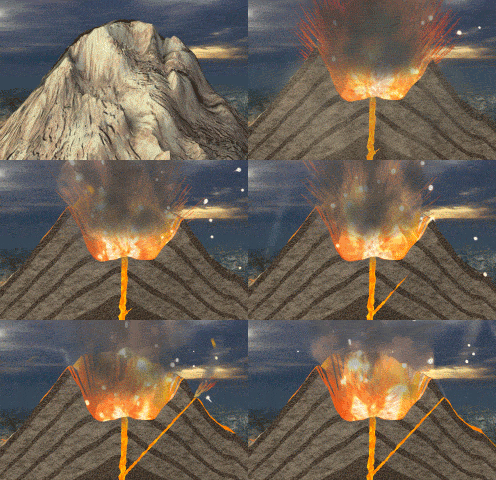
◀ Mount St. Helens in Washington State is a typical subduction-zone volcano. Volcanoes at these zones often erupt explosively. Thick, sticky magma plugs their vents and traps gases. Pressure builds inside the volcano. Finally, it explodes the plug like a cap on a soda bottle.