Free
Once volcanoes begin to erupt, nobody can stop them.
But by studying volcanoes, people can limit the damage. Information about a volcano’s past eruptions helps scientists predict how it may act in the future. Volcanologists are scientists who study volcanoes. They look at old lava flows, ash layers, and other evidence of volcanoes. They plot out a history of eruptions through millions of years.
Volcanologists also study the daily life of volcanoes to find warning signs of new eruptions. Some signs are easy to see. Those include increased ash or fumes from the crater. Other signs, like minor earthquakes, are so small that only scientific instruments can detect them. These techniques are definitely not perfect, but they are improving. And they’re better than just guessing.
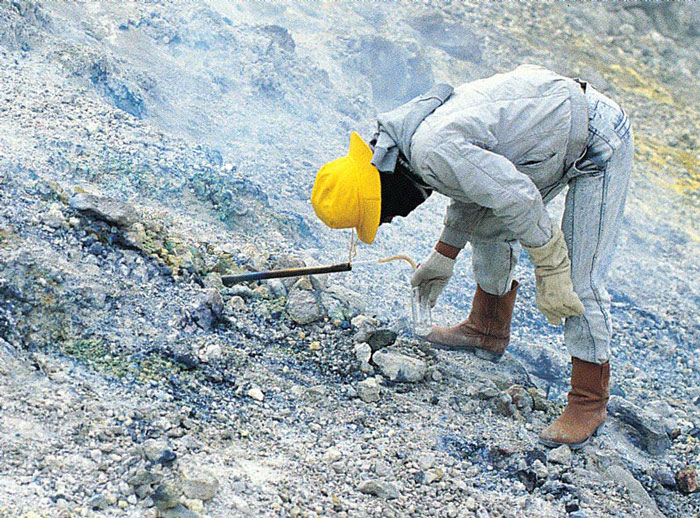
▲ It’s a five-hour climb up Indonesia’s Mount Merapi. Then a volcano observer uses a temperature probe to measure the heat of escaping gases. A staff of observers tracks the country’s 130 active volcanoes.
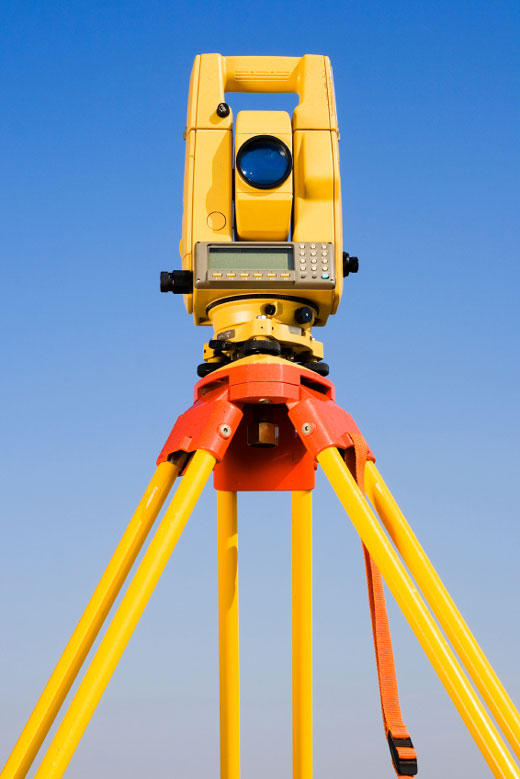
◀ Geologists use a theodolite (thee-ODD-uh-lite). It’s a telescope that lets scientists measure a landscape. Any changes in a volcano’s crater can help them predict an eruption.
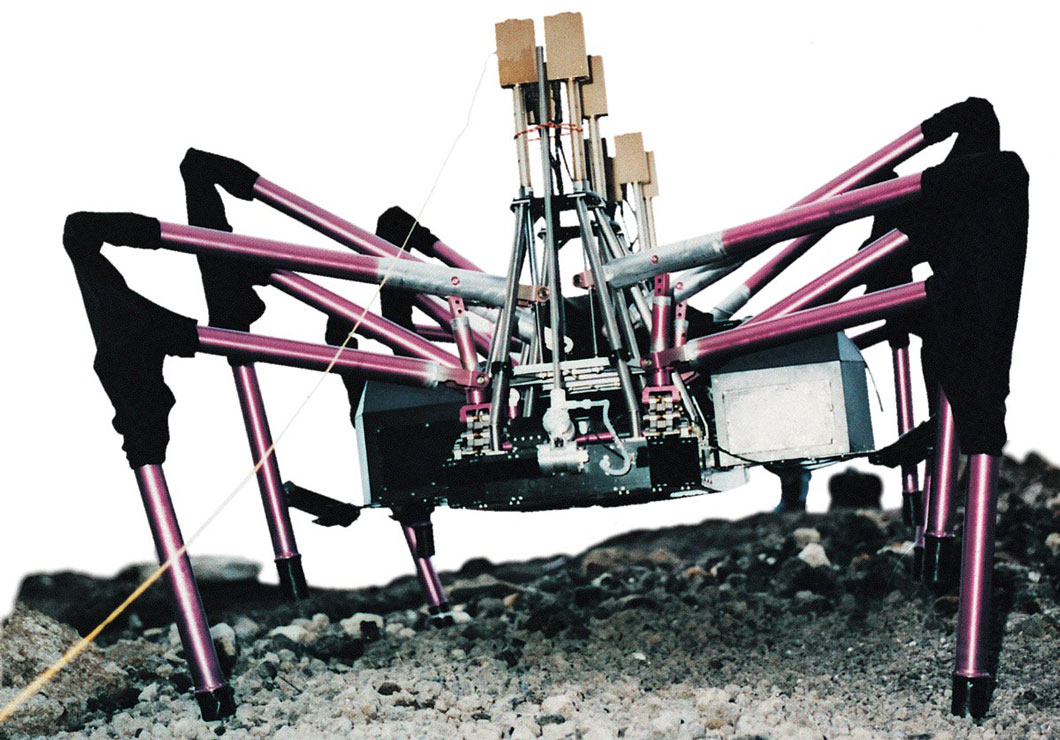
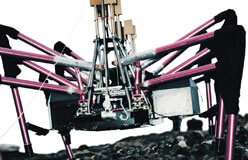
▲ Dante the robot looks like a spider, with eight legs and six eyes. It was built to crawl into a volcano called Mount Erebus in Antarctica. Its job is to study lava and gases.
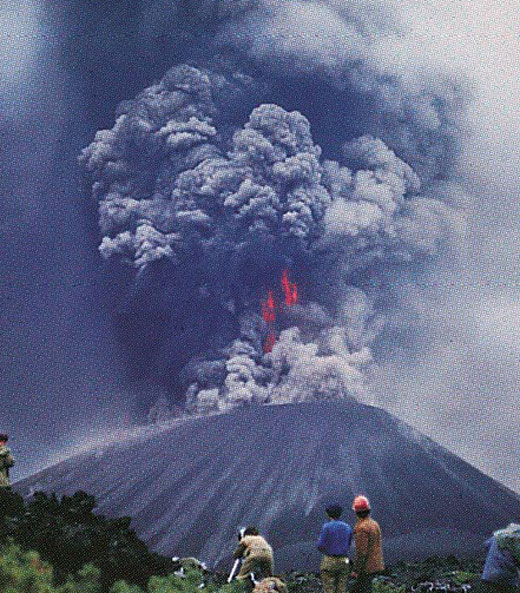
◀ By tracking small earthquakes, scientists predicted a 1975 eruption in Russia. Their estimate of when the Tolbachik volcano would erupt was very precise. Television cameras were even on hand for the event!
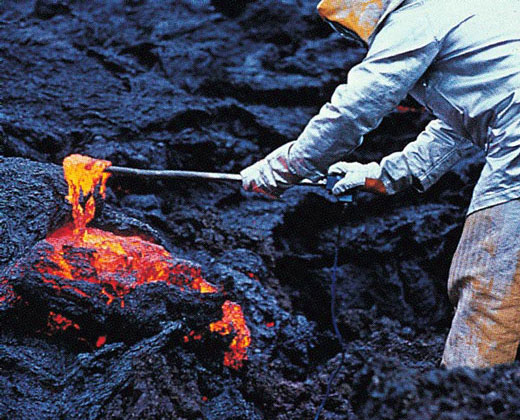
▲ A scientist wearing a fire-resistant suit takes lava samples. Experts track changes in the lava to learn more about how the volcano works.
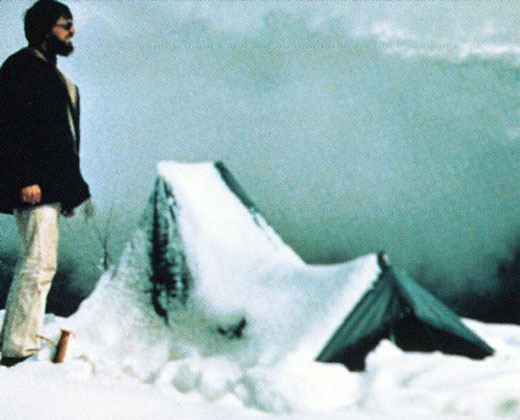
▲ Studying active volcanoes can be dangerous. Volcanologist David A. Johnston was killed during the 1980 eruption of Mount St. Helens. He had been monitoring the volcano. Although an eruption was likely, no one could know exactly when it would happen or how big it would be.
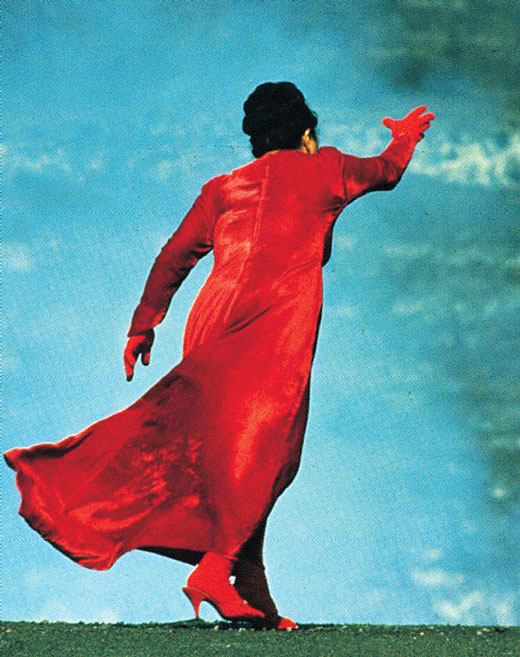
◀ A Hawaiian woman makes an offering to Pele, the goddess of volcanoes. Hawaiian folklore says that when she is angry, she sends waves of lava from the underworld. We now explain volcanoes with science. However, Pele is still an important part of Hawaiian folk tradition.
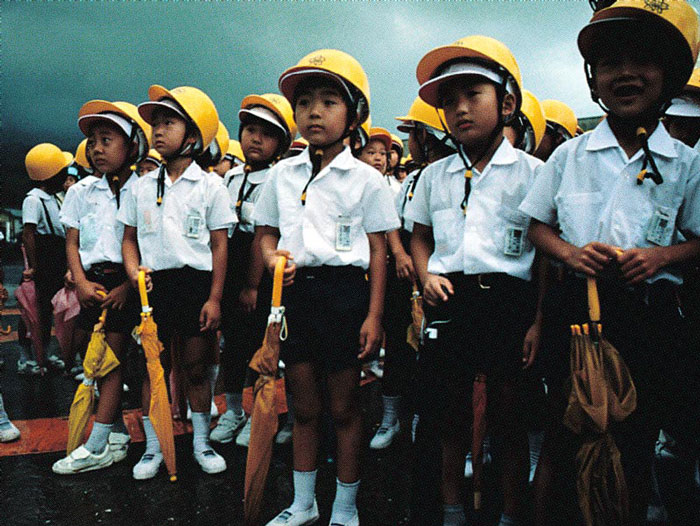
▲ In Japan, some communities are in the path of active volcanoes. The residents practice evacuation drills all the time. They know that predictions won’t help them if they’re not prepared for disaster.
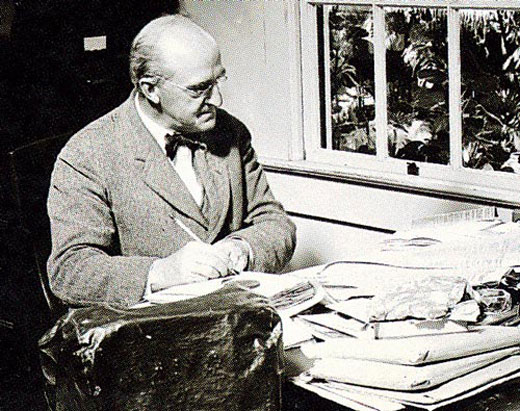
◀ Thomas A. Jaggar came up with the idea of putting permanent laboratories on the slopes of volcanoes. He founded an observatory on Hawaii in 1912. Now there are dozens more around the world.
Check It Out!
Every year, about 50 volcanoes erupt on land or in shallow water. But how many volcanoes have the potential to erupt?
There is no exact answer. That’s because each volcano has its own special history. For some, the time between eruptions may be days, while for others it may be hundreds or even thousands of years.