Free
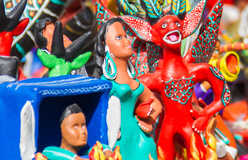
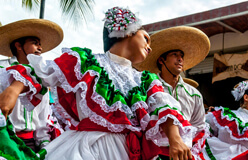
Mexico is a blend of cultures and peoples. Some Mexicans have roots in Spain, while others are descendants of the earliest peoples who settled the region.
Some are descended from Africans who were taken as slaves during the colonial period. Most Mexicans no longer identify with a single ethnic inheritance.
EMPIRE
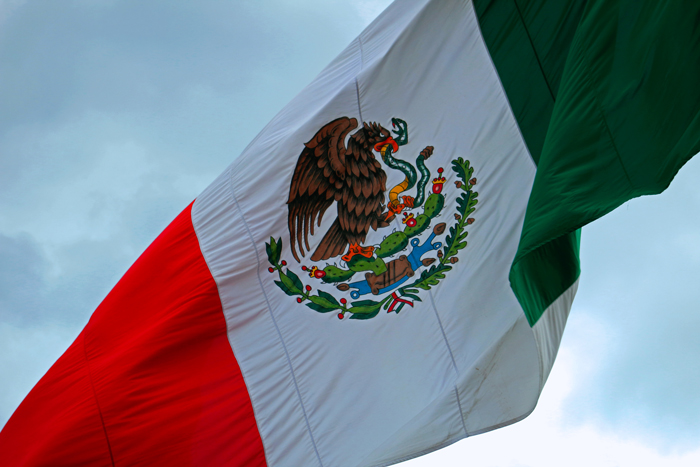
Long before Europeans arrived, Mexico was home to many civilizations, including the Aztec. In the early 1300s, the Aztecs entered the Valley of Mexico searching for a place to settle. According to legend, in 1325, on an island in the middle of Lake Texcoco, they saw an eagle standing on a cactus, holding a snake in its mouth. The Aztecs believed this was a divine sign from their god Huitzilopochtli. There, in the middle of the shallow lake, they built the city of Tenochtitlan. It eventually became a great metropolis and the center of a powerful empire. The eagle on Mexico’s flag recalls the country’s Aztec heritage.
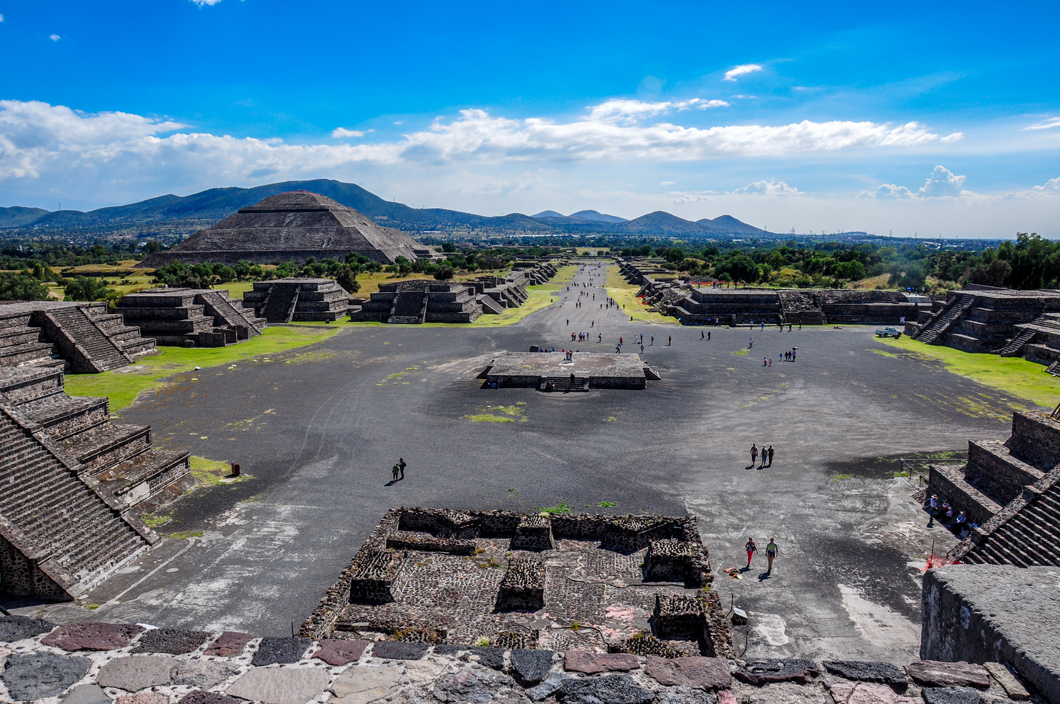
▲ Through war and alliances, the Aztecs conquered neighboring cities and towns. By 1500, they controlled most of the Valley of Mexico. However, the conquered people resented Aztec control, especially the tribute (payment) they had to make in the form of services and goods. Above are Aztec ruins in present-day Mexico City.
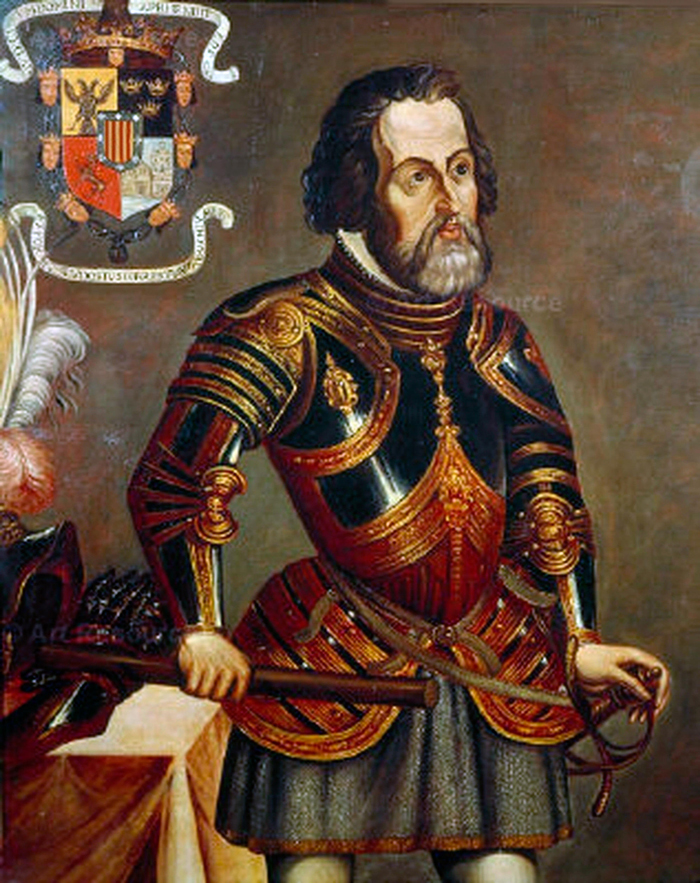
◀ Spanish adventurer Hernán Cortés had been appointed by the governor of Cuba to lead an official expedition. In 1519, he landed on the Gulf Coast of Mexico with several hundred men and horses. As they marched inland, many of the Aztecs’ enemies joined them. Aztec armies could not resist the guns, cannons, horses, armor, and ruthlessness of the Spanish. Plus, the Spanish brought diseases that wiped out a huge portion of the population of Tenochtitlan during the siege. Within two years, the Aztec empire was over.
SPANISH RULE
Cortés claimed the Aztec lands as Spanish territiory. He also claimed lands that belonged to other peoples, including the Maya and Tarasco (around the central plateau to the Yucatán Peninsula), as well as the land of nomadic groups in the north (stretching to today’s U.S.). This all became the colony of New Spain.
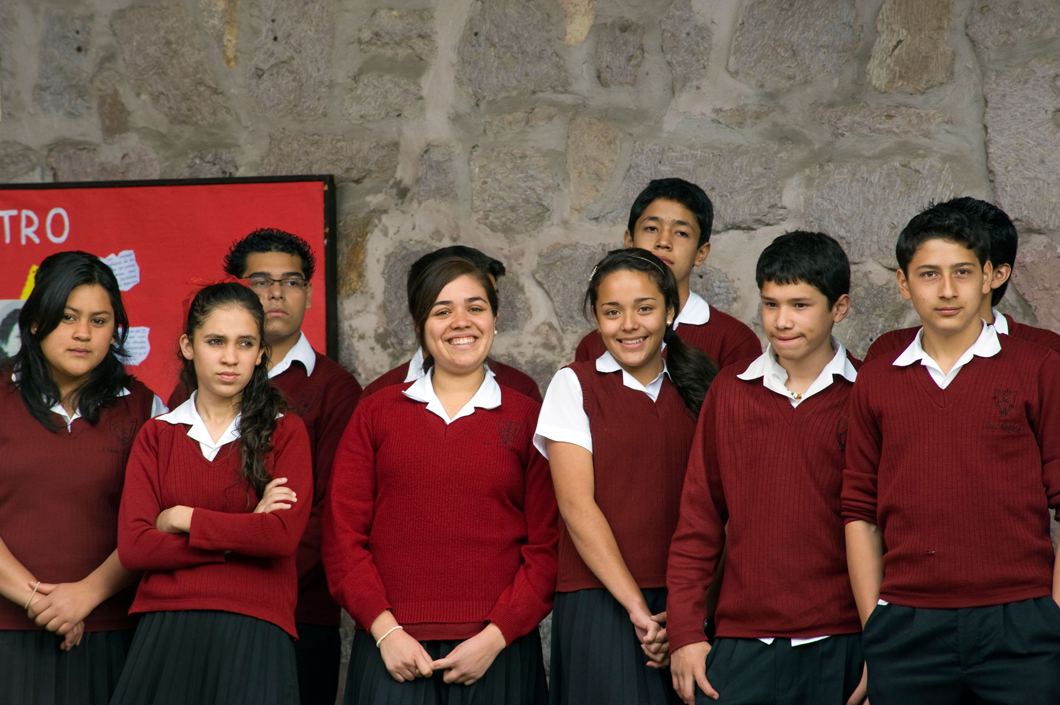
▲ Under Spanish rule, a rigid social system developed. At the top were the people born in Spain. Beneath them were criollos, Spaniards born in Mexico. Next came people of mixed Spanish and Indian background, known as mestizos, as well as people of African and European or Indian and African background, known as castas, meaning “people of mixed heritage.” Below these groups of mixed background were Indians, and at the bottom were enslaved persons.
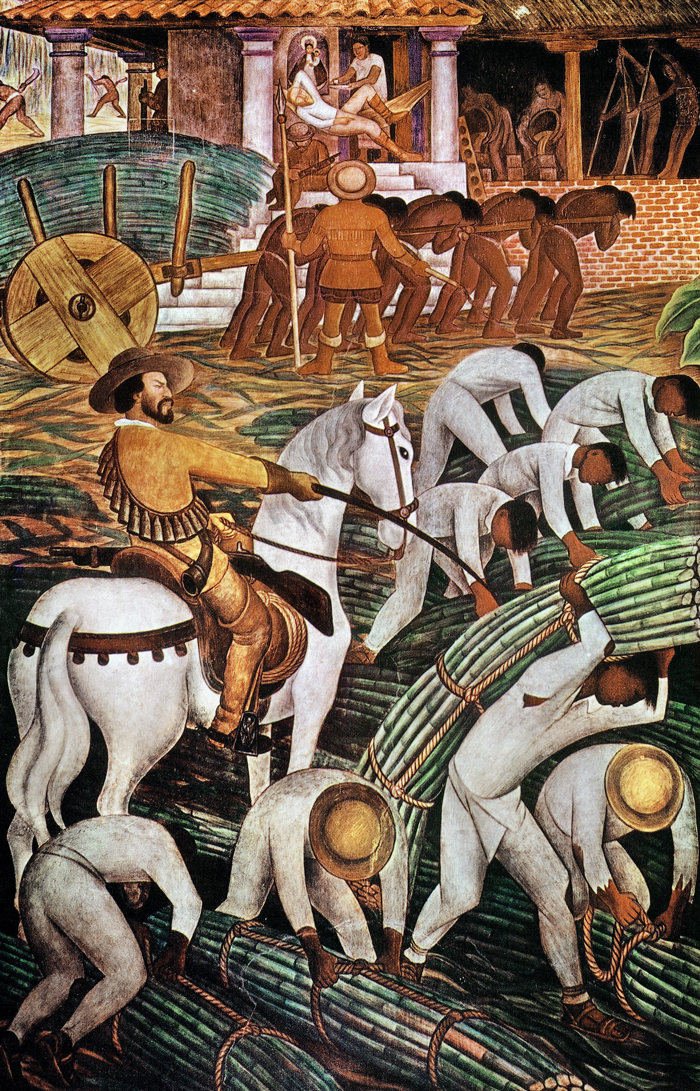
▲ Mexico’s colonial rulers created large estates called haciendas, where they raised crops or cattle. Few mestizos received any land. Over decades, Indian communities lost their lands and were forced to work on the haciendas like slaves. Over time, anger at the Spanish ruling class boiled over. Many local communities in central Mexico fiercely defended their right to self-government, sometimes suing haciendas.
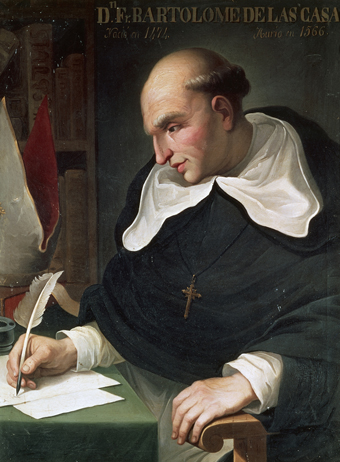
▲ The Spanish sent missionaries to convert the Indians to the Catholic religion. Missionaries built churches where they hoped Indians would learn the Christian faith. Spanish priests destroyed Aztec temples and stopped Indians from practicing their own religions. A few priests, like Bartholomé de las Casas (above), protested the brutal treatment of the Indians by the Spanish conquerors and settlers. Bernardino de Sahagún learned a native language. He also spent many decades of his life writing an encyclopedia that helped preserve knowledge of Aztec culture.
INDEPEDENCE
Even after the war, descendants of the Spanish conquerors still had most of the land, wealth, and power, while Indians and other poor people had little. The government leaders changed frequently.
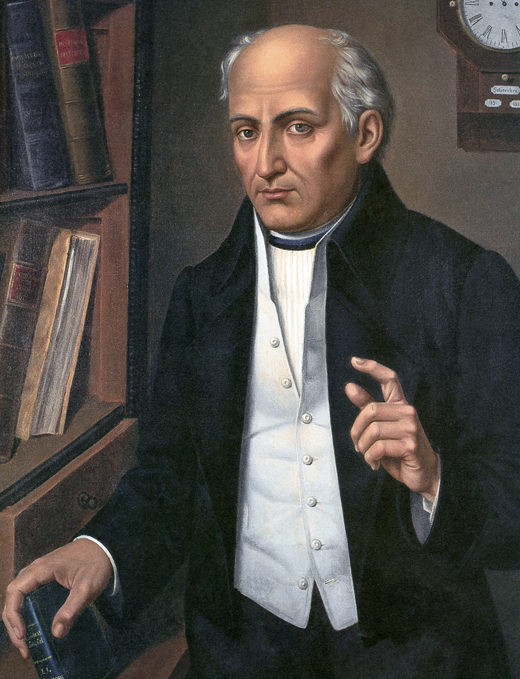
▲ Mexican priest Miguel Hidalgo started the fight for independence in the town of Dolores in 1810. He inspired hundreds of Indians and many miners and criollos to join him. When the war ended, in 1821, Mexico was free from Spain, and Father Hidalgo became known as the Father of Independence.
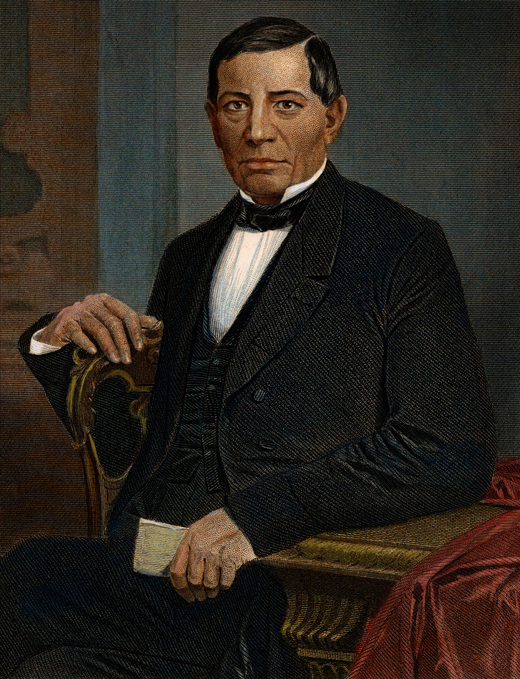
▲ Benito Juárez, a Zapotec Indian, was an early fighter for change. As Mexico’s president in the 1860s, he worked to create a strong national government and supported rights for poor people, including better access to health care and education. Juárez also led the fight against France’s occupation of Mexico. The Mexicans resisted so strongly that France gave up and withdrew its army in 1867.
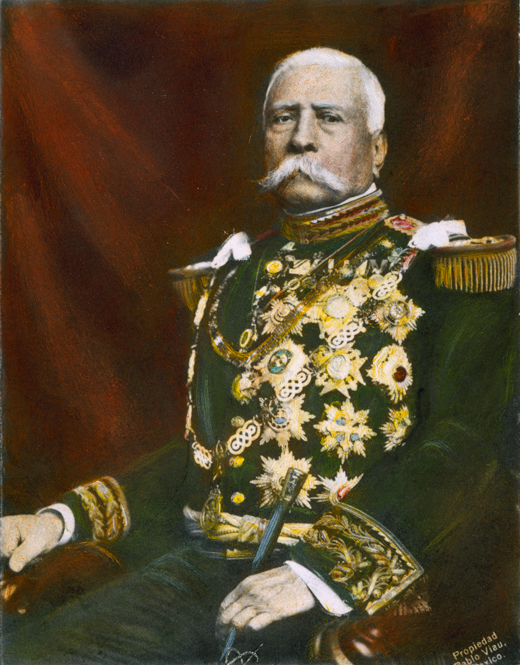
In 1877, Porfirio Díaz came to power. He was a dictator who brought order to the country, and although the Mexican economy grew and railroad lines were built, the gap between the rich and the poor remained. The poor lost land, and most peasants saw little improvement. Díaz held power for more than 30 years. ▶
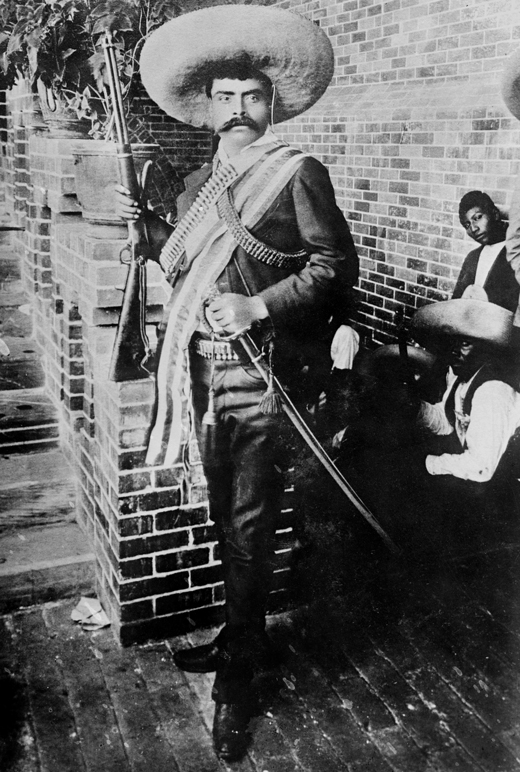
▲ In 1910, Mexicans rebelled. Emiliano Zapata was a key leader in the struggle for independence and fair treatment. One of ten children in a mestizo family, Zapata wanted the government to make the rich give the peasants the farmland and estates they held. Zapata died in the fighting, but his boldness and courage inspired others.
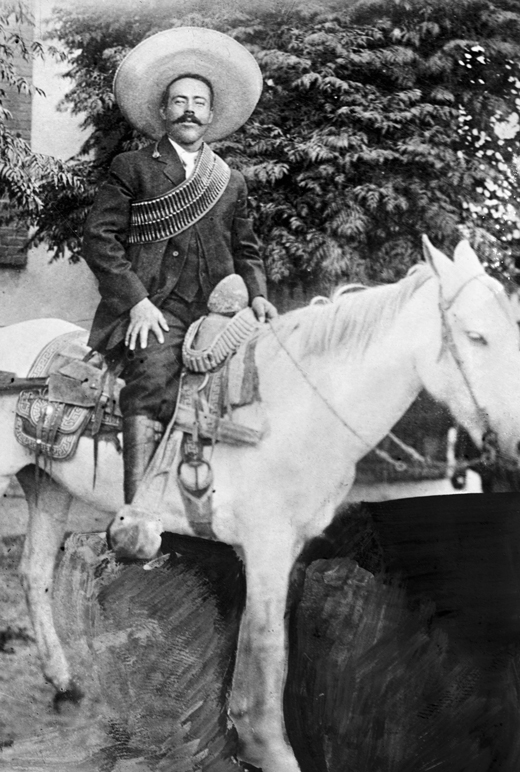
▲ Francisco “Pancho Villa” combined his forces with Zapata’s, and the revolution of 1910 led to the writing of a new constitution in 1917 that provided for land reform. However, fighting continued in some regions into the 1920s. The country probably lost a million people during those ten years. Over time, many of the haciendas were broken up and the land was given back to the peasants.