Free
Mexico is a mix of many cultures and peoples. Some Mexicans have roots in Spain. Others trace their roots back to the earliest humans who came to the area.
Some are related to Africans who were brought to Mexico as slaves. Most Mexicans no longer see themselves as part of a single ethnic group.
EMPIRE
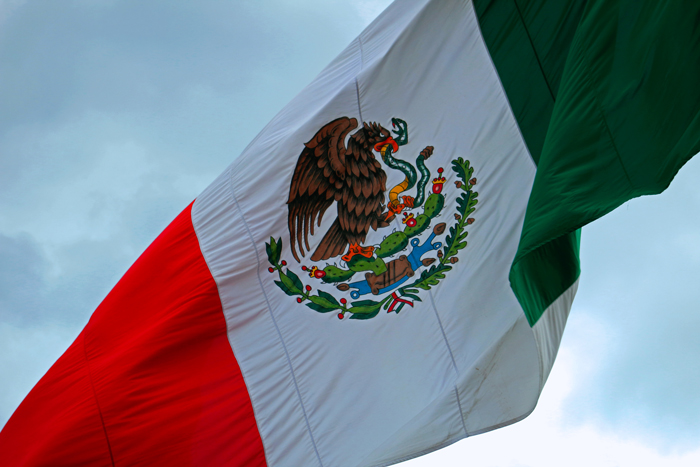
Way before the Europeans came, Mexico was home to many civilizations. The Aztecs were one of them. In the early 1300s, the Aztecs were looking for a place to settle. They came into the Valley of Mexico. According to legend, in 1325, they saw an eagle standing on an island in the middle of Lake Texcoco. It had a snake in its mouth. The Aztecs saw this as a sign from their god Huitzilopochtli. So they built the city of Tenochtitlan in the middle of this shallow lake. It became a major city and the center of a strong empire. The eagle on Mexico’s flag shows the country’s Aztec roots.
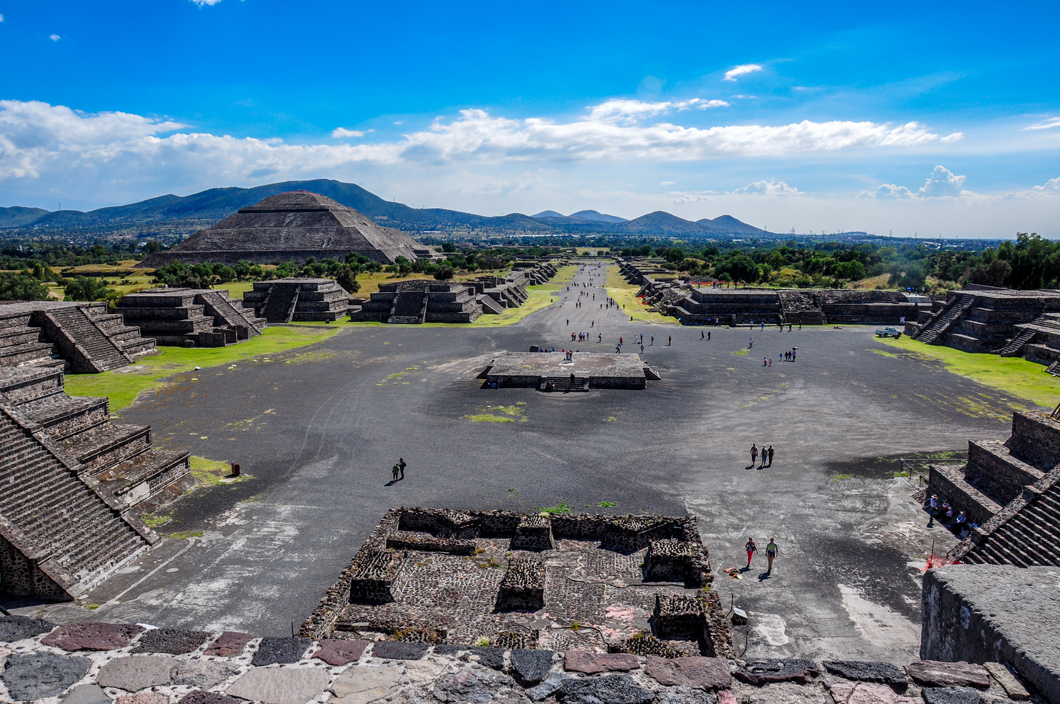
▲ Through wars and also friendly deals, the Aztecs took over nearby cities and towns. By 1500, they controlled most of the Valley of Mexico. But the people there didn’t like being under Aztec control. They disliked paying tribute, or taxes, to the Aztecs. Above are Aztec ruins in present-day Mexico City.
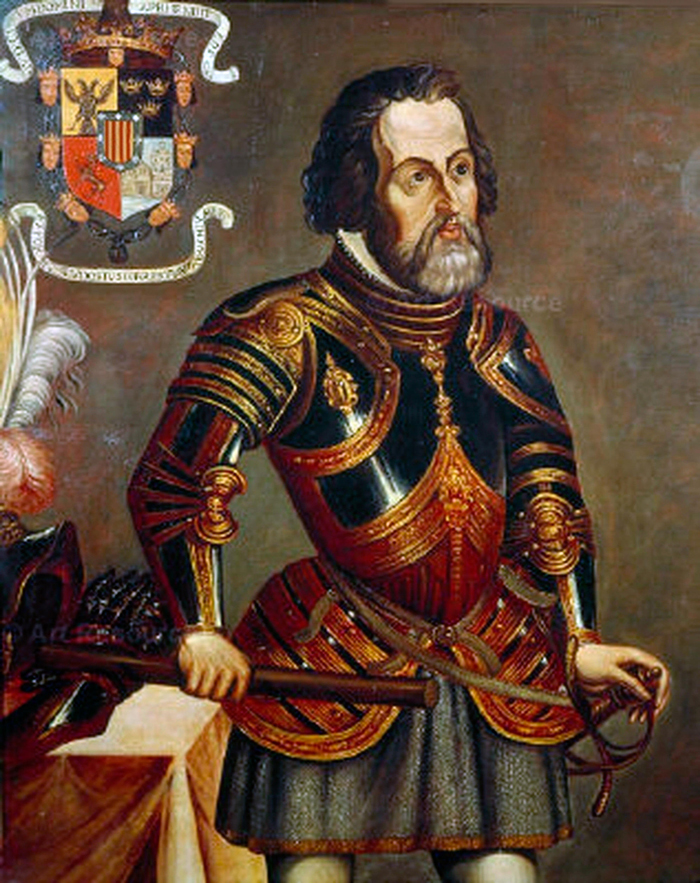
◀ Cuba’s governor chose Spanish adventurer Hernán Cortés to lead an expedition. Cortés took several hundred men and horses with him. In 1519, they landed on the Gulf Coast of Mexico. As they marched inland, many of the Aztecs’ enemies joined them. Aztec armies were no match for Spanish guns, cannons, horses, and armor. The Spanish also brought deadly new diseases. Many of the people in Tenochtitlan died from them. Within two years, the Aztec empire was gone.
SPANISH RULE
Cortés claimed the Aztec lands for Spain. He also claimed lands that belonged to other peoples, such as the Maya and Tarasco. These lands ran all the way down to the Yucatán Peninsula. Cortés then claimed the northern lands, which were home to nomadic groups. This land stretched to where the U.S. is today. All these lands became the colony of New Spain.
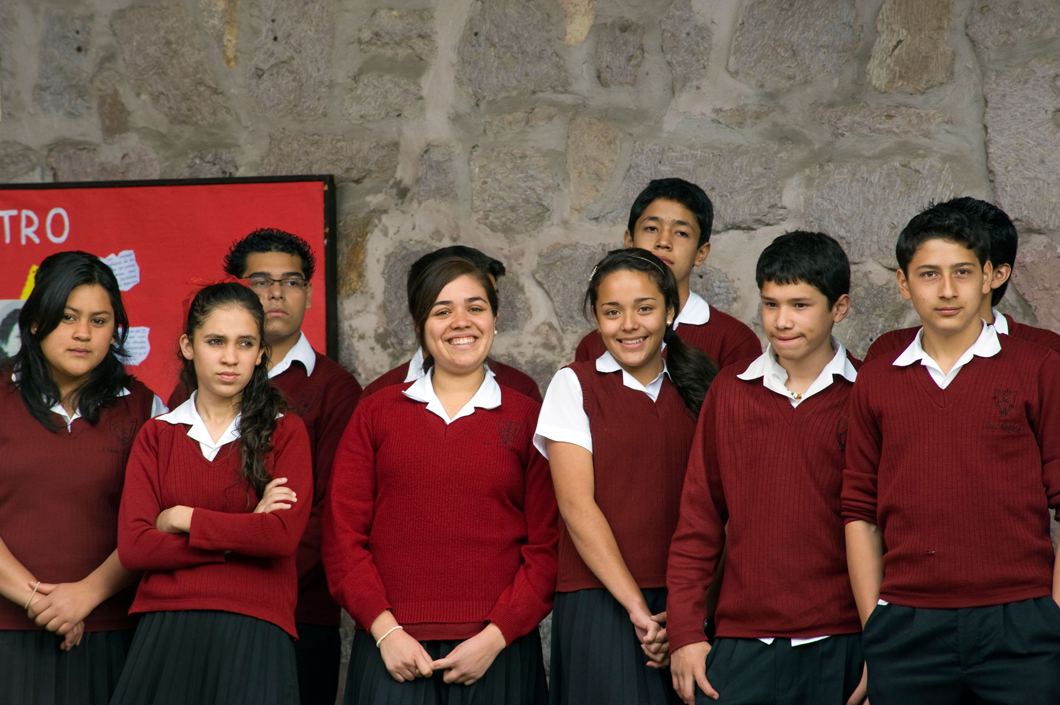
▲ When Mexico was ruled by Spain, it had a strict social class system. At the top were the people born in Spain. Beneath them were criollos, who were Spaniards born in Mexico. Next came people of mixed Spanish and Indian background. They were known as mestizos. Then came people of African and European or Indian and African background. They were called castas, which meant “people of mixed background.” Below these mixed groups were Indians. Enslaved persons were at the bottom.
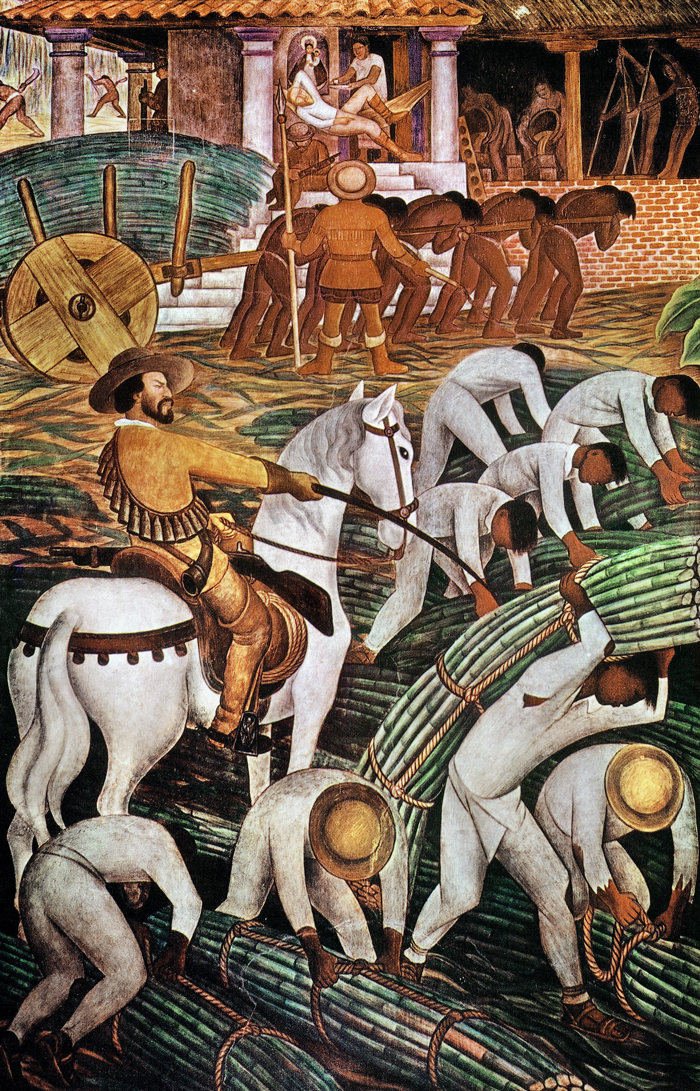
▲ When Mexico was a Spanish colony, the rulers created large estates. They were called haciendas. Here, they raised crops or cattle. Few mestizos received any land. Many groups of Indians lost the lands they had owned. They were forced to work on the haciendas like slaves. Over time, anger at the Spanish ruling class boiled over. Many groups of people who lived in central Mexico fiercely defended their right to self-government. Sometimes they sued the haciendas.
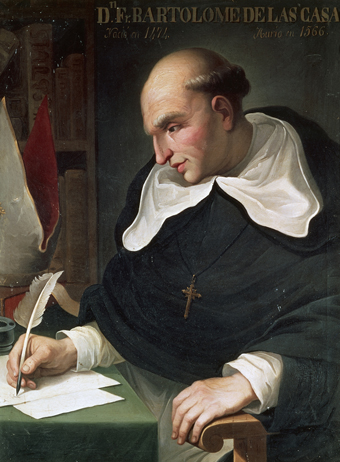
▲ The Spanish wanted to convert the Indians to the Catholic religion. So they brought in missionaries. They built churches to train Indians to be Christians. They also kept Indians from practicing their own religions. They destroyed Aztec temples. A few priests, like Bartholomé de las Casas (above), complained about how badly the Indians were treated. Bernardino de Sahagún learned a native language. He spent many years writing an encyclopedia. It helped preserve knowledge of Aztec culture.
INDEPENDENCE
Mexico wound up fighting for independence. But even after the war, people related to the Spanish conquerors still had most of the land, wealth, and power. Indians and other poor people had almost nothing.
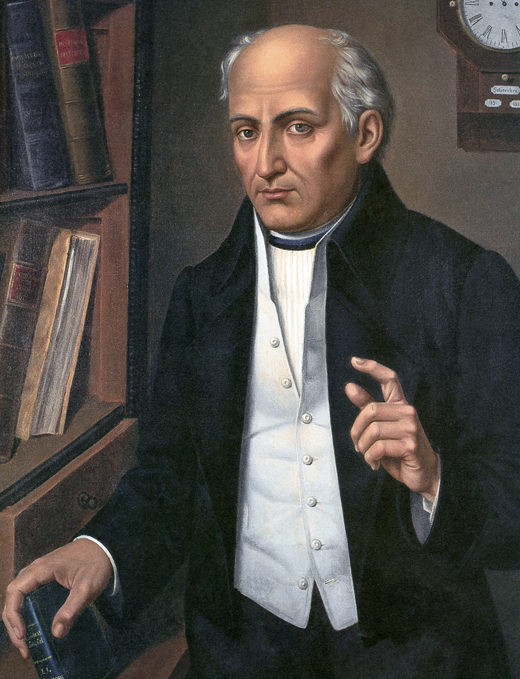
▲ Miguel Hidalgo was a Mexican priest. In 1810, he started the fight for independence in the town of Dolores. He got hundreds of Indians and many miners and criollos to join him. When the war ended in 1821, Mexico was free from Spain. Father Hidalgo became known as the Father of Independence.
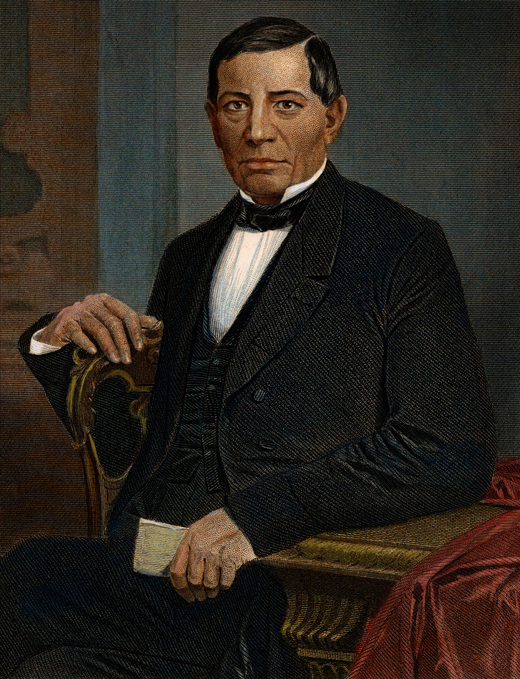
▲ Benito Juárez was an early fighter for change. As Mexico’s president in the 1860s, he worked to create a strong national government. Juárez was a Zapotec Indian who wanted poor people to have better health care and education. When the French took over Mexico, Juárez led the war against them. The Mexicans fought so hard that France gave up. Their army left in 1867.
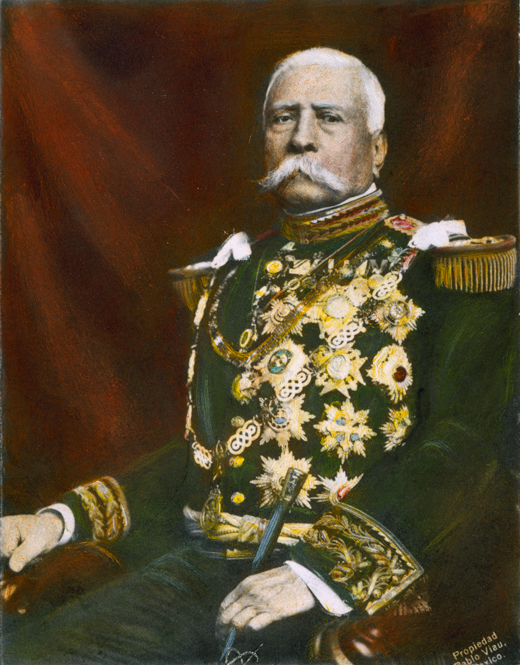
In 1877, Porfirio Díaz, a dictator, came to power. He brought order to Mexico. The country made more money and railroads were built, but the gap between rich and poor remained. The poor lost land, and most peasants saw little change for the better. Díaz held power for over 30 years. ▶
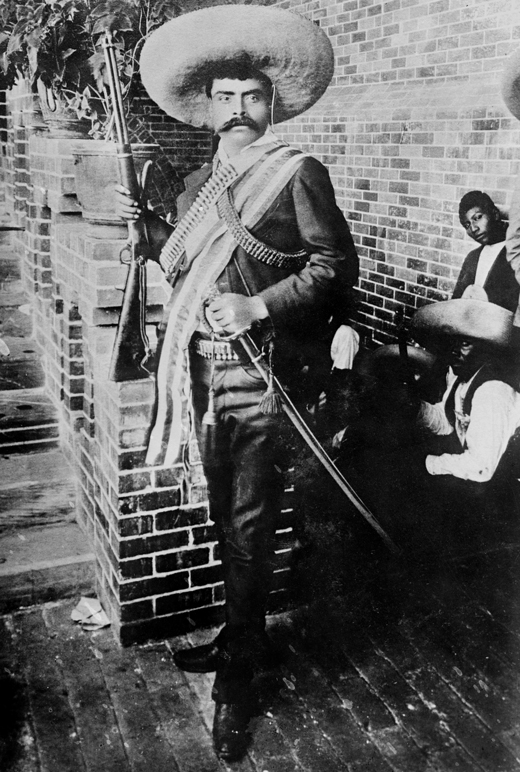
▲ In 1910, the Mexican people rebelled. Emiliano Zapata, a mestizo, became a leader in the battle for independence and fair treatment. He wanted the government to make the rich give their farmland and estates back to the peasants. Zapata died in the fighting. But his bold vision and courage gave hope to many others.
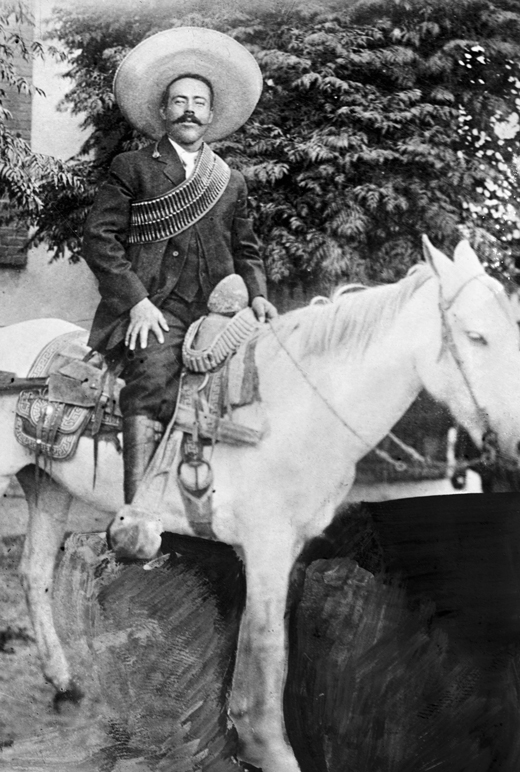
▲ Francisco “Pancho Villa” was one of the most famous rebel leaders. He combined his forces with Zapata’s. The revolution of 1910 led to a new constitution being written in 1917. It said that land reform would take place. But in some areas the fighting continued into the 1920s. Mexico probably lost a million people in those ten years. Over time, many of the haciendas were broken up and the land was given back to the poor.