Free
The Grand Canyon is a paradise for geologists, or scientists who study the history and shape of Earth.
One way they do that is by examining rocks. They can read rocks like a history book. Each part tells a story.
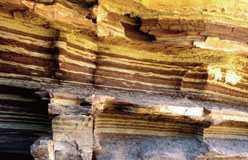
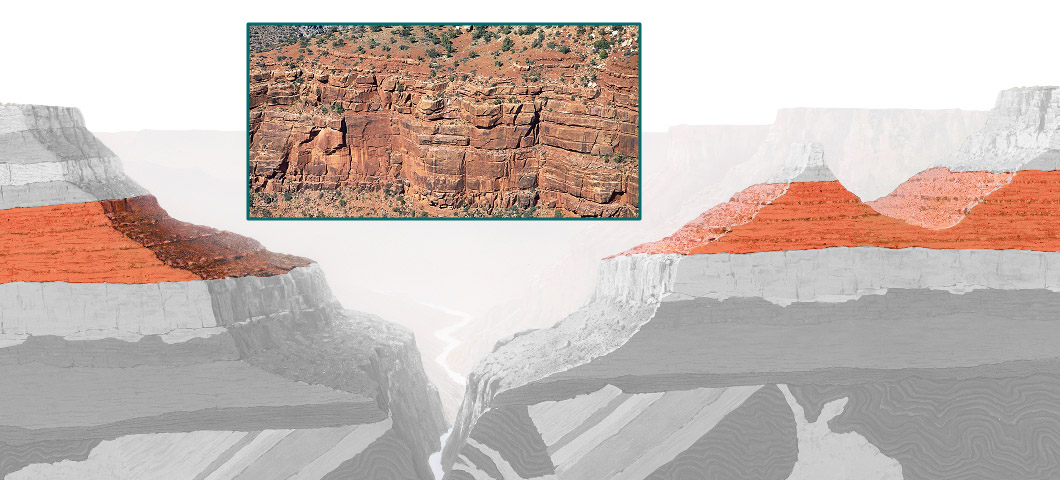
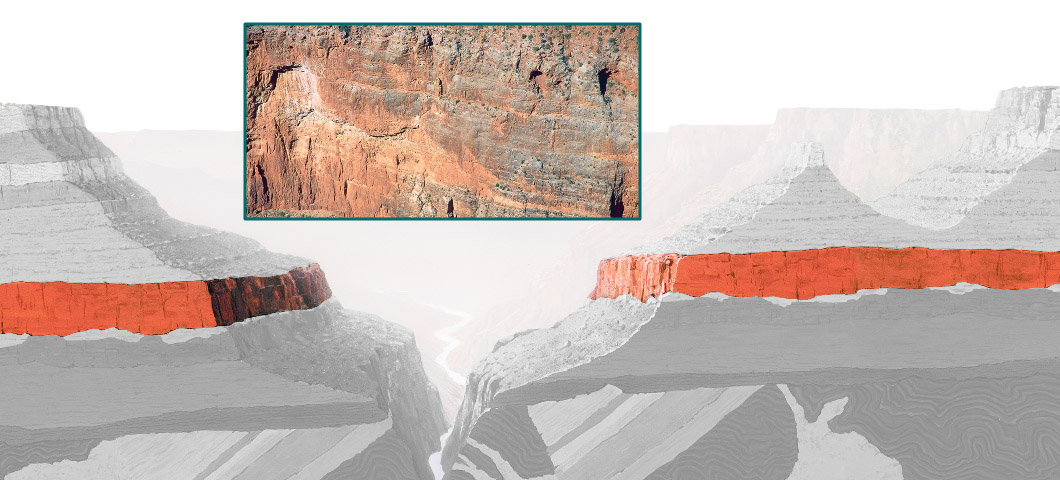
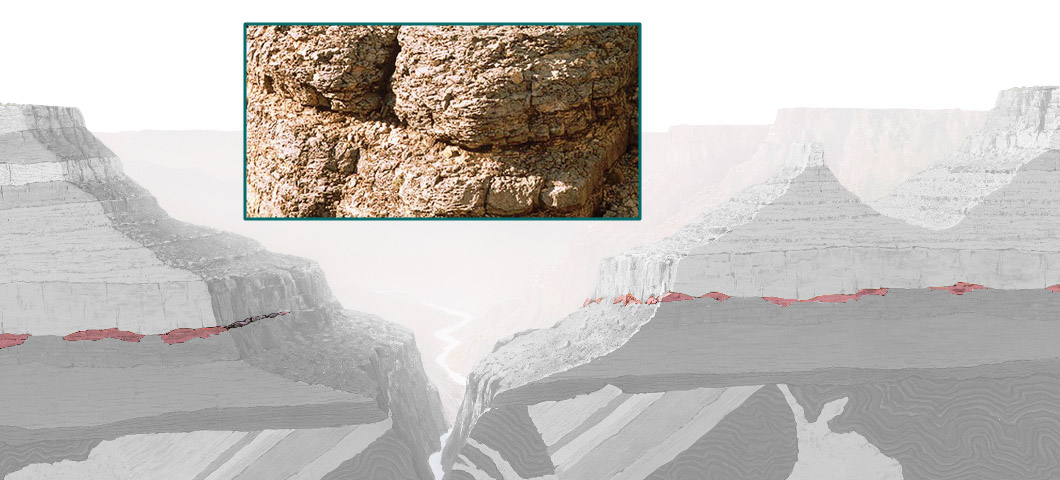
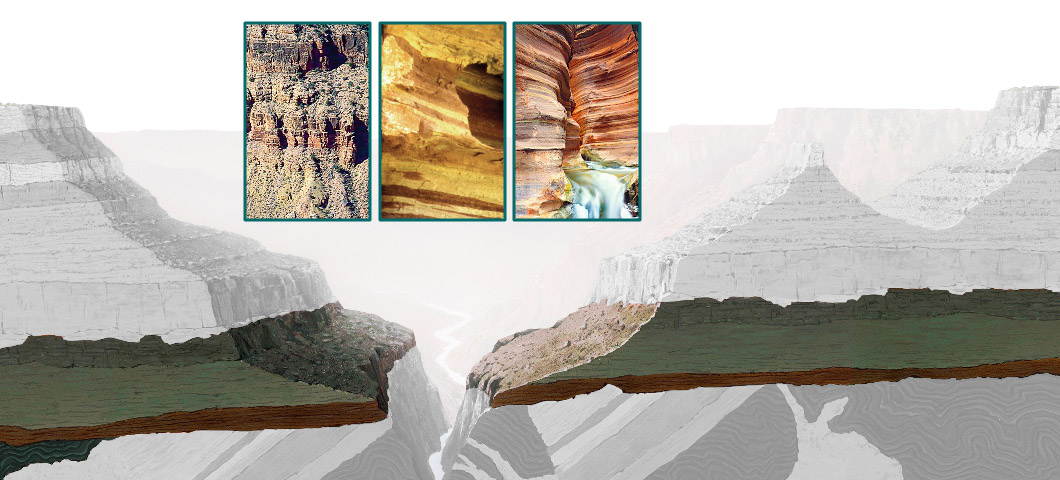
Erosion has exposed rock layers that go a mile up the canyon walls. Strata are layers of rock. Each layer formed in a different time period. Every time, the ocean moved in, covered the land, and then moved out.
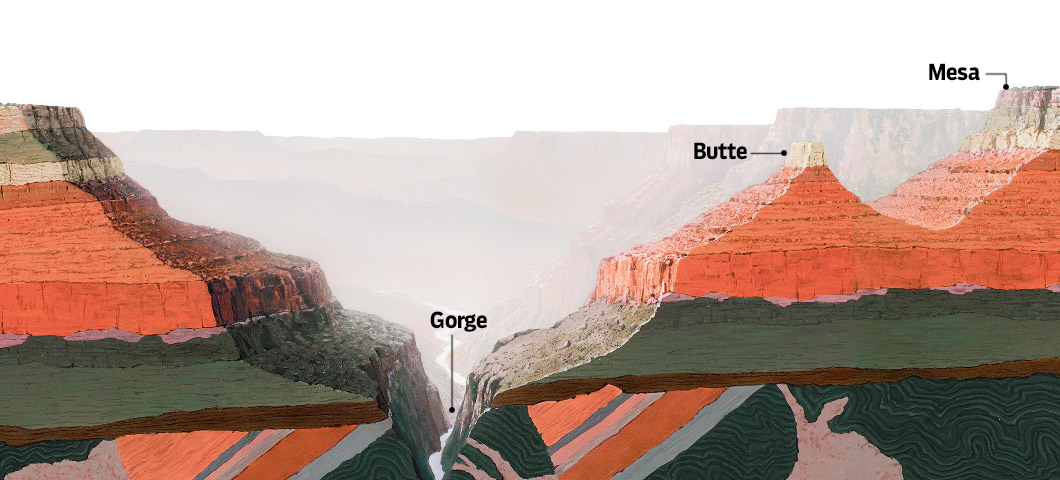
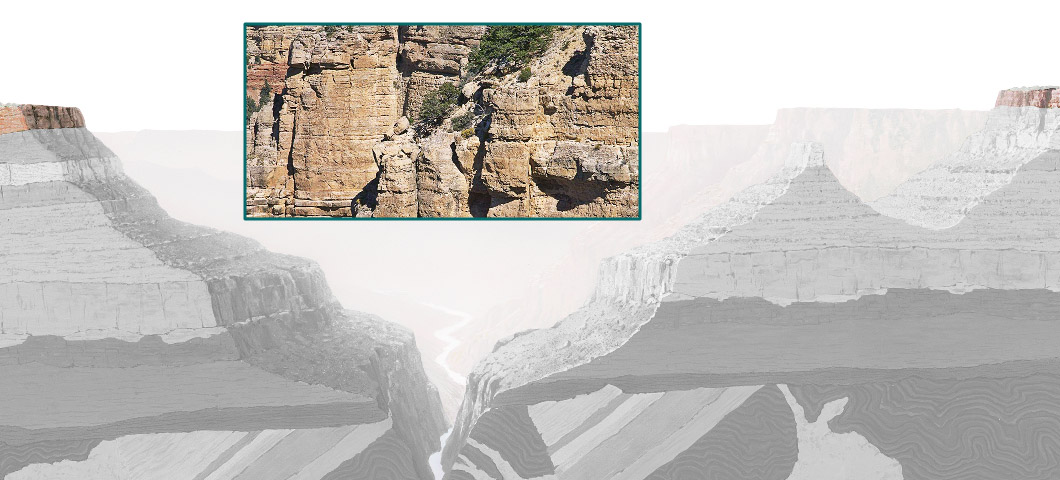
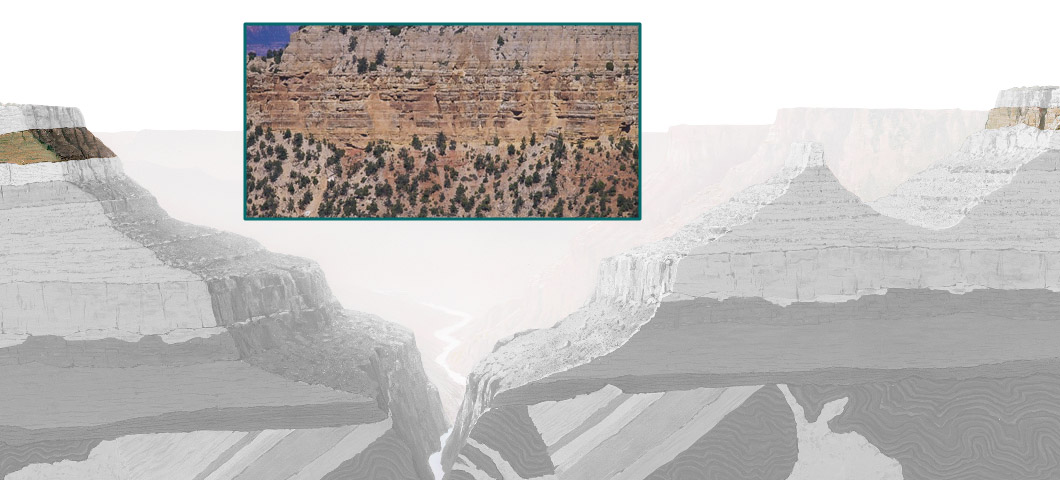
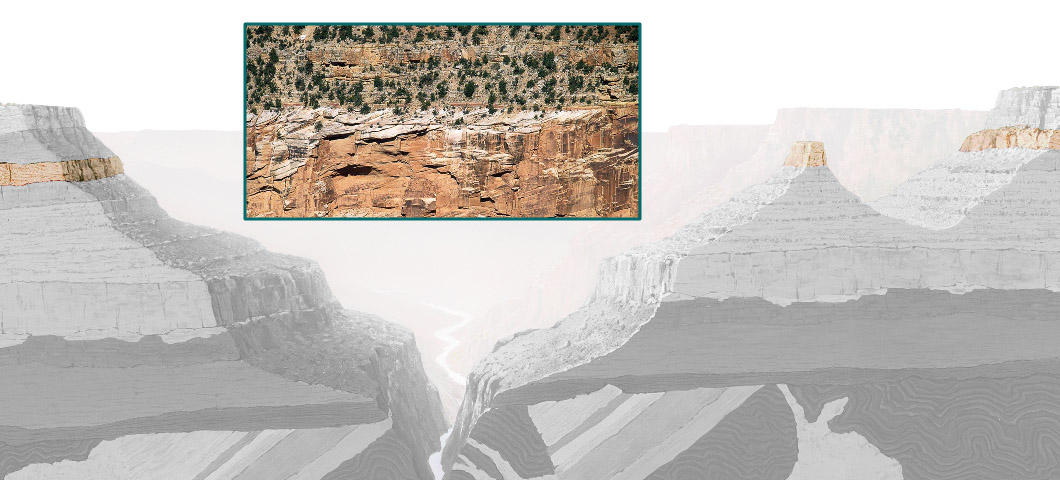
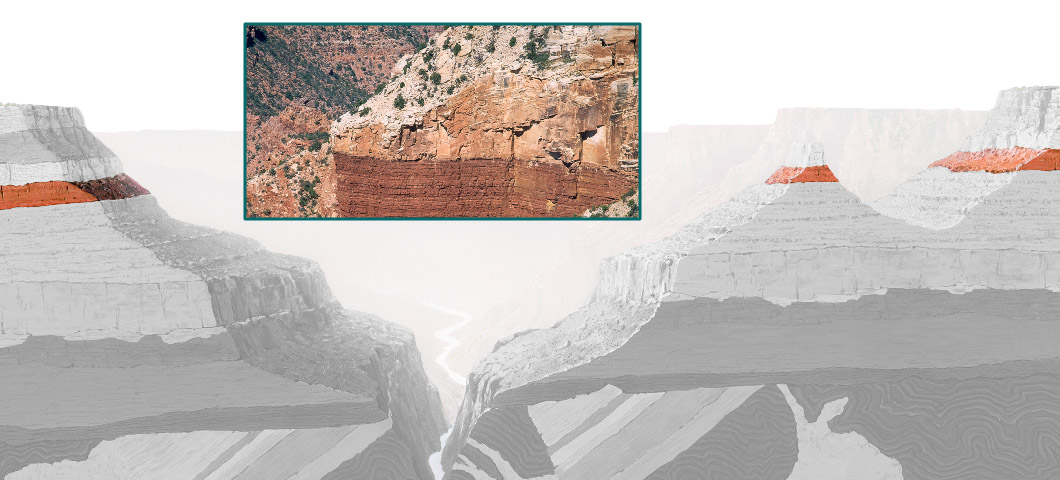
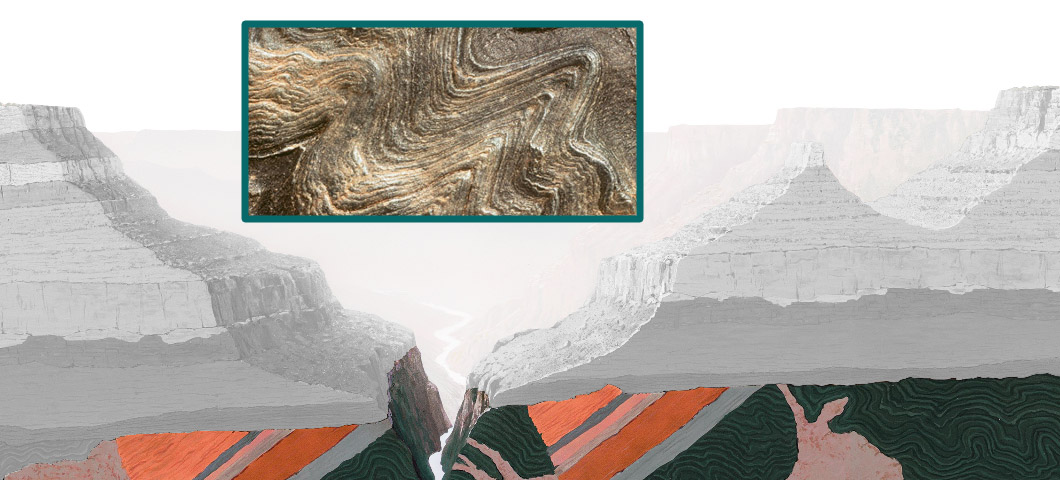
Layers of the Canyon
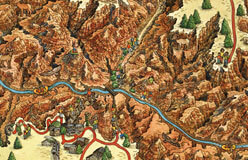
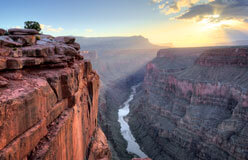
The Grand Canyon’s natural landscape features deep gorges. It is decorated with towering buttes. It also has broad, flat mesas with steep sides. Mesa is Spanish for “table.”
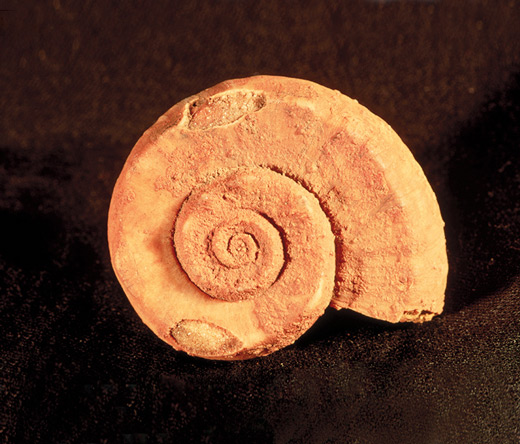
◀ Fossils are the remains of ancient life. The waters that covered the Grand Canyon area were homes for many animals. This snail-like fossil was found in the Kaibab limestone layer.
Sections of the Canyon
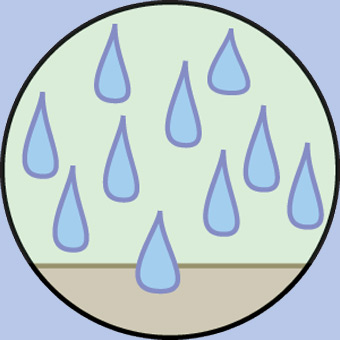
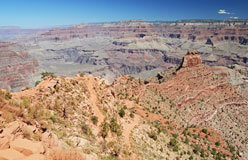
▲ The South Rim gets around 15 inches of rain and snow a year. This is where most visitors go.
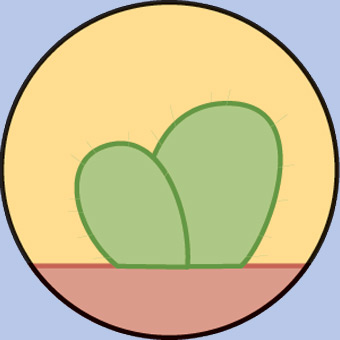
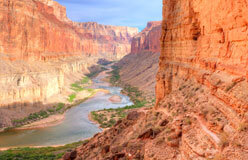
▲ The inner canyon is hot and dry. It’s also not easy to reach. You can only get there on foot, on a mule, or in a boat. The canyon floor is about a mile below the South Rim.

▲ The North Rim is the most distant part of the canyon. It’s also the coldest and wettest. Heavy snowfall is common in the winter, closing much of the area to visitors.