Free
You could take a long hike through almost all the major environmental zones of the world.
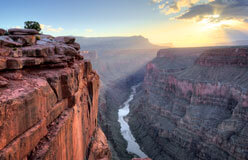
It would be about 3,000 miles, from the Arctic Circle to Mexico! But it would be a lot easier just to hike down into the Grand Canyon.
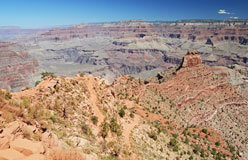
There’s an 8,000-foot difference between the canyon’s highest and lowest places. The highest is on the North Rim, and the lowest is at the western bottom. Freezing temperatures and snow are common in the winter at high altitudes. At the bottom in summer, temperatures often go over 100°F!
The wide variety of climates means the canyon’s plant life is diverse. Even at the same elevation, it can be varied. That’s because some plants may face north in cool, shaded environments. Meanwhile, other plants may face south and be in hot, dry areas.
9,000 Feet
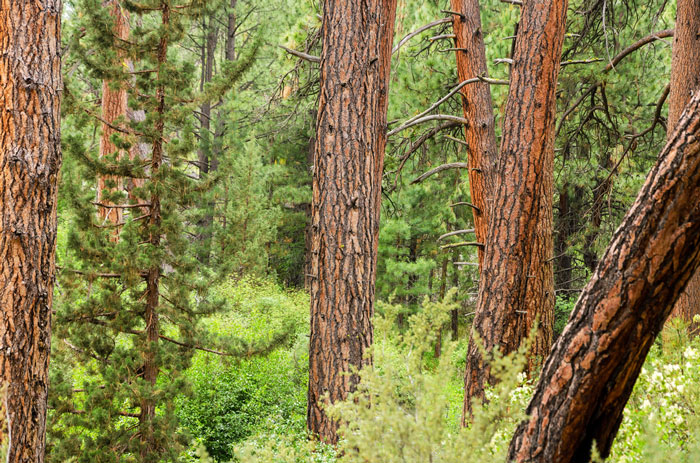
◀ The canyon’s highest elevations are on the north side of the Colorado River. That area is called the Kaibab Plateau. Plant life there is a lot like what grows near the Arctic Circle. It includes spruce, fir, and pine forests. Ponderosa pines can be 600 years old. You can pick them out by the smell of their bark. They smell like caramel, cinnamon, or vanilla, depending on whom you ask! At the upper levels of the South Rim, forests of pine, fir, spruce, and aspen survive.
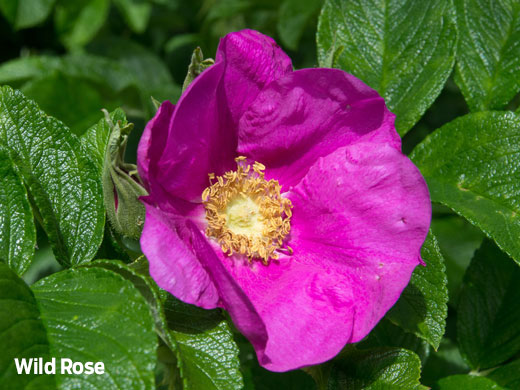
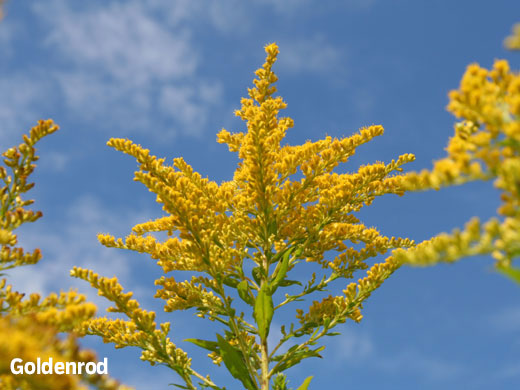
▲ Wild rose, wormwood, and gooseberry live on the forest floor at the top elevations. In areas with more sun, wildflowers grow everywhere. They include goldenrod, sheep sorrel, buttercup, and more.
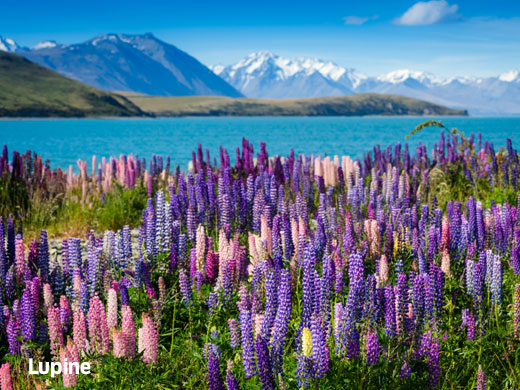
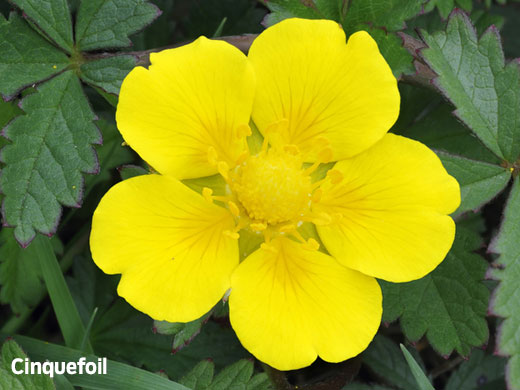
▲ Several kinds of year-round grasses, herbs, and wildflowers grow up high. These plants include lupines, cinquefoil, and yarrow.
6,500–8,000 Feet
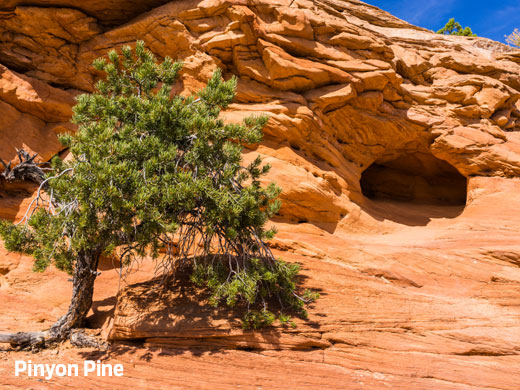
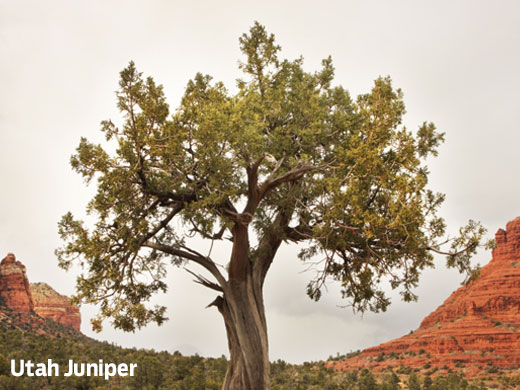
▲ Stunted trees live on both rims between 6,500 and 8,000 feet. Their growth was restricted by rocky soil and lack of moisture. What types of plants can survive in this harsh climate? Some include Utah juniper, Gambel oak, and pinyon pine. The seeds of the pinyon are sold as “pine nuts.”
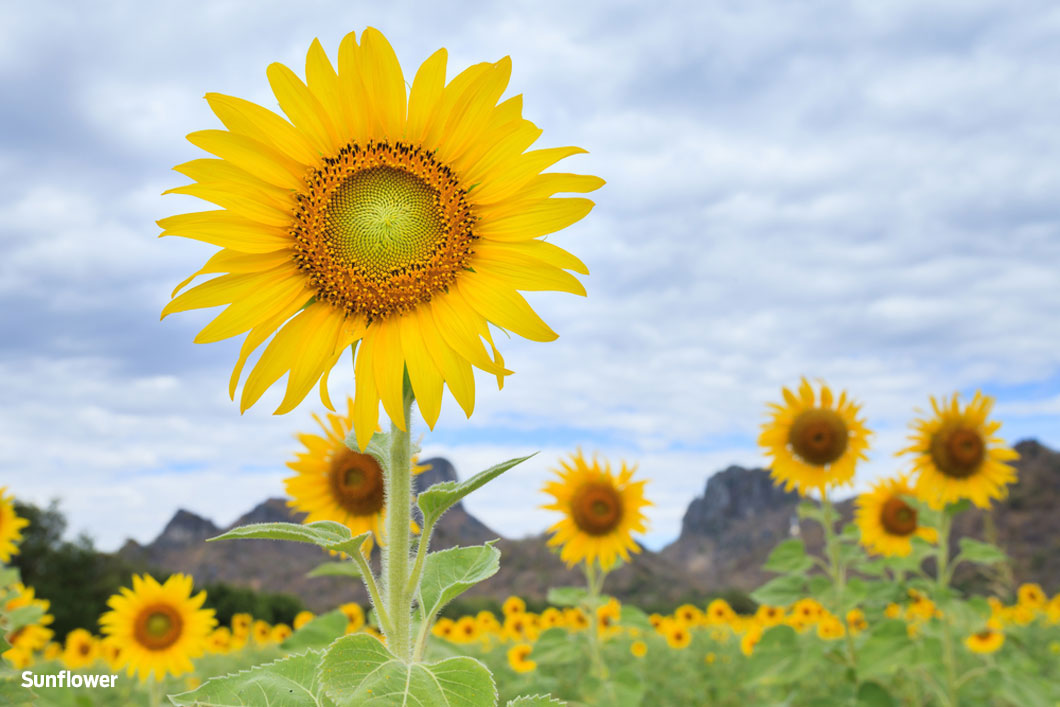
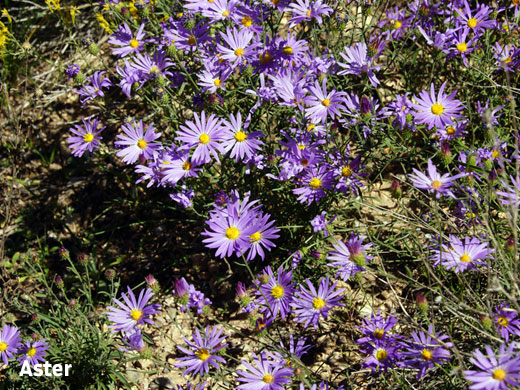
◀ ▲ Many wildflowers bloom between 6,500 and 8,000 feet. These include yellow sunflowers, Indian paintbrush, and asters.
3,500–7,000 Feet
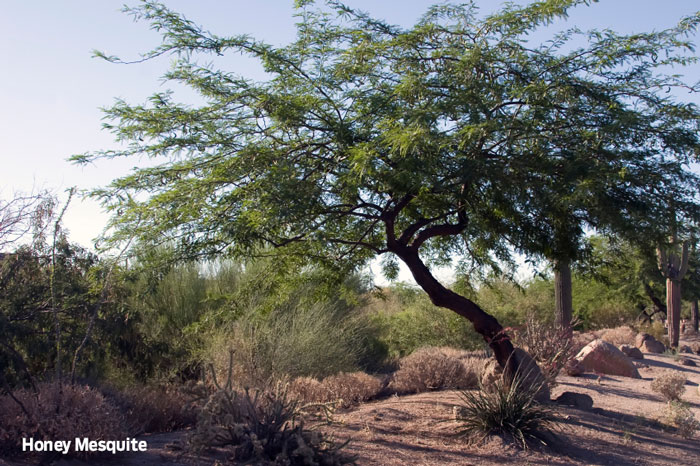
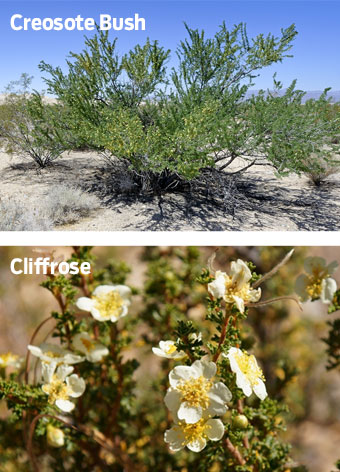
▲ This altitude range has different climates. In higher places, temperatures may drop to below zero in winter and climb to 110°F in summer. There, deciduous bushes thrive. These include honey mesquite, scrub oak, and New Mexican locust. Some berries also grow there, including barberry and serviceberry. Creosote bushes and cliffrose shrubs thrive, too.
Below 3,500 Feet
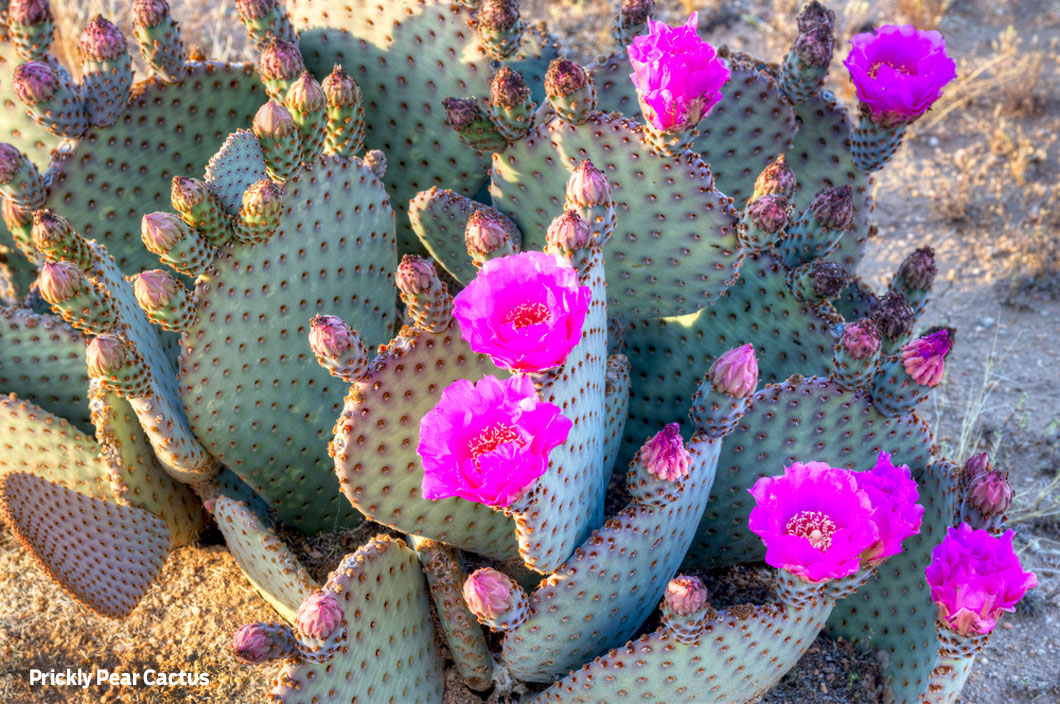
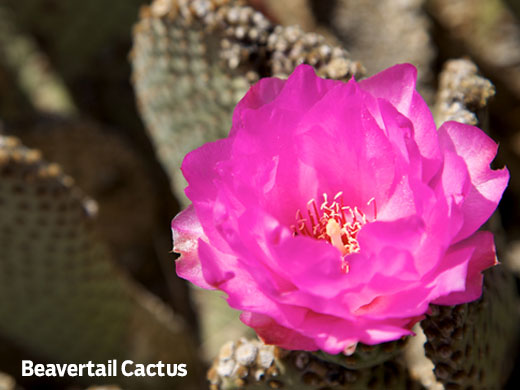
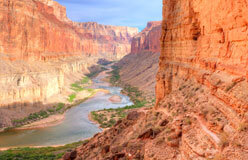
◀ ▲ The lowest parts of the canyon, above the river channel, are dry and desertlike. Only plants that don’t need much water or that can hold water for a long time can survive. Cacti are common here. They have long, spongelike roots and prickly protection. Sweet fruits grow on the prickly pear and beavertail, which bloom in spring and late summer. The fruit has been used to make jams and syrups for centuries. The hairy leaves of sagebrush and the waxlike coating on Manzanita leaves slow down evaporation. That helps these plants survive here. Other desert plants include the catclaw and rabbitbrush.
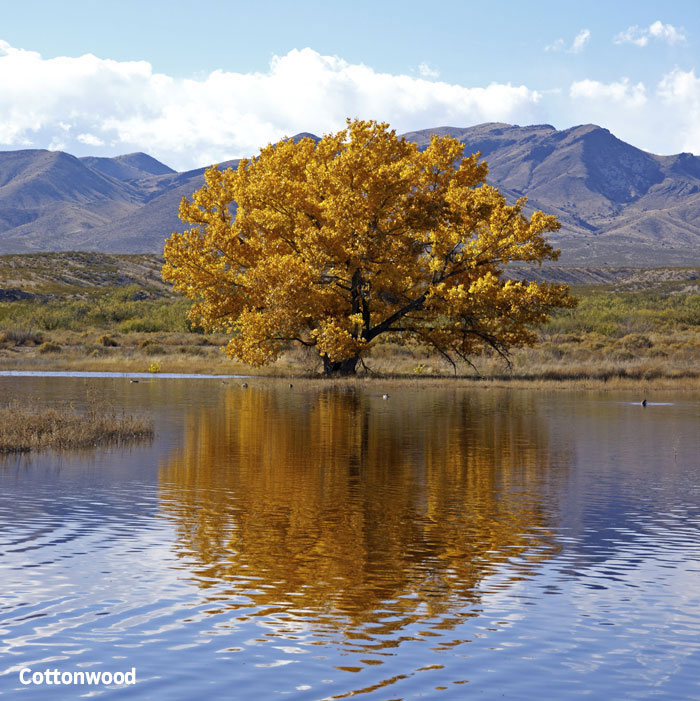
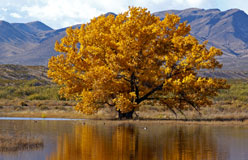
Thirsty shade trees grow on the sandy beaches near the Colorado River. They include cottonwoods, willows, and pink-flower tamarisks. ▶