Free
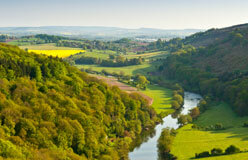
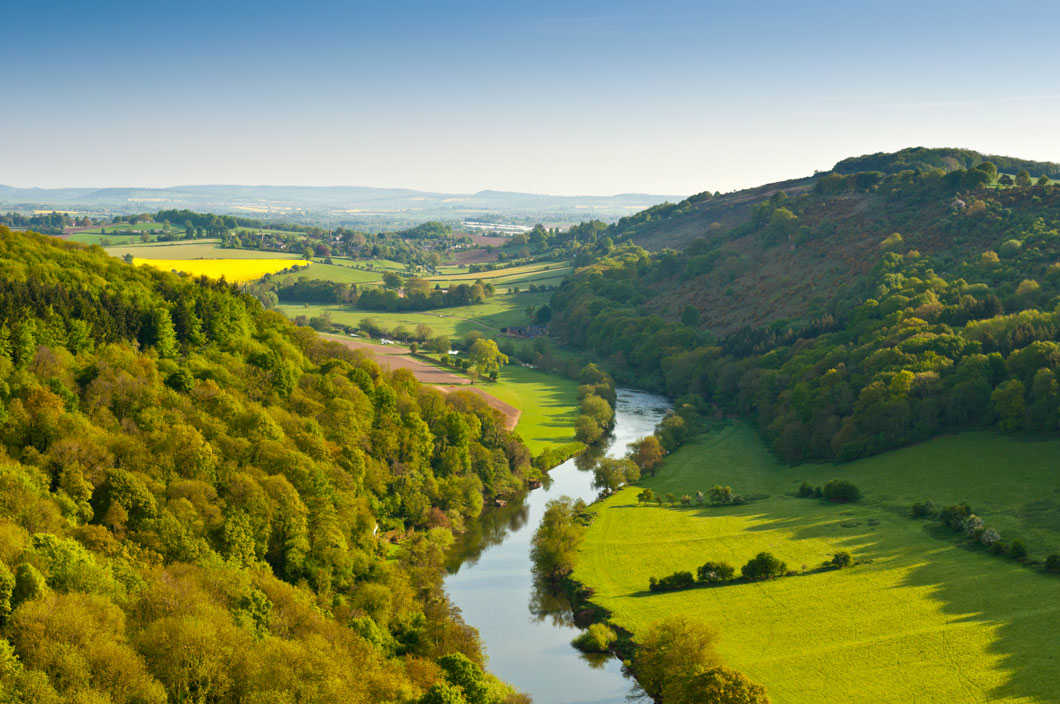
The United States is about half farmland and one-third national parks and forests, according to the most recent census.
The rest is cities, towns, industrial parks, lakes, rivers, and streams.
Right now, the land and water and the creatures living on them are in trouble, and people are part of the problem—we’re using up Earth’s resources too quickly and changing the planet too drastically.
But people are also part of the solution—we can and must take care of our planet. That means taking care of Earth’s land, water, plants, animals, and air. Everyone can help. Conservation is the answer. Conservation is a term we use to describe protecting and managing Earth’s natural resources.
Water
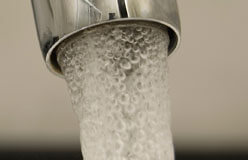
About 70 percent of your body is water. Every day you must take in enough water to replace what your body loses—about two and a half quarts. Some water comes from the food you eat, but most of it comes from water, juice, and other things you drink. You can’t survive without water for more than a few days, but polluted water can make you very sick. In the United States, tap water is cleaned and filtered, so it is safe to drink. But the water in rivers, streams, and lakes is not cleaned and filtered. When these waters become polluted, the fish, animals, and people who depend on them are harmed.
Topsoil
No matter what kinds of food you like, they probably start somewhere in the ground as plants. To grow these plant crops, farmers need good topsoil. That’s the layer of dirt that sits right on top of the Earth. When it’s rich in minerals and other nutrients, plants can grow and stay healthy in it. But keeping rich topsoil isn’t easy. Many farmers protect their topsoil by planting rows of trees around the edges of fields. These rows are called windbreaks, and they shield the land from strong winds that might blow away the nutrient-rich soil.
Trees
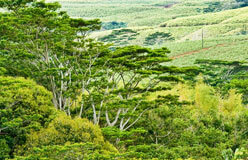
Trees do so many things for us. You know they protect topsoil, provide shade, give us places to climb and swing, and maybe even produce fruit. But did you know that in a year’s time, one tree gives off enough oxygen for a family of four? At the same time, it removes carbon dioxide from the atmosphere, which helps cool the Earth. Trees also suck up water from the soil and release much of it into the air. By adding moisture to the air, trees help prevent drought. It’s no wonder America’s parks and forests are protected lands.
Air
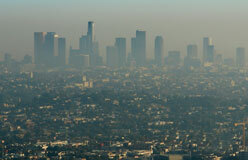
People talk about clean air like it’s some nice goal, but it’s more than that—it’s essential. You breathe air every minute of the day and night. Your body needs the oxygen the air contains—not the dust, smoke, fumes, or any of the other tiny particles that might be floating in it. Pollutants like these can damage your lungs and make it harder for them to work properly.