Free
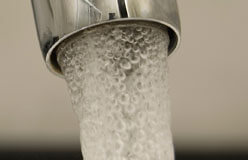
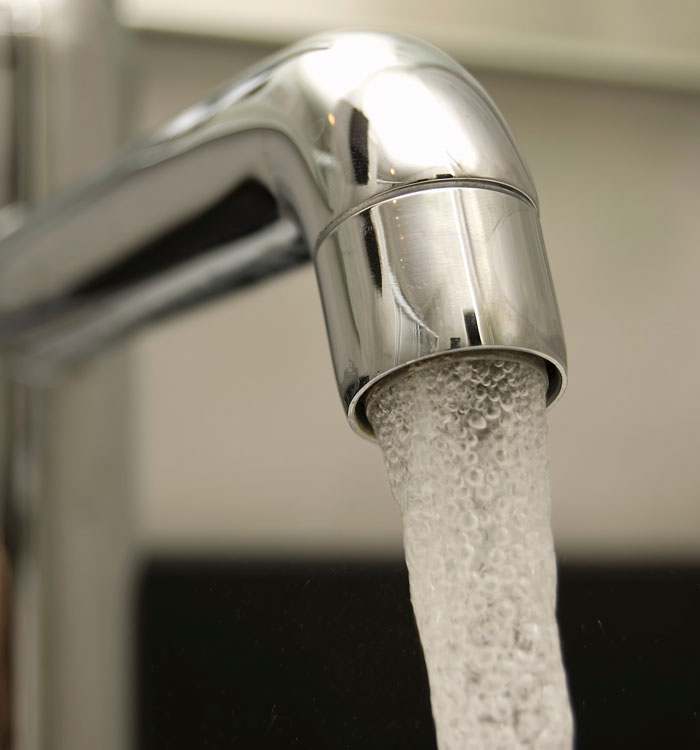
You probably drink water every day. But you also use lots of water in non-drinking ways.
Probably about 100 gallons every day—for washing, cooking, and other things. That’s about how much you’d use in four five-minute showers. Your personal water usage gets even higher if we count the water needed to produce the things you use and food you eat. For example, about 150 gallons of water go into making one loaf of bread. That’s also how much water it takes to make enough paper for one Sunday newspaper. To make one new car requires over 39,000 gallons of water! Every year, Earth’s population grows, and we need even more water. Yet, Earth has only so much water, and we cannot make more, so we must conserve the water we have.
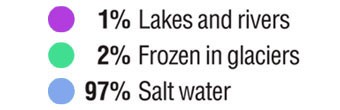
▲ It looks like there’s a lot of water on Earth. In fact, two-thirds of this planet is covered with water. But only about 1 percent of that water is even close to drinkable. Another 2 percent is frozen in glaciers. Those are like huge ice cubes, and they’re mostly at the North and South Poles. The rest of the water—97 percent—is salty seawater. Desalination means taking the salt out of seawater. It has been around since the time of Aristotle, in the fourth century B.C. There are basically two ways to do it. One is to boil salt water and collect the steam, which has no salt. The other way is to move the salt water through a filter that takes out the salt. The largest desalination plant in the world is in Israel. It provides 20 percent of the country’s fresh water.
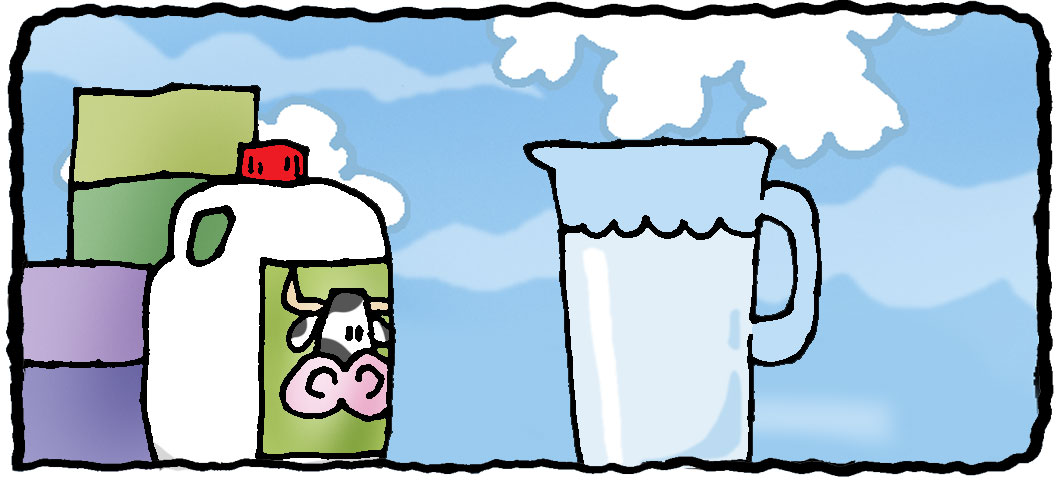
If all Earth’s water were put in a bottle...
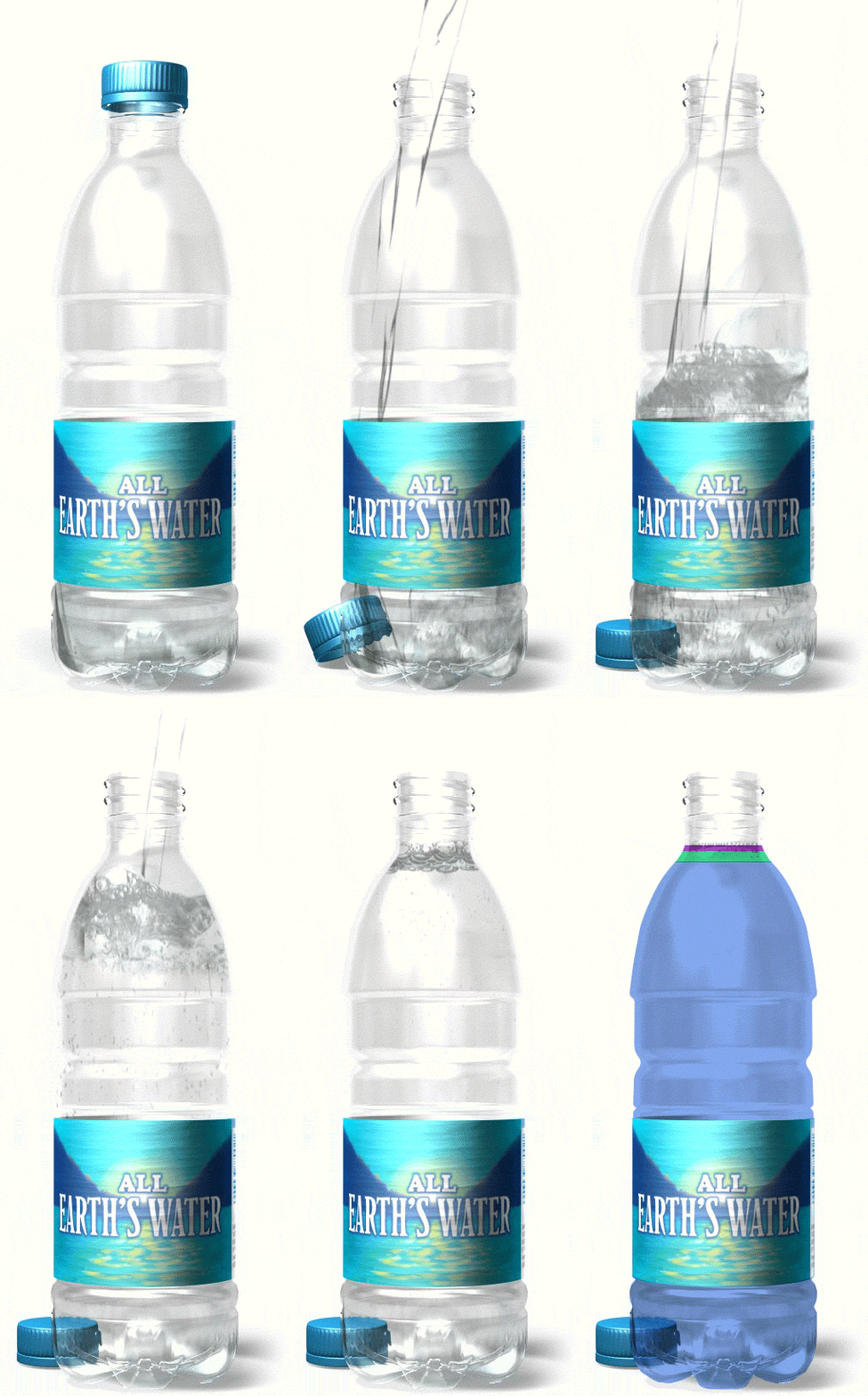
The water on Earth comes from rain, snow, and other forms of precipitation. However, it doesn’t rain or snow every day. For people to have the water they need—and that means you—it’s important to use water wisely. ▼


Five Ways You and Your Family Can Save Water
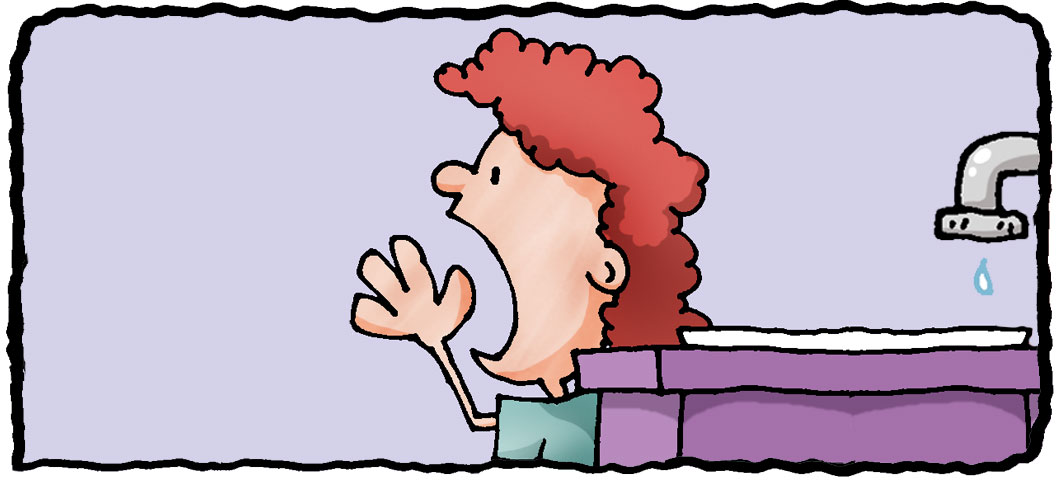
Turn off the water while you brush your teeth.