Free
To sustain something means to keep it in existence.
When we talk about resources, sustainability means living today in a way that will let people meet their needs in the future. For example, look at paper and paper products. They are usually made from trees. Sure, new trees can be grown. But if people use up so much paper that we cut down trees faster than new ones can grow, then our use of this resource is not sustainable. Also, it takes a lot of water and fuel to turn trees into paper—and then to get that paper to you.
Today, trees are not in danger of being used up, but other resources are. We have a long way to go before we get to sustainability, but change is happening.
Energy
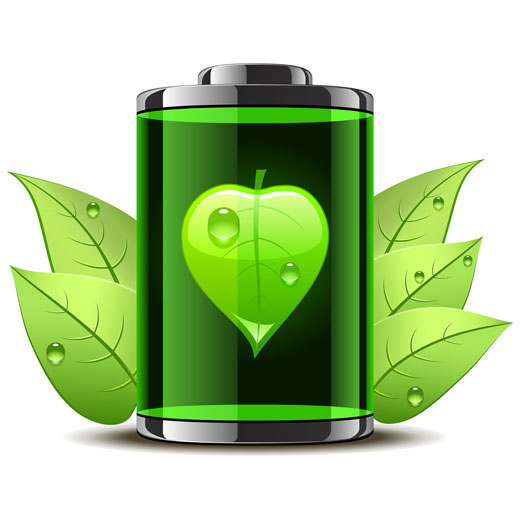
◀ A U.S. research team has developed a battery that runs on sugar. This “bio-battery” is cheaper to make than other batteries. It is also refillable and, unlike most batteries, it is environmentally friendly. According to one scientist, it could be powering our electronic gadgets within three years.
Transportation
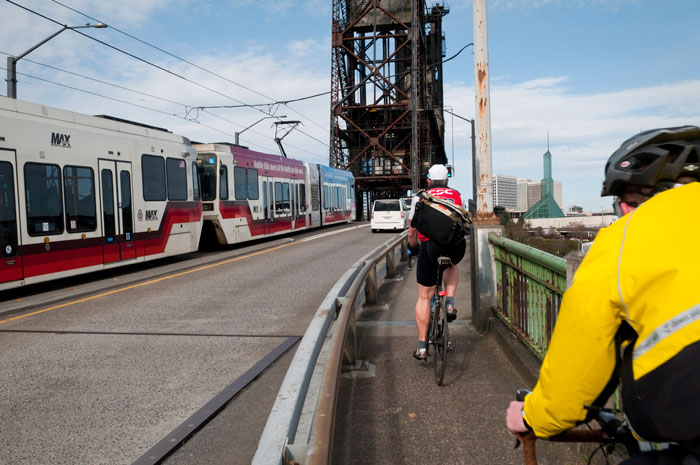
◀ To promote cycling and commuting by bike, many cities encourage bike-sharing. The programs let you rent bikes for short rides. You can pick up a bike at one place and drop it off elsewhere. New York City’s program is one of the largest. It has 6,000 bikes and 330 parking stations.
Food
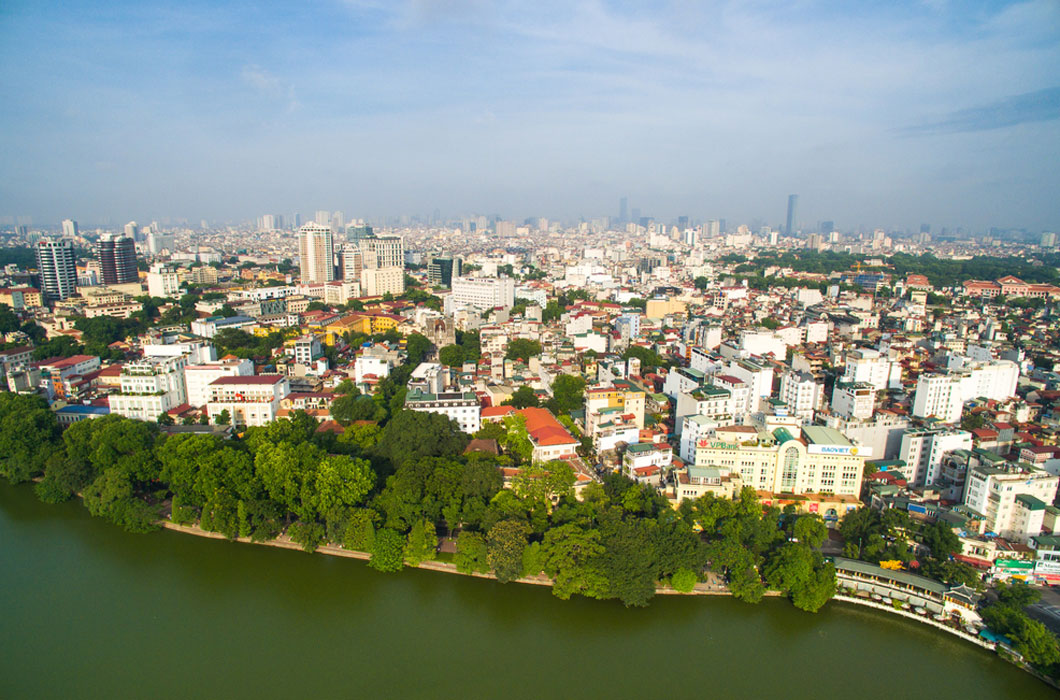
▲ Over 10 percent of the world’s food is now grown in cities. In Hanoi, the capital of Vietnam, 80 percent of the fresh vegetables come from farms in the city. So does 50 percent of the eggs, pork, and poultry.
Water
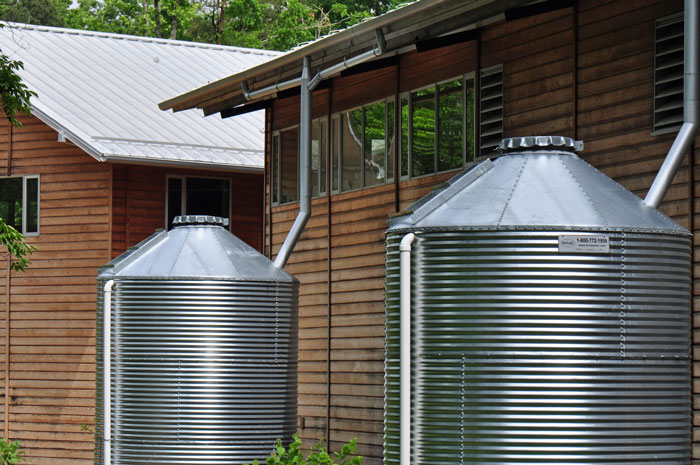
▲ Some people pay for water, but others just save it when it falls from the sky. In Bowral, Australia, people gather 70 percent of the water they need in rainwater tanks attached to houses.
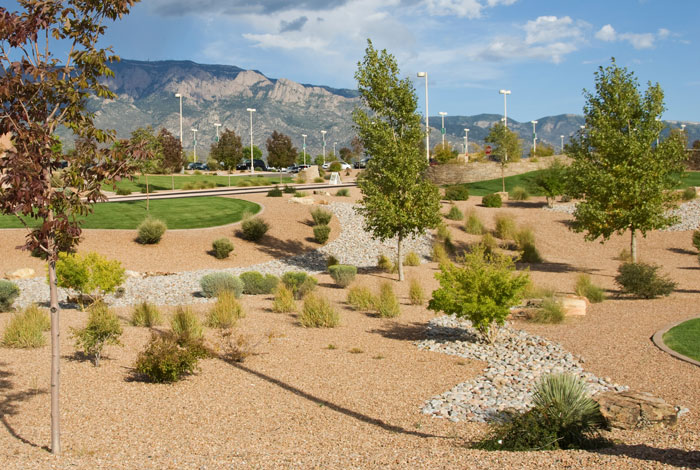
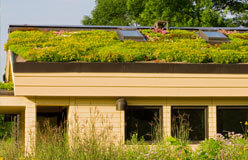
◀ More and more people in dry areas want to conserve water and power. Xeriscaping saves water and protects the environment. It uses plants and trees that are native to the area. It also uses plants that don’t need much water.
Architecture
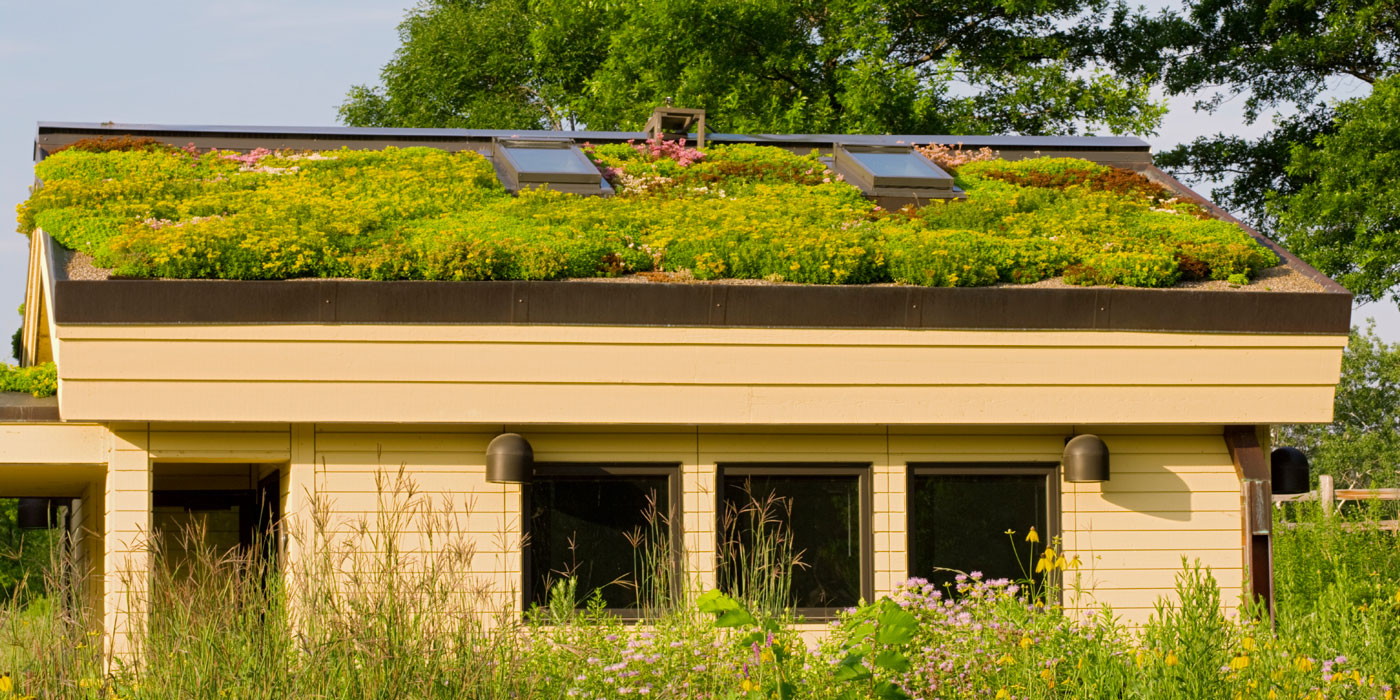
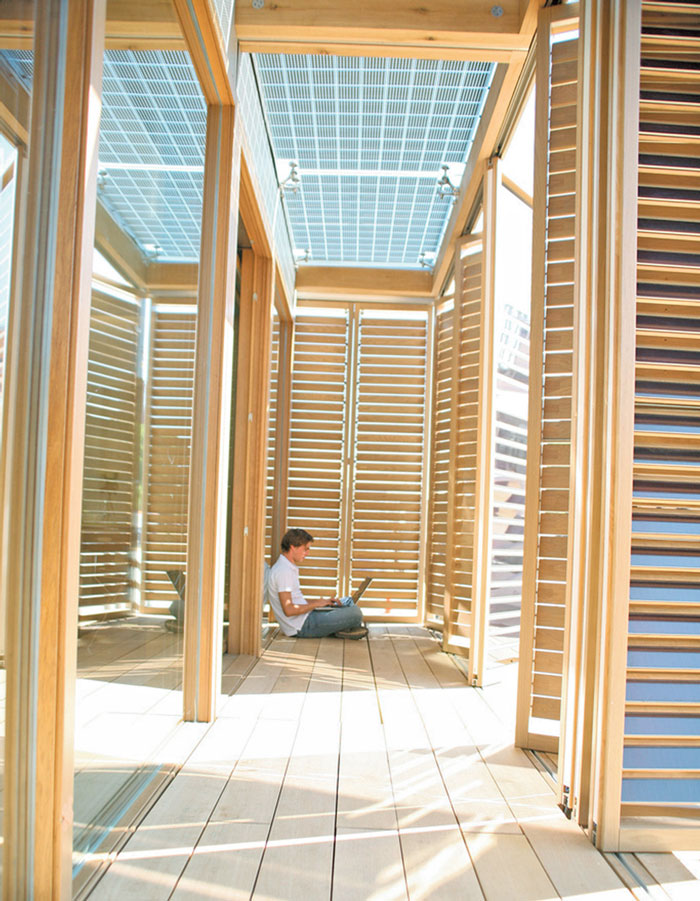
More homes that run totally on solar energy are being developed and built around the world. These homes also produce enough energy to power an electric vehicle. ▶
City of the Future?
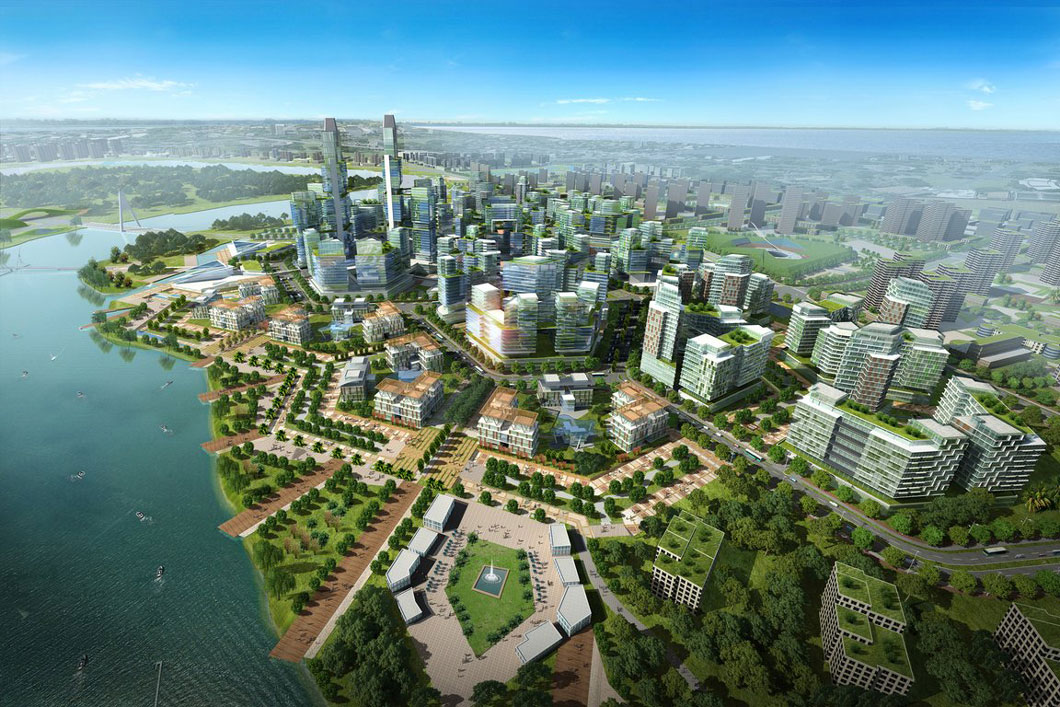
▲ Today, half of Earth’s people live in cities, and more people are moving to cities daily. City dwellers use 75 percent of all the resources consumed, even though they live on just 2 percent of Earth’s land. Can cities be designed to use fewer resources? Planners in Tianjin, northern China, believe they can. Tianjin Eco-City will be about half the size of Manhattan, and all its energy will come from wind, solar power, biofuel, and recycled waste. Lots of bike lanes and footpaths will help make cars (and their fumes) unnecessary. Buses will be free and electric. When the city is finished in the 2020s, it will be home to 350,000 people. But Tianjin Eco-City is just one place. Until all cities have programs to help conserve energy and resources, we need to do whatever we can. So let’s all reuse, reduce, recycle, and conserve Earth’s resources. We only have one planet, after all.