Free
Habitat is where a plant or animal lives.
Your habitat is probably a house or an apartment. Trees, plants, rocks, soil, and water are habitats for many other animals. When we clear away trees and other plants to make room for people, animals and plants lose their habitats. Building cities, homes, roads, and highways all cause habitat loss. So does clear-cutting forests to sell the lumber or farm the land. Loss of habitat is made worse by drought and other effects of climate change. When plants and animals lose their habitats, they may become endangered. They may even become extinct. We say that a plant or animal is endangered if there are very few of them left. If all of them die, we say it has become extinct.
Rain Forests
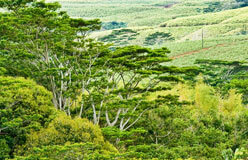
Rain forests used to cover a huge amount of the Earth. But now they are being destroyed at a scary speed. Logging, farming, grazing, and mining all wreck rain forests. Every second, a section of rain forest the size of a football field is cut down. Every year, an area twice the size of Florida is destroyed. At this rate, in 50 years, there will be no rain forests left on Earth! ▼
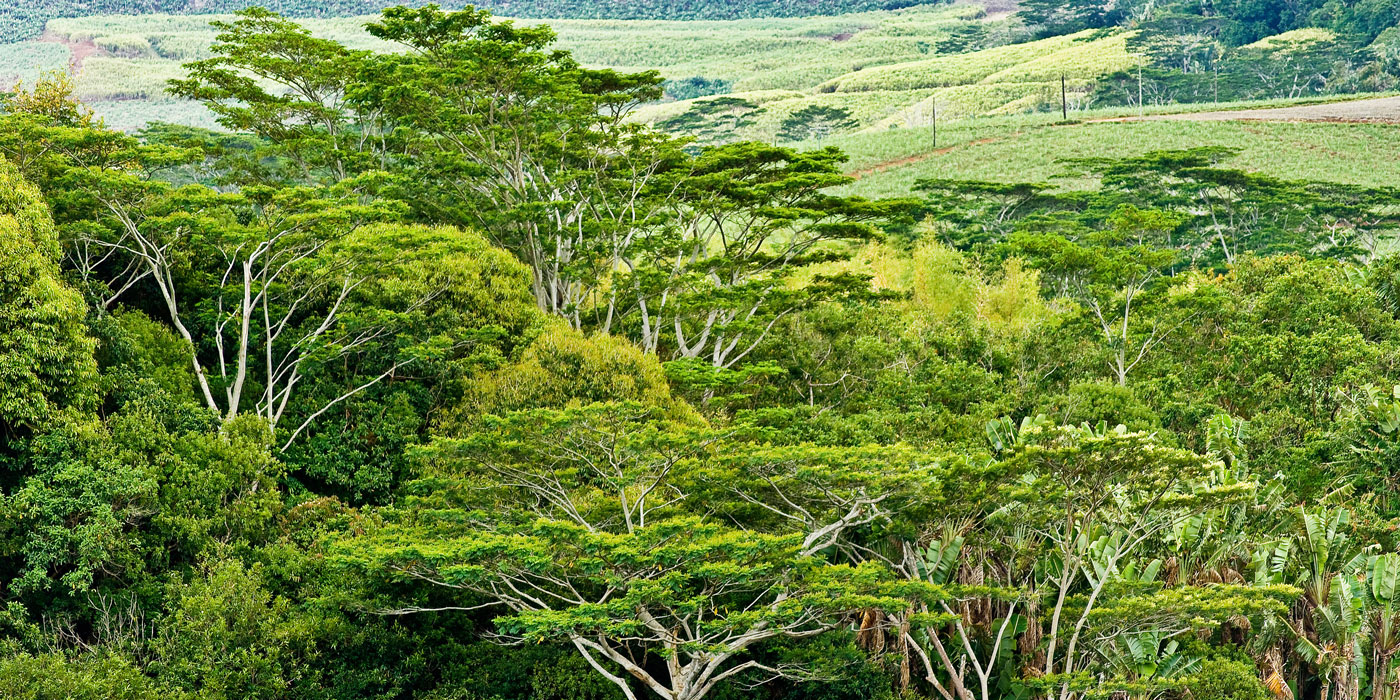
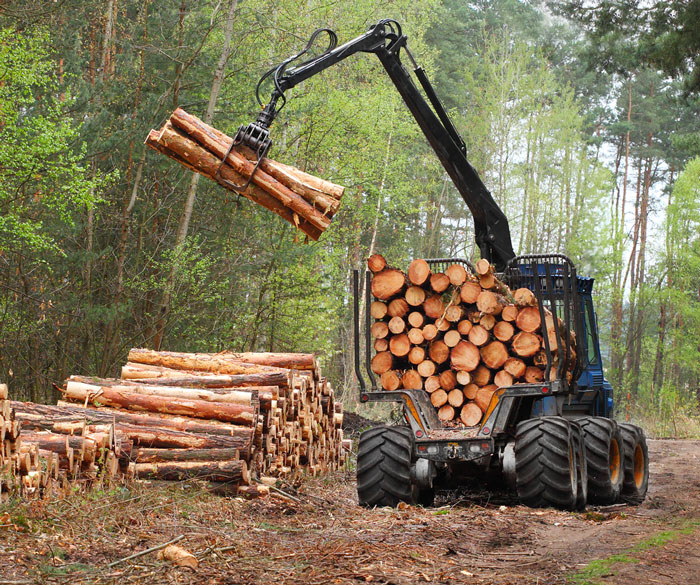
◀ Today, groups such as the Rainforest Alliance are trying to save these precious areas. They work to find ways to use the resources of the rain forest without destroying it. They work with farmers, loggers, and people in other businesses.
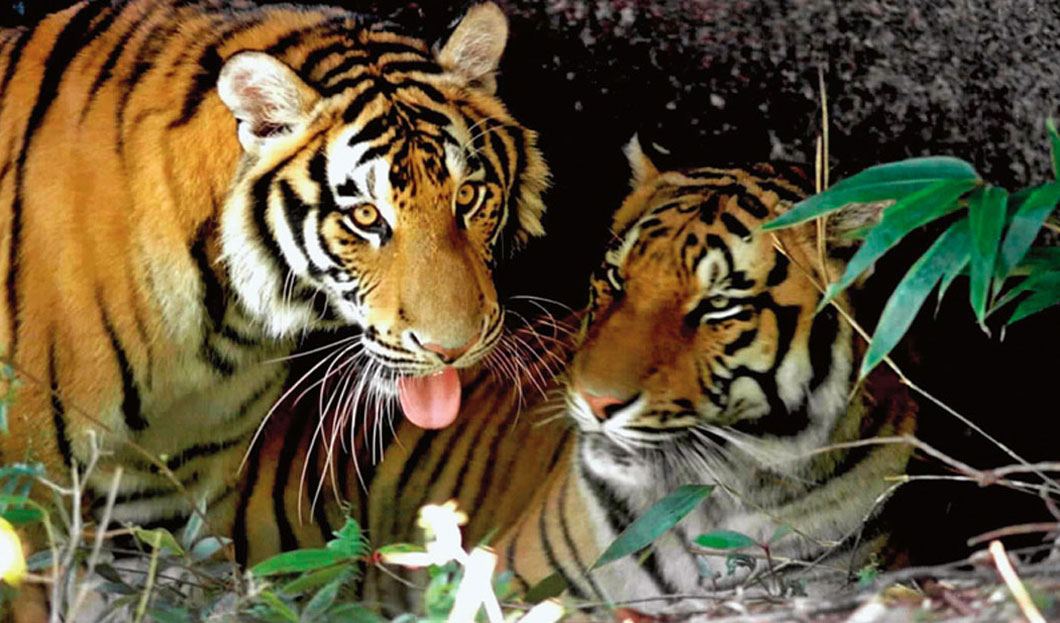
▲ No South China tiger has been seen in the wild in 20 years. Scientists think fewer than 20 are still alive in the wild, and only 50 are left in captivity. Such low numbers mean this tiger is critically endangered. In fact, it is close to extinct. Three other types of tigers are already extinct. In just over a century, 97 percent of all tiger subspecies have been lost to hunting and habitat destruction.
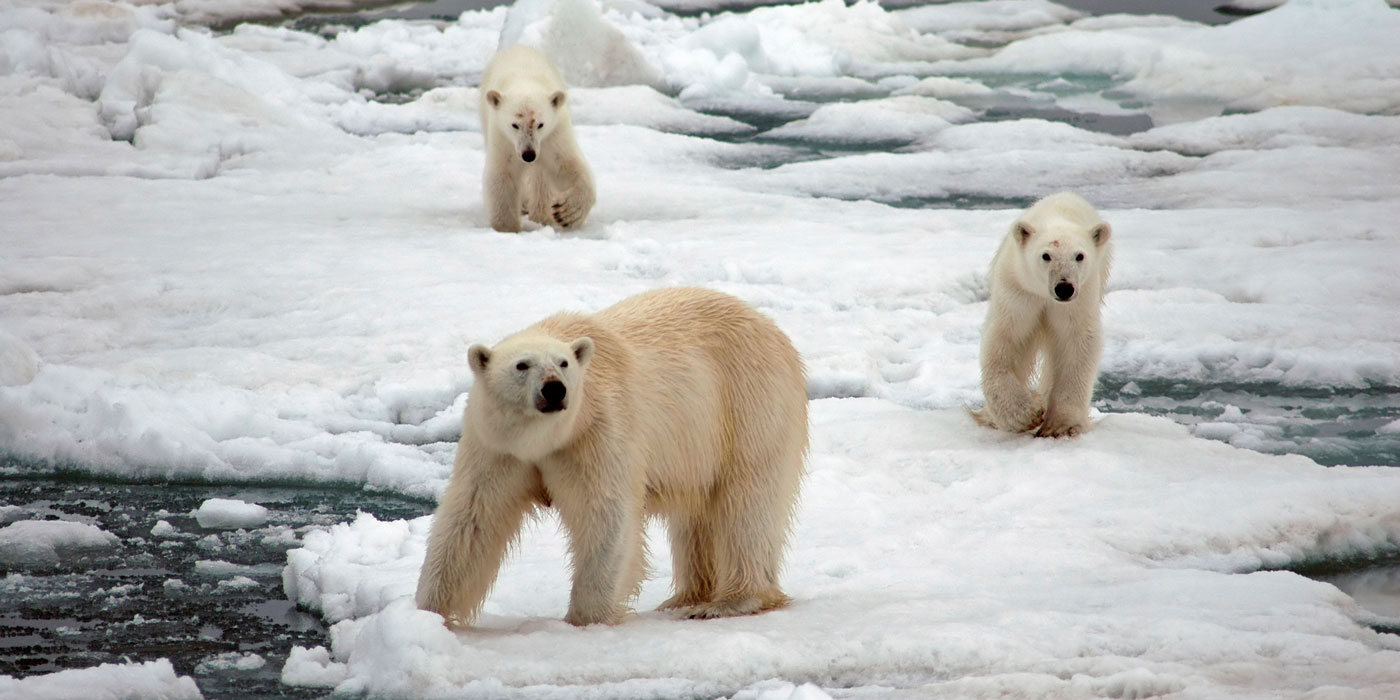
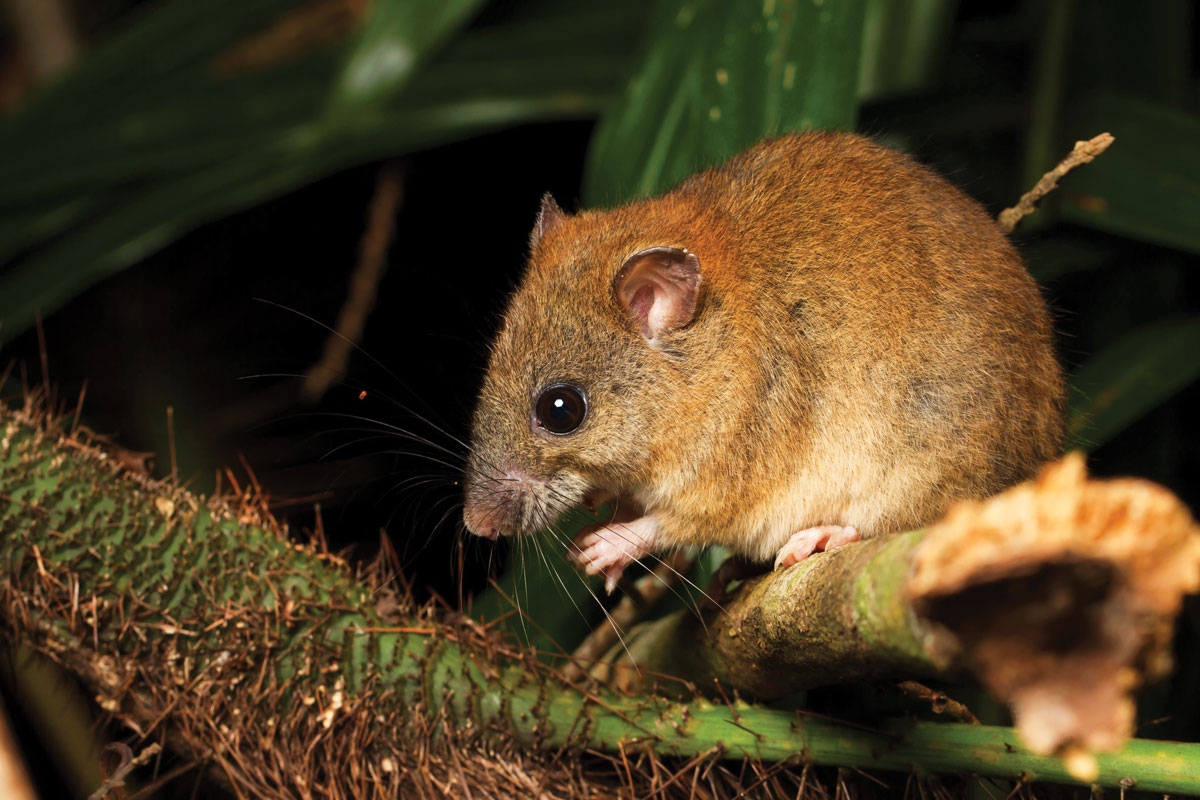
▶ Polar bears struggle to survive in their changing environment. But a small rodent has already lost the battle. The mosaic-tailed rat lived on a tiny island near northern Australia. In February 2019, it became the first mammal officially listed as extinct due to human-produced climate change. Global warming causes sea levels to rise. As a result, the island where the rodents lived floods often. The flooding destroyed the rodents’ habitat. So they couldn’t survive.
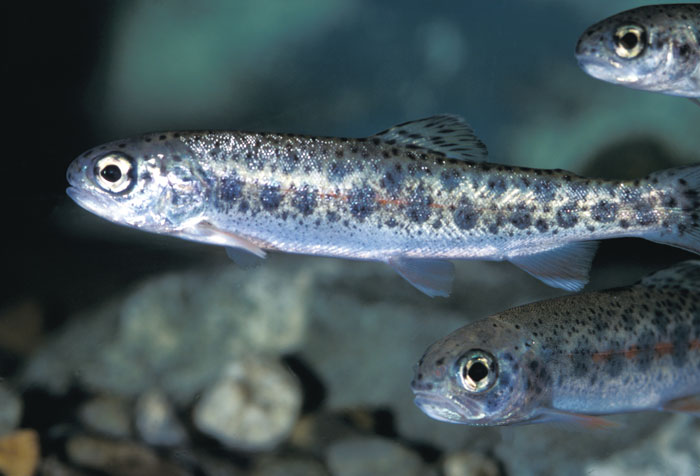
◀ This fish lives off California’s coast, in the ocean. When it’s ready to mate, it swims up freshwater streams. But the steelhead trout is endangered. Why? People are putting too much sediment into the rivers. And we’re taking too much water out of the streams for agriculture, homes, and industry. Result? The rivers and streams are drying up. In addition, dams on the rivers control flooding and erosion. That might be good for people, but the dams keep fish from swimming upstream to the places where they mate.
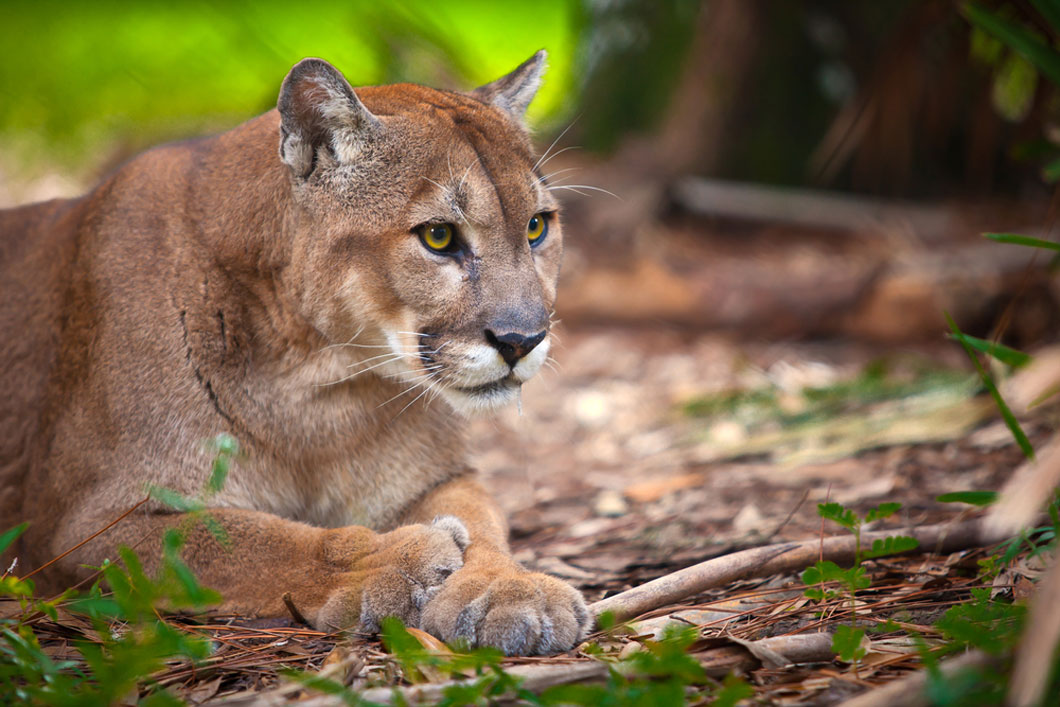
▲ Only about 100 Florida panthers remain in the wild. These animals live in hardwood and pine forests. They also live on prairies and in marshes. With more and more people moving to Florida and to other nearby states, the Florida panther has lost much of its habitat. That is why it is endangered. Luckily, the Florida Panther National Wildlife Refuge is having success in helping the population of panthers rebound.
Your Part
Here are some things you can do to help plants and wildlife.

▲ Pet waste has bacteria that can threaten fish and wildlife. Clean up after your dog. That way, its waste can’t drain into lakes, rivers, and streams when it rains.
▲ Never disturb the natural habitat of plants and animals. Don’t pick wildflowers or try to make wild things into pets.
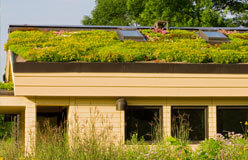
▲ Gardens are good for butterflies, birds, and bees. They provide habitats to replace those taken away by buildings, streets, and parking lots. Talk to people at home or to your teacher about planting one!