Free
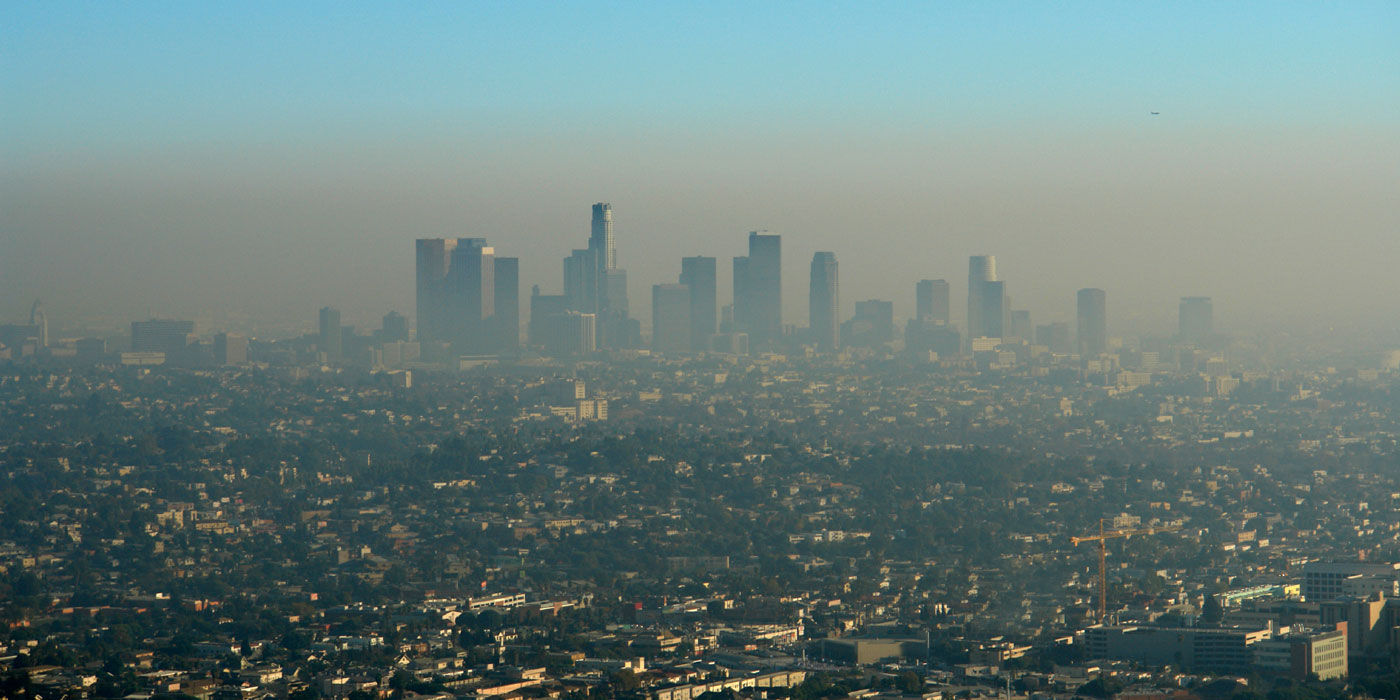
Air pollution has many sources.
Indoors, air pollution comes from dander (tiny scales shed from animal skin or hair), aerosol sprays, paint, and ordinary dust. Outdoors, air pollution comes from the exhaust fumes of cars, trucks, and buses. It also comes from factories, where pollutants are forced out by fans and other means. Over the last hundred years, air pollution has gotten worse and worse. But people are working in big and small ways to conserve the quality of our air.
Pollution Problems
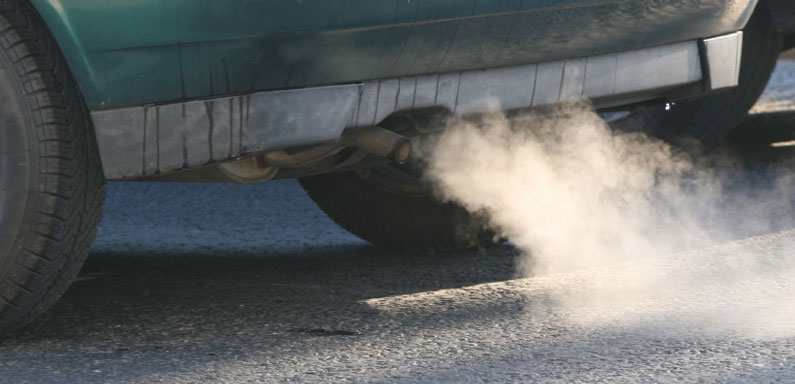
◀ Most cars run on gasoline, which is a fuel made from petroleum. Fumes from the exhaust engines of these cars are a major source of air pollution. To reduce pollution, we need alternative types of fuel.
Solution?
Ethanol
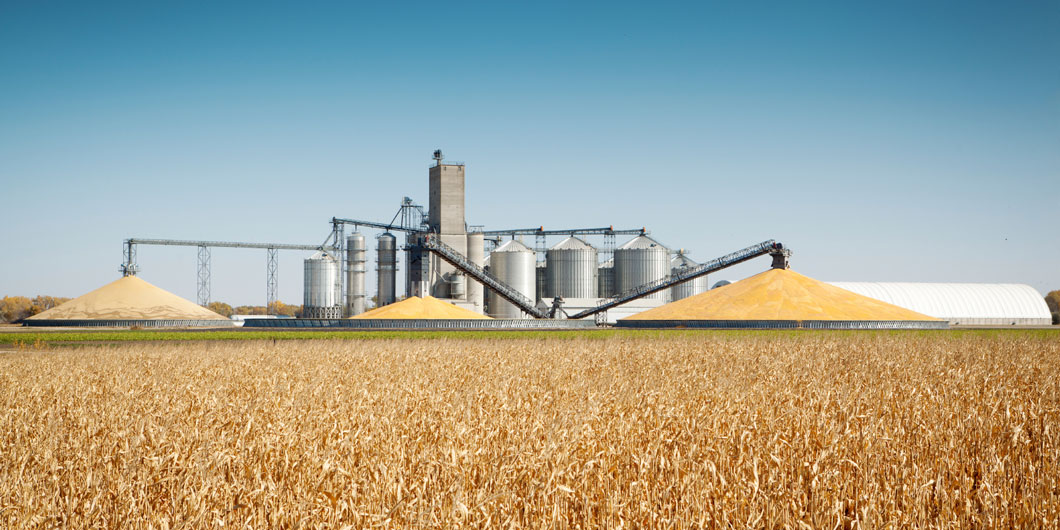
One possible alternative fuel is ethanol, which can be made from corn. Ethanol is a step in the right direction, but it is also controversial. ▼
The Plus
On the plus side, cars that use ethanol cause less air pollution. In addition, ethanol is a renewable resource. Petroleum will be used up eventually, but farmers can plant corn year after year.
The Minus
On the minus side is the amount of energy needed to grow, harvest, and process corn into ethanol. Some experts calculate that more energy is needed to make ethanol from corn than the fuel provides. Plus, planting the same crop over and over, which is done in order to provide enough corn, robs the soil of nutrients. Producing biofuels (gas or liquid fuel from plant material) in developing countries diverts land use away from the important job of producing food.
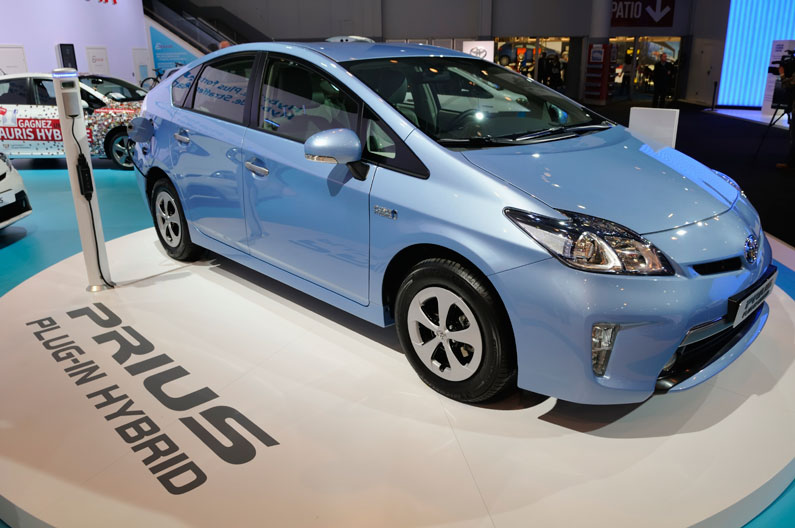
Several types of cars, called hybrids, use a mix of ethanol and gasoline. But not all hybrids use ethanol. Some hybrids use gasoline plus electricity from a battery. ▶
Solution?
Wood Chips
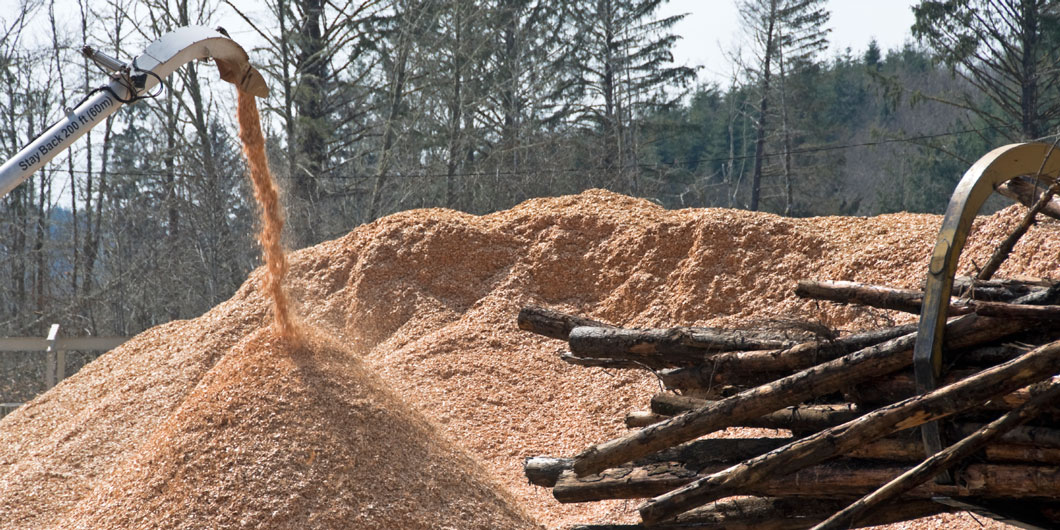
We can make ethanol from pine chips, needles, cones, and bark—any waste left over from logging. ▼
The Plus
It’s great to use materials that would be thrown away anyway, and the process itself does not use a lot of energy.
The Minus
The process is very slow.
Solution?
Alternative Power
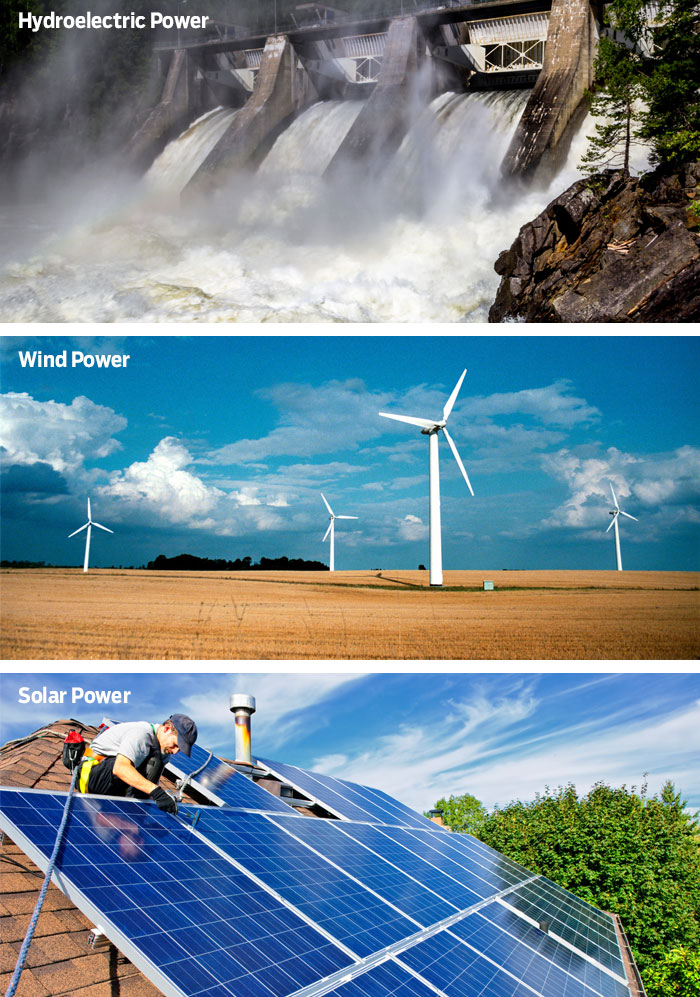
We use electricity to light our homes, streets, buildings, and factories. We also use electricity to power our factories. Coal and oil produce more than half the electricity we use. Not only are these resources nonrenewable, but they also send tons of carbon dioxide into the air every day. In many parts of the United States, the use of water, wind, and solar power is increasing. Renewable energy sources help make our skies cleaner. ▼
Your Part
You can help keep the air clean by reducing the amount of oil and coal needed to keep you going. That means:
▲ Walk or ride a bicycle whenever you can. Go by bus or other public transportation, if necessary.

▲ When you need to travel by car, suggest helping your parents organize a car pool.
▲ Use less electricity. Turn off lights as you leave a room. Turn off TVs, computers, DVD players, and video games when you’re not using them. Don’t stand in front of an open refrigerator staring at the food!