Free
You’ll never meet a polar bear in a desert, and there’s a good reason for that. Polar bears are built for cold places.
For example, their thick fat and heavy fur help keep heat in their bodies. Polar bears are really, really good at staying warm. They’re so good at it that they can get overheated even when temperatures are cool.
Animals and plants adapt to the climates where they live. Read on to see how some living things deal with extreme climate conditions.
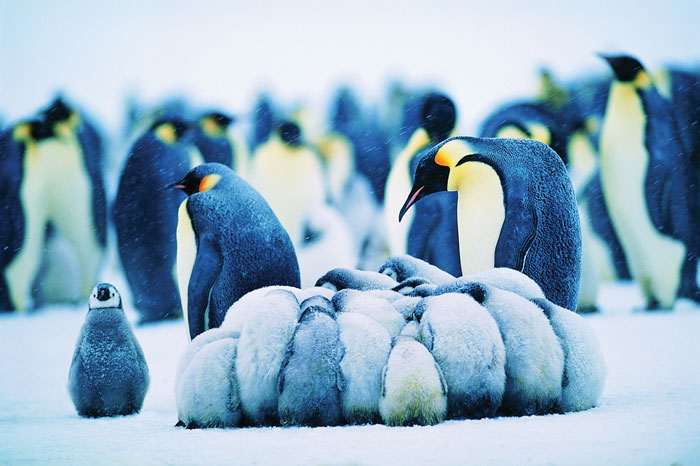
◀ When it comes to surviving cold weather, emperor penguins are the champions. They can stand temperatures as low as –80°F with winds up to 120 miles per hour. Thick layers of fat and feathers, which hold in heat, help a lot. But they also help each other. Penguins keep warm by huddling together. Snuggling in a group can cut body-heat loss in half.
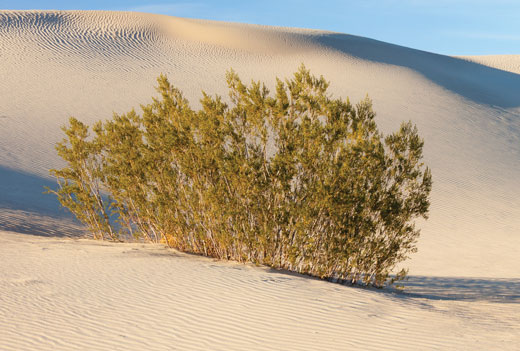
The roots of the creosote bush put out chemicals that keep other plants from growing nearby. This cuts down on competition for water and nutrients. ▶
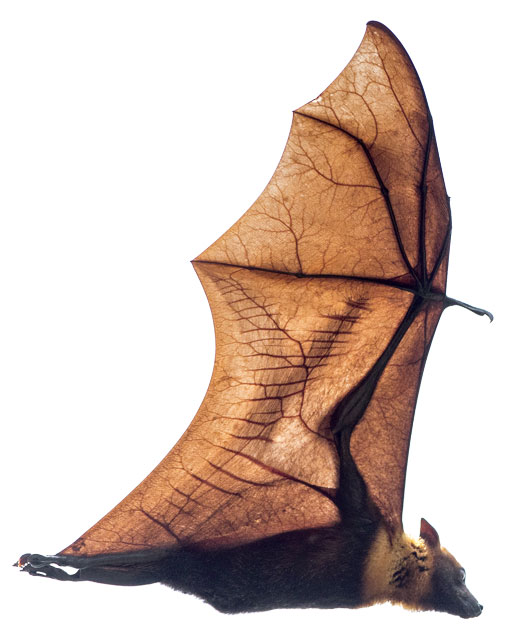
◀ Some bats sleep all winter, and others take off. For example, the red bat spends the fall gobbling insects and storing up body fat. Then it hibernates through the winter. Animals hibernate to conserve energy, which is important in winter, when food is hard to find. The greater long-nosed bat (left) has a different way to survive winter. It flies off to sunny Mexico. In spring, this bat migrates back north to Texas or New Mexico.
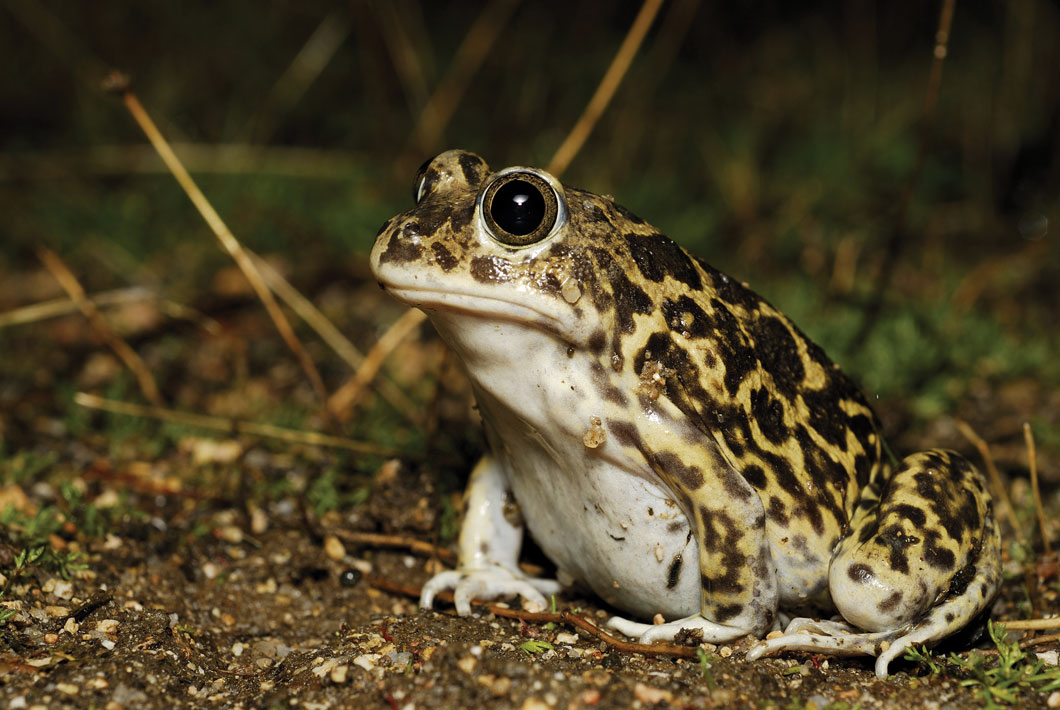
▲ A spadefoot toad hides deep underground in dry months. When it hears a thunderstorm, it comes out. Then it quickly finds a pool of rainwater where it can lay eggs. Just 48 hours later, the eggs hatch into tadpoles. Over the next 10 days, the tadpoles become toads – just in time to hop away before the rainwater dries up!
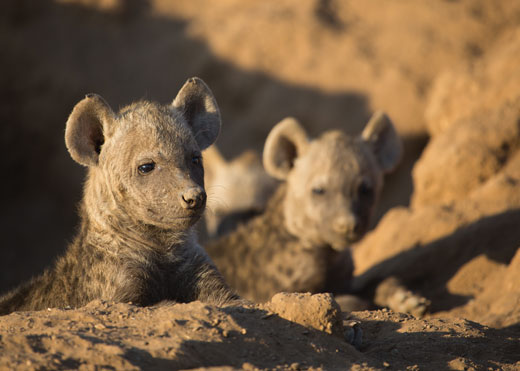
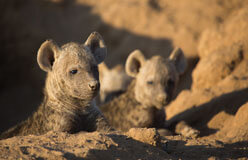
▲ A burrow is a great place to beat the desert heat. It also keeps critters warm on cold desert nights. Some desert species come out of their burrows only around sunrise and sunset, like these spotted hyena pups.
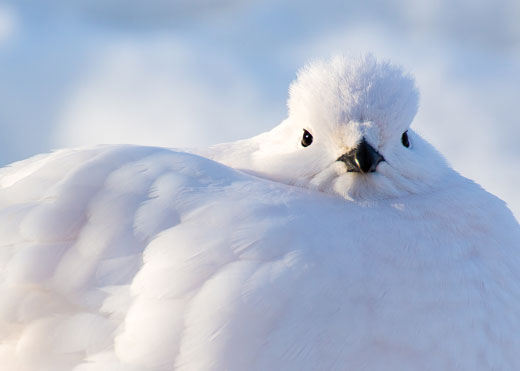
▲ The ptarmigan is a very feathery bird. It even has feathers on its feet and in its nostrils! Feathers, like fur, are a great insulator. They act like a thick winter coat to keep heat in and cold out. When the temperature gets really chilly, the ptarmigan flies straight into a snowbank, making a tiny snow cave to protect itself from cold winds.
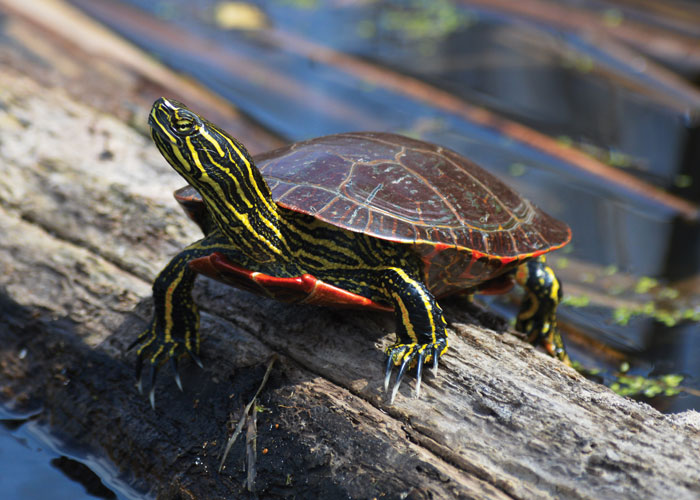
▲ This painted turtle basks in sunlight to warm up. If it starts to overheat, it slips into the cool water. The turtle has a secret weapon for fighting extreme freezing temperatures. Its body creates an antifreeze that keeps ice from forming inside it.
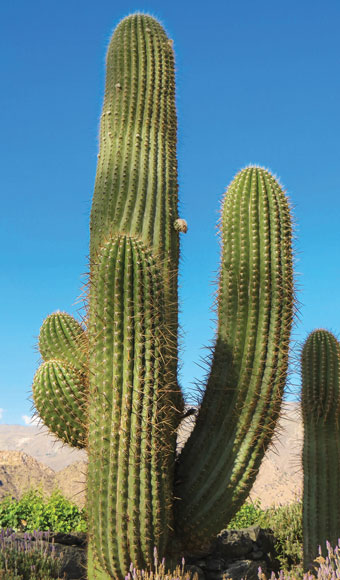
▲ Cacti have large root systems. These roots quickly soak up water when a rare desert rain falls. The plants’ thick, waxy skin keeps the water from evaporating.
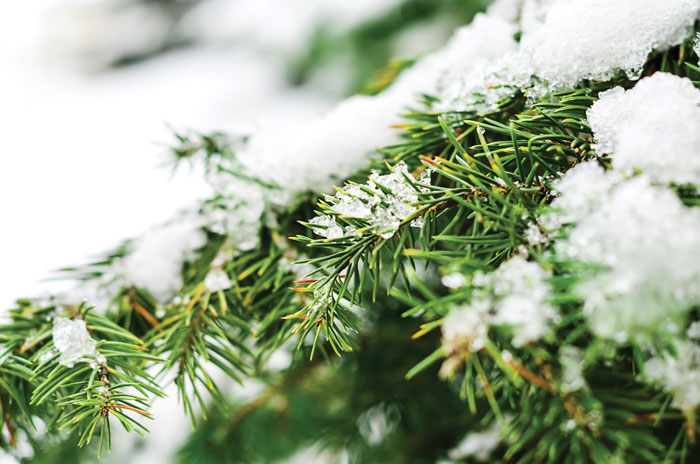
▲ A spruce’s cones and thin needles shed snow easily. Like all evergreens, the spruce tree keeps its needles all year. That lets it use the sun’s energy to make its own food (photosynthesize) in spring.
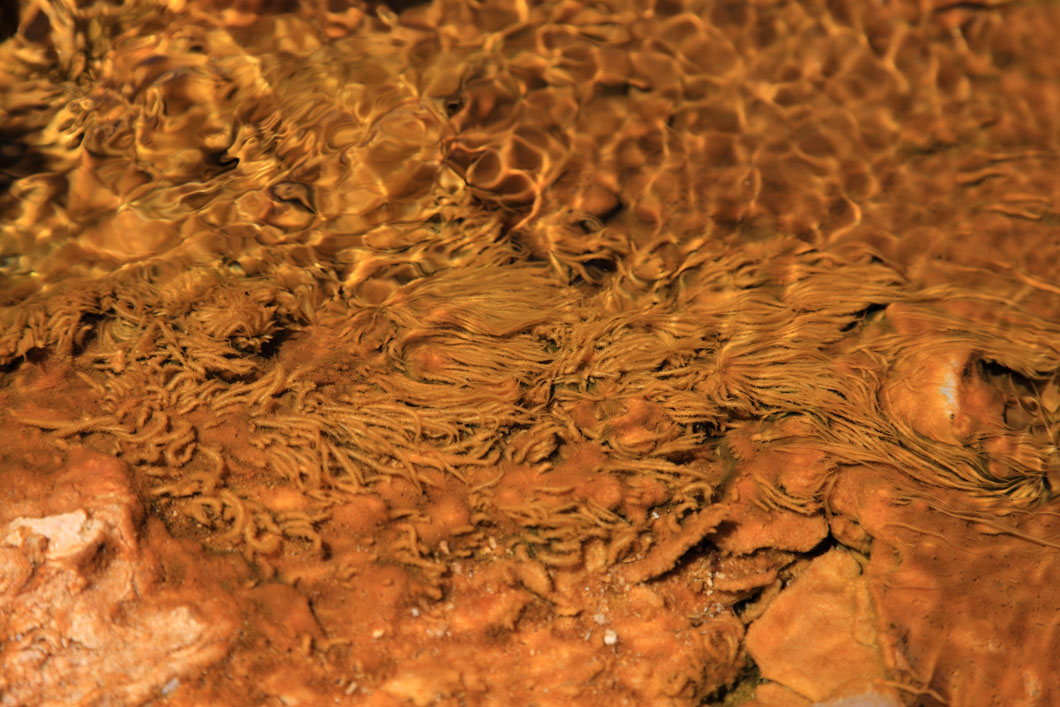
Microbes are very tiny organisms, or living things. Some have adapted to live in environments, or places, where nothing else could survive. Scientists call them extremophiles. That name means they love living in extreme conditions. Some like extreme cold, while others like extreme heat – even boiling water! This colony (group) of extremophile microbes lives in hot springs in Yellowstone National Park.
Learn More!