Free
Imagine that you tell your friends you live near the coast. They may show up with swimsuits and towels!
Just say the word “coast,” and the beach comes to mind. But there are many types of coasts besides beaches. And there is much more to this region than just the edge of the Pacific Ocean.
Major cities like San Francisco and Santa Barbara are in the Coastal Region. So are cities like Long Beach and San Diego. Rich farmlands are found in the coastal valleys. The eastern boundary of the Coastal Region meets the Mountain Region in the Coast Ranges.
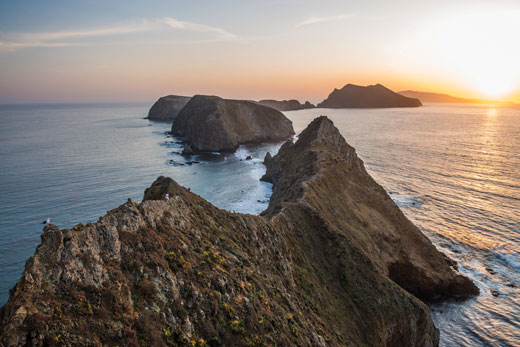
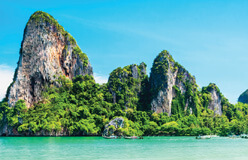
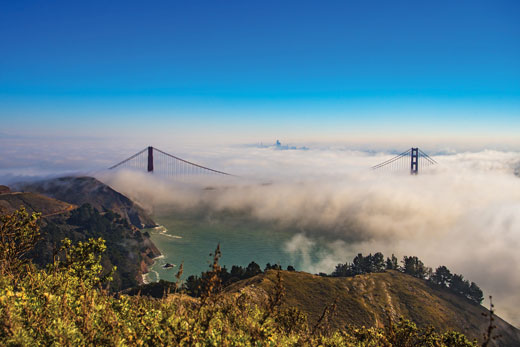
◀ The Coastal Region runs almost the whole length of California. It stretches more than 800 miles. Mountains follow much of the coast. In northern California, steep cliffs drop off along the rocky coastline. In Southern California, the rocks give way to sandy beaches. California’s coast has two large natural harbors. San Francisco Bay is one. San Diego Bay is the other. Two valleys are between the mountains in the Coast Ranges. They are the Napa Valley and the Sonoma Valley. To the south are two more. They are the Salinas and Santa Clara Valleys. The Farallon Islands are west of San Francisco. The Channel Islands are off the Southern California coast.
The huge Pacific Ocean makes the climate near it more moderate. It warms the land in winter. It cools the land in summer. When air from the ocean is cool and wet, wind carries fog and rain clouds across the coastline. This weather may not make people happy. But it helps the trees! Some of the tallest trees in the world grow on the northern California coast. They are the California redwoods. Some may stand more than 300 feet high. ▶
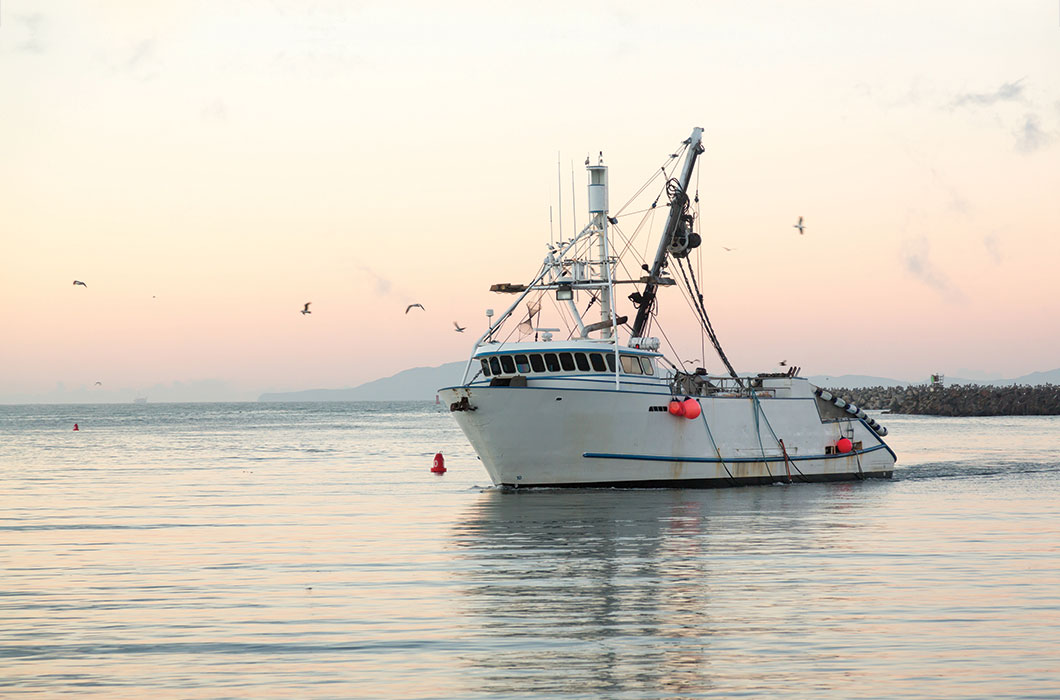
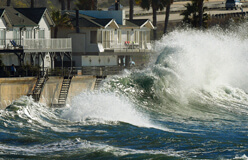
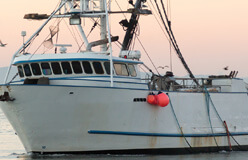
▲ Life for many people in the Coastal Region centers around the Pacific Ocean. Some fish for the plentiful sea life in its cold waters. Others serve in the U.S. Navy or Marines. Still others build housing on slopes facing the beach. Many grow artichokes in the moist Salinas Valley. The region also affects the lives of people who live far away. The fruit that people buy in San Francisco may have grown in Orange County. The same is true for the fruit that people buy in Pennsylvania or even Canada!
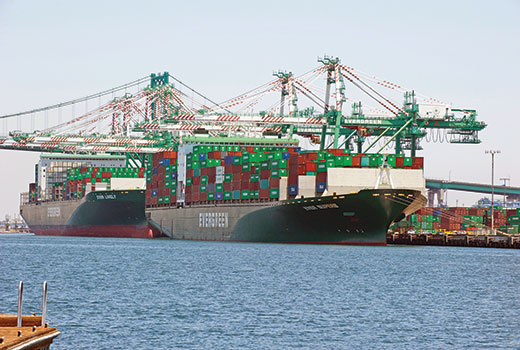
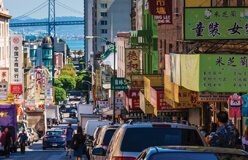
◀ Ships arrive in the ports in San Diego, San Pedro, and San Francisco every day. They bring goods from across the Pacific Ocean. Oil production is an important industry in California, although it has slowed in recent years. Many people work helping to make movies and TV shows in Los Angeles. Silicon Valley is near San Francisco. There, people work to make and sell computers and electronics.
Earthquakes
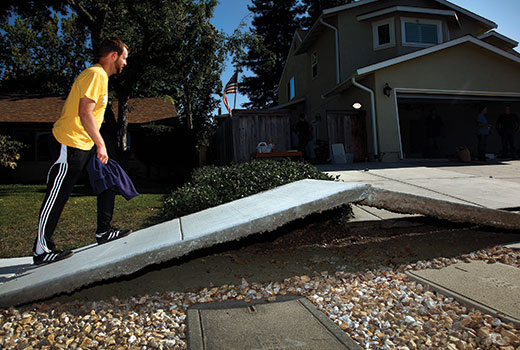
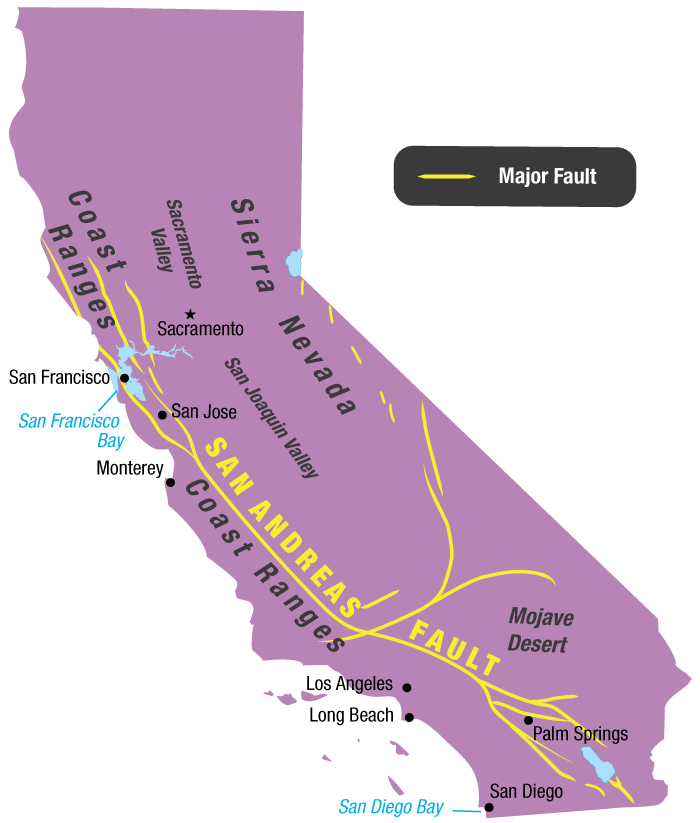
When layers of rock move deep within the Earth, an earthquake can happen. This movement occurs along faults, or cracks, in the Earth’s surface. More than 60 major faults lie beneath California. Most earthquakes are so small that people might not even feel them. Modern buildings and roads are designed not to fall apart in earthquakes. Even so, big quakes have caused a lot of damage to Los Angeles and the Bay Area. ▶
Learn More!
The San Andreas Fault is the longest of the faults in California. It comes north through the Desert Region from Mexico. By the time it reaches the Bay Area, it has crossed under the mountains and into the Coastal Region. Scientists believe that the San Andreas Fault could cause a large earthquake in California. They can’t predict exactly when it will happen. People in California have adapted by using building techniques that are designed to survive earthquakes. ▶
John Muir
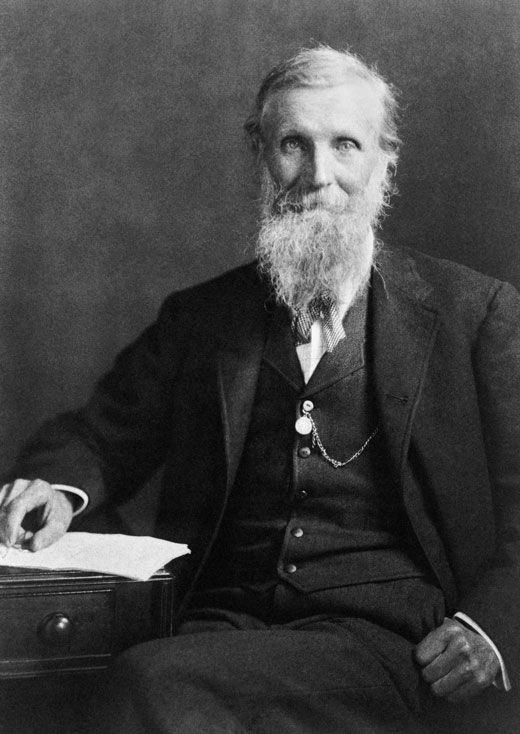
◀ John Muir moved from Scotland to America as a boy. He always loved the outdoors. When Muir was a young man, his eye was injured at work. After he healed, he decided to follow his dreams to explore.
In California, Muir fell in love with the beauty of its wild places. His writings helped preserve the Yosemite Valley and Sequoia National Park. He founded the Sierra Club. The club still works toward goals like those he laid out. The John Muir Trail and other locations were named after him. This was in recognition of his work to preserve California’s natural heritage.
John Muir spent his life protecting California’s wild areas. He even took President Theodore Roosevelt on a tour of Yosemite Valley. Later, Yosemite and some of his other favorite places became national parks. In 1873, he had this to say in a letter to his sister:
“The mountains are calling and I must go, and I will work on while I can, studying incessantly.”