Free
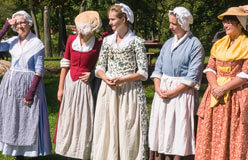
The war brought a unique set of problems for women whose husbands had gone off to fight. Army pay was low and inconsistent, so these women had to take care of the financial needs of their families.
They also had to protect themselves and their children when enemy soldiers were nearby. Farm women had to learn how to do the men’s work of planting and harvesting while still attending to their traditional household responsibilities. In addition to feeding their families, they were charged with growing enough to supply the army as well. Nonfarming women sometimes took over their husbands’ businesses. Some were quite successful. Others eventually sold the business because they lacked the training to run it.
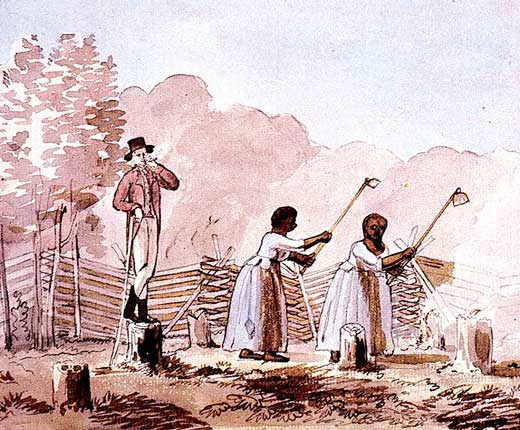
◀ In June 1779, British General Henry Clinton encouraged slaves owned by Patriots to escape. He promised that once they arrived behind British lines they would be free. In South Carolina and Georgia alone, 10,000 slaves followed his suggestion. Some did get their freedom after the war. However, most of these men and women met a cruel fate. British officers sold some of them to work on sugar plantations in the West Indies. Others were returned to their masters.
◀ Though colonial society considered it shameful for a woman to take a public position, Esther Reed gathered the support of 36 leading Philadelphia women. They formed an association to raise money for Washington’s army. After raising nearly $300,000, the women proceeded to manufacture 2,200 linen shirts for the fighting men. Other Patriot women sewed regimental banners, knitted socks for soldiers, and wove cloth for uniforms.
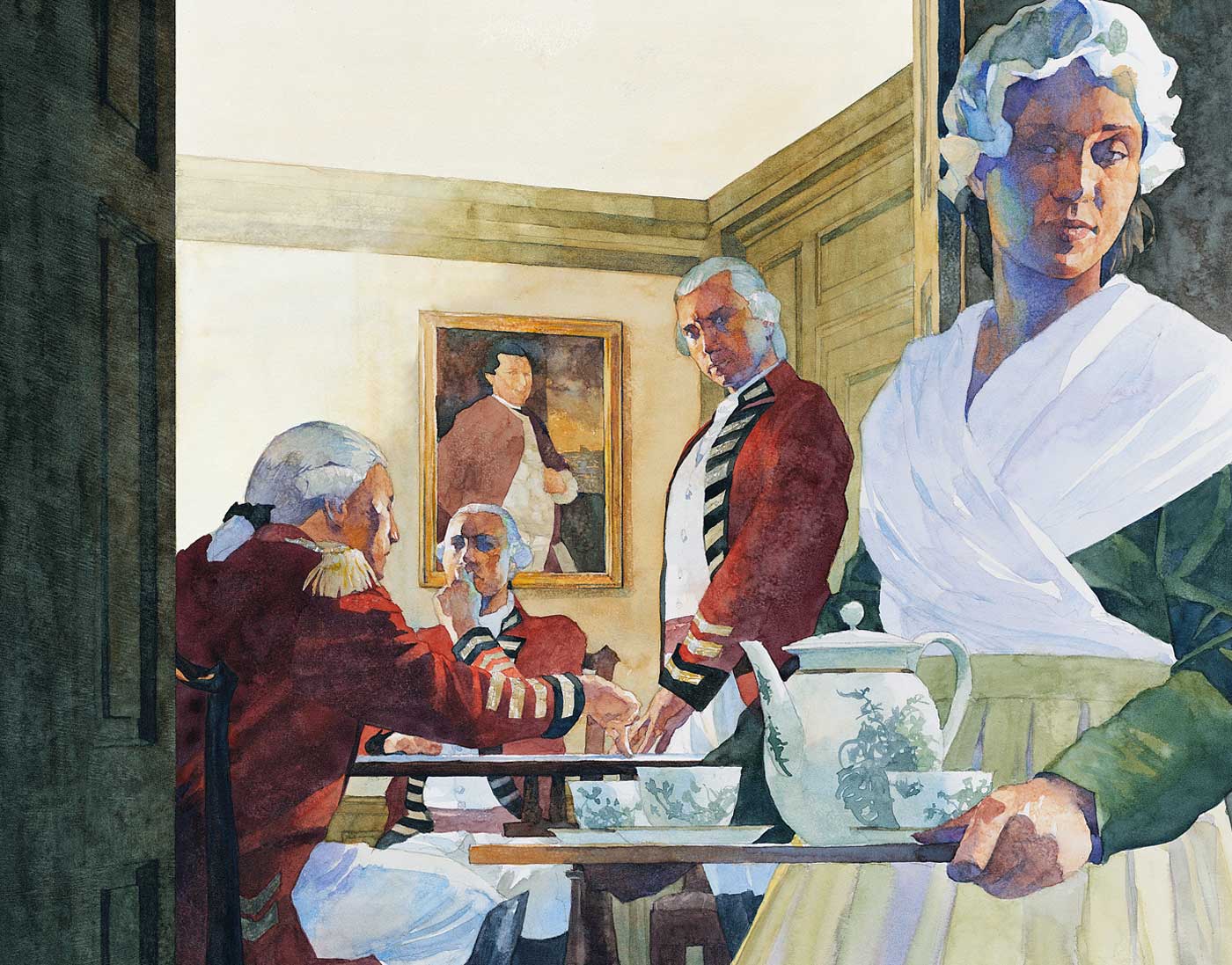
When troops were in the area, women were often forced to house officers in their homes. This meant loss of privacy, the necessity of sharing scarce food, and additional household chores. Sometimes they faced abusive behavior and the destruction of property.
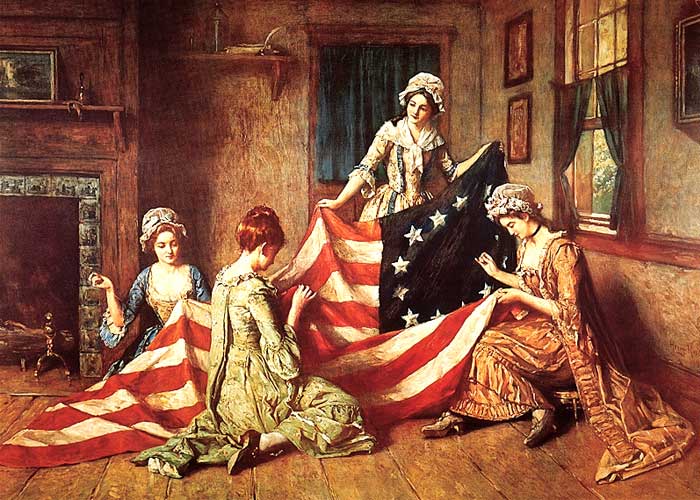
The story that seamstress Betsy Ross made the first flag for the new country was first told by her grandson almost 100 years after the Revolution began. Today, most historians question the truth of the story, since there are no written records to support it. Still, Ross was a staunch Patriot who lost two husbands to the cause and was left with two small children to support. ▶

Many Loyalist women fled to British-held areas, but they often arrived in refugee camps penniless. In a camp at Charleston, South Carolina, near the end of 1781, more than 200 Loyalist refugee women and children died each day of disease and exhaustion.
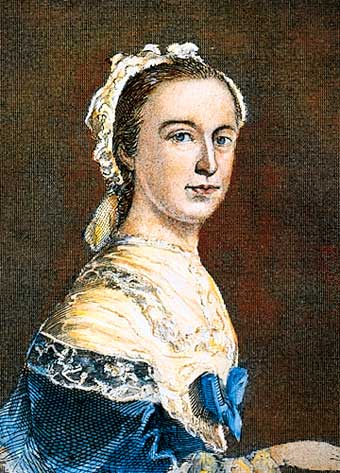
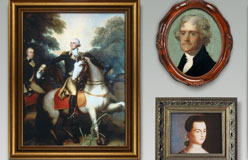
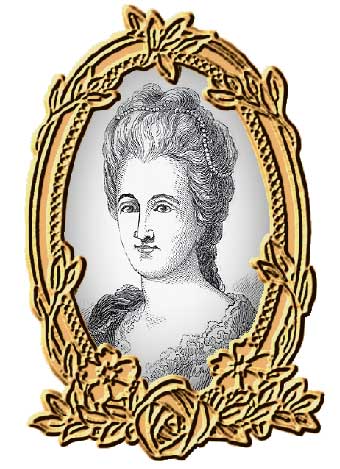
Colonial women were expected to attend to their household duties and leave politics and business to men. Still, many expressed their anti-British sentiments in writing. Mercy Otis Warren (right) published plays ridiculing Loyalists. Phillis Wheatley, a slave of Loyalists, wrote poems supporting the Patriot cause. Publisher Mary Katherine Goddard often countered rumor with fact in her Baltimore newspaper. Because of her professional attitude, the Second Continental Congress chose her to publish the copies of the Declaration of Independence distributed to the states. ▶