Free
If you had looked at a newspaper in 1776, here are some of the people you might have read about.
Three of these newsmakers later became presidents of the new nation. Can you identify them?
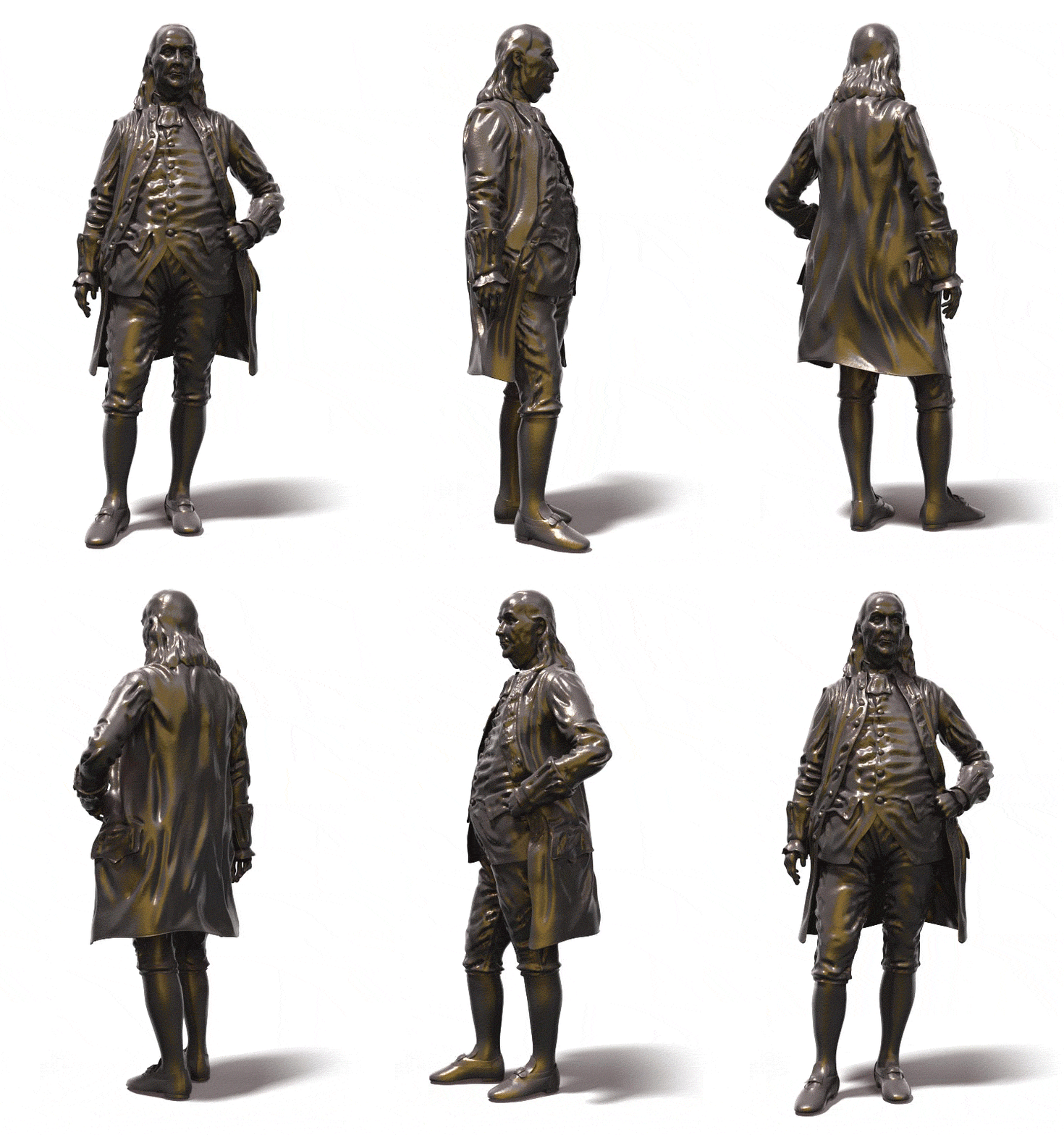
▲ Benjamin Franklin was an inventor, scientist, and Patriot. In July 1776, Franklin advised Thomas Jefferson on the Declaration of Independence. Several months later, he went to France to ask King Louis XVI for help in the war against the British. After the war, he was named the first American ambassador to France.
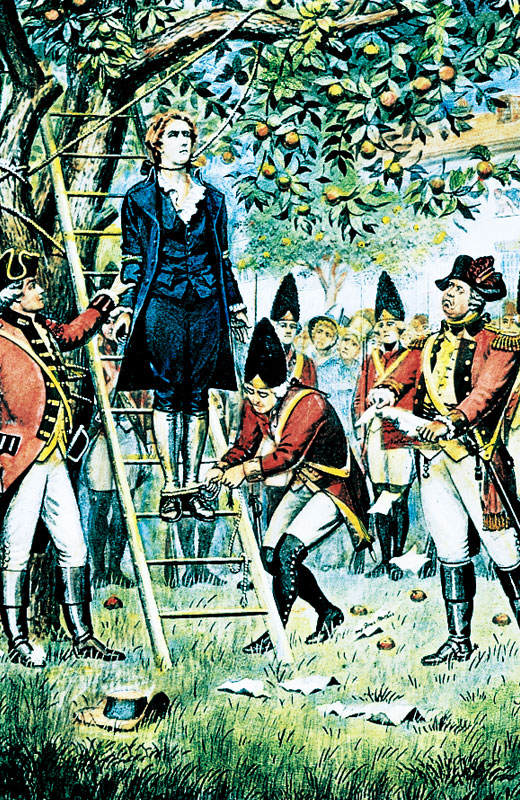
▲ In 1776, Nathan Hale, a 21-year-old captain in the Continental Army, was caught pretending to be a Dutch schoolmaster while spying on the British. As he was hanged, he was reported to have said, “I only regret that I have but one life to lose for my country.”
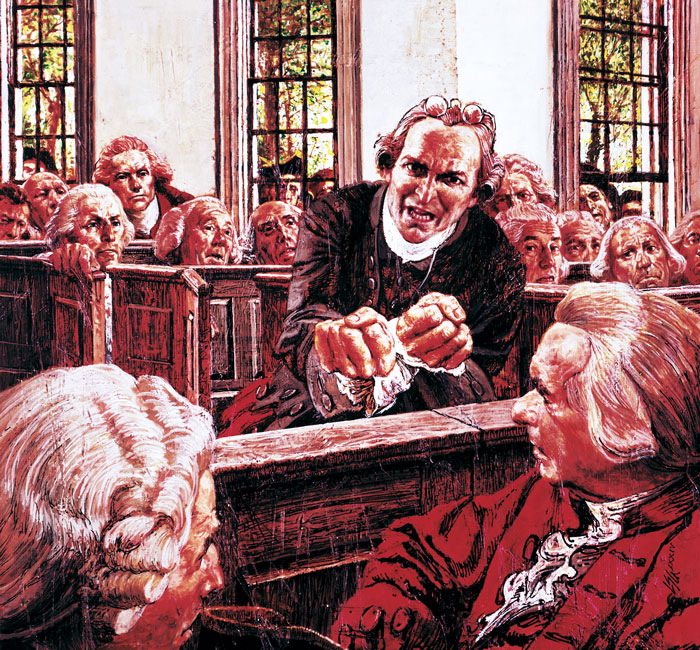
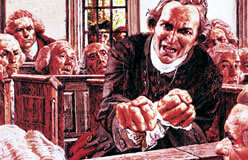
▲ At the First Continental Congress in Philadelphia, delegates boldly spoke out against Britain’s meddling in colonial affairs. Patrick Henry made a stirring speech, ending with these words: “The distinctions between Virginians, Pennsylvanians, New Yorkers, and New Englanders are no more. I am not a Virginian, but an American.”
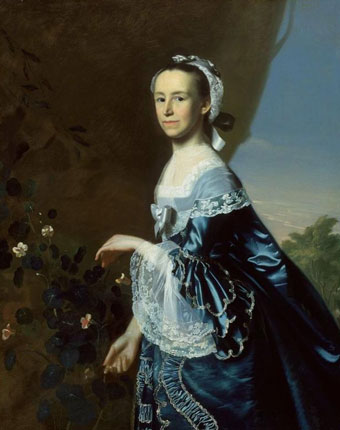
▲ Mercy Otis Warren wrote plays that made fun of the British and the Loyalists. Her plays were published in newspapers and pamphlets and included The Defeat and The Group. Warren wrote The Blockheads anonymously.
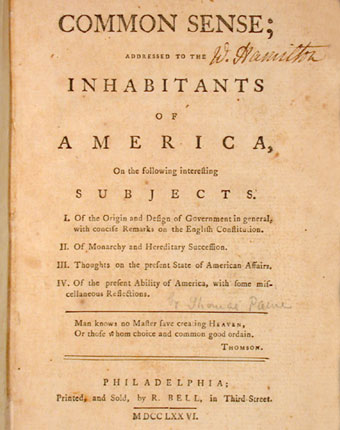
▲ Englishman Thomas Paine’s little pamphlet Common Sense helped spark the revolution. Written in simple language, it explained why the colonists should seek independence. It became an instant bestseller; half a million copies were sold within a few months. “Common Sense is working a powerful change in the ideas of men,” said George Washington.
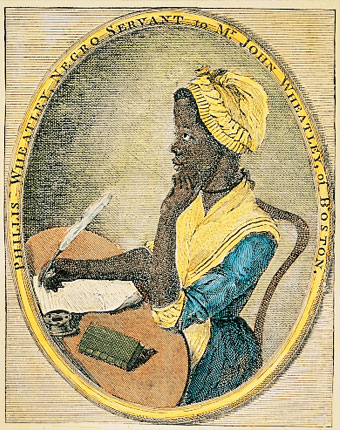
▲ In 1776, at age eight, Phillis Wheatley was kidnapped in Africa and taken to the colonies on a slave ship. Boston tailor John Wheatley bought her as a servant. She was taught to read and write. Wheatley wrote patriotic poems that were widely read in 1776. One of her poems honored General George Washington. After reading it, he invited her to visit him at army headquarters.
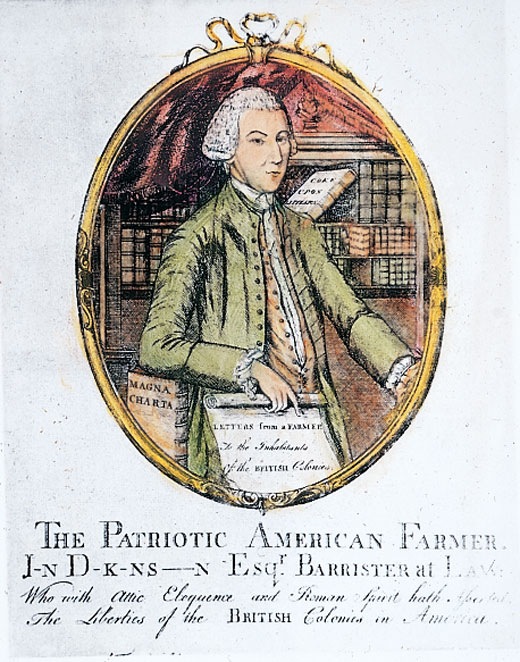
▲ Philadelphia lawyer John Dickinson tried hard to find a way to bring Britain and the colonists together. He refused to sign the Declaration of Independence, but when the colonists went to war, he was one of the few members of the Continental Congress who actually fought against the British.
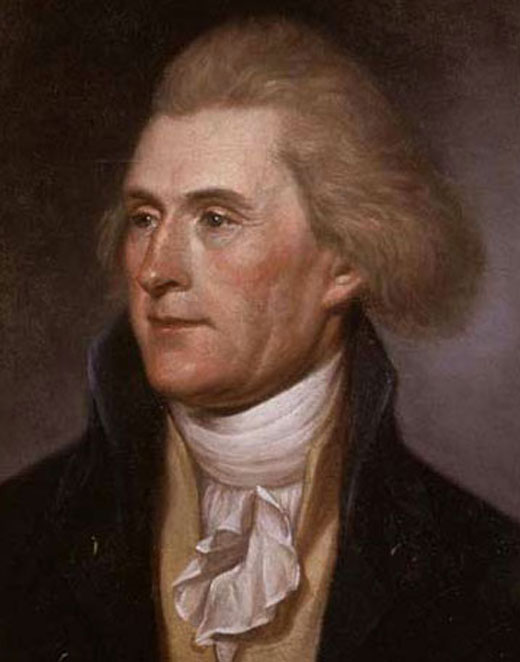
▲ In 1776, Virginian Thomas Jefferson, age 33, was already a respected political leader and a member of the Virginia legislature, called the House of Burgesses. Admired for his brilliance as a thinker and a writer, he was chosen to write the Declaration of Independence.
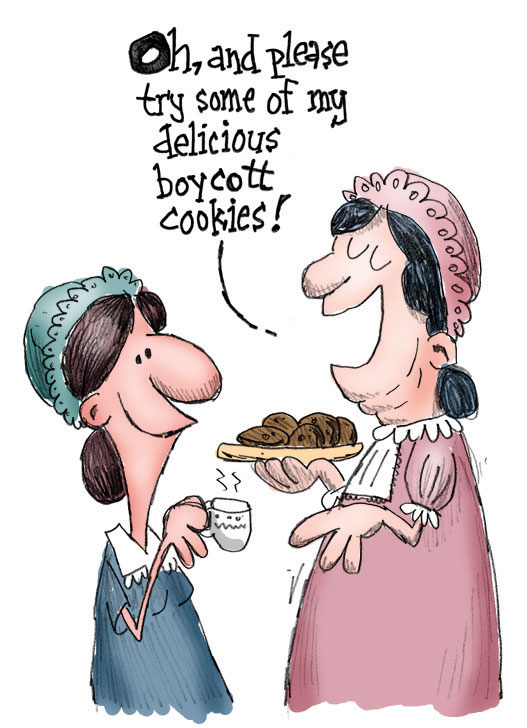
Penelope Barker invited 51 women to her home in Edenton, North Carolina, to sign a petition not to buy British goods or drink British tea. The Edenton tea party reminded Americans that everyone could participate in political action, even if they couldn’t vote. ▶
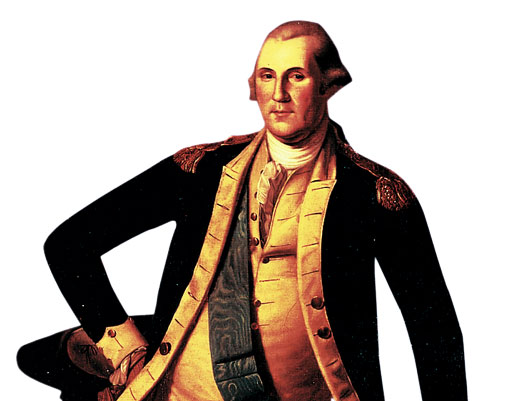
◀ Virginian George Washington first became famous as a military leader during the French and Indian War. People admired his courage, and in 1775, the Continental Congress chose him to lead the Continental Army.
The Adams Family
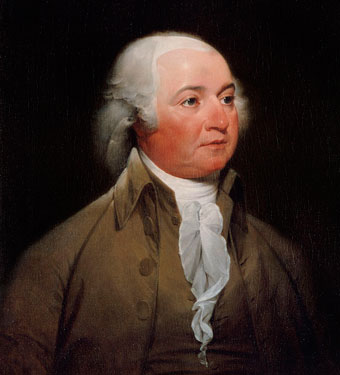
▲ John Adams supported the Patriot cause, but he defended the soldiers accused in the Boston Massacre to make sure they had a fair trial. Adams helped draft the Declaration of Independence.
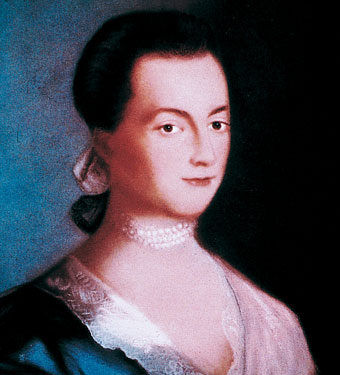
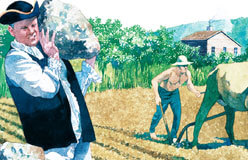
▲ Abigail Adams ran the family farm while her husband, John, was away. She later became a distinguished and influential first lady.
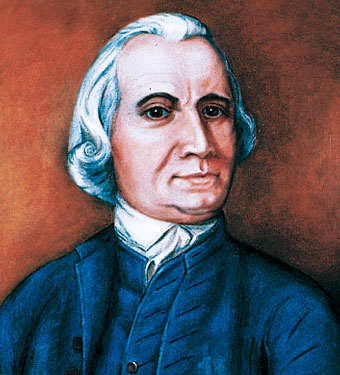
▲ Boston patriot Samuel Adams was a cousin to John Adams. A fiery speaker, he gained many supporters for the revolution and stirred them to action.