Free
1776—what an amazing year! By the end of it, many Americans were no longer loyal subjects of Britain’s King George III.
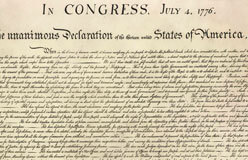
Instead, they were proud citizens of a new nation. Of course, this didn’t happen in just 12 months. By 1776, Britain and its 13 American colonies had been arguing with each other off and on for many years. Still, when 1776 began, many colonists thought the two sides would find a way to make peace. In January 1776, colonial leaders met in Philadelphia at the Continental Congress. They said that they “had no design to set up an independent nation.” Just seven months later, in July 1776, they declared their independence from Britain. It was the first Independence Day of the United States of America. How did it all happen?
Colonists who wanted the colonies to remain a part of Britain were called Loyalists. They were loyal to the king of Britain. Many Loyalists enjoyed the benefits of being part of a powerful empire. Some felt the colonists didn’t have the experience to rule themselves. Others felt the colonies couldn’t win a war against Britain. Many Loyalists were wealthy merchants and lawyers. Or they were religious leaders from the Church of England. ▶
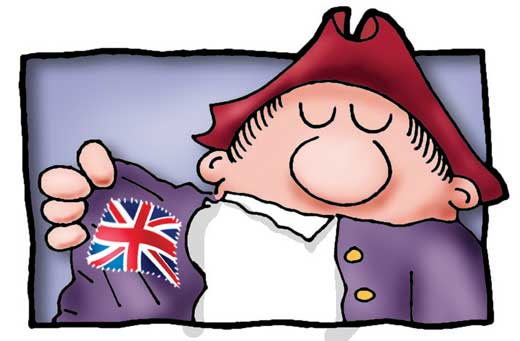
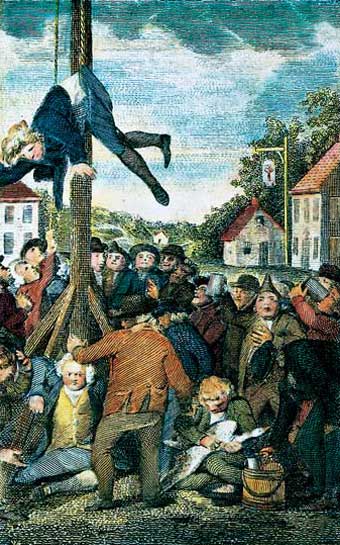
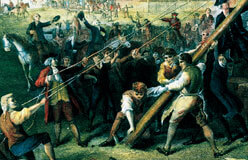
◀ The British put a tax on tea. They also put a tax on sugar and printed material. Britain hired Loyalists to collect these taxes. But by 1776, some royal governors, tax collectors, and others had quit their jobs. That was because of scenes like this one, which shows a government agent hanging from a liberty pole.
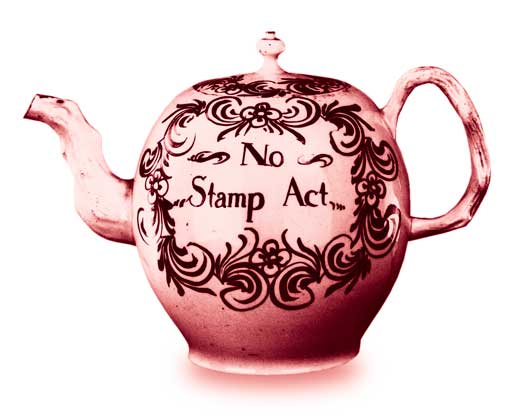
By 1776, many colonists were drinking “liberty tea.” It was made from many different plants and flowers. These included raspberry, red rose petals, lemon balm, and peppermint. It wasn’t real tea. It was a substitute for imported British tea. Colonists refused to drink British tea because of the tax the British had put on it. ▼
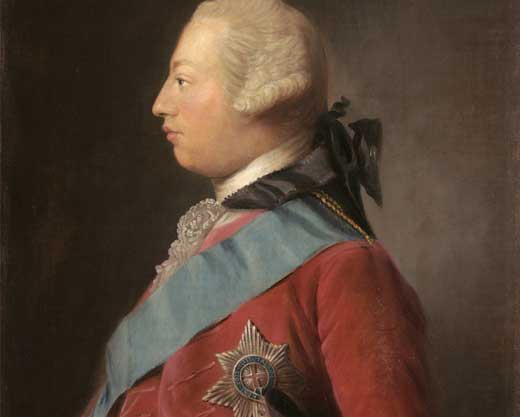
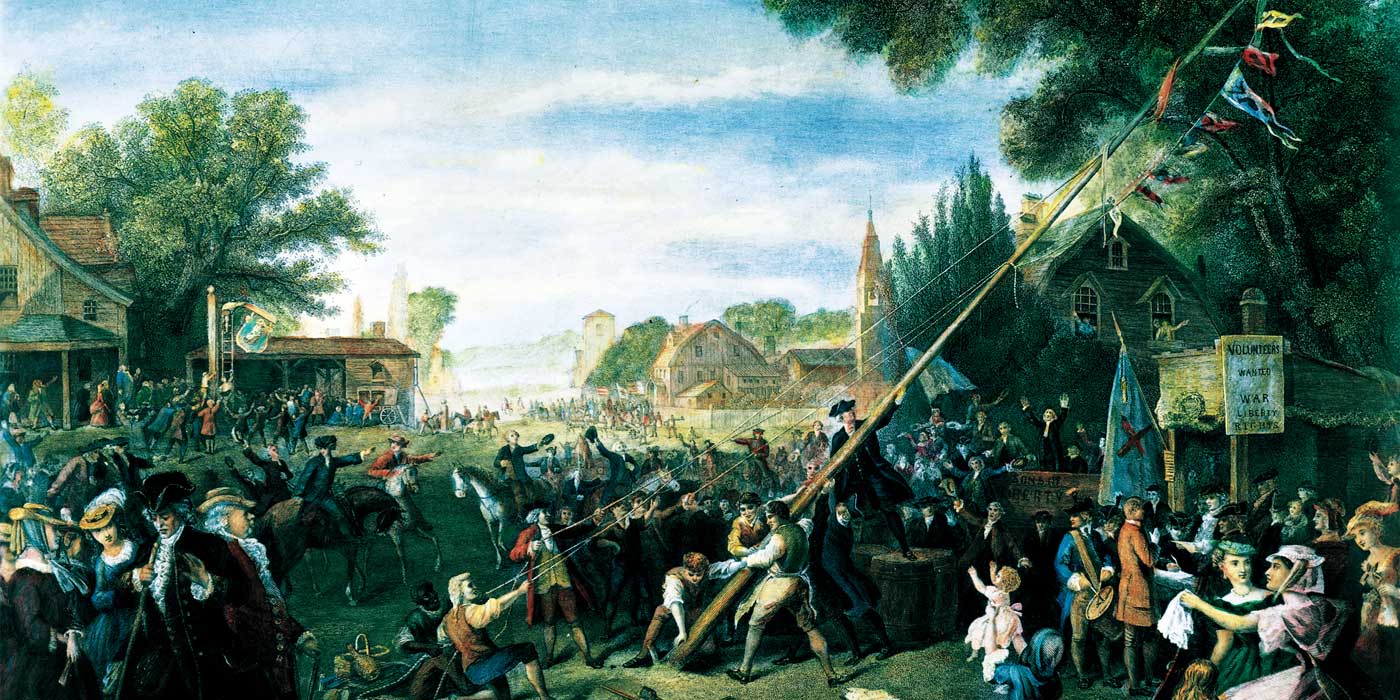
▲ At liberty poles, colonists talked about one of the most hated men in the colonies: King George III. He’d become king in 1760, at age 22, after his grandfather King George II died. Although he tried to be a strong ruler, he was mentally ill, probably from a blood disease. He tried to hold on to his American colonies but made peace after Britain lost the war.