Free
Laws are passed and enforced. Court cases are heard. Relations with other countries are carried out. This is due mostly to the genius of our Constitution.
The Constitution sets up three branches of government – the legislative branch, the executive branch, and the judicial branch. The legislative branch makes the laws. The executive branch enforces the laws. And the judicial branch decides whether laws are constitutional or not. The Constitution also establishes the separation of powers. That means the government has a system of checks and balances so no single branch of government has too much power.
To learn more about our national government, go here: How America Works.
To explore Wisconsin’s government, scroll down.

▲ The United States Congress has two parts. They are the Senate and the House of Representatives. The people who make up the Senate and the House come from every state, Washington, D.C., and the U.S. Territories. Every state has two senators, no matter how many people live there. States have representatives according to their population. So states where many people live, like New York or California, have more representatives. States where few people live, like Alaska, have fewer representatives. Wisconsin has two senators and eight representatives.
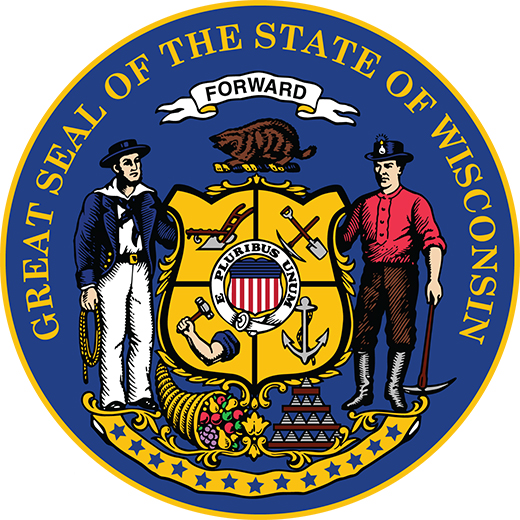
Wisconsin’s government is divided into three branches, just like the national government. It also has the same checks and balances. The governor is the head of the executive branch. The Wisconsin Legislature is the legislative branch. It makes laws that apply only to people in Wisconsin. The judicial branch makes sure that laws are carried out correctly. ▶
Wisconsin’s Governor
Wisconsin’s executive branch includes the governor and the lieutenant governor. It also includes the secretary of state and the state treasurer. The attorney general and state superintendent of public instruction are included as well. The attorney general is the state’s chief legal officer. The governor and lieutenant governor are elected to four-year terms. They have no term limits. ▶

Tony Evers
Loading the player...
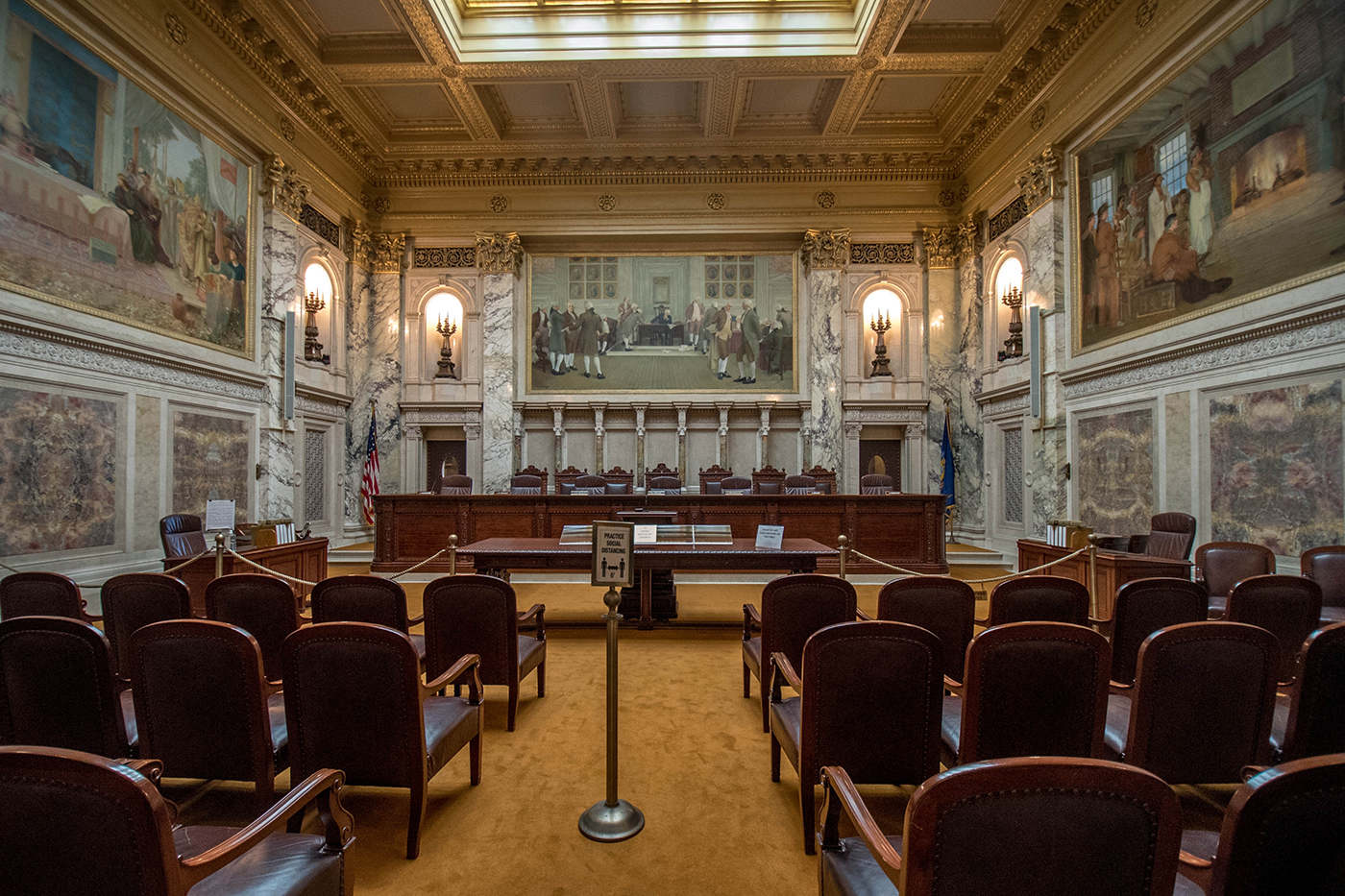
▲ Wisconsin’s legislative branch has two parts. One part is the Wisconsin State Senate. It has 33 members. The other part is the Wisconsin State Assembly. It has 99 members. Members of the Wisconsin Senate serve four-year terms. They have no term limits. Members of the Wisconsin State Assembly serve two-year terms. They also have no term limits. Elections are held in even-numbered years. The members of the legislative branch create laws. They also decide on the state budget. That is, how the state will spend its money. Parks, roads, and schools are possibilities.
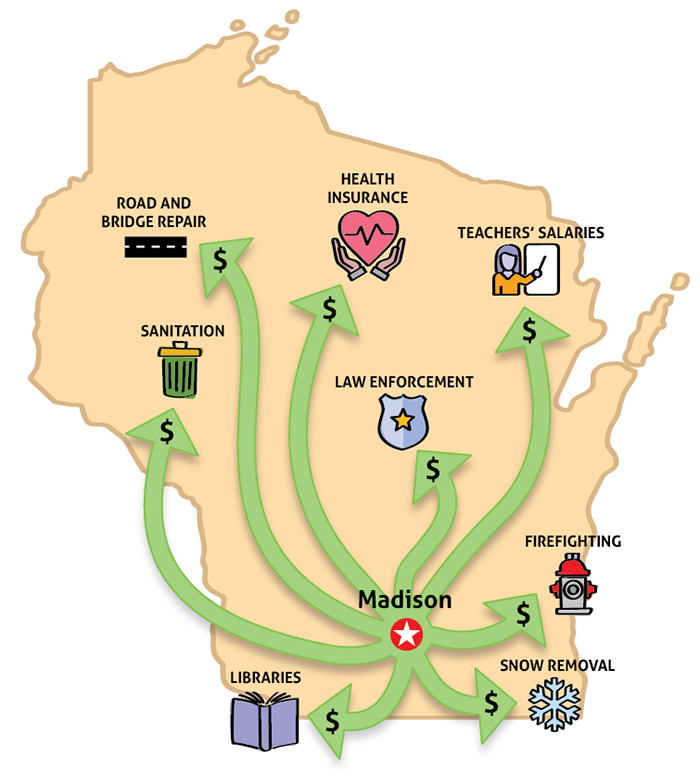
Many people complain about taxes. Taxes are the money people pay to city, state, or federal government. Some taxes are based on a person’s income. Some taxes are added to the price of goods and services. Where does all that tax money go, you might ask. It depends. State taxes mostly pay for health insurance for people who cannot afford it. They also go for higher education. That includes the University of Wisconsin. They pay for environmental programs and state police too. Plus care for residents with disabilities. The department of transportation and local governments pay for road and bridge repair. And for snow removal. Local taxes pay for teachers’ salaries and law enforcement. They also pay for firefighters, sanitation, libraries, parks, and lots more. People may think their taxes are too high. But without them, our state and our country would look quite different. ▶
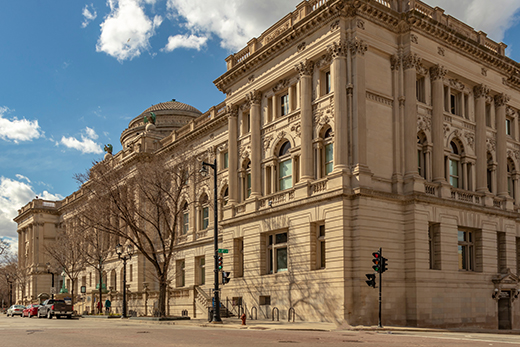

▲ You could describe local government in Wisconsin as a hodge-podge. The state has 72 counties. Each has its own county board of supervisors. Within these counties are 1,269 towns. Within the towns, but separate from them, are 402 villages and 190 cities. Taxes on property and local sales taxes are the main sources of funding for counties, towns, and villages.