Free
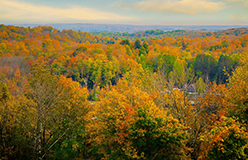
With over 800 miles of shoreline along Lake Michigan and Lake Superior, thousands of smaller lakes, and millions of acres of forested land, Wisconsin is a major destination for tourists.
Couple that with the state’s agricultural economy, its biohealth industry, and its diverse cities and towns, and you’ll find a state that’s fully engaged with the 21st century.
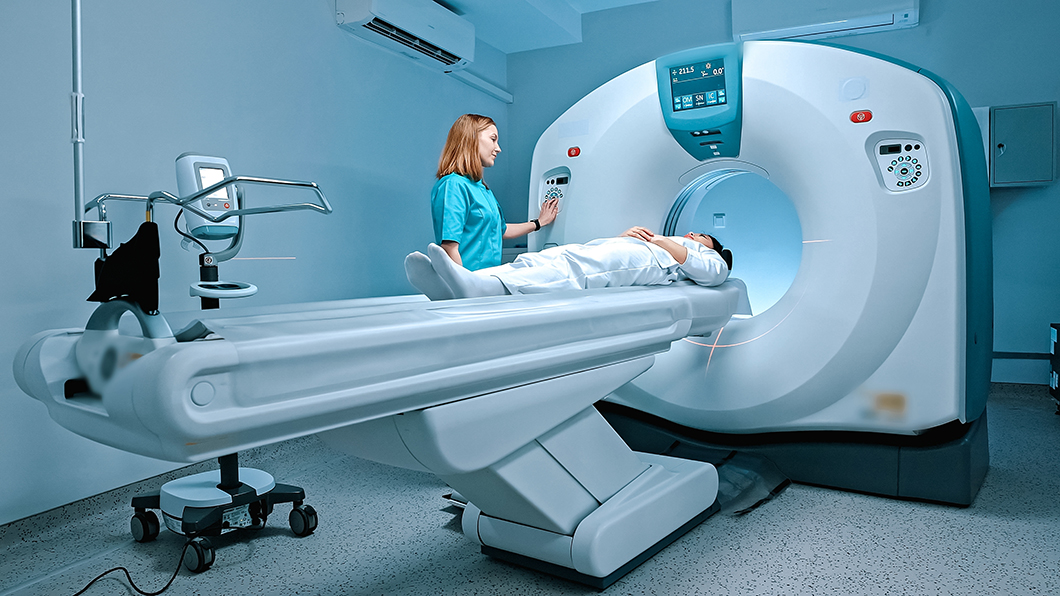
▲ Biohealth focuses on how biology and technology work together to encourage wellness. Not just treat illness. Wisconsin is a leader in this industry. The University of Wisconsin and companies throughout the state develop advances in IT – information technology – that allow for more personalized care. They also manufacture medical devices and imaging equipment. Imaging equipment is machines that take pictures of the inside of the body. All with the focus of translating research into real-world applications.
Loading the player...
▲ When it comes to corn, Wisconsin is among the top five producers in the country. More than half of the crop is used to feed cattle and other livestock. About a third is used to produce ethanol, an important ingredient in fuel for cars and other vehicles. It’s also used in making perfumes and hand sanitizers. Cooking oils, margarine, baby powder, and laundry detergents, too.
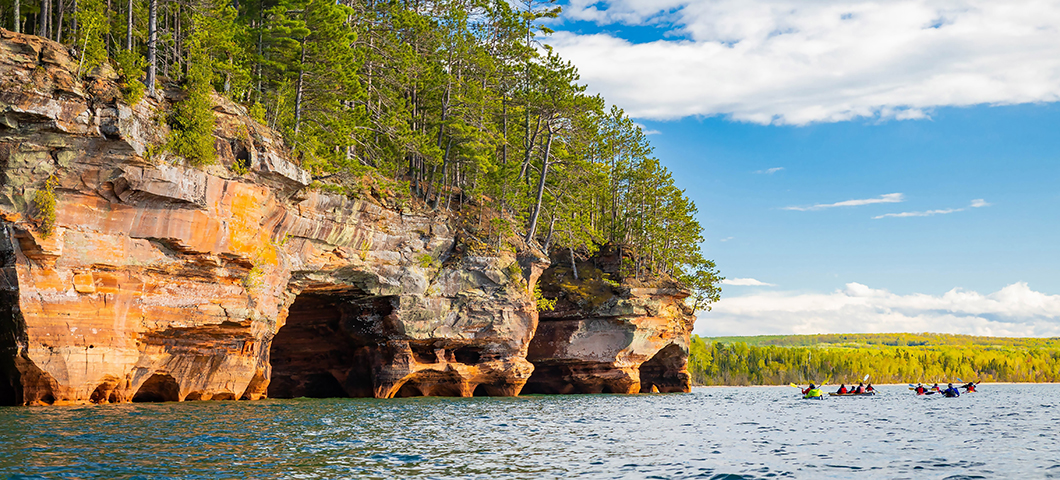
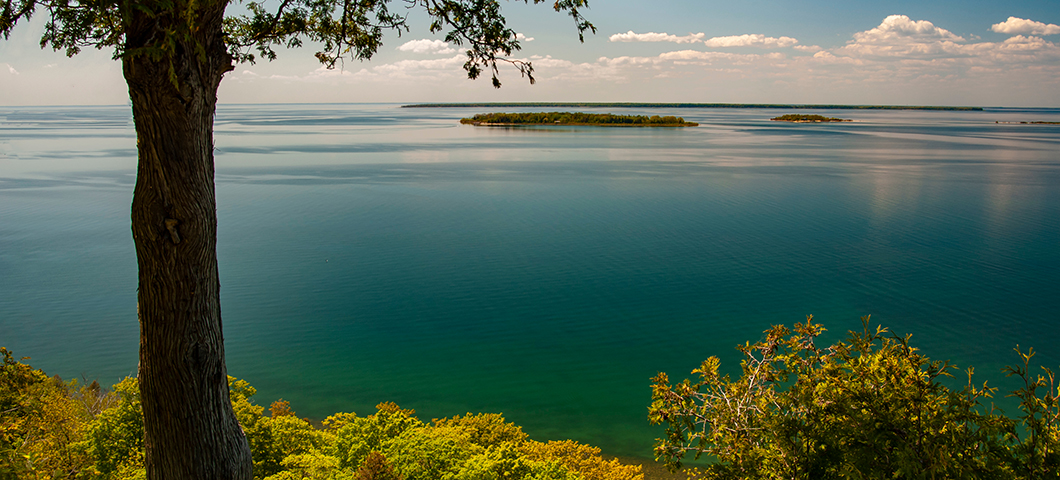
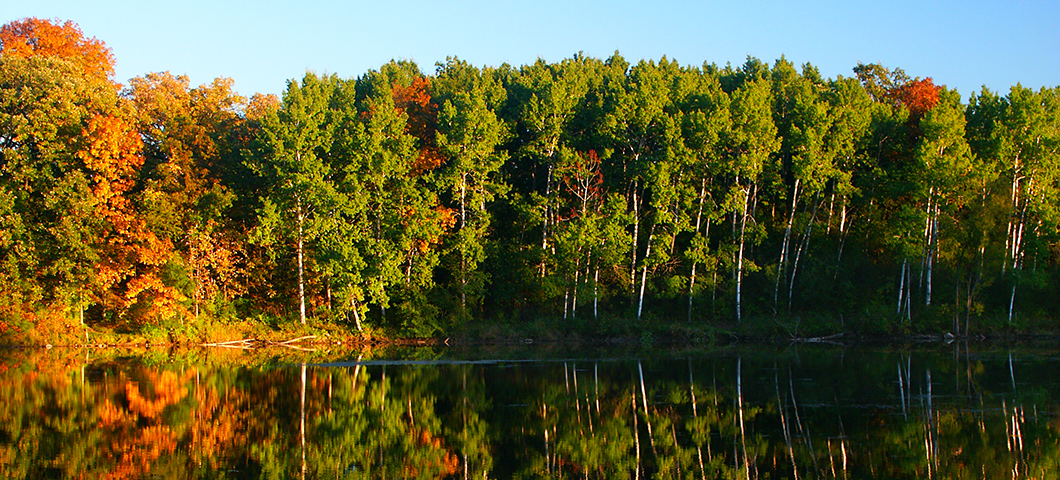
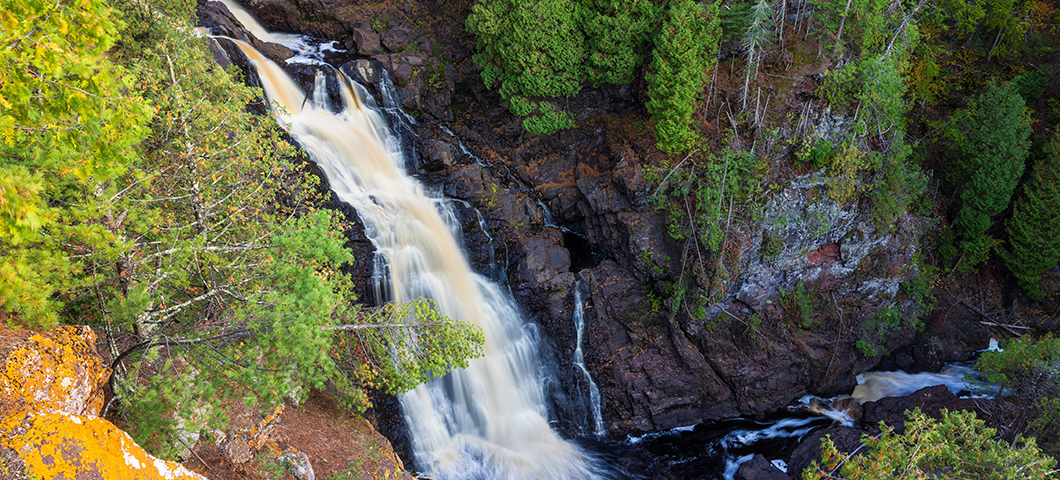
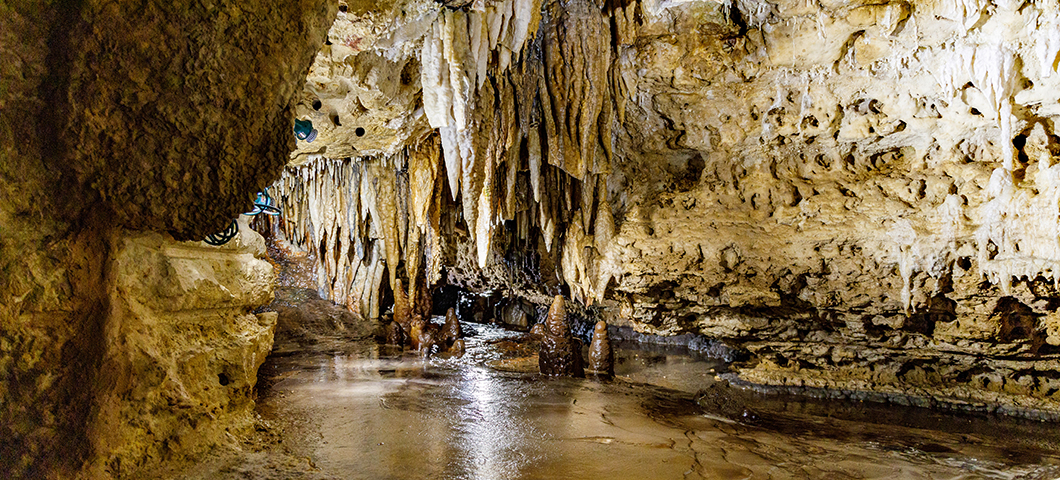
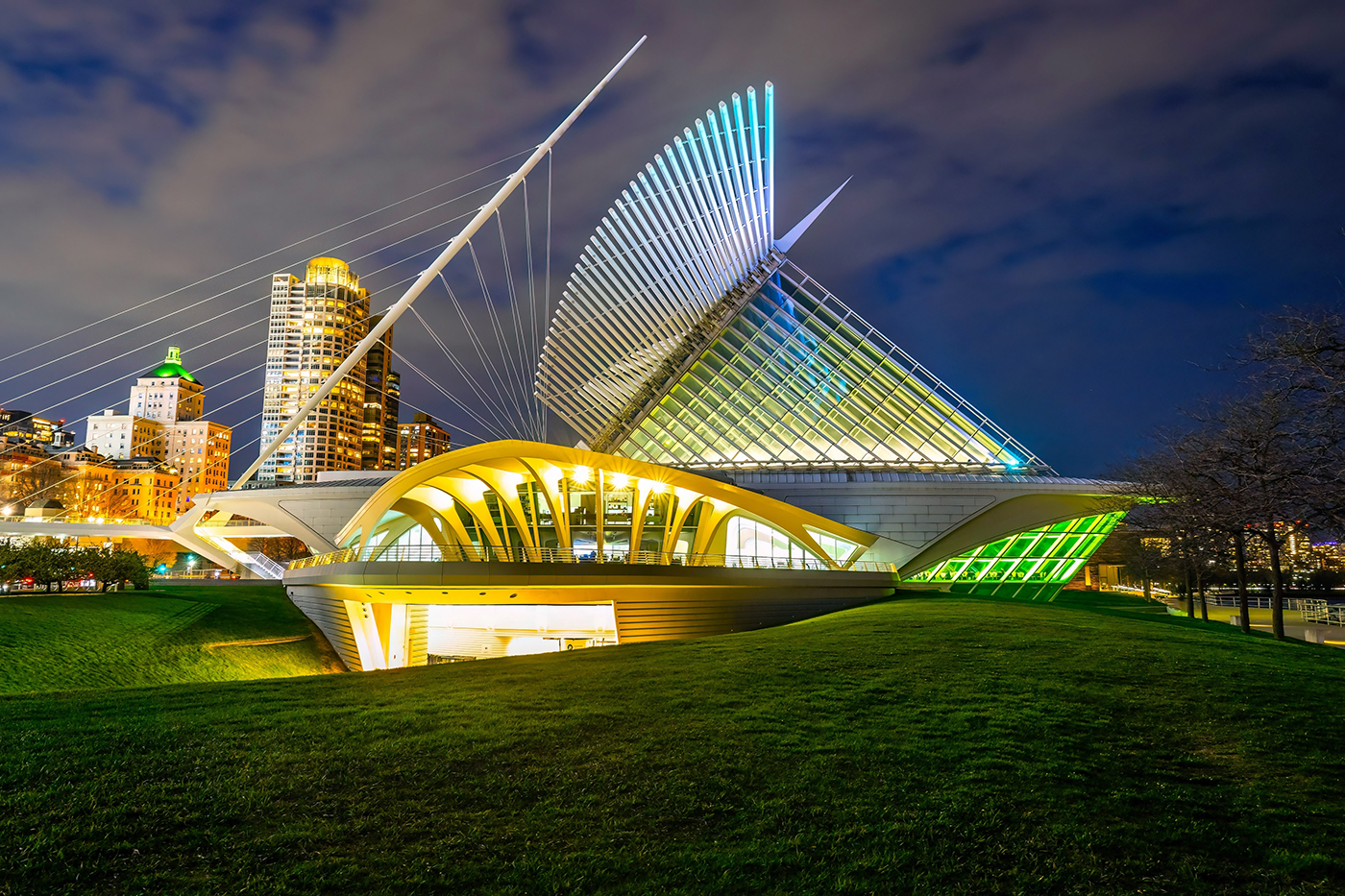
Wisconsin Beauty
The 22 Apostle Islands off the shore of Lake Superior are known for their sandstone sea caves and their lighthouses. All but one are part of the Apostle Islands National Lakeshore, which has one of the largest collections of lighthouses in the country.
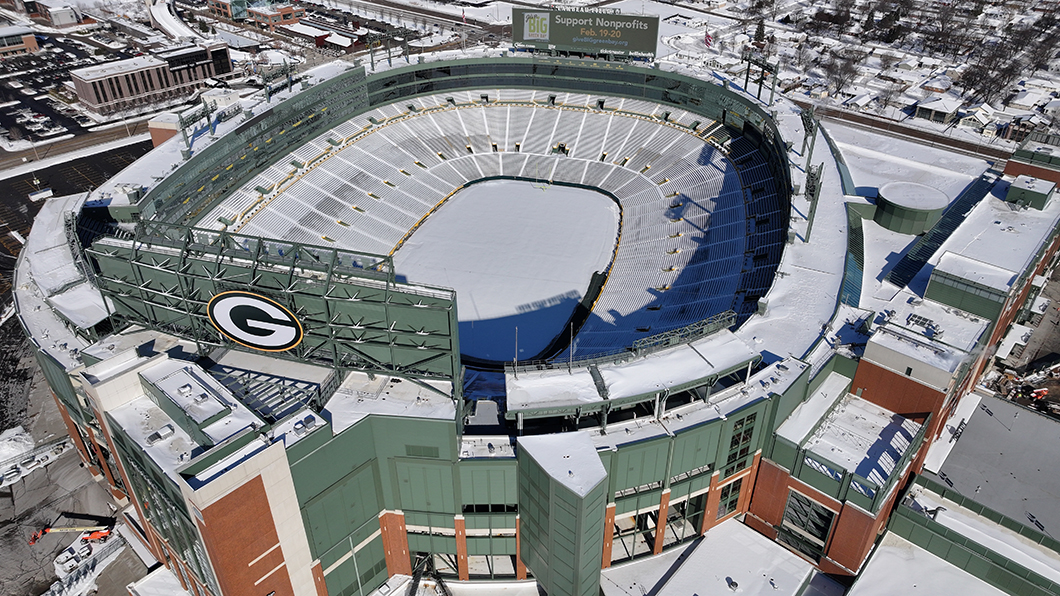
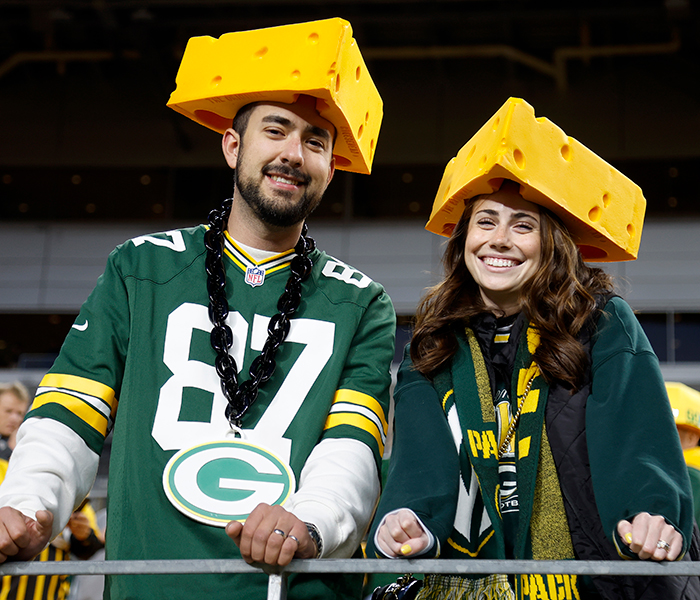
Lambeau Field in Green Bay is home to football’s Green Bay Packers. Lambeau is the oldest stadium operating continuously since it opened in 1957. Sports fans call it the “frozen tundra.” That’s because it’s an open stadium in a cold climate, unlike stadiums in Minnesota, Detroit, and elsewhere, which have roofs. The field is heated from below to keep it from freezing solid. The Green Bay Packers are the only major professional sports team owned by a private, not-for-profit organization, made up of over 500,000 fans. ▼
Some might call Green Bay Packers fans fanatics. Others might describe them as “cheeseheads.” Cheesehead hats were invented by Ralph Bruno from Milwaukee. According to Bruno, the name cheesehead was originally meant as an insult. Bruno said, “What's the big deal? I like cheese. Wisconsin makes some of the best cheese in the world. I’m proud to be a Cheesehead.” With that in mind, he started making cheesehead hats. That was about 1987. Cheesehead hats have been around ever since. The biggest fans wear them when they recite the “Wedge of Allegiance” at the games. ▶
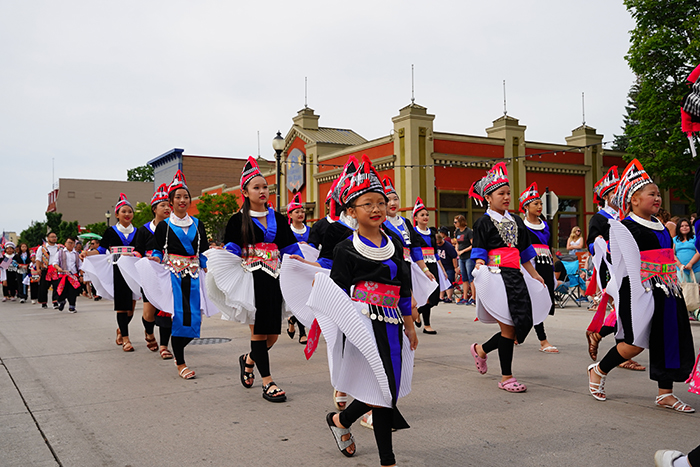
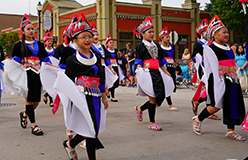
▲ The Hmong are from Thailand, Vietnam, Laos, and Myanmar. These are all countries in Southeast Asia. They are also from southwestern China. During the Vietnam War, the Hmong helped the United States. After the war, many came to the U.S. and settled in Wisconsin. Especially in Milwaukee, Green Bay, and Eau Claire. Following tradition is important to the Hmong. One tradition is celebrating Noj Peb Caug, or new year, in November or December. It’s a time to honor ancestors, get together with family and friends, and celebrate Hmong culture. It includes dancing, parades, and games. Pov Pob is a traditional game that involves tossing a cloth ball.
Wisconsin’s Tribal Headquarters
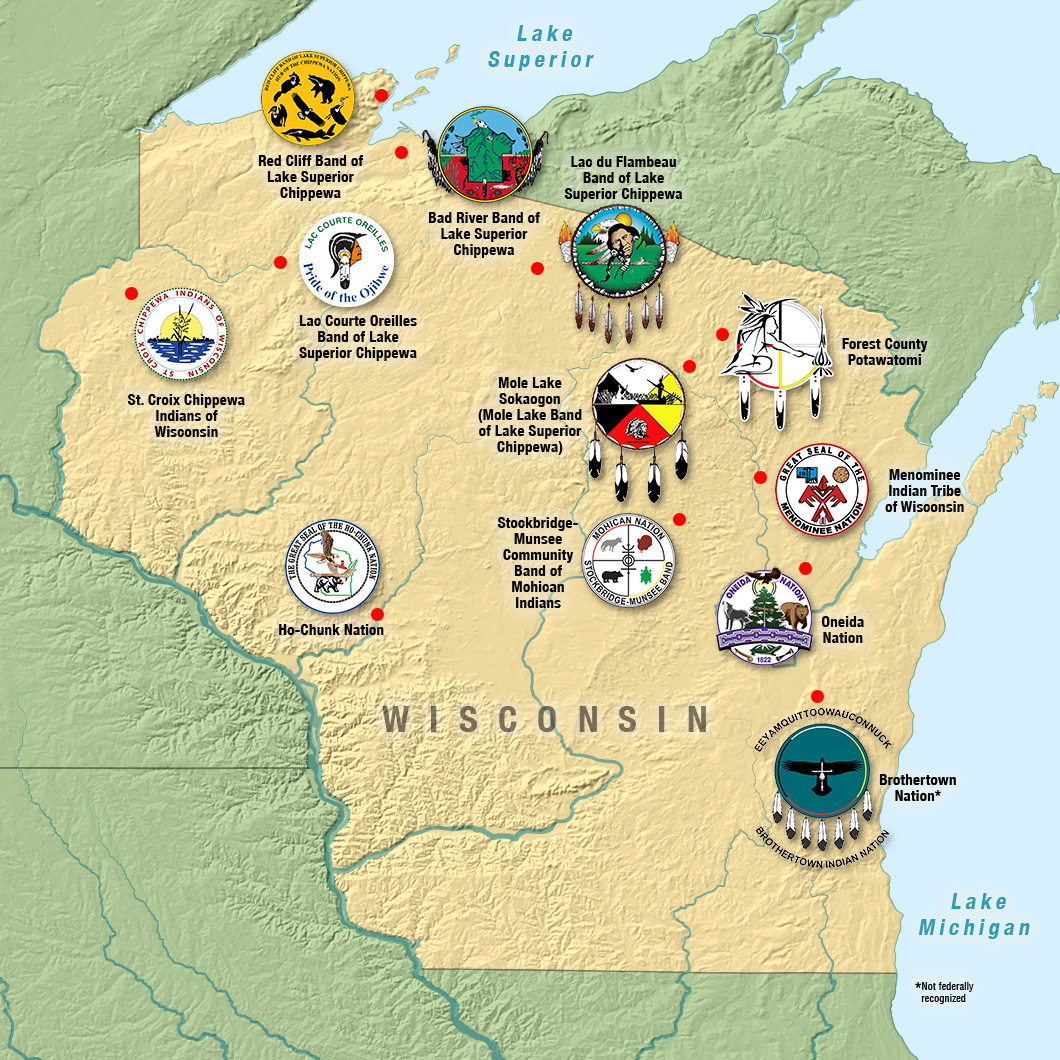
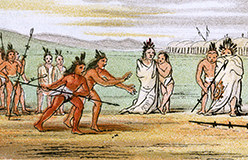
▲ About 106,000 Indigenous peoples call Wisconsin home. Most of them are from the state’s 12 tribes, 11 of which are recognized by the federal government. Many people live on their tribe’s reservation, while others may live in cities like Milwaukee or other communities. In addition to English, Wisconsin’s tribes speak a variety of languages from three main families – Algonquian, Iroquoian, and Siouan. Some of these languages are now spoken only by tribal elders and are in danger of becoming extinct, or dying out completely. With the help of funds from the state government, major efforts are now underway in Wisconsin to teach Native languages to children in Indigenous schools.
Check It Out!
What does it mean for a tribe to be federally recognized?
To be a federally recognized tribe means to have certain rights of self-government. Certain protections by the U.S. government. And certain benefits and services. These rights and protections come from treaties, or agreements, between the federal government and the tribes.