Free
Volcanoes have split personalities. For most of their long lives, they are quiet.
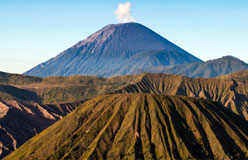
When they destroy things, they make headlines and history. Yet we don’t always remember their good side. Volcanoes give us mountains to ski on, lakes to swim in, and hot springs to soak in. Also, inside the Earth, magma contains valuable elements such as gold, silver, sulfur, zinc, and copper. As magma cools, some of these elements form minerals. They harden in cracks and spaces in the rocks, where miners find them. Magma also heats underground water systems we can tap to make heat and electricity. That’s called geothermal power, and it’s clean and renewable. Volcanic areas make unique homes for animals and plants. And sometimes, layers of volcanic ash and rock preserve important clues about life from long ago.
Moneymakers
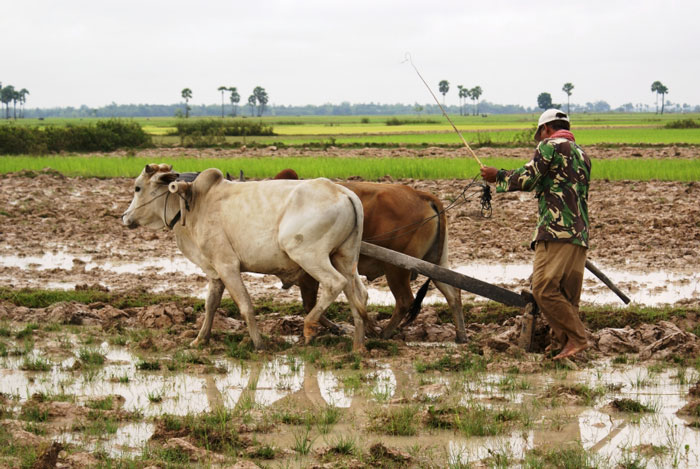
◀ The island of Java in Indonesia has active volcanoes. Farmers there have been growing rice in the same plots for centuries. Nearby Kalimantan (Borneo) has no active volcanoes. There, farmers have to move their plots every few years. That’s because plants need nutrients that the rain washes out of the soil. Ash from the active volcanoes helps to refresh the soil so farmers can keep planting on it.
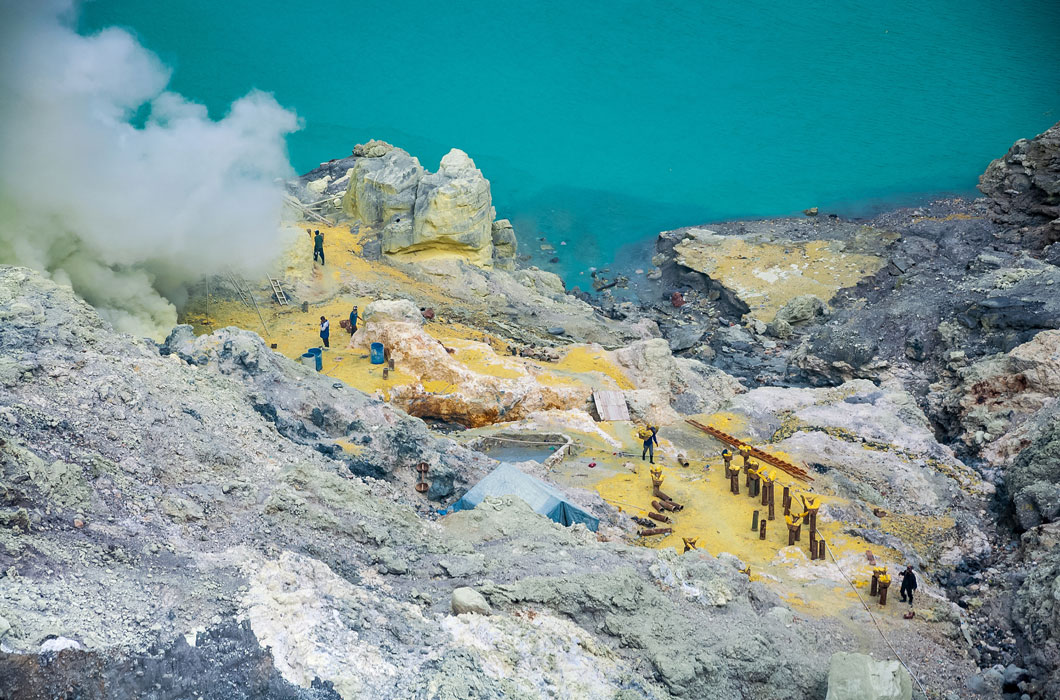
▲ Sulfur is used in making rubber, explosives, and fertilizers. It has no odor, but hot liquid sulfur and hydrogen form hydrogen sulfide. That compound is poisonous and smells like rotten eggs. The world has many volcanoes that contain a lot of sulfur. Without sulfur, there could be no life on Earth.
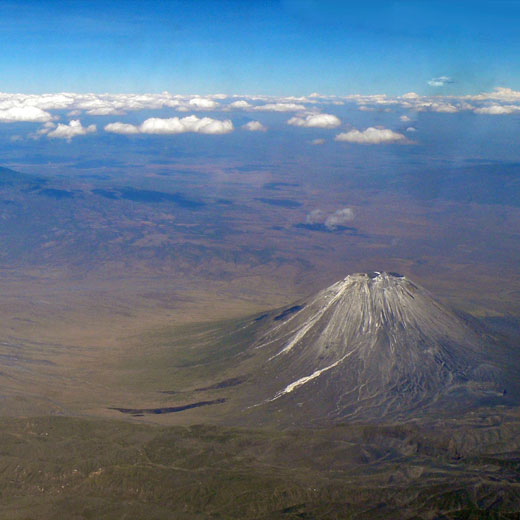
◀ Ol Doinyo Lengai is a volcano in Tanzania, Africa. It’s the only one known to spew out ash that turns into sodium bicarbonate. That’s also called baking soda. Wind and water carry the rare ash to Lake Magadi in Kenya, where it is mined.
The Heat Is On
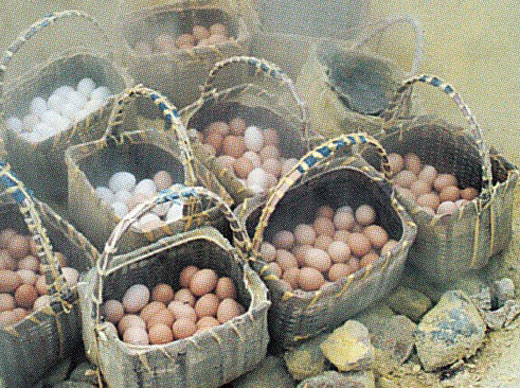
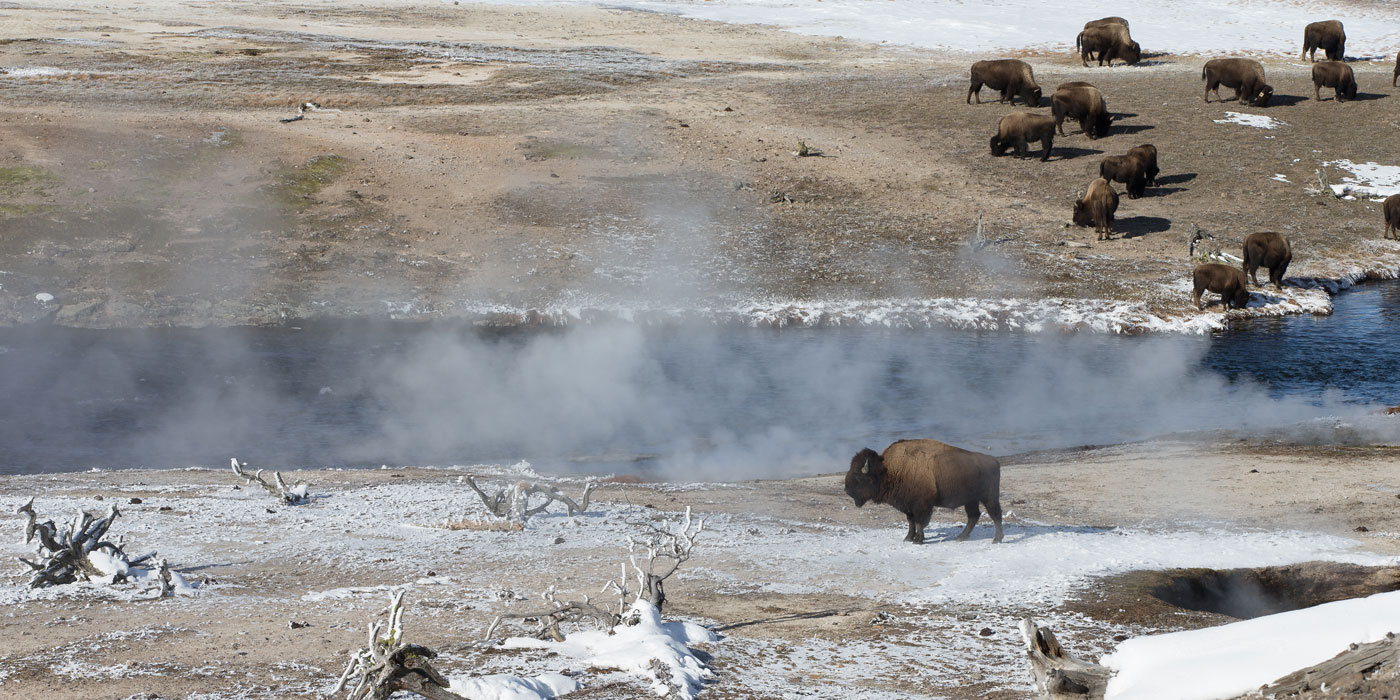
In Beppu, Japan, people cook eggs in one of their city’s 4,000 hot springs. The hot springs are Beppu’s main industry. They bring 12 million visitors a year to the city. A volcanic eruption formed the springs more than 1,000 years ago. ▶
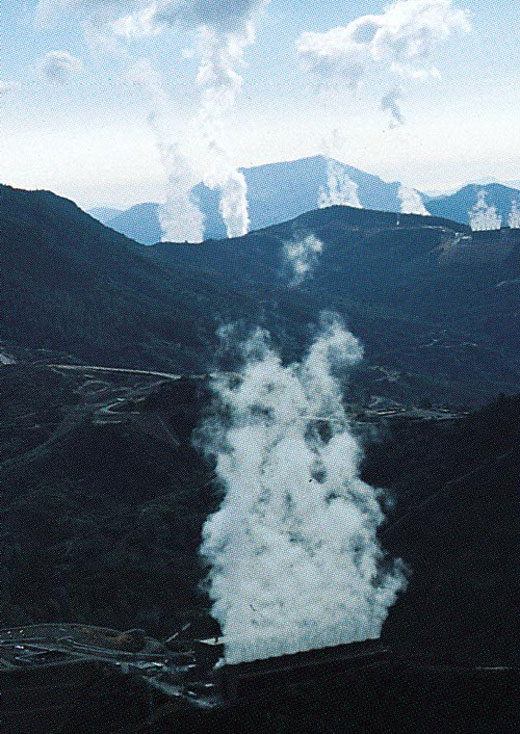
◀ The Geysers, 90 miles from San Francisco, is the world’s largest geothermal plant. It makes electricity using steam from the Earth. The steam comes through pipes from wells and powers a machine that drives an electrical generator. When the steam cools, it turns to water. The water is pumped back into the Earth, where nature heats it again.
Exclusive Homes
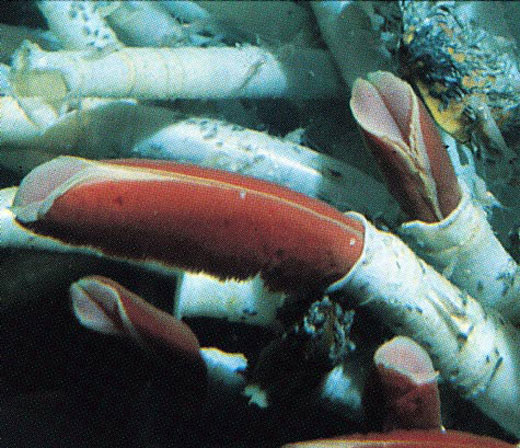
◀ Imagine diving more than 1.5 miles below the ocean surface. There, 12-foot worms hang around the vents of volcanoes. They eat bacteria that grow well because of the heat and minerals from the volcanoes.
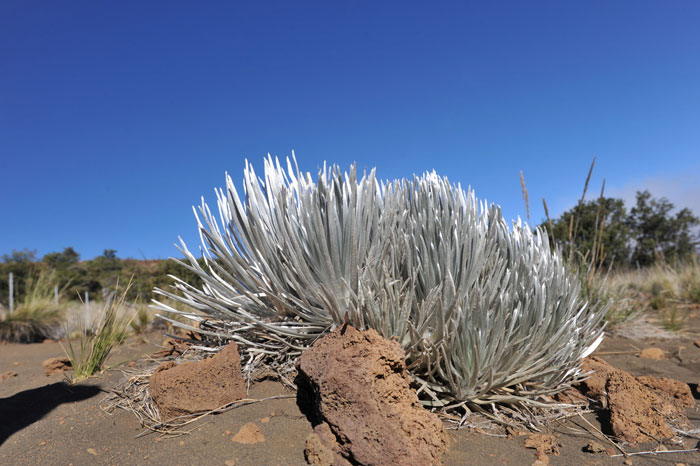
▲ The silversword plant grows only on the volcanic islands of Maui and Hawaii. It is a rare and endangered species. Silversword blooms just once during its life of 10 years or so.
Buried Treasures
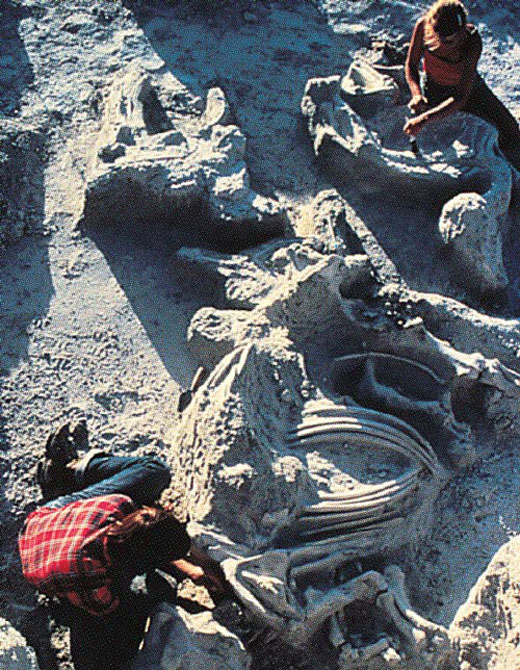
◀ Paleontologists are scientists who study ancient life. In the ground in Nebraska, they have found fossils of rhinos, three-toed horses, camels, and other animals. Ten million years ago, a volcano erupted, and the ash buried these creatures. It’s one of the Earth’s largest fossil finds.
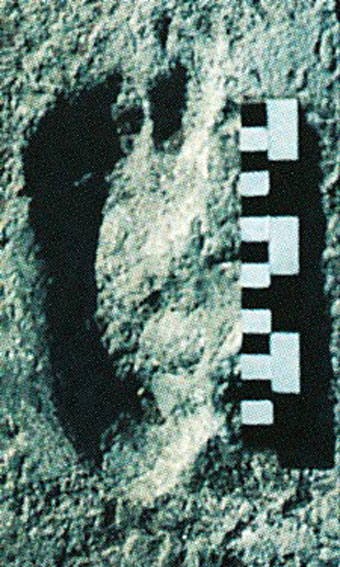
In East Africa, more than 3.6 million years ago, a family left footprints in damp volcanic ash. The ash hardened, and the footprints did too. From this record, scientists learned something important about these people. They were some of the first humans to walk upright. The oldest fossils of our human ancestors are found all over Africa’s Great Rift Valley. ▶

Check It Out!
What does your pencil point have in common with a diamond?
The point of your pencil is graphite. Diamonds and graphite are the same element, carbon. Carbon becomes a hard diamond instead of soft graphite thanks to a volcano. Diamonds form in volcanic rocks deep inside the Earth. Strong pressure squeezes the carbon atoms so tight that they form the hardest substance on Earth. Without that pressure, carbon forms graphite.