Free
Let’s try to imagine the power of a volcanic eruption.
Think about living in Australia and hearing a volcano erupt in Indonesia. That’s 2,400 miles away! Imagine looking through your camera as the top of Mount St. Helens disappears. Think about flying a jetliner when volcanic dust chokes all the engines and they stop. Volcanoes are among the most awesome forces in nature. Read about some of the world’s most famous volcanoes.
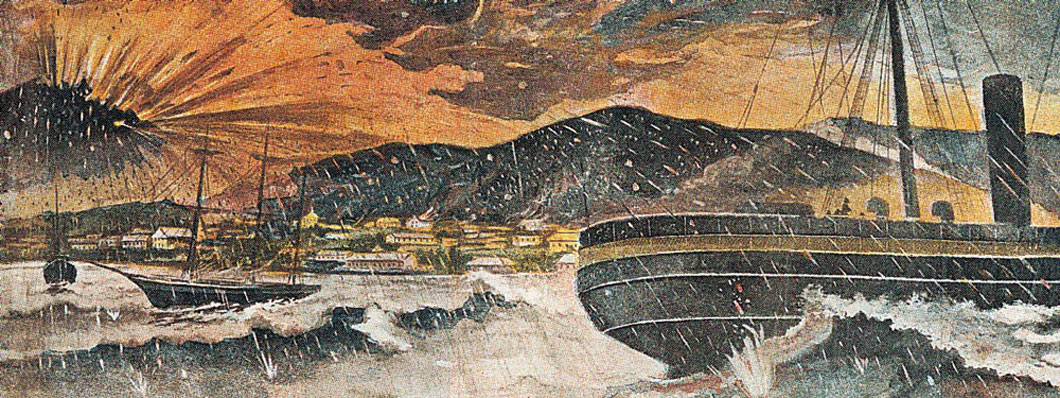
▲ On the island of Martinique in the Caribbean, just two people lived through the 1902 eruption of Mount Pelée. It killed 28,000 people. But the thick walls of his jail cell saved Auguste Ciparis. He had bad burns but was rescued after four days.
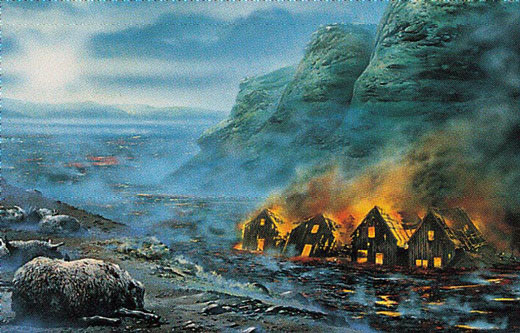
◀ An eruption can send poisonous gases into the air. That happened when Mount Laki erupted over 230 years ago in Iceland. The gases killed grass that was food for cows and sheep. Without meat and milk, many people died.
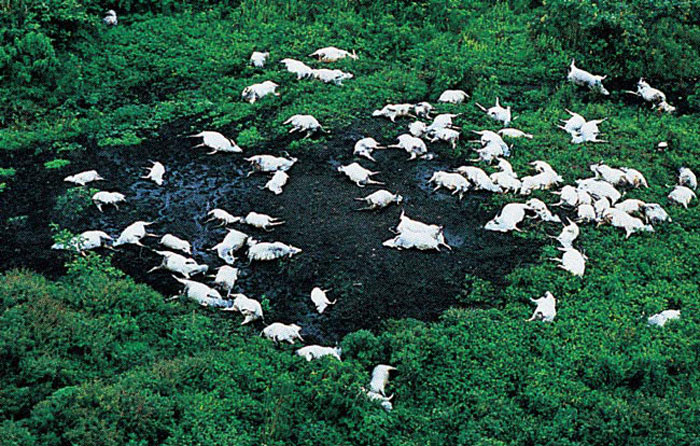
▲ Some volcanoes are dangerous even if they are not erupting. In 1986, a cloud of carbon dioxide killed 1,700 people in Cameroon. That’s a country in Africa. The gas also killed cows and other animals. It came from nearby Lake Nyos, which fills a volcanic crater. Over hundreds of years, carbon dioxide from the volcano leaked into the lake. No one knows for sure what caused the gas to be released.
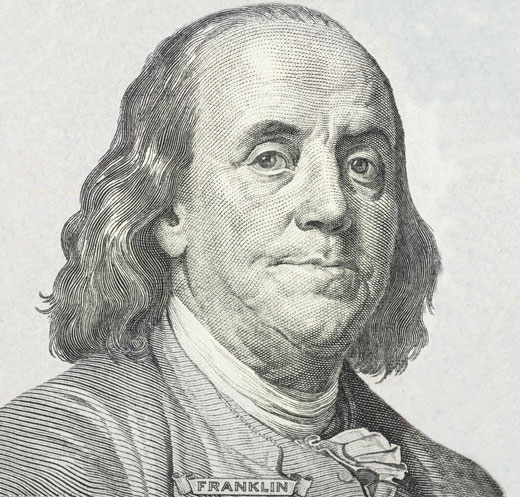
◀ Benjamin Franklin was the first scientist to say that volcanoes can change climate. Europe had a cold winter in 1784. He thought it could have been caused by the fog from Mount Laki’s eruption. It may have blocked enough sunlight to make the weather cold.
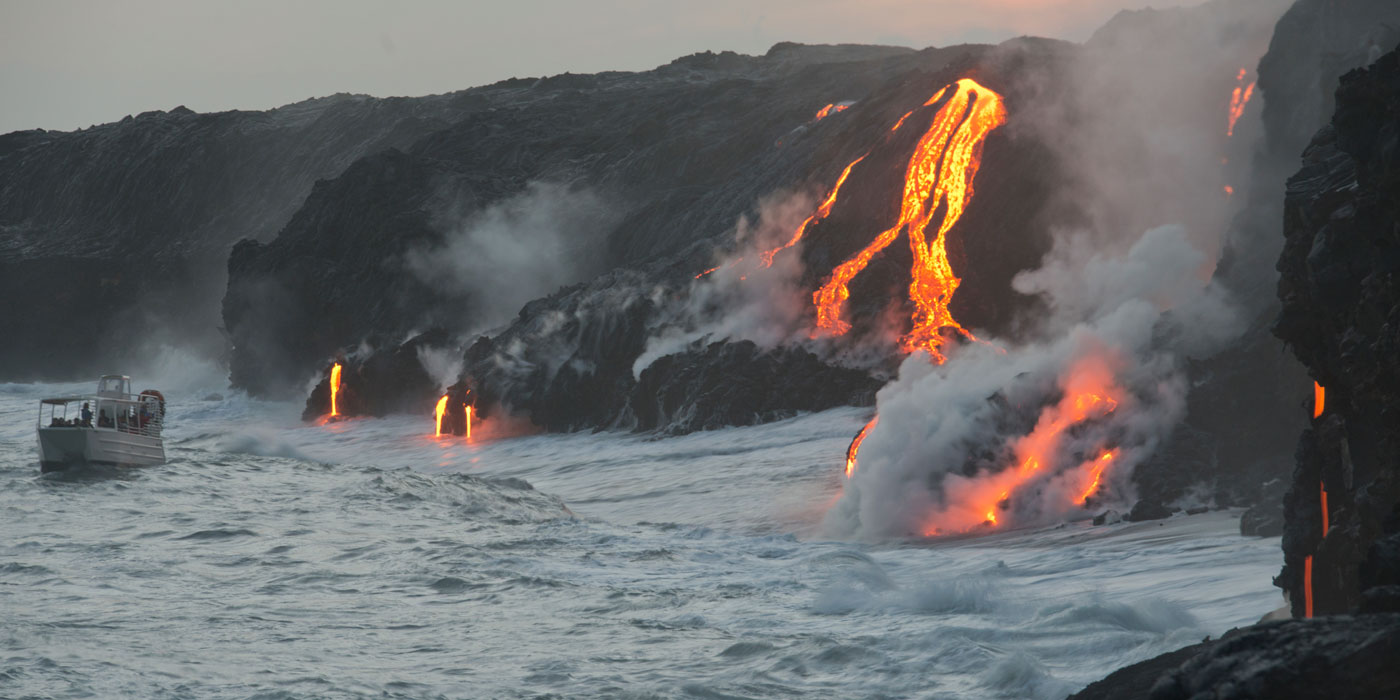
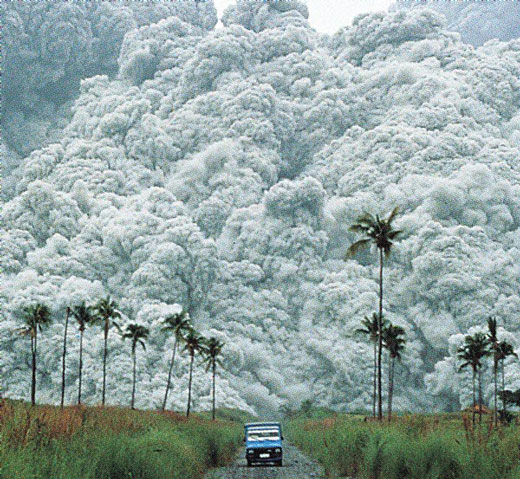
◀ Mount Pinatubo in the Philippines erupted in June 1991. It pushed out tons of ash. The ash was so thick, people had to drive with their car headlights on during the day. Gas clouds from the volcano lowered temperatures around the world.
It wasn’t big, but it was bad. The 1985 eruption of Nevado del Ruiz in Colombia was hot enough to start a mudflow. Melting snow and ice killed 20,000 people. ▶

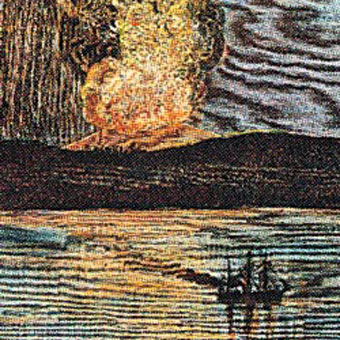
◀ The 1883 eruption of Krakatau in Indonesia was one of the largest natural explosions in history. Rock and ash poured into the sea. They made big sea waves called tsunamis (tsoo-NAM-eez).
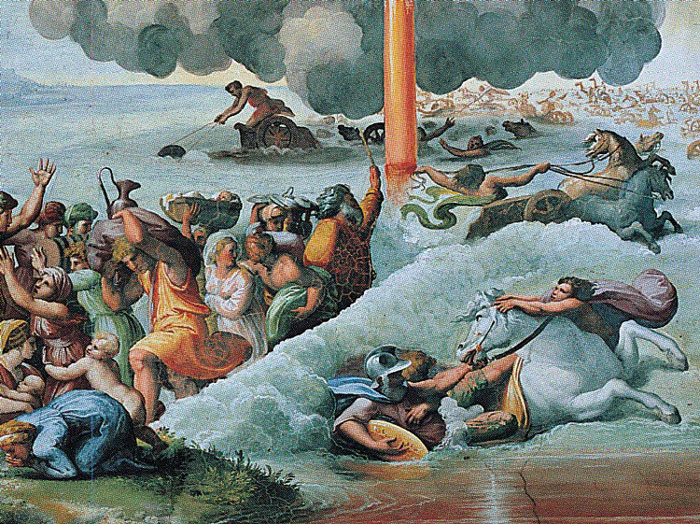
▲ The Bible tells us the Red Sea parted when Moses and the Israelites left Egypt. A tsunami may have caused that miracle.
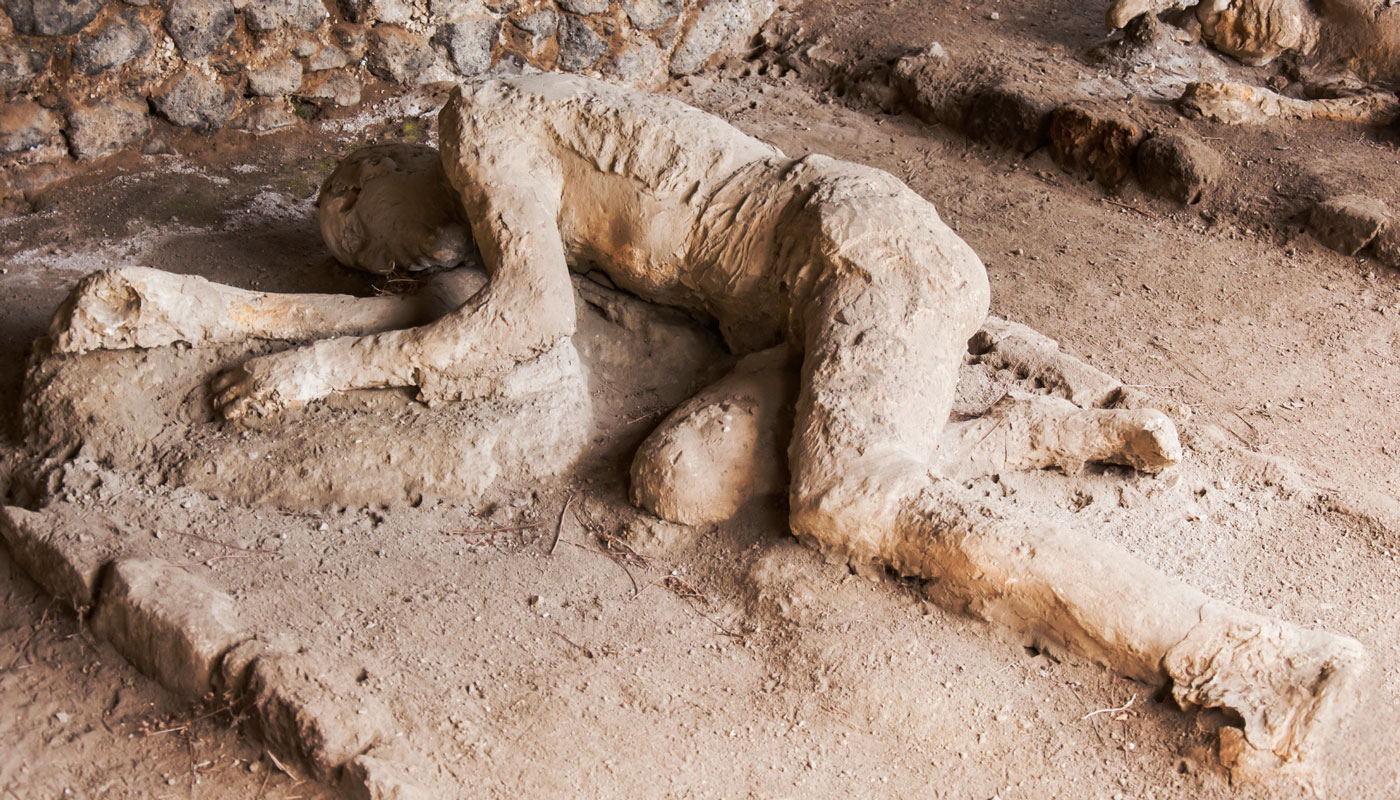
Mount St. Helens
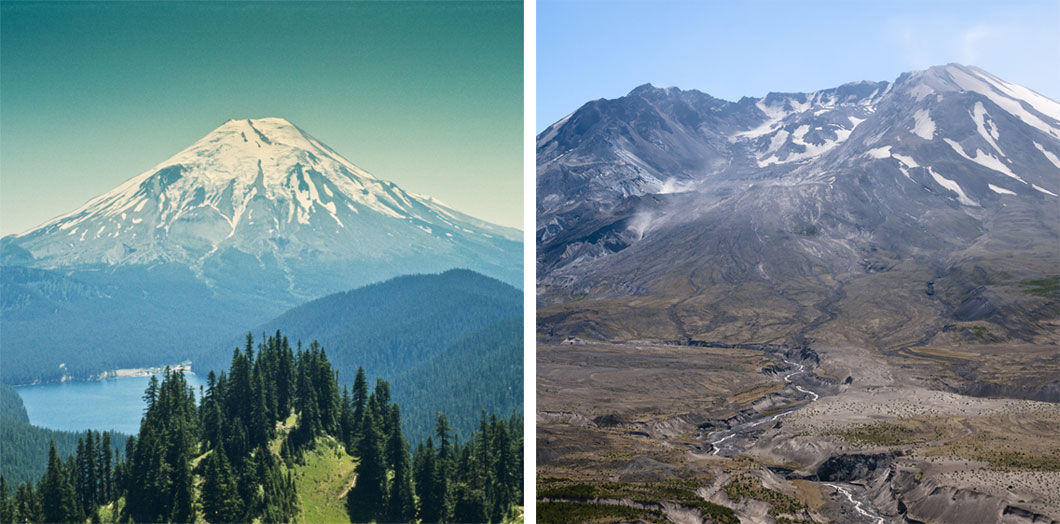
▲ Mount St. Helens erupted on May 18, 1980. Before that, it was a stratovolcano with a perfect shape. It had been formed by many eruptions over 40,000 years. The 1980 event tore 1,300 feet off the mountain’s top! It left the crater shaped like a horseshoe.
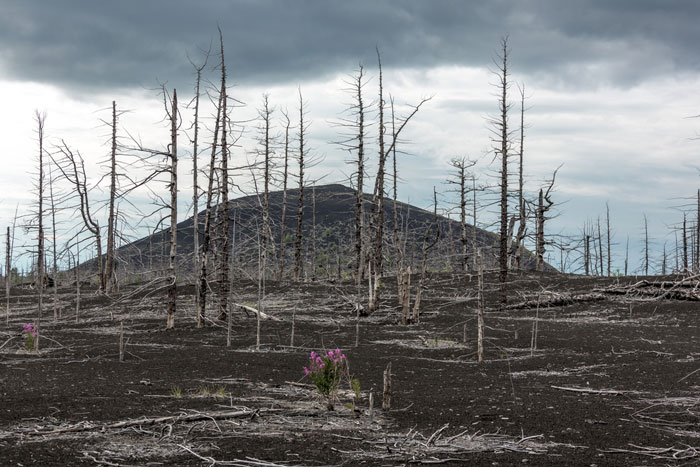
▲ Forests were flattened by rock that burst from the mountain at up to 200 miles per hour. The destruction was bad. But plants started growing on the slopes after a few months.
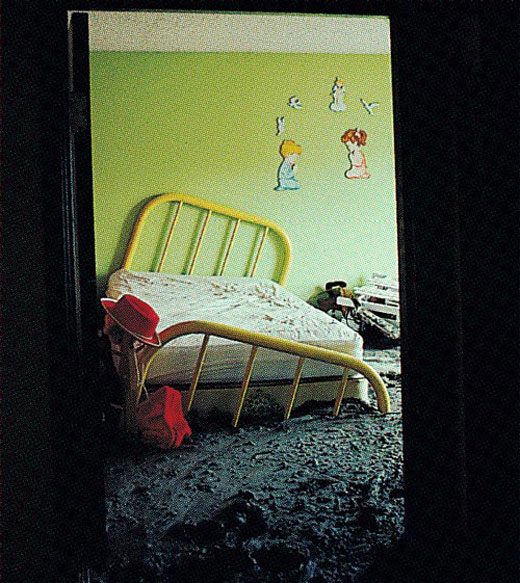
◀ The volcano’s heat melted snow and ice. Below it, thick, stinky mud poured down the North Toutle River Valley. The mud flowed into houses and took away cars.
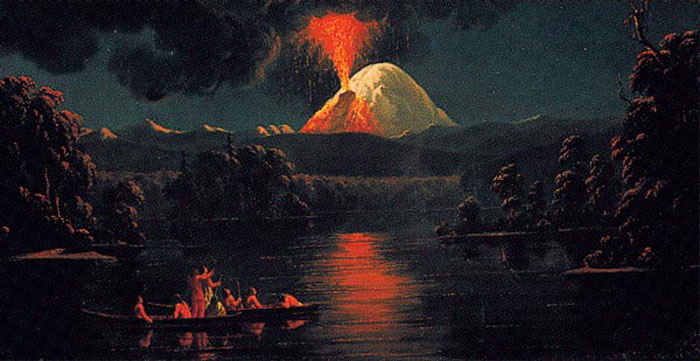
▲ This is an 1847 painting of Flathead Indians. It shows them watching an 1842 eruption of Mount St. Helens. The Indians called the volcano Fire Mountain.