Free
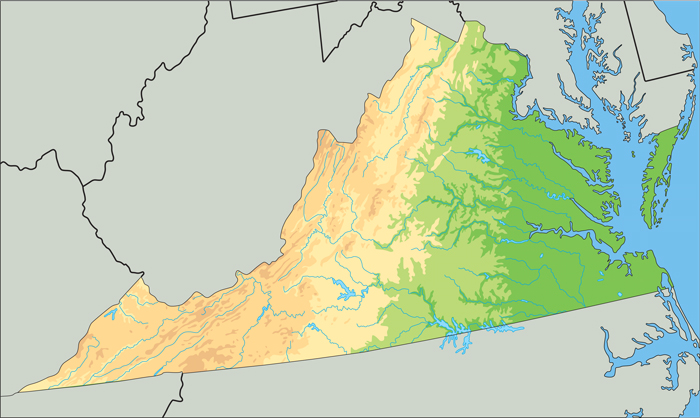
The shape of our state might remind you of a scalene triangle. That’s a triangle with three sides of different lengths.
Our five geographic regions may make you think of five strips, or bands, of land that are more or less parallel to our western border. From east to west, the land changes. It goes from beaches and plains in the east. Then to rolling hills, mountains, and plateaus. By name, these regions are: the Tidewater, or Coastal Plain, the Piedmont, the Blue Ridge Mountains, Valley and Ridge, and the Appalachian Plateau. Let’s have a look.

◀ The Chesapeake Bay is the largest estuary in the U.S. (An estuary is a body of water where fresh water mixes with ocean water.) The Susquehanna River and several other rivers flow into the bay. This is also the area where Jamestown was located. Jamestown was the first successful English settlement.
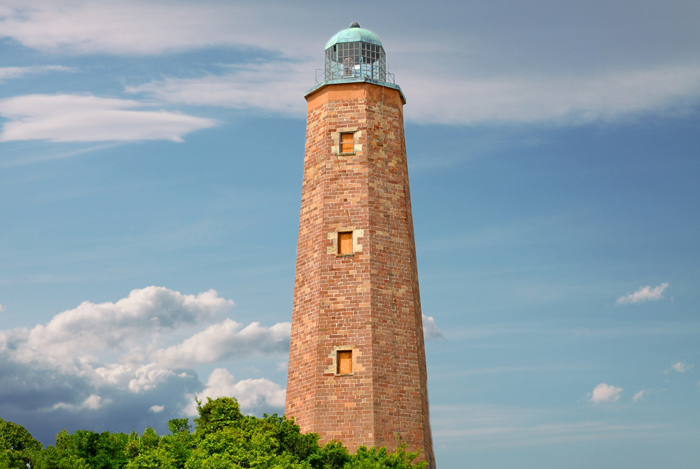
This is the Cape Henry Lighthouse. It is at the southern tip of the Chesapeake Bay. The lighthouse was completed in 1792. It was the first construction project approved by the U.S. government. Today it is a marker for ships approaching the bay during daylight. A second lighthouse was built in the late 19th century. ▶
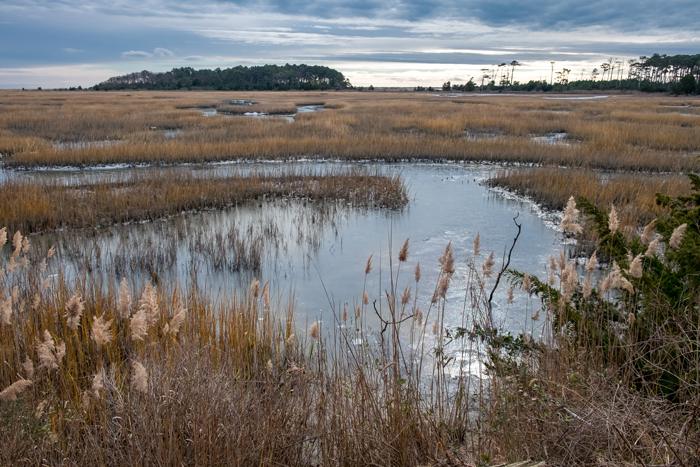
◀ Migrating birds and butterflies find a rest stop at the Eastern Shore of Virginia National Wildlife Refuge. The refuge is at the south end of the Chesapeake Bay. It includes ponds and salt marshes. It also contains woodlands and grasslands. Mammals such as deer find their way to and through the refuge.
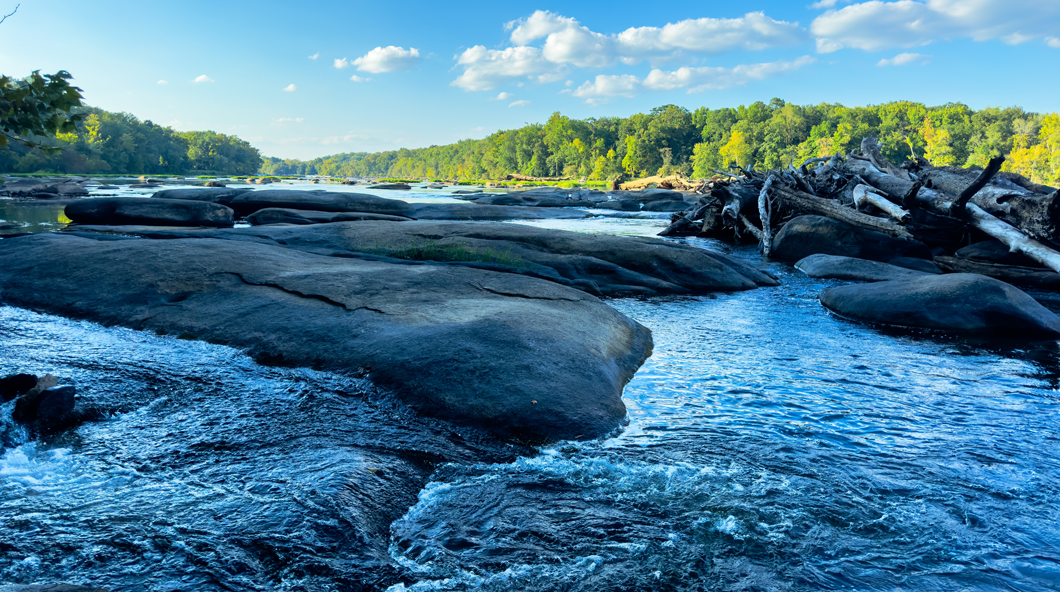
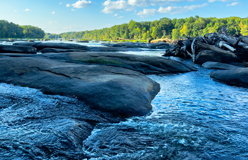
▲ West of the Tidewater region is the Piedmont. Its name means “foot of the mountain” in French. The Piedmont extends west all the way to Virginia’s mountains. To the east, the Piedmont drops off abruptly at the fall line that separates it from the Tidewater. (A fall line is a place where rivers, waterfalls, and rapids spill over hard rock as they flow toward the ocean.) The Piedmont itself is Virginia’s biggest region. It features rolling hills. The hills rise as they approach the Blue Ridge Mountains.
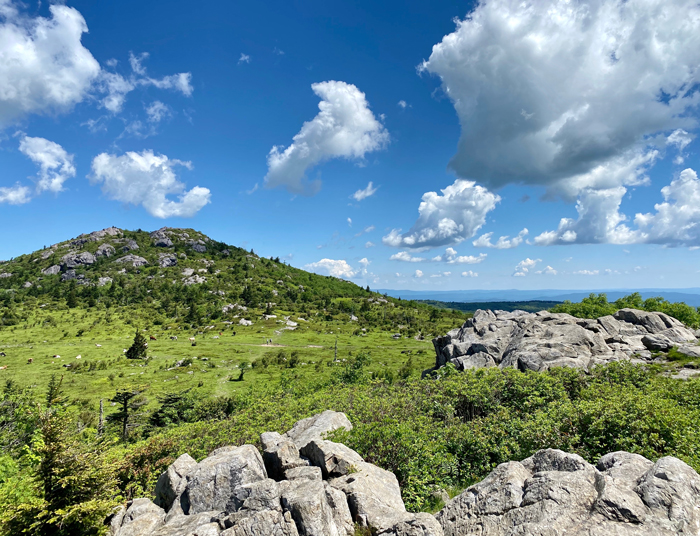
The Blue Ridge Mountains are among the oldest mountain ranges on Earth. They formed about 1 billion years ago. At the time, they included some of the world’s tallest peaks. Since then, the mountains have worn down. Even so, they include Mount Rogers (right). This is Virginia’s highest peak. It’s just over a mile high. The name of the mountains comes from the fact that from a distance they look blue. Part of the Appalachian Trail passes through the Blue Ridge Mountains. This is the longest hiking trail in the world. ▶
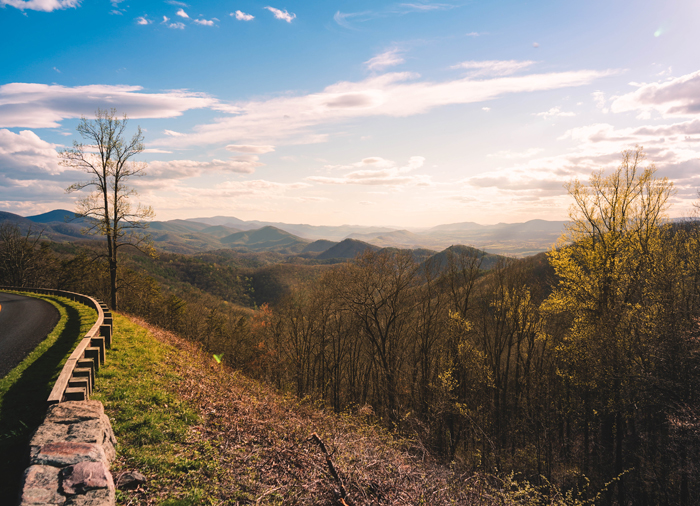
◀ The Valley and Ridge region of our state has caverns, caves, and hot springs. These developed from soft rock, such as limestone. This kind of rock is easily broken down by water. The Valley and Ridge region consists of mountain ranges and valleys of rich soil. The Shenandoah Valley is among the most well-known areas in this region. Shenandoah National Park is here. Skyline Drive (left) is within the park. This is a well-traveled road with plenty of views of the valley.
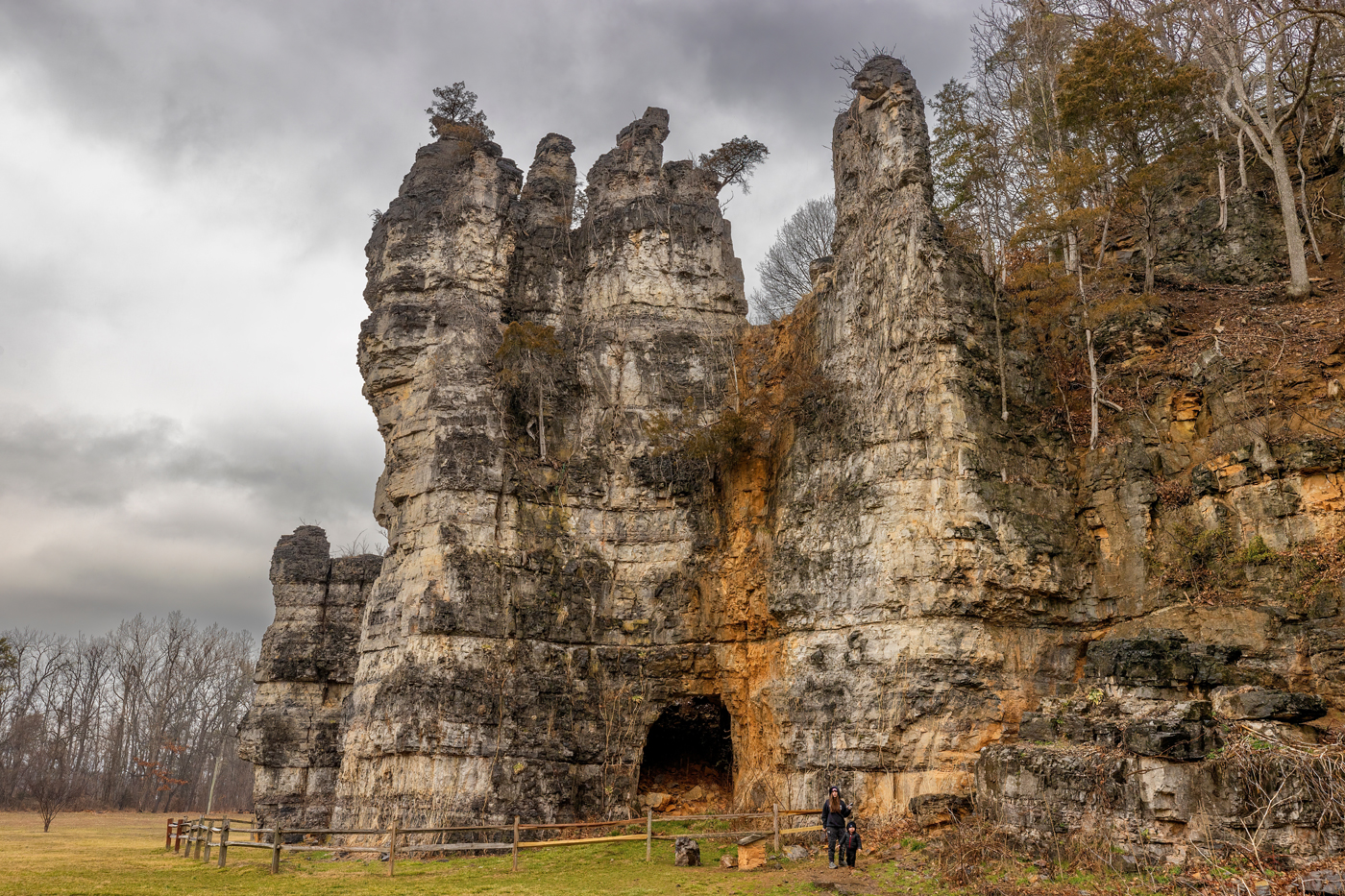
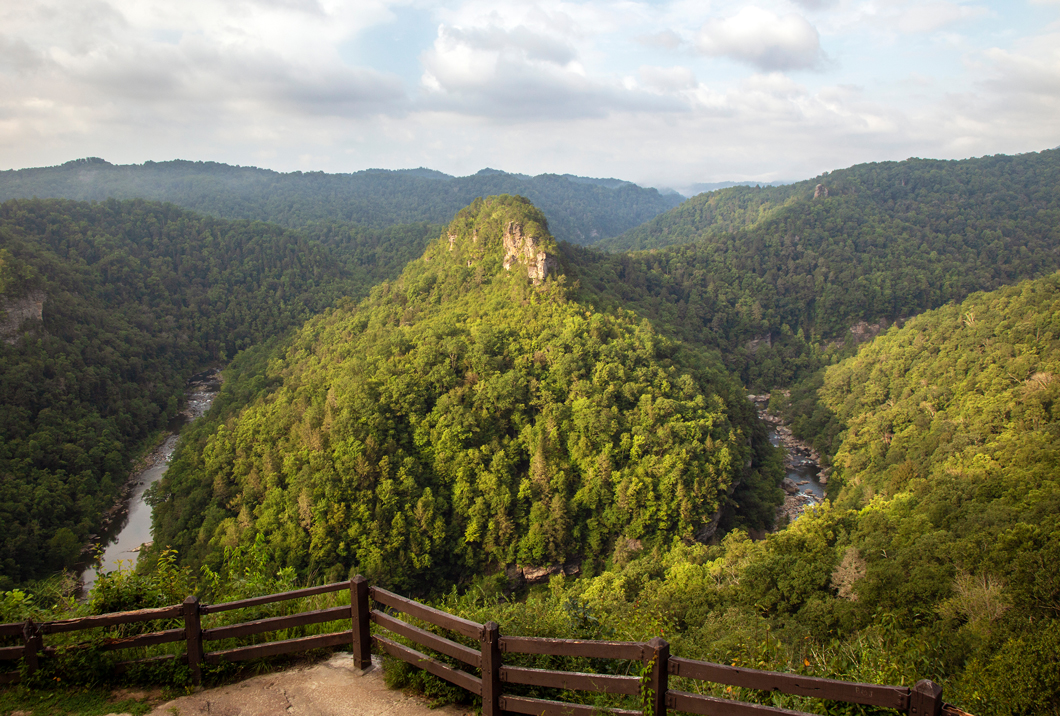
▲ The Appalachian Plateau is the smallest region in Virginia. (Nationally it stretches from New York to Alabama.) The region covers the southwestern part of the state. From a distance, it may look like a mountain range. But it’s not. It’s a plain with a high elevation. The higher parts of the plateau contain natural gas, coal, and oil deposits. These formed millions of years ago.