Free
Sometimes, events that have nothing to do with you may still affect what you think and do.
This is just what happened in Virginia and the other colonies in the late 1700s. Known as the French and Indian War, France and Britain were at war in part over control of North America. The war ended in 1763. Britain had won, but it had been expensive. The country was in debt. To pay the debt, Britain charged the colonies with new taxes. But the colonists said no. And so began the events that led to war between Britain and the colonies.
In 1765, the British passed a law called the Stamp Act. The law required that colonists buy stamps in order to send newspapers, letters, and legal documents. The colonists protested, sometimes violently. Why? Because they didn’t think the British had a right to charge them a tax when they were not represented in the British parliament and didn’t agree to it. “No taxation without representation” was their slogan. The next year, the British repealed, or cancelled, the tax but then created others. The new taxes sparked more protests and, eventually, the American Revolution. ▶

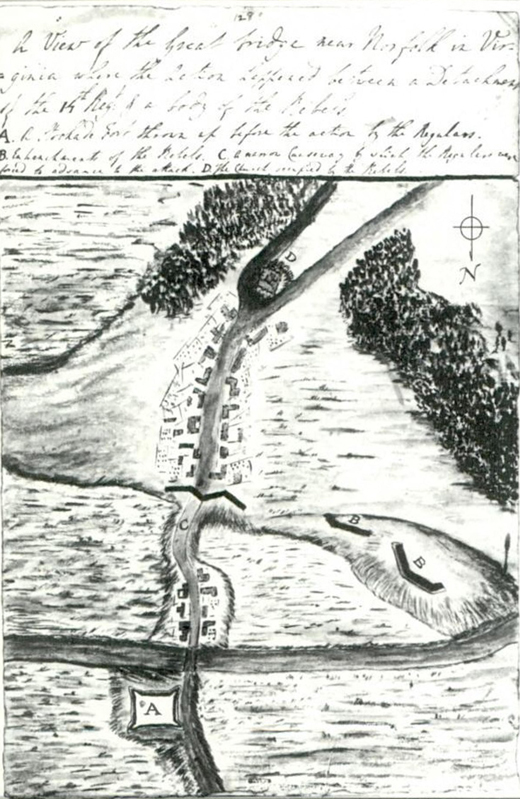
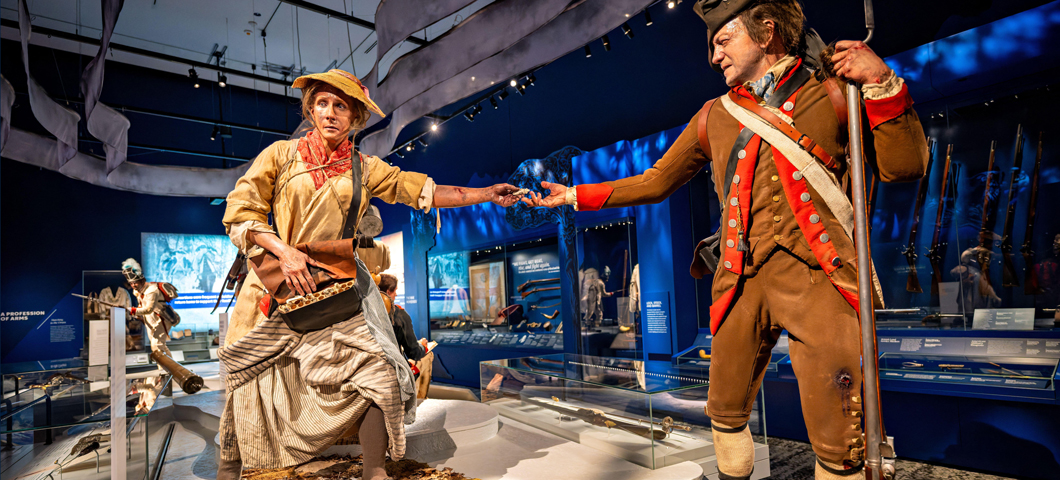
◀ The British did not give up control of the colonies easily. The Patriots, or colonists who wanted independence, had to fight for it. The first battles took place in the towns of Lexington and Concord in Massachusetts. The date was April 19, 1775. The first battle in Virginia, in December 1775, is known as the Battle of Great Bridge. The Great Bridge over the Elizabeth River was on the main route for supplies coming from North Carolina to Norfolk, Virginia. The battle lasted only half an hour. In the end, the British governor of Virginia had to flee Norfolk. Captain Richard Kidder Meade of the Patriots’ Continental Army described the battle this way:
I . . . saw the horrors of war in perfection, worse than can be imagin’d . . . 10 or 12 bullets thro’ many; limbs broke in 2 or 3 places; brains turning out . . . what a sight!
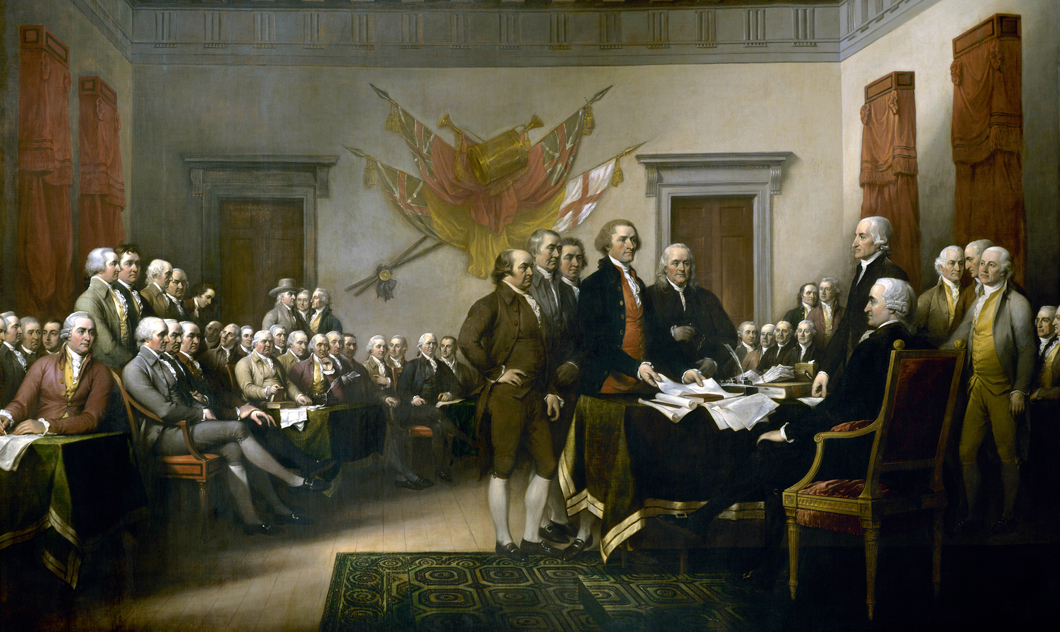
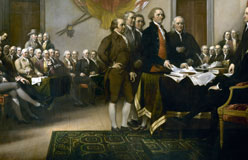
▲ The revolution had begun. It was time for the colonies to put their intentions in writing. In July 1776, members of the Continental Congress met in Philadelphia. The Continental Congress was made up of representatives from Virginia and the other 12 colonies. On July 2, they voted to make the 13 colonies free and independent of Britain. Two days later they announced their vote in a written document – the Declaration of Independence. The declaration is one of the most important documents in our history. It was published in newspapers. It was read aloud at public meetings. It was sent to General George Washington, commander in chief of the Continental Army, and to Britain. The document listed all the complaints the colonies had against Britain. Then this:
We . . . the Representatives of the United States of America . . . do, in the Name, and by Authority of the good People of these Colonies, solemnly publish and declare, That these United Colonies are, and of Right ought to be Free and Independent States; that they are Absolved [freed] from all Allegiance [loyalty] to the British Crown, and that all political connection between them and the State of Great Britain, is and ought to be totally dissolved [ended] . . . .
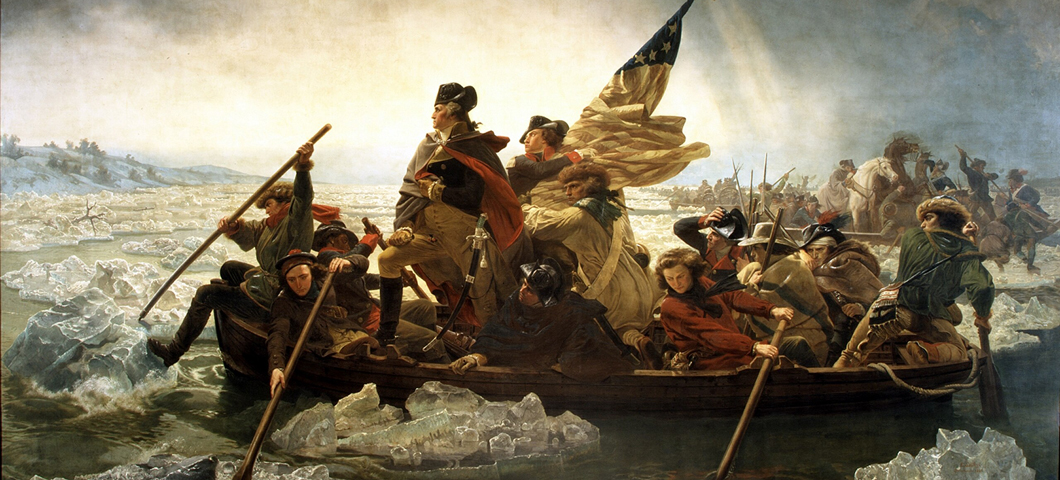
The revolution continued into the fall of 1781. At that time, the British, under General Charles Cornwallis, controlled Yorktown, Virginia. General George Washington decided to lead his soldiers from New York to Yorktown. The Battle of Yorktown lasted three weeks. On October 19, the British gave up. When news of the surrender reached Britain, the prime minister declared, “Oh God. It is all over. It is all over.” And it was. Within six months, the British government passed a bill to make peace with America. ▶
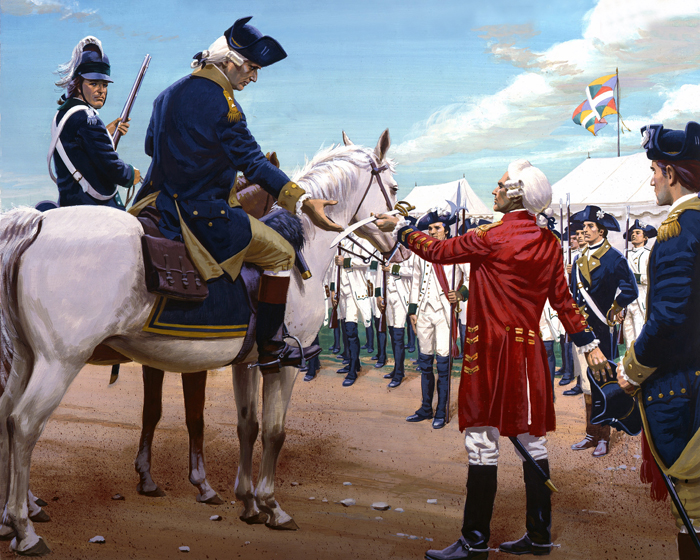
General George Cornwallis surrenders his sword to General George Washington.
Revolutionary Virginians
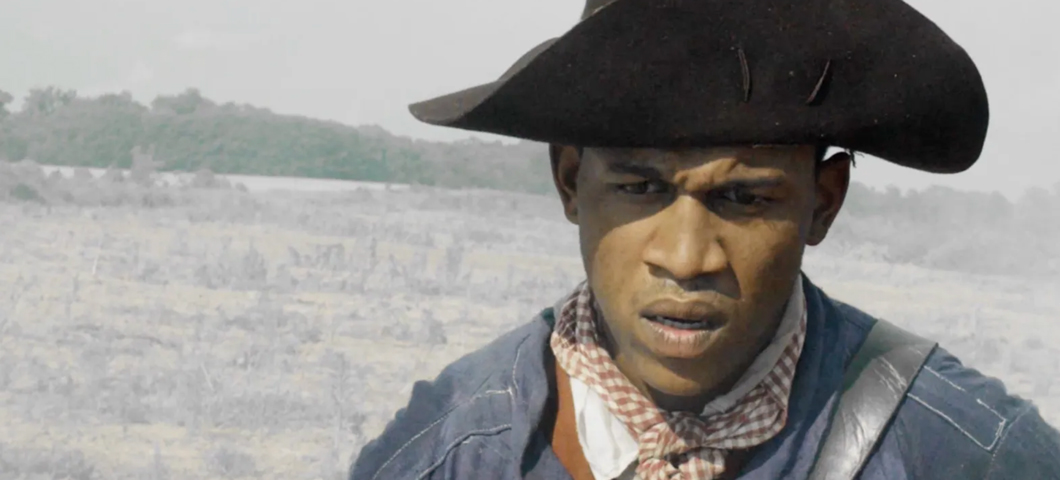
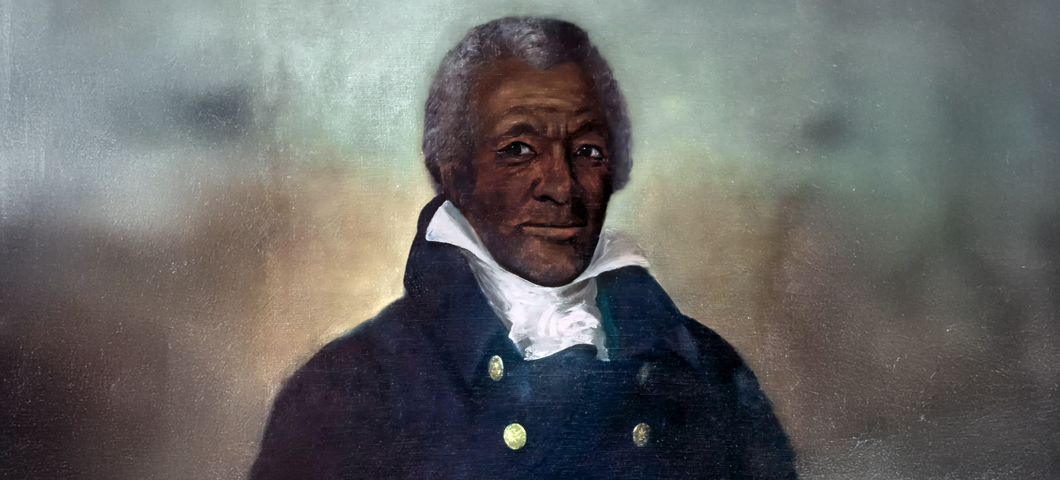
William “Billy” Flora was born a free Black person in Portsmouth, Virginia. He was among those who stood guard on the Great Bridge, ready to alert other troops when the British attacked. Flora was the last guard to leave the bridge. He is given credit for slowing the British attack so the Patriots could get their defenses ready. Shown here is Lance Lemon, who portrays Billy Flora in the film Liberty Fever. It can be seen at the American Revolution Museum at Yorktown.