Free
The first cause that brought many women together wasn’t women’s rights. It was the movement to get rid of slavery. Black and white women began to speak out.
They wanted the right to take part in politics. Still, many anti-slavery groups didn’t accept female members.
In 1833, Lucretia Mott helped form the Philadelphia Female Anti-Slavery Society. Similar groups began in other cities. In these groups, women learned how to organize a drive and print booklets. They also learned how to lead meetings, write petitions, and speak to crowds. In 1840, Mott and Elizabeth Cady Stanton went to the World Anti-Slavery Convention in London. But they weren’t allowed to take part. The two decided to fight for women’s rights.
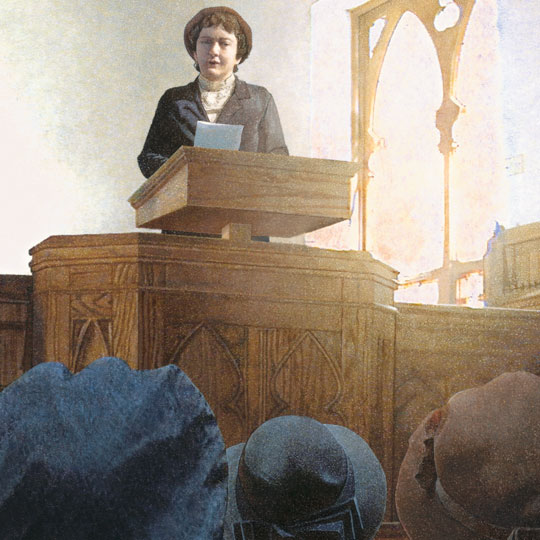
◀ In 1848, Stanton, Mott, and a few others organized a convention to discuss women’s rights. It was held in Seneca Falls, New York. Stanton read a paper she had written called the Declaration of Sentiments. It was based on the Declaration of Independence. That earlier document says all men are created equal. But Stanton wrote: “We hold these truths to be self-evident; that all men and women are created equal.” The Seneca Falls convention got a lot of attention—negative and positive. Some people condemned the women. Others made fun of them. One newspaper said the convention was “the most shocking and unnatural incident ever recorded in the history of womanity.” However, many women began to organize to fight for their rights.
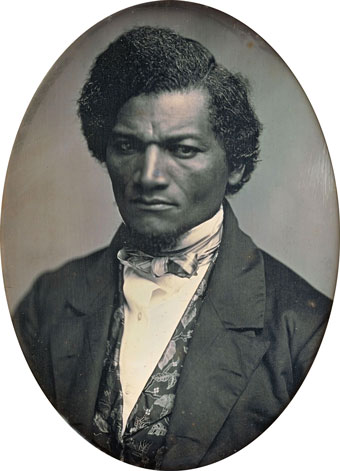
At Seneca Falls, Stanton presented 12 resolutions for women’s rights. They included the right to vote and to get an education. They also included the right to own property and to testify in court. The men and women at the convention passed 11 resolutions. Not one person voted against them. But the one calling for the vote caused arguments. Even Lucretia Mott thought that was too bold. Then the famous black abolitionist Frederick Douglass (right) spoke in favor of it. The resolution passed, but the vote was close. ▶
◀ Women had to be brave to speak out. Community and religious leaders—and sometimes members of their own families—attacked them. Elizabeth Cady Stanton’s father disowned her. But later, he put her back in his will.
Slowly, attitudes began to change. In 1860, New York passed a women’s rights bill. It allowed women to own property, sign contracts, keep earnings and inheritances, and share the custody of children after a divorce. Other states followed New York’s lead. But none of them gave women the right to vote.

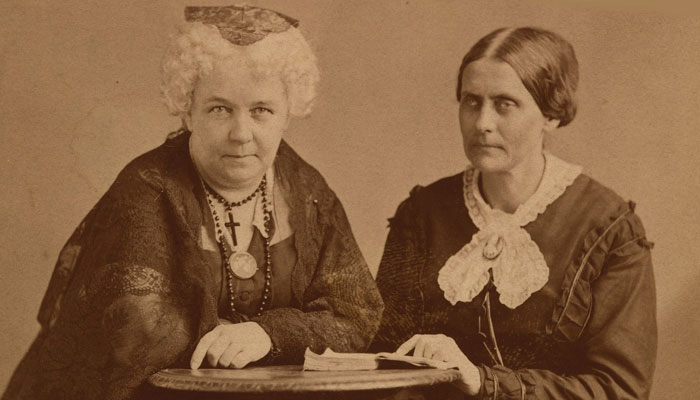
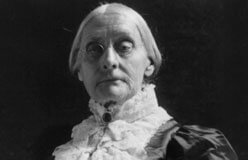
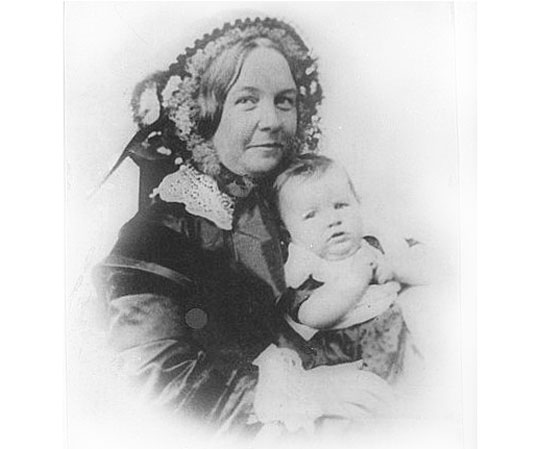
▲ The Civil War was over. Susan B. Anthony (above right), Elizabeth Cady Stanton (left), and Frederick Douglass began working together. They wanted suffrage for women and African Americans. But the Republican Party told them that only one group would be allowed to vote. The 15th Amendment was proposed. It would give black men the right to vote. The National Woman Suffrage Association (NWSA), which was Stanton and Anthony’s organization, was against this. It kept fighting for an amendment that would give women the vote.
Some suffragists didn’t agree with the NWSA. Lucy Stone and Julia Ward Howe helped form the American Woman Suffrage Association (AWSA). It supported the 15th Amendment. It also decided to fight for women’s suffrage state by state. ▶
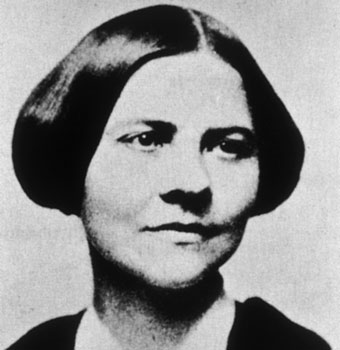
▲ Lucy Stone
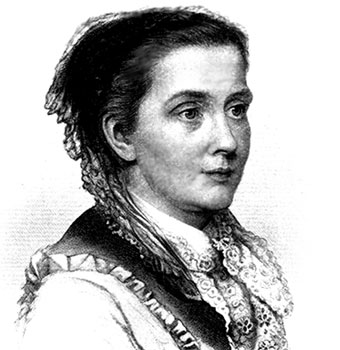
▲ Julia Ward Howe
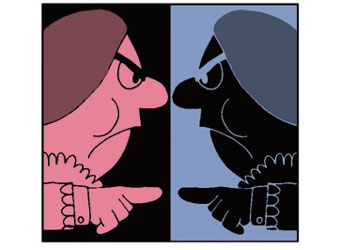
◀ This split over black and female suffrage caused problems. It made some African-American women distrust white suffragists. They formed separate women’s organizations.