Free
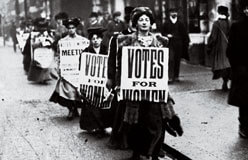
Winning the right to vote was a big step forward for women’s rights, but it was only one step.
There was, and is, still more work to be done.
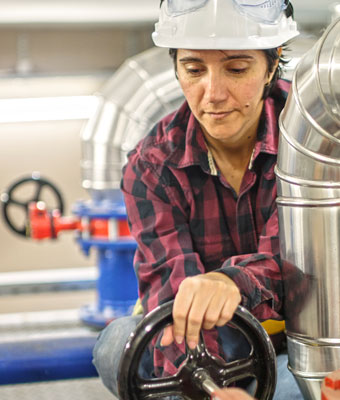
Even in the 1970s, educational opportunities for women and men were not equal. Women went to high school and college. But they were expected to take classes that prepared them for marriage, motherhood, and “female” professions, such as nursing. In the 1970s, Congress passed various acts. They made sure that educational opportunities would be equal. One result was that girls could take shop classes, and boys could take cooking classes. ▶
◀ Laws say male and female workers should be treated equally. Yet women still face unfairness in the workplace. Census data from 2010 showed that women made up 50 percent of the workforce. But only 25 percent of them held management jobs. For every dollar earned by men, women earned about 75 cents.

Women make up half of the voting population. But few women have been elected to high public office. In 1924, Wyoming elected the first female governor. Since then, 36 women have served as governor in 27 states. In 2015, only five states had female governors. In the 114th Congress (2015–2016), only 20 of 100 senators and 84 of 435 members of the House of Representatives were women.
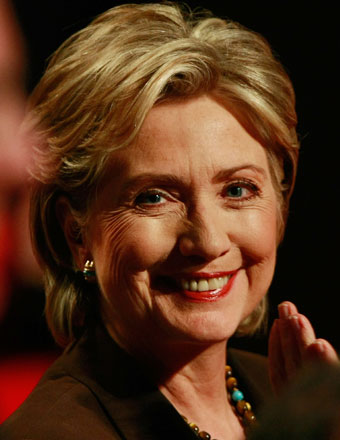
◀ In 2008, Hillary Clinton ran against Barack Obama to be the presidential candidate for the Democratic party. Although she lost, she went on to serve as secretary of state. She is one of only three women to have held that office. Then, in 2016, Clinton became the first woman to run in a presidential election.
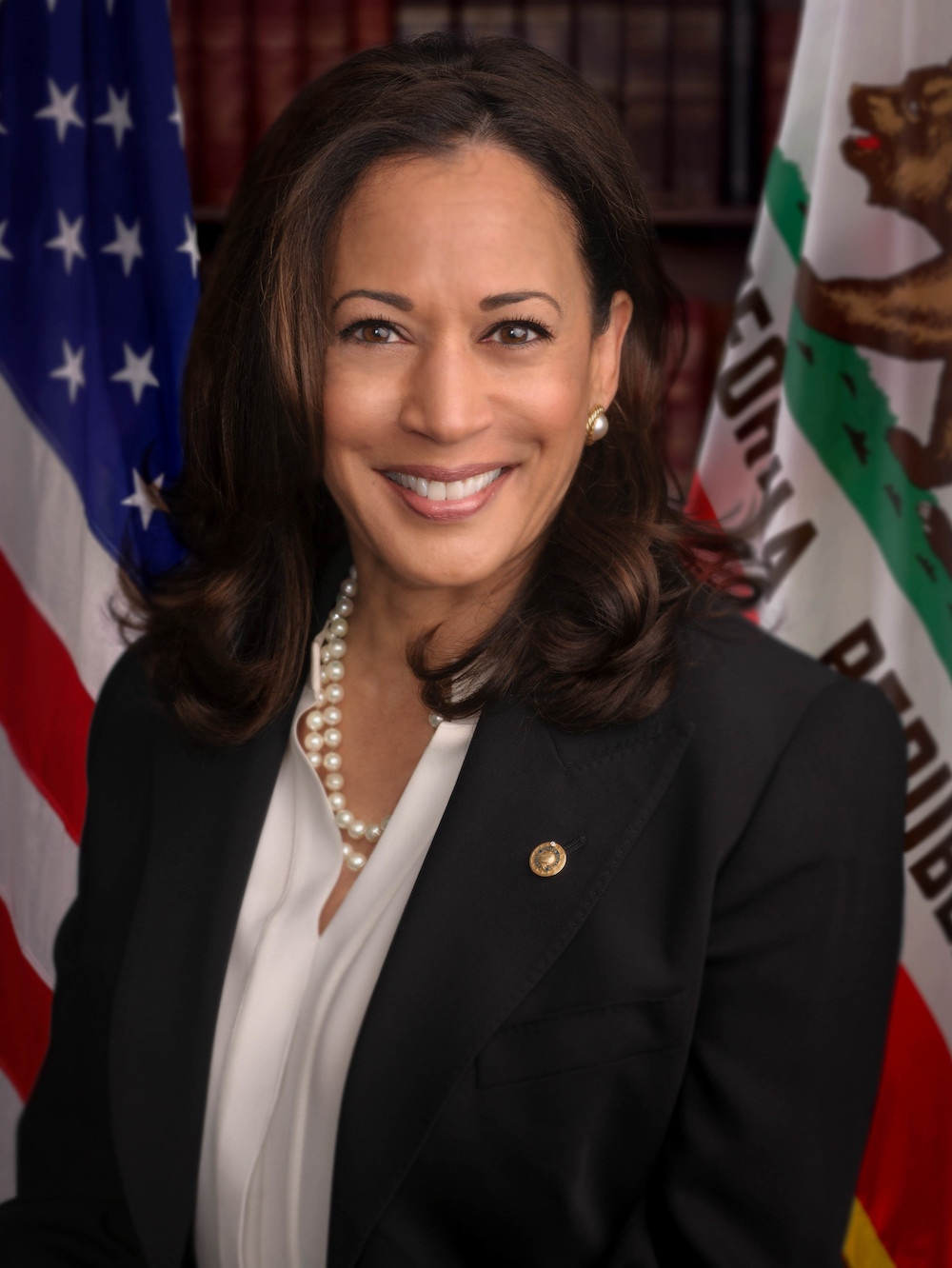
Democrat Kamala Harris is not the first woman nominated to run for the office of vice president of the United States. But in 2020, she was the first to be elected. Republican Sarah Palin ran for the office in 2008. And Democrat Geraldine Ferraro ran for the office in 1984. Other women have been placed in nomination for vice president or have won electoral votes. But they were not widely supported. Vice President Harris is also the first African American to hold that position. She is the first Asian American, too. Vice President Harris is also among five other women of color ever to have been elected to the U.S. Senate. In addition, she is the first woman and first African American to have been attorney general of California. ▶
Think Piece!
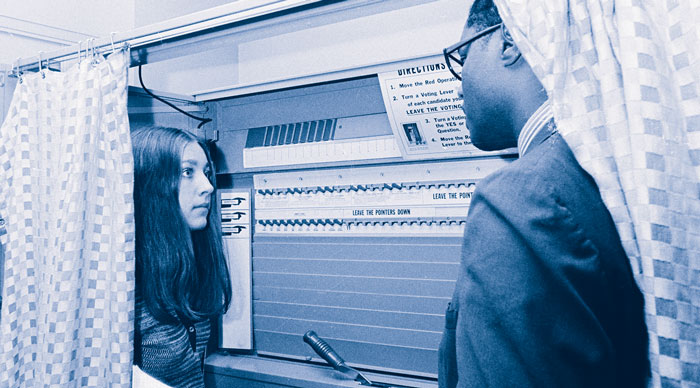
The 26th Amendment to the Constitution, which was passed in 1971, gave 18-year-olds the right to vote. What do you think the U.S. voting age should be?
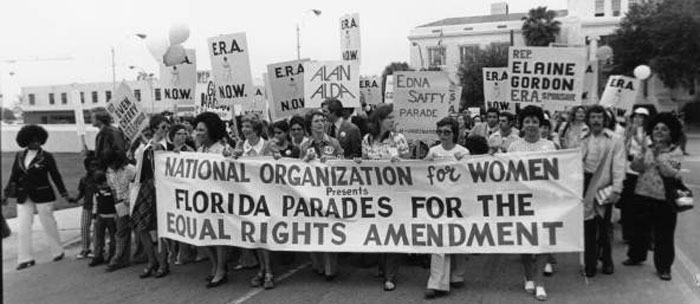
In 1923, some suffragists proposed another amendment to the Constitution. It was known as the Equal Rights Amendment (ERA). It would guarantee both sexes equal treatment under the law. Congress finally passed the amendment in 1972, but it failed to receive the three-fourths approval that is required from the states. ▼
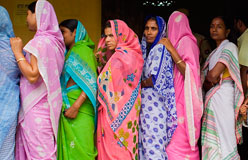
Women Around the World

Think Piece!
In 46 states, felons (people convicted of serious crimes) cannot vote while they are in prison. In ten states, these people cannot vote even after they get out of prison. Do you think this is fair?
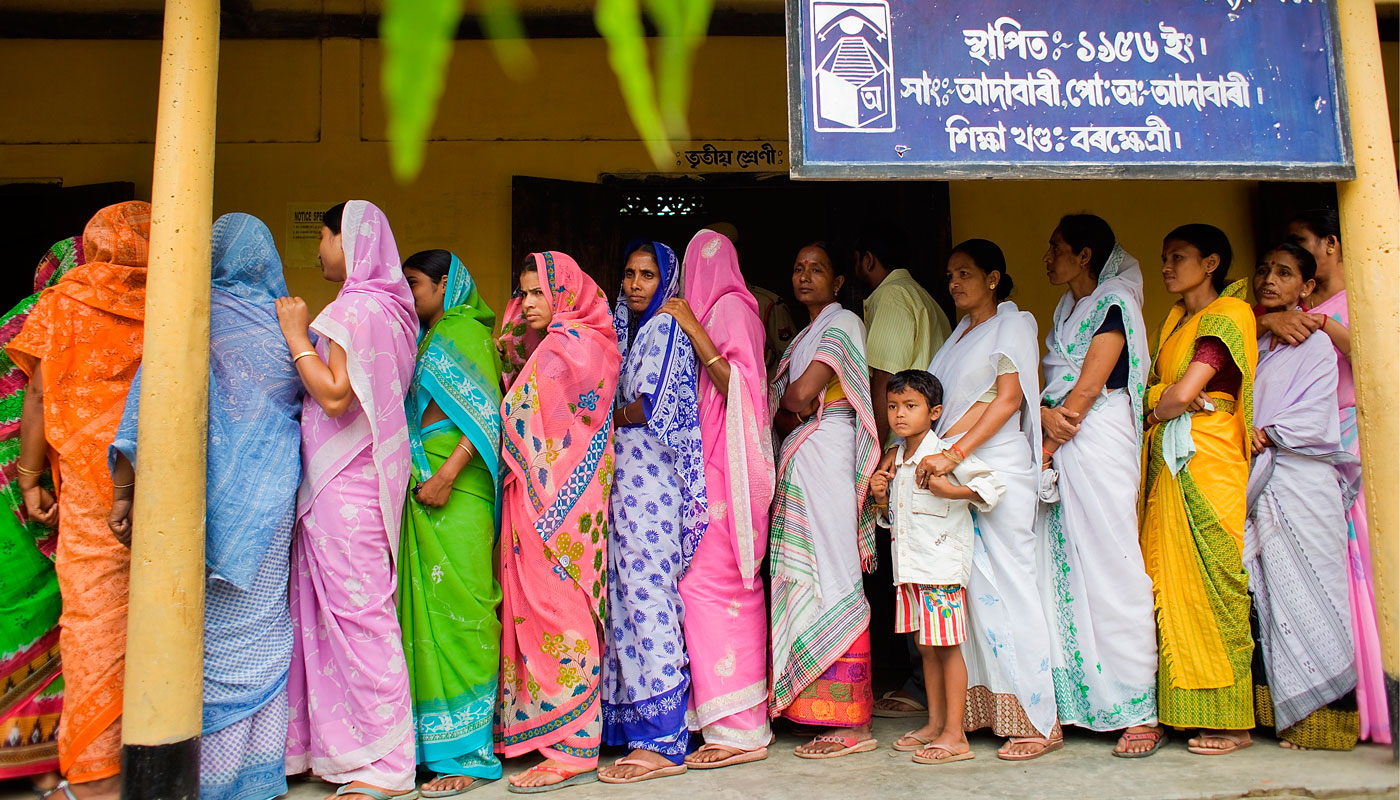
In the last 100 years, 78 women have become presidents or prime ministers of their countries. Some of them were elected. Others were appointed. Indira Gandhi of India, Margaret Thatcher of Great Britain, Angela Merkel of Germany, and Golda Meir of Israel are among the best known. ▼
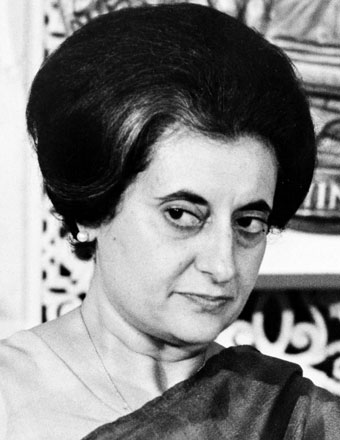
▲ Indira Gandhi
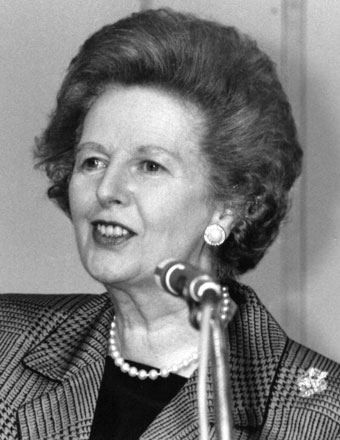
▲ Margaret Thatcher

▲ Angela Merkel
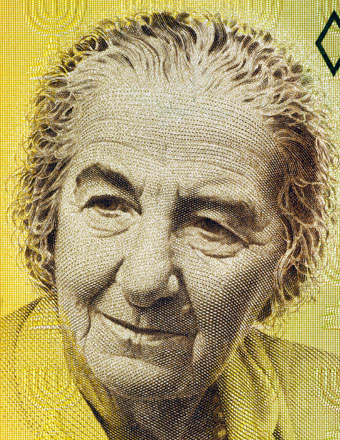
▲ Golda Meir
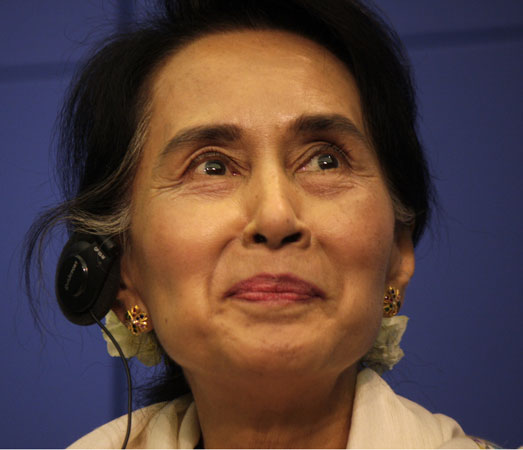
Aung San Suu Kyi fought for democratic elections in Myanmar (Burma). Her party won 80 percent of the vote in 1990. She was expected to become prime minister. However, the military government refused to recognize the results of the election. Suu Kyi spent almost 15 of the 21 years between 1989 and 2010 under house arrest. She was awarded the Nobel Peace Prize in 1991. Suu Kyi was elected to parliament in 2012 and is chairperson of Myanmar’s National League for Democracy party.