Free
In wartime, it helps to know the enemy’s plans.
A spy’s job is to find out enemy secrets. Women made good spies during the Revolution because no one thought they could be clever enough or brave enough to do the job. Several women became saboteurs (sa-buh-TERS). Saboteurs commit acts of sabotage, meaning that they destroy things that the enemy could use.
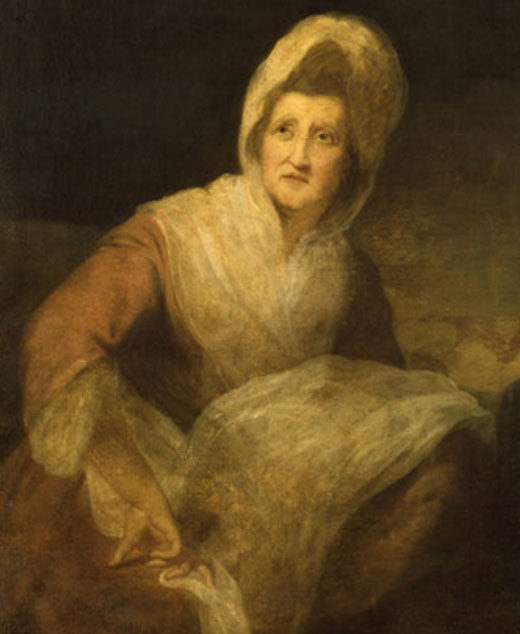
◀ Patience Lovell Wright was an artist who made wax figures of famous people. In 1772, she moved to England. She met many important people there. When the Revolution started, Lovell began to spy for the Patriots. She passed along information she heard from her famous friends. People say she sent information to the colonies by hiding messages inside the wax figures that she shipped over for display.
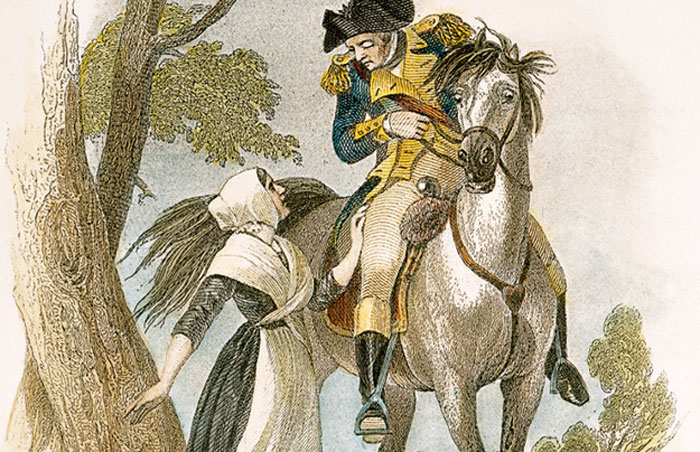
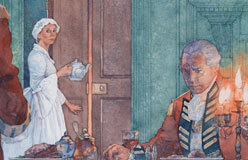
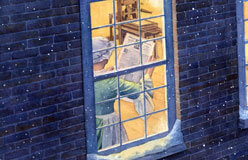
▲ Lydia Darragh was a midwife, nurse, and undertaker. Her family were Quakers, who did not believe in war. But they supported the Revolution. When British officers took over rooms in her family’s Philadelphia home for meetings, she listened to their conversations at a keyhole. Her son then carried information to Washington’s troops outside of the city. One time, when Darragh thought the danger was too great to risk her son, she walked six miles until she met one of Washington’s scouts. Her information helped Washington prepare for a British attack.
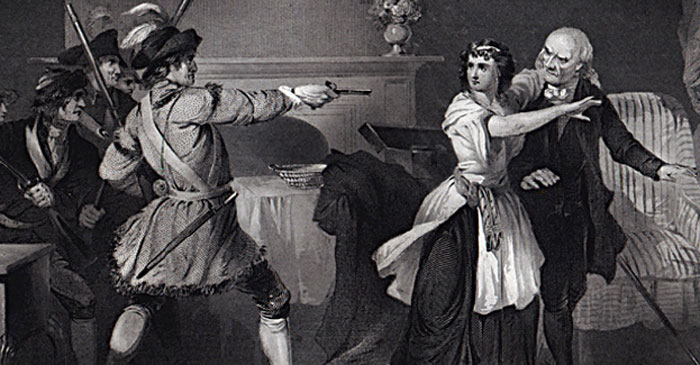
◀ Laodicea “Dicey” Langston was 15 years old when Loyalist troops camped near her family’s South Carolina farm. She watched the Loyalists for months. She passed on information to local Patriot militias. One night she traveled 20 miles to warn her brother’s militia about a planned Loyalist attack. Here, Langston defends her father against British soldiers. They were impressed by her bravery.
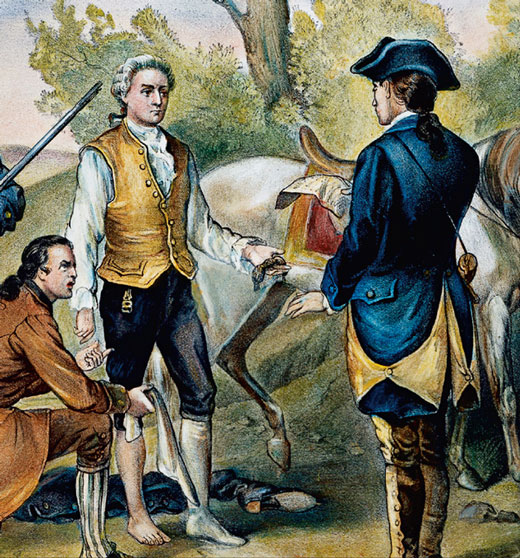
Patriot women usually gave the troops tips they had simply overheard. But Sally Townsend was part of a professional spy ring. When the British took over New York City, some of them stayed at the boardinghouse her father ran. Sally gathered information there. Thanks to a tip from her, Patriot forces captured Major John André. He was an important British spy. The papers he carried proved that Patriot traitor Benedict Arnold was about to turn over the fort at West Point to the British. ▶
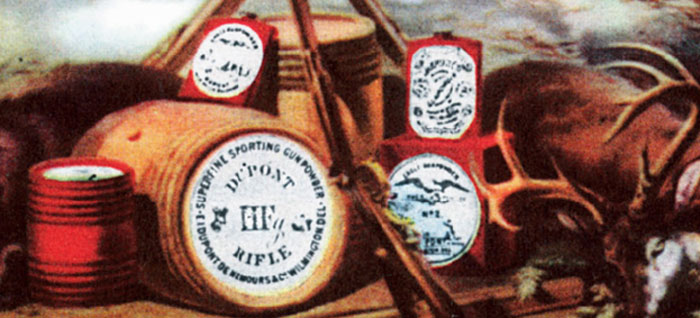
▲ In 1780, Martha Bratton’s husband left her guarding a warehouse full of gunpowder in South Carolina. Bratton learned that Loyalists planned to raid the warehouse. So she set it on fire. All the ammunition was destroyed, but this kept it from falling into Loyalist hands.
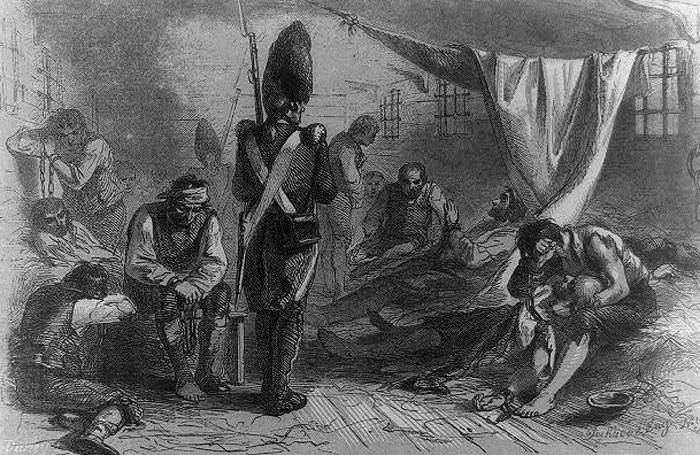
◀ Many Patriot prisoners of war were kept on British prison ships in New York Harbor. Conditions on these ships were horrible. Elizabeth Burgin was a widow and a mother. She often took food and supplies to the prisoners. In 1779, she helped more than 200 men escape by giving them the details of a Patriot plan to get them off the ships.
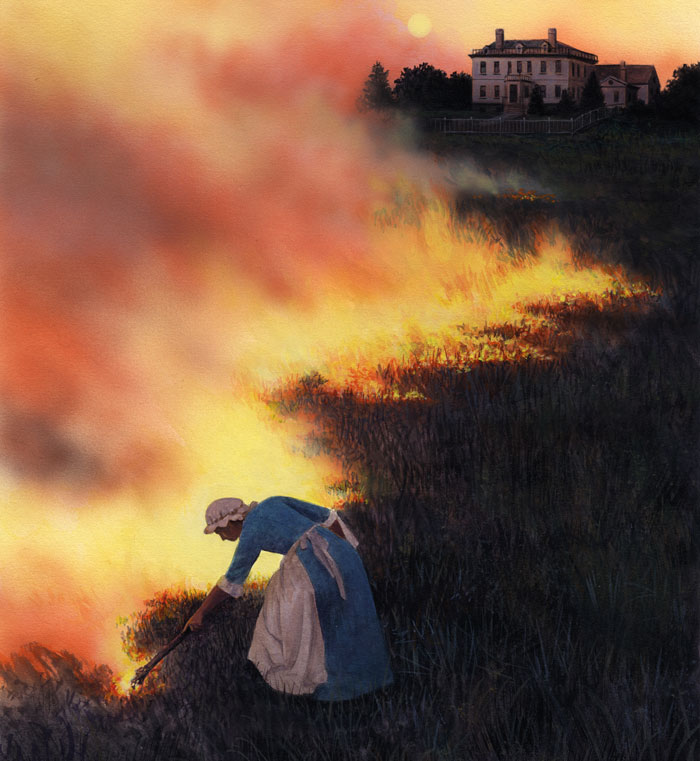
▲ Some Patriot women burned their own property to keep it out of Loyalist hands. In upstate New York, Catherine Schuyler set fire to her family’s wheat fields. That kept British troops from using the crops. In revenge, the British burned down Schuyler’s house.