Free
If you were to hike the 300 miles of the northern border of our state, you would have two choices.
You could go mostly downhill from west to east or mostly uphill from east to west. Either way, you would pass through each of our three geographic regions: the Mountain Region, the Piedmont, and the Coastal Plain.
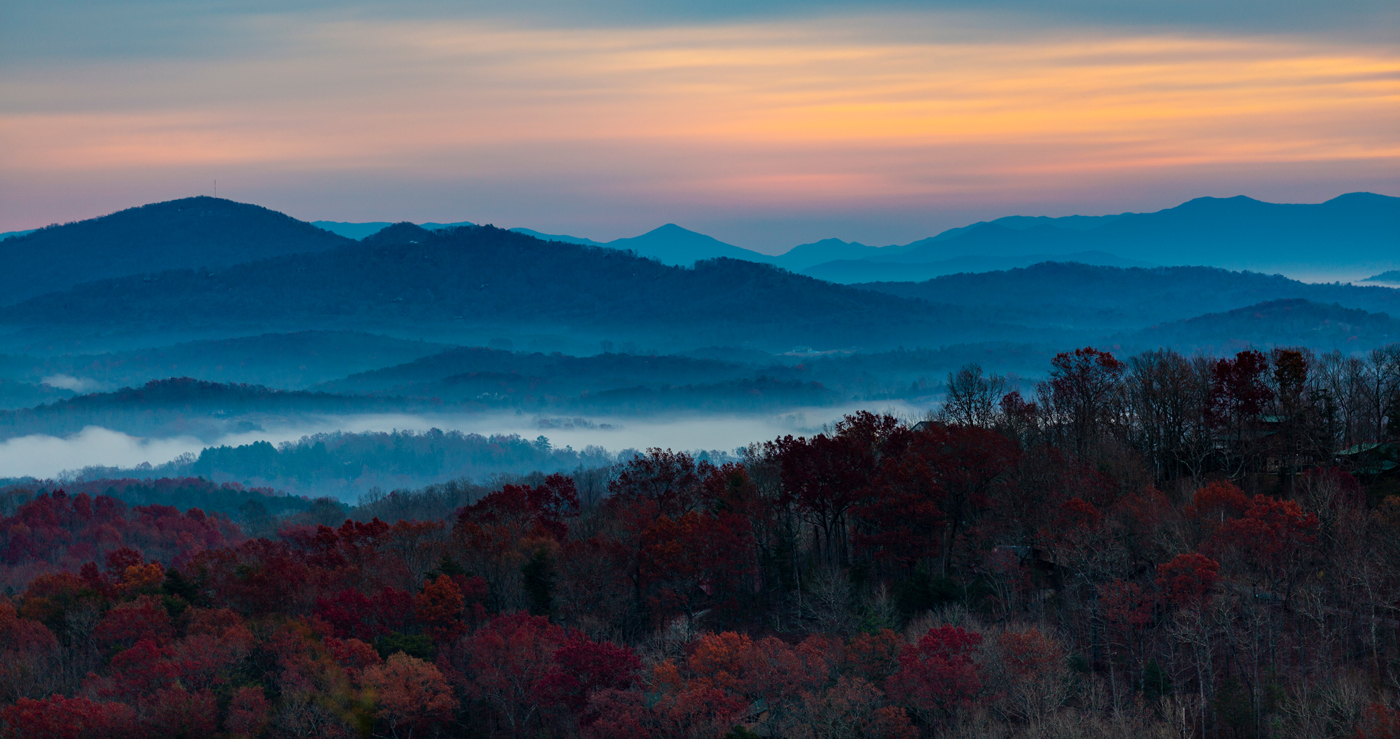
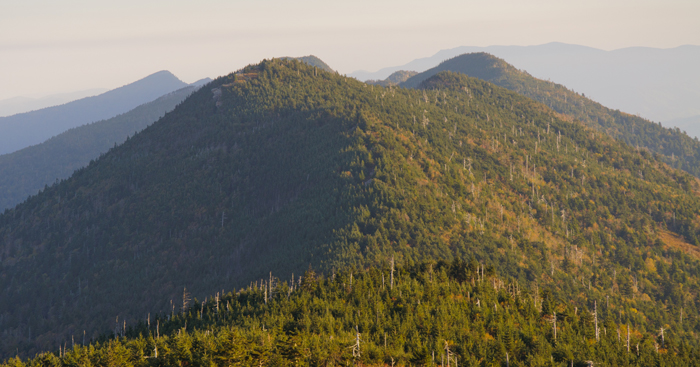
◀ Mount Mitchell in the Blue Ridge Mountains is the highest peak in North Carolina. It’s also the highest peak east of the Mississippi River. The peak is named for university professor Elisha Mitchell who, in 1835, identified it as the highest point east of the Rockies. The summit, or top of the mountain, is more than a mile high.
Loading the player...
▲ It’s called the Mile High Swinging Bridge. That’s because it’s more than a mile above sea level, and it sways, or swings, as you walk across it. This is the highest suspension footbridge in the U.S. A suspension bridge is one that hangs from cables attached to tall towers. The bridge is on Grandfather Mountain, which is part of the Blue Ridge Mountains. Grandfather Mountain itself is part of the Southern Appalachian Biosphere Reserve. As such, it is recognized by the United Nations Educational, Scientific, and Cultural Organization as one of the most important natural places on the planet.
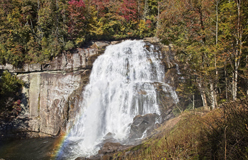
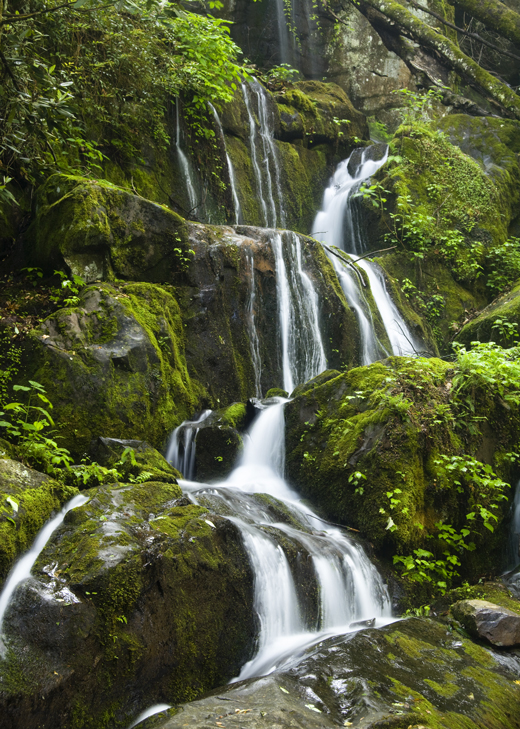
The Great Smoky Mountains are within the Appalachian mountain range. The national park they are part of is one of the most visited national parks in the U.S. Like the Blue Ridge Mountains, their smoky haze comes from chemicals released by trees. Among the many waterfalls in the Great Smokies is the Place of a Thousand Drips. The name refers to all the pathways that create the trickles of water down the mountainside. The flow is heavier after a rainfall. ▶
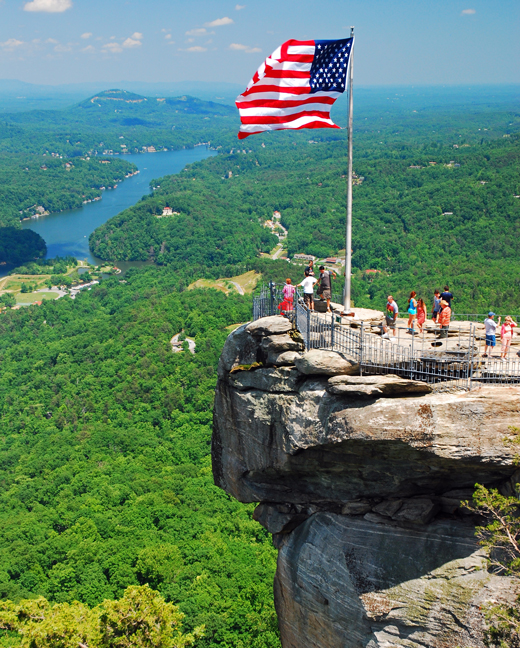
◀ Chimney Rock is 535 million years old. The rock was formed by the erosion of wind and water and by ice freezing and thawing. Look in one direction from the top of the rock and you see the Blue Ridge Mountains. Look in another and you see the rolling hills of the Piedmont. Chimney Rock was used as a landmark by Indigenous (Native) peoples, who believed it to be sacred. Nineteenth-century science writer and gardener Silas McDowell described Chimney Rock this way:
One of Nature’s sublimest poems, where objects are so weird, beautiful and grand that words cannot translate them, and they can only be seen and felt when we look, wonder and admire in dumb amazement.
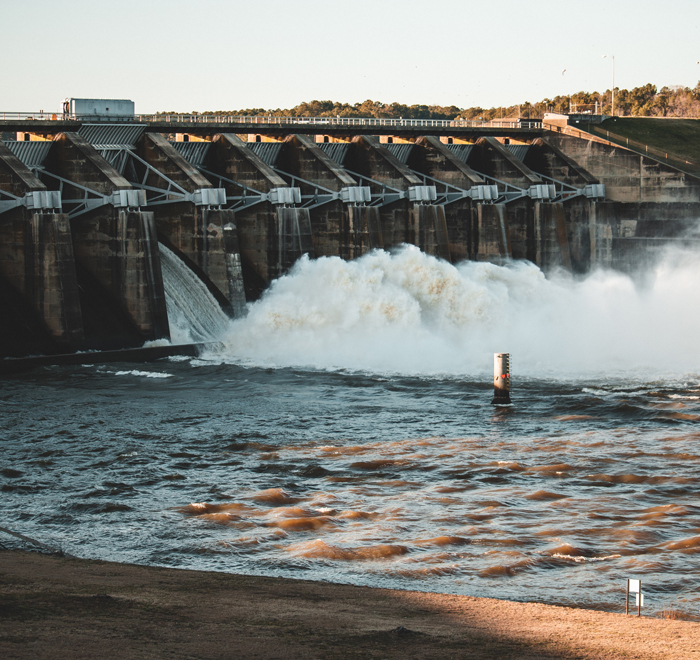
◀ The word piedmont comes from two Italian words meaning “foot” and “hill.” And indeed, this central region of North Carolina stretches 200 miles east from the foothills of the Blue Ridge Mountains. Rolling hills, rich soil, and productive farmland make the Piedmont an economic center of North Carolina. It’s no wonder, then, that almost all of North Carolina’s major cities are here. Historically, the small rivers and streams of the Piedmont were used to produce water power for manufacturing. Today the Roanoke and Catawba Rivers produce hydroelectric power. Hydroelectric power uses moving water to produce electricity.
Formed about 500 million years ago, the Uwharrie Mountains are one of our country’s oldest ranges. Originally these mountains were about the same size as the Himalayas – the tallest mountains in the world today. But over millions of years, they have been worn down. Now the tallest mountain in the range is only about 1,000 feet. Gold was discovered here in 1799. Panning for the precious metal is still allowed. ▶
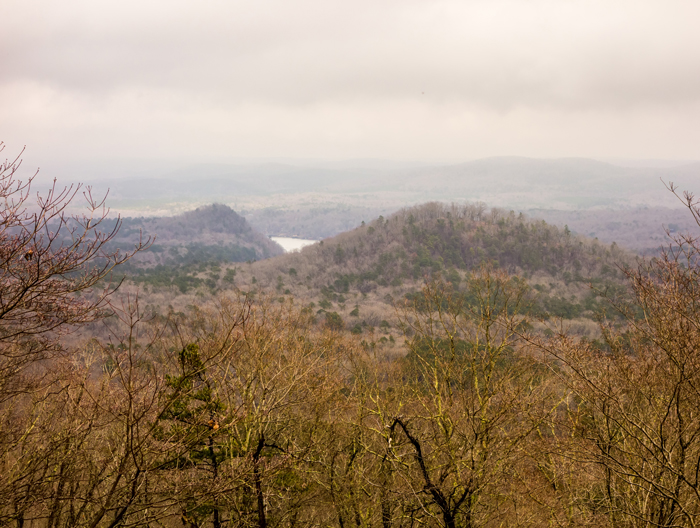
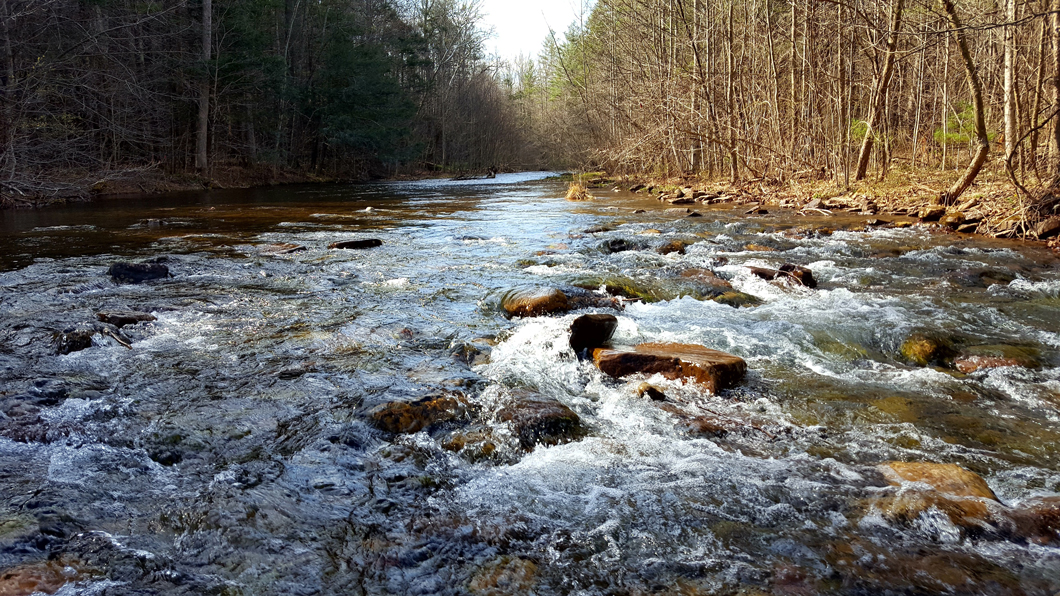
▲ At the eastern edge of the Piedmont is the fall line. This is where the Piedmont drops abruptly to the Coastal Plain. Here, you’ll find the rapids of the Roanoke River. Rapids are fast-moving water that flows over rocks. North Carolina naturalist Tom Earnhardt describes North Carolina’s fall line this way:
It’s a biological hotspot . . . where transportation from the coast ended and power began. . . . For every North Carolinian, whether your interest is cultural, biological, or economic, all these things start at the fall line.
Loading the player...
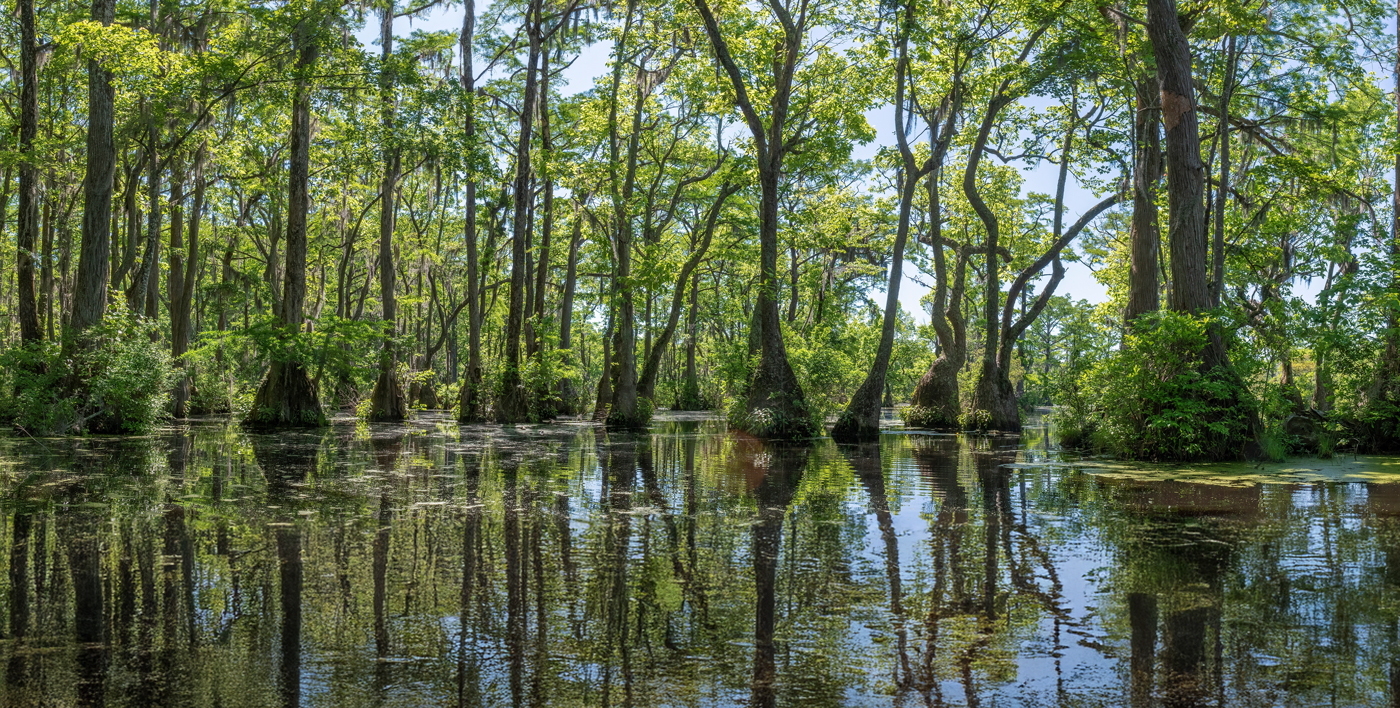
▲ You might find a Venus flytrap growing in a greenhouse or in a pot at home. But you won’t find it growing naturally anywhere else in the world besides the Coastal Plain of North Carolina (and South Carolina). The Venus flytrap can grow in poor soil. That’s because it gets some of what it needs by eating insects like ants, beetles, and spiders.
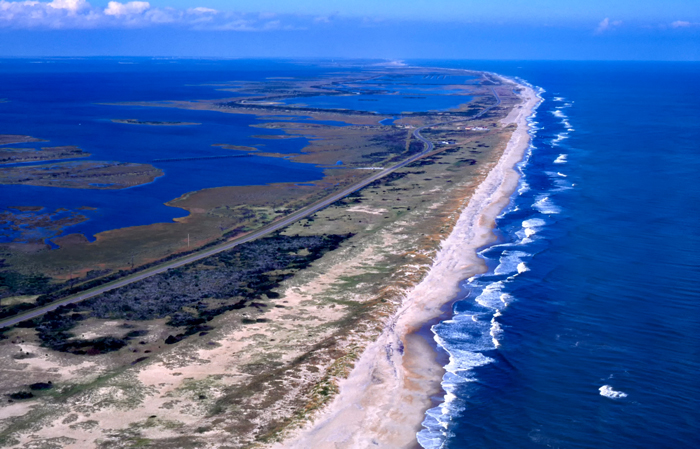
◀ The Outer Coastal Plain is a low, flat area along the Atlantic Ocean. It is made up of the Tidewater region and the Outer Banks (shown here). The Tidewater is the area along the coast. This is where rivers empty into the ocean. The Outer Banks include a chain of islands. On one of them is Jockey’s Ridge, the tallest sand dune system on the Atlantic coast.
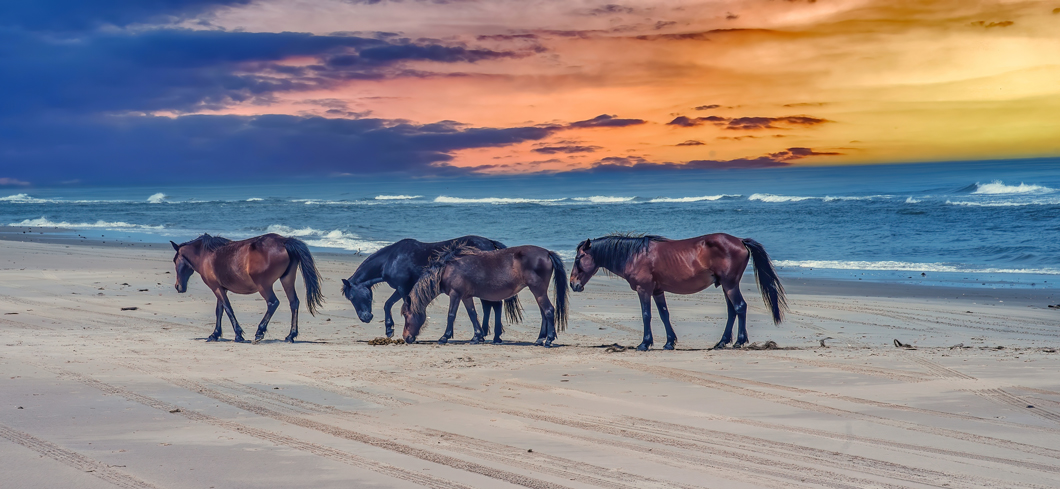
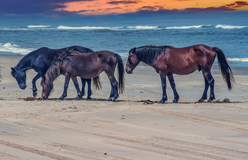
▲ The Outer Banks are also home to herds of wild horses. The ancestors of these horses were brought to the islands by explorers in the early 16th century. No one knows for sure how they got there. Were they part of failed settlements? Did they swim ashore from shipwrecks? It’s still a mystery.