Free
Almost everything breaks. Small things like toys, plates, and mirrors break. Big things like cars and machinery break. Sometimes, even countries break.
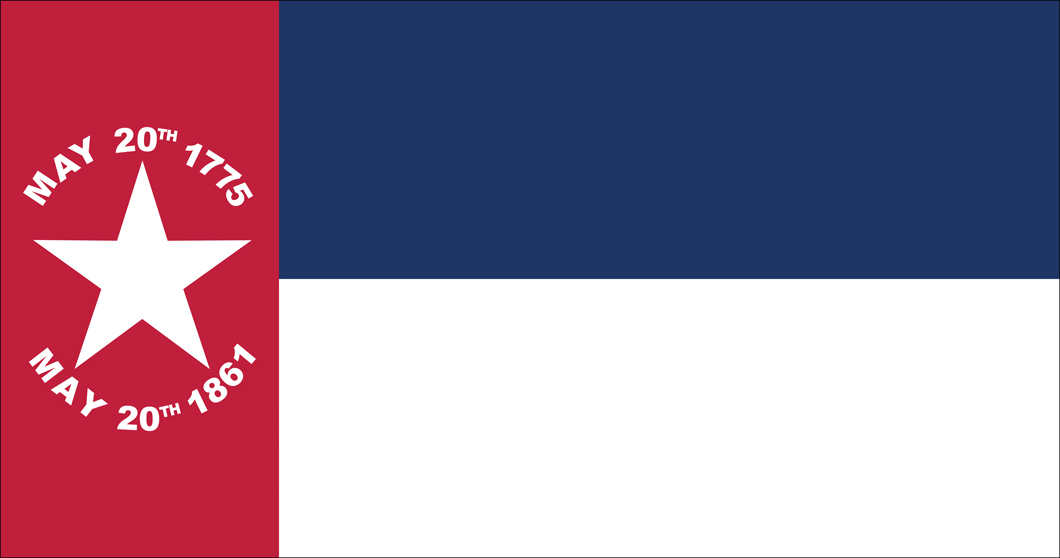
Starting in 1860, our nation broke. From the end of 1860 through May 1861, 11 southern states seceded, or broke away, from the United States. They formed a new country called the Confederate States of America, or the Confederacy. North Carolina was the second-to-last state to secede. The reason for secession was mostly about whether the enslavement of people should be allowed. The Union (the states in the North that remained in the United States) wanted to put an end to enslavement. The states of the Confederacy did not. Enslaved people worked on their plantations and helped keep them profitable. A six-year war known as the Civil War followed.
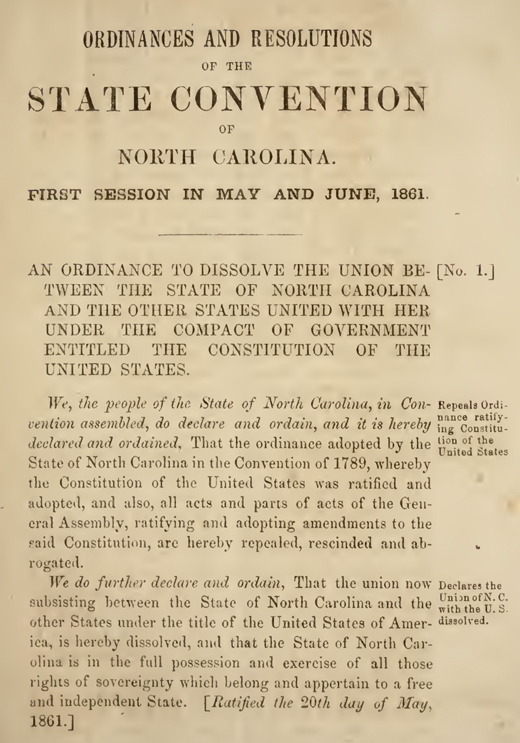
◀ The United States broke apart state by state, with the members of a state government meeting and approving an “Ordinance of Secession.” This was a formal statement saying that the state was leaving the United States. In all, 11 southern states seceded. North Carolina was the 10th. Below is an excerpt of the law North Carolina passed to secede as well as part of the law passed to become part of the Confederacy:
We, the people of the State of North Carolina . . . do declare . . . that the ordinance adopted by the State of North Carolina . . . whereby the Constitution of the United States was ratified [approved] . . . are hereby repealed [canceled] . . . .
WHEREAS, on the eleventh day of March, A.D., 1861, at Montgomery, in the State of Alabama, a Constitution was adopted . . . by . . . delegates from the States of Alabama, Florida, Georgia, Louisiana, Mississippi, South Carolina and Texas, united under the name of the Confederate States of America, which Constitution has been ratified by each of these States:
Now, therefore, this Convention . . . does on behalf of the people of the state of North Carolina, adopt and ratify the said Constitution and form of Government. . . .
Not everyone in North Carolina was in favor of the Confederacy. Most farmers in the west opposed it. They were the ones being drafted, or forced, to fight the war, not the wealthy plantation owners. According to one politician, the favoritism toward the upper class “stunk in the nostrils of the people.” Organizations formed to help keep people from being drafted. Those who spoke out against secession were threatened. ▶
Think Piece!
How would you describe the North Carolinians who were against the Confederacy?
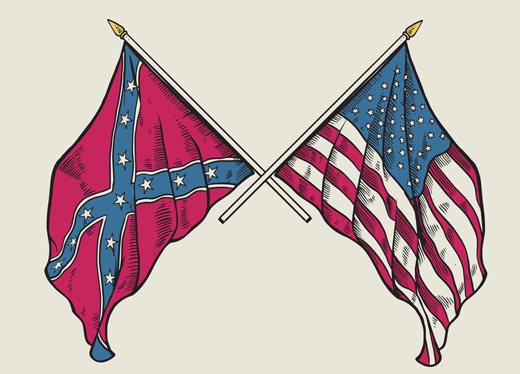
Confederate flag (left) and Union flag
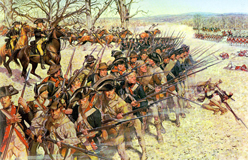
◀ As many as 130,000 soldiers from North Carolina fought for the Confederacy, more than any other state. Farmers in the Piedmont produced crops that fed the soldiers. And the city of Wilmington gave access to the Atlantic Ocean. At the same time, thousands of soldiers – White and Black – joined the Union army. Most were from the mountains and the Piedmont. They fought and spied for the Union. After 1861, much of the northeastern part of the state was controlled by the North.
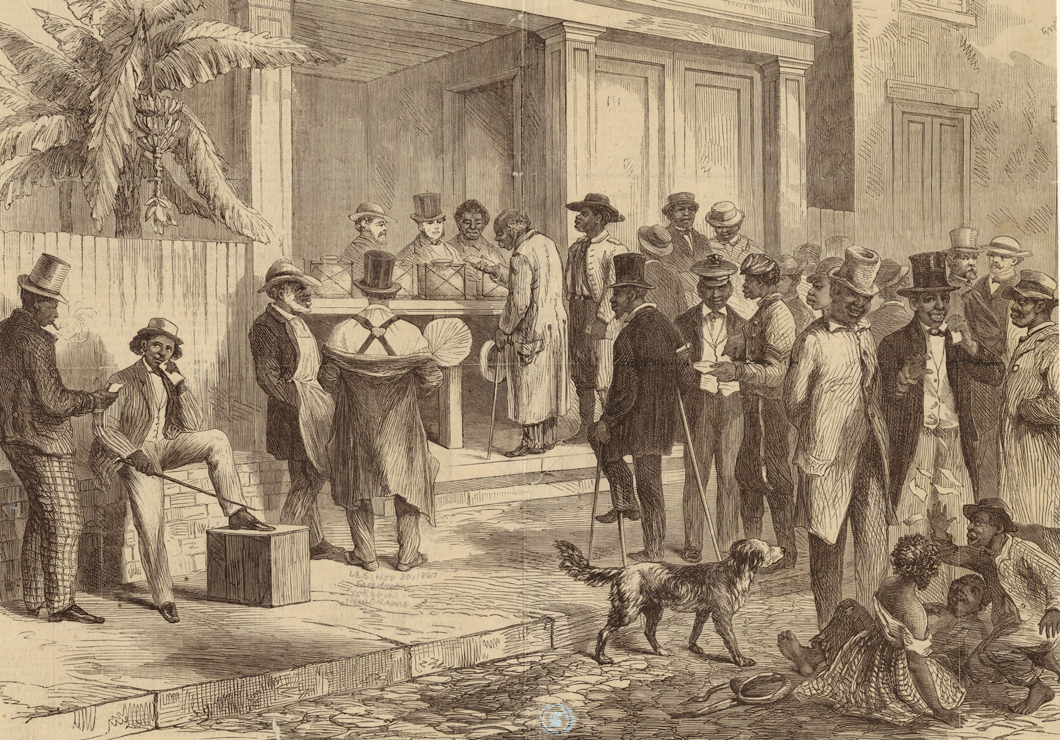
▲ The Civil War ended in victory for the United States. The Union would be whole again, but not until the states of the Confederacy met some requirements. They had to approve the 13th and 14th Amendments to the U.S. Constitution. The 13th Amendment did away with enslavement. The 14th Amendment said that everyone born in the United States was a citizen, including people who had been enslaved. Southern states also had to write a new Constitution that gave Black men the right to vote. This period is known as Reconstruction. It was meant to heal the country and help Black people establish new lives after enslavement.
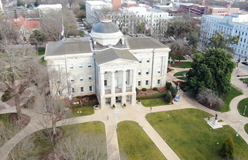
In 1865, North Carolina held a Constitutional Convention. Its purpose was to revise the state’s constitution. Only those who took a loyalty oath to the United States and who admitted that it had been unlawful to secede could participate. People argued about many of the requirements for being re-admitted into the country. Only on the last day of the convention were all the requirements agreed to. ▶
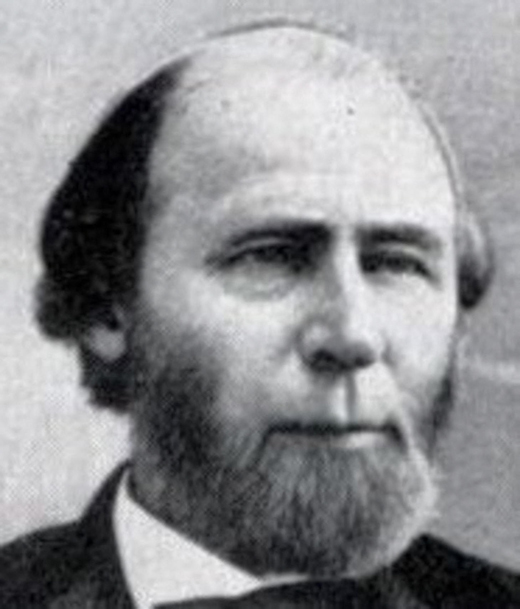
◀ In 1868, William Holden was elected governor of North Carolina. Holden worked to obtain equal justice for everyone in the state. But many North Carolinians did not agree with that idea. Holden’s opponents gained control of the state government and in 1870 removed him from office. Reconstruction in North Carolina – efforts to treat Black Americans equally under the law – was over.
At about this time, the Ku Klux Klan formed and Jim Crow laws were passed. The Ku Klux Klan was a group that spread hatred against Black people and others. Jim Crow laws were meant to control Black people and keep them from getting power. The name Jim Crow refers to a Black character created by a White actor who rubbed burnt cork on his face to darken it. The actor used his character to make fun of Black people. Jim Crow laws lasted until 1964, almost 100 years. Below are two examples of Jim Crow laws in North Carolina: ▶
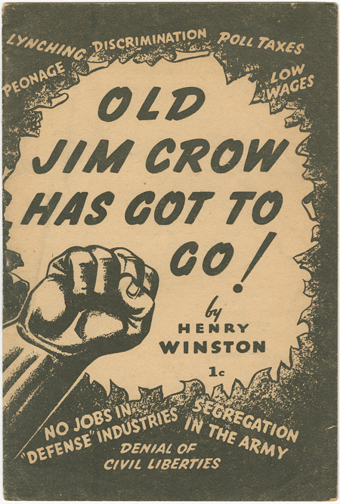
Books shall not be interchangeable between the white and colored schools, but shall continue to be used by the race first using them.
The state librarian is directed to fit up and maintain a separate place for the use of the colored people who may come to the library for the purpose of reading books or periodicals.
Think Piece!
What is your reaction to Jim Crow laws?
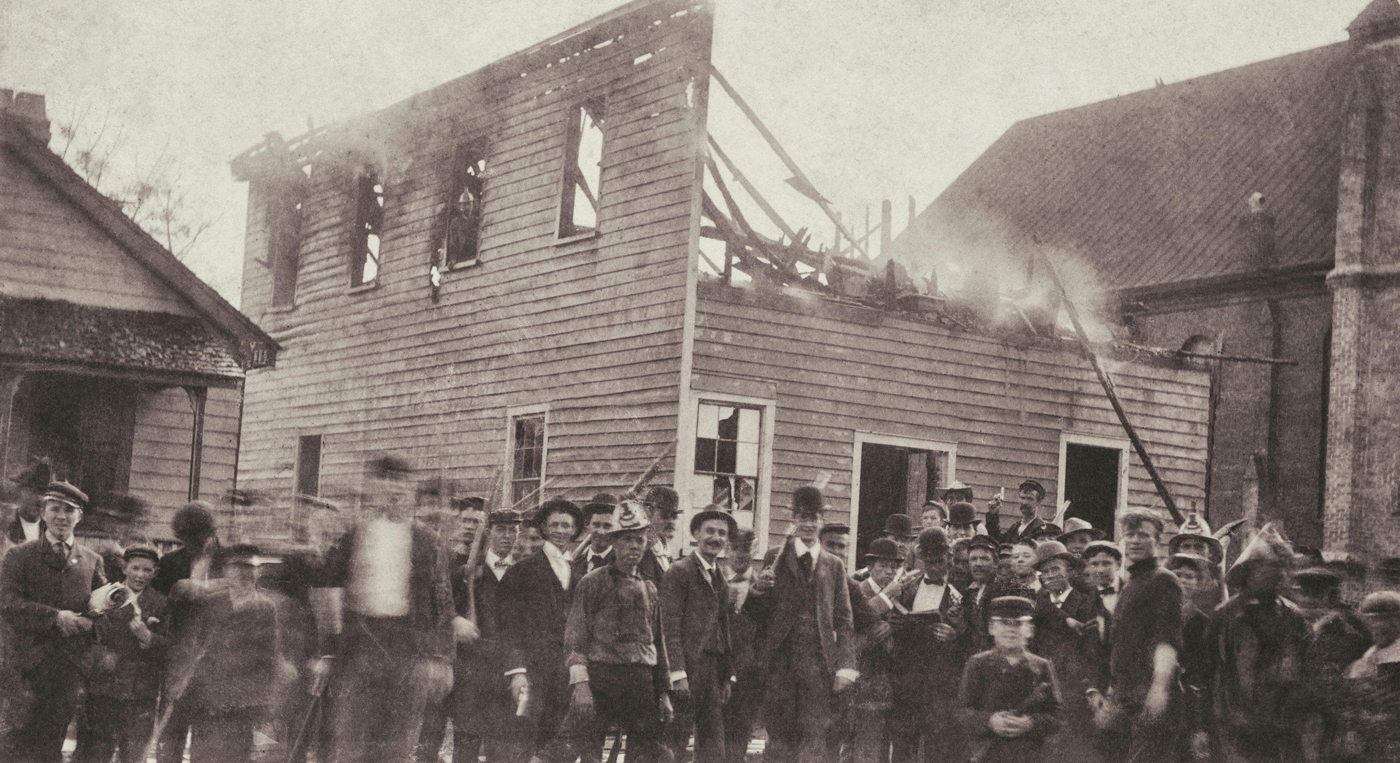
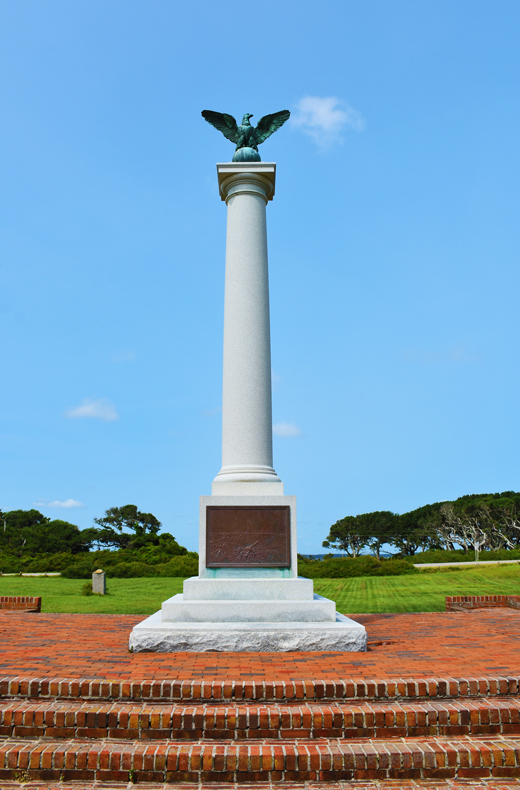
◀ Today, it’s still possible to find Confederate monuments in North Carolina. Confederate Memorial Day is still a public holiday in our state. These are parts of the Lost Cause narrative, a specific way to think about the Civil War. According to the narrative, the Civil War was fought about a state’s power to determine its own laws, not about enslavement. The narrative says enslaved people were happy family members of their enslavers, and the war was lost only because the South was outnumbered. According to the narrative, Confederate generals like Robert E. Lee were to be honored.
Think Piece!
What are your ideas about the Lost Cause way of thinking?
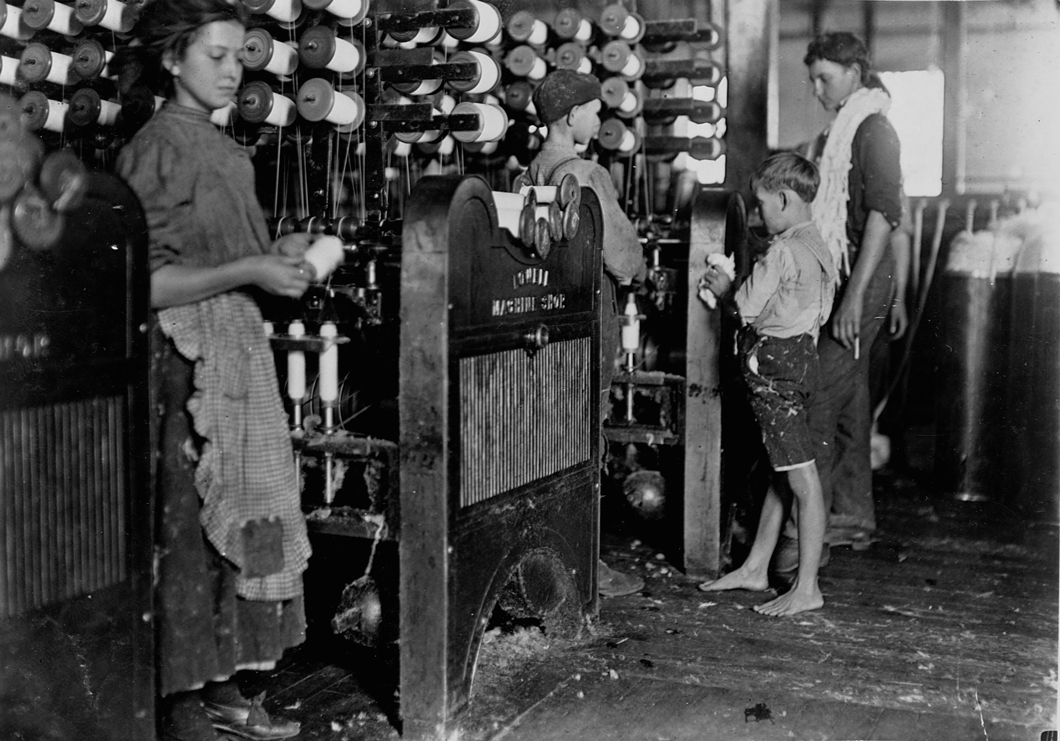
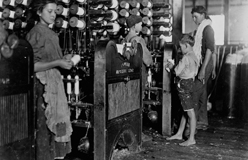
▲ After the Civil War, North Carolina became part of the “New South.” Cities grew, industries developed, railroads expanded, and highways were built. Cotton was still dominant, but tobacco, furniture, and textiles were right behind, with the steam engine making it possible for textile mills to be built anywhere. Companies created “mill towns.” These were places that provided houses and shops for people who worked in a mill. Wages at the mill were low and workers were mostly White. Plus, children worked as well as adults.
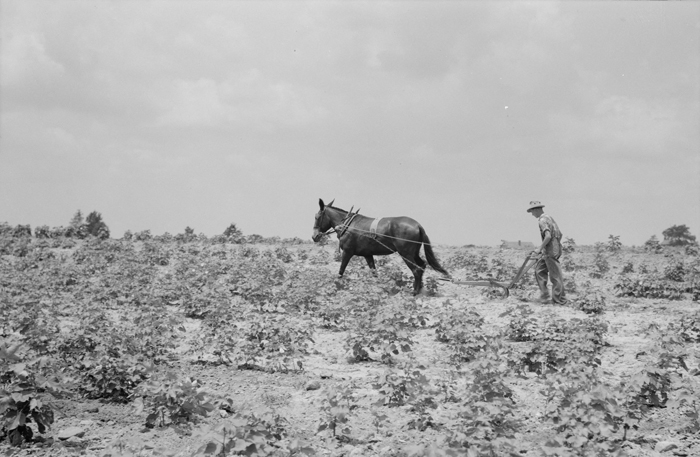
After the Civil War, money was scarce. Many landowners couldn’t buy seed or livestock and couldn’t pay people to work the land. Some landowners divided their land into plots and rented them to farmers who became tenants. Tenants owned the crops they grew and made their own decisions about how to farm. After the harvest, the tenant farmer would pay the landowner the rent that was owed for use of the land. ▶
Check It Out!
What is the difference between tenant farmers and sharecroppers?
Some people who didn’t own land became sharecroppers. Sharecroppers raised and harvested someone else’s crops on someone else’s land. They didn’t own anything. Instead, they got a share, or part, of the crop they harvested. Here is how it often worked: “The sale of every cropper’s part of the cotton to be made by me when and where I choose to sell. And after deducting all they owe me . . . to pay them their [part] of the . . . proceeds [income].”
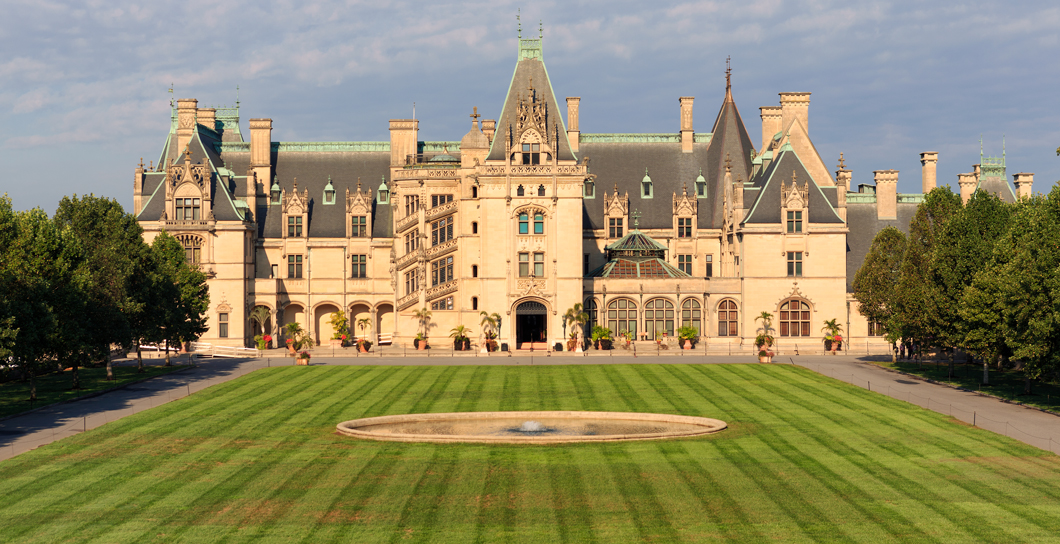
▲ The end of the 19th century and beginning of the 20th is known as the Gilded Age. It was a time of extreme wealth and extreme poverty. The Biltmore Estate in Asheville is an example of extreme wealth. The owner, George Washington Vanderbilt II, used family money to build this estate. It took six years, starting in 1889. In today’s dollars it would have cost over $1 billion. The main house has 250 rooms, 65 fireplaces, 35 bedroom, and 43 bathrooms! Today, the Biltmore Estate is open to the public.