Free
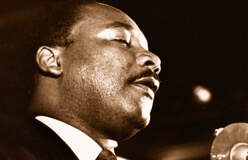
In 1964, Martin Luther King Jr. won the Nobel Peace Prize. This important award is given almost every year to the person, people, or organization most responsible for promoting peace.
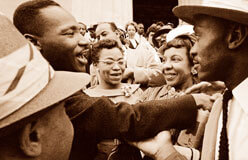
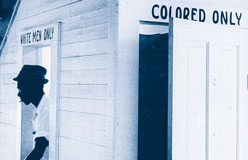
King, at age 35, was the youngest person ever to receive the prize. In December, he set off with family and friends to Oslo, Norway, where the award ceremony took place. On his return, King was showered with honors. The city of Atlanta, where he lived, put on a banquet. Together, Black and White people sang the civil rights movement’s anthem, “We Shall Overcome.” Only a few years before, King had been arrested in Atlanta for trying to eat at an all-White lunch counter.
At the dinner, King said: “I must confess that I have enjoyed being on this mountaintop and I am tempted to want to stay here and retreat to a more quiet and serene life. But something within reminds me that the valley calls me in spite of all its agonies, dangers, and frustrating moments.” The valley he was headed to, this time, was a place called Selma.
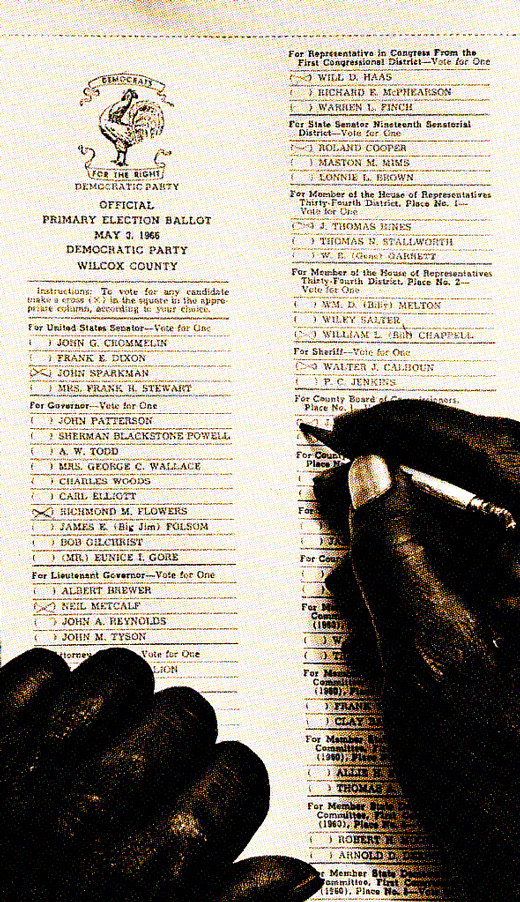
◀ The 15th Amendment to the Constitution, passed in 1870, guaranteed that United States citizens could not be denied the right to vote “on account of race, color, or previous conditions of servitude.” However, it was very hard for Black men to register to vote. Even after the 19th Amendment gave women the right to vote in 1920, Black men and women often waited all day in line to register, only to be turned away by rude officials. Black people were required to pass complicated tests showing they could read. The tests were filled with questions that few White people could answer. Many Black people who tried to register were threatened. Some were beaten. Some were hanged.
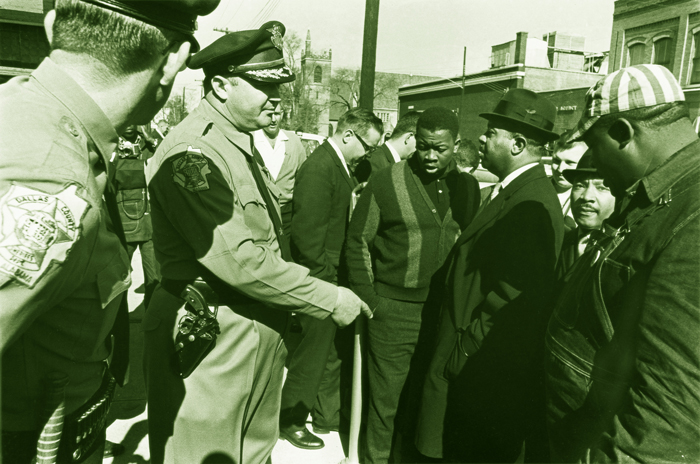
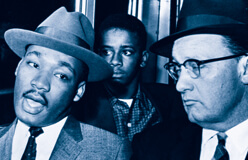
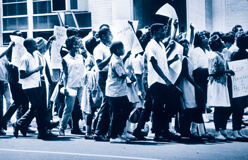
▲ Why did voting matter? Without the right to vote, Black people had no hope of changing their government. There would be no Black sheriffs, judges, or mayors. Also, elected white officials would be more likely to respect the rights of Black people who were voters. After all, they owed their jobs to the people who elected them. King wanted to make the right to vote available to all Black people, and, in January 1965, he chose Selma, Alabama, as the place to begin his campaign. In Selma, he led hundreds to the courthouse to register, but they were turned back and arrested. King was arrested again, too, for parading without a permit.
“I believe firmly that love is a transforming power that can lift a whole community to new horizons of fair play, goodwill, and justice.”
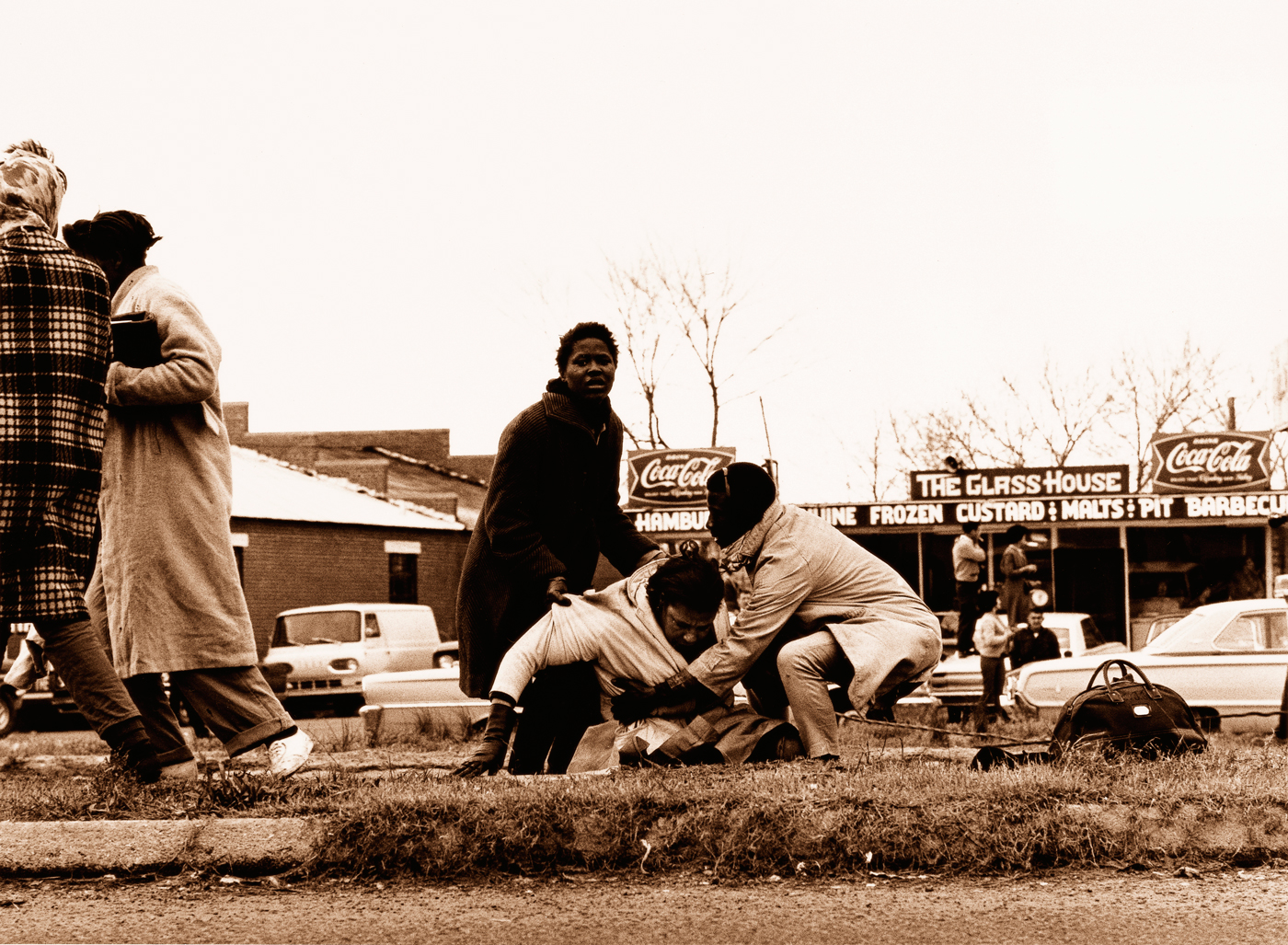
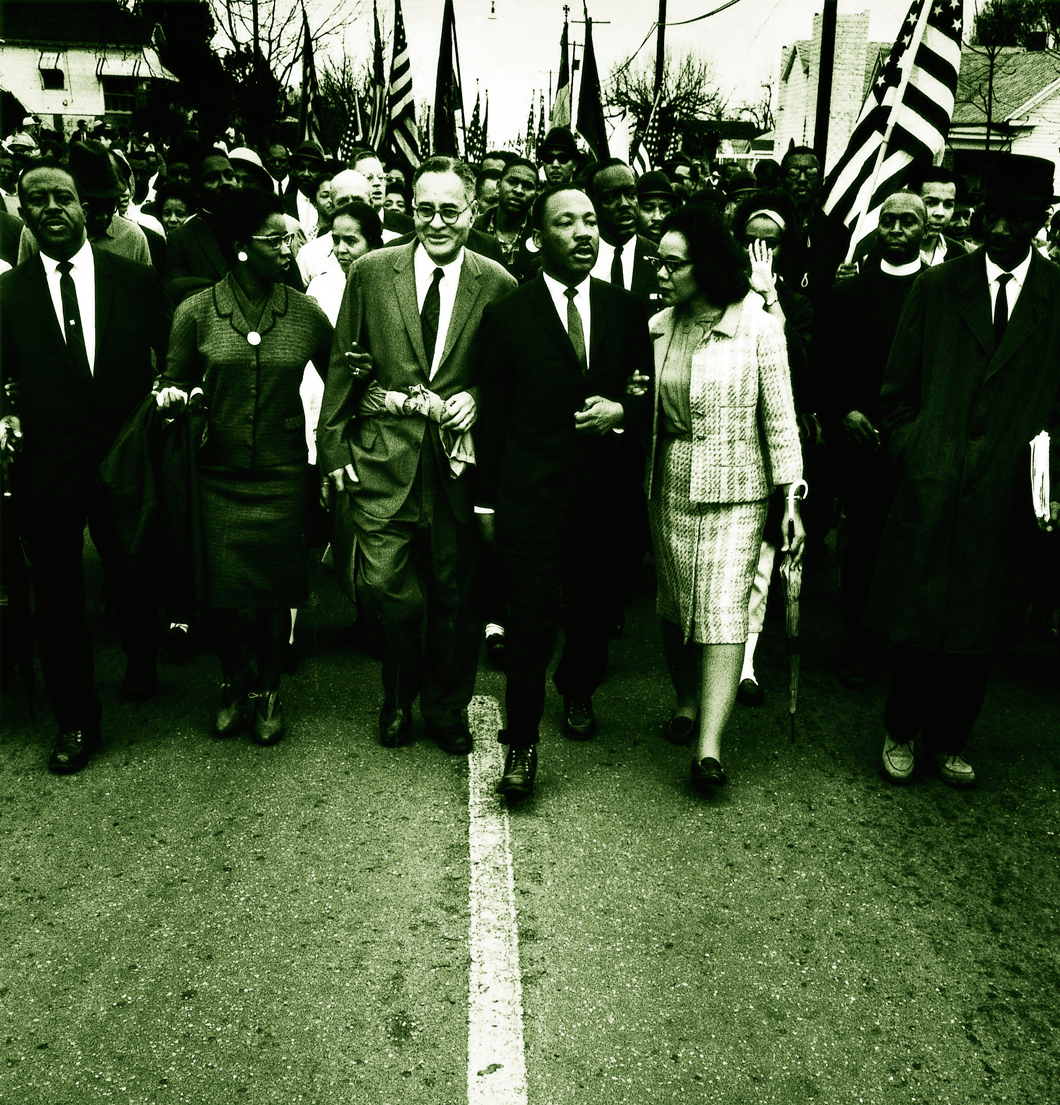
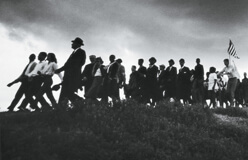
▲ The marchers tried a second time, then a third time, finally setting out on the historic 54-mile march on March 21, protected by Army troops and the National Guard. It took them five days. When the marchers arrived in Montgomery, they were overjoyed, and proudly sang, “We have overcome today.”
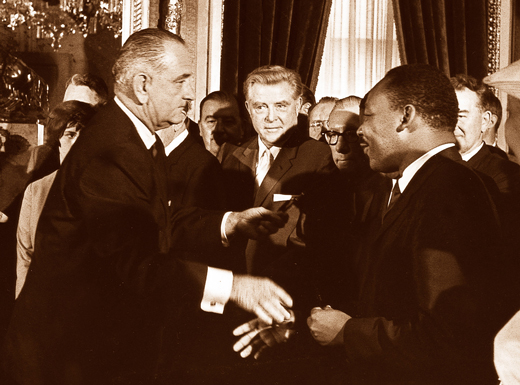
◀ In 1965, President Johnson signed the Voting Rights Act into law. It guaranteed that Black people could safely register, and even those who could not read could vote.