Free
“Fish gotta swim, birds gotta fly....” So begins a song from the musical Show Boat. And many fish and birds do swim in and fly over the Mississippi.
The Mississippi River valley is home to 241 fish species. It is also home to 37 mussel species, 45 amphibian species, and 50 mammal species. Plus, it provides habitat for 60 percent of the nation’s migratory birds.
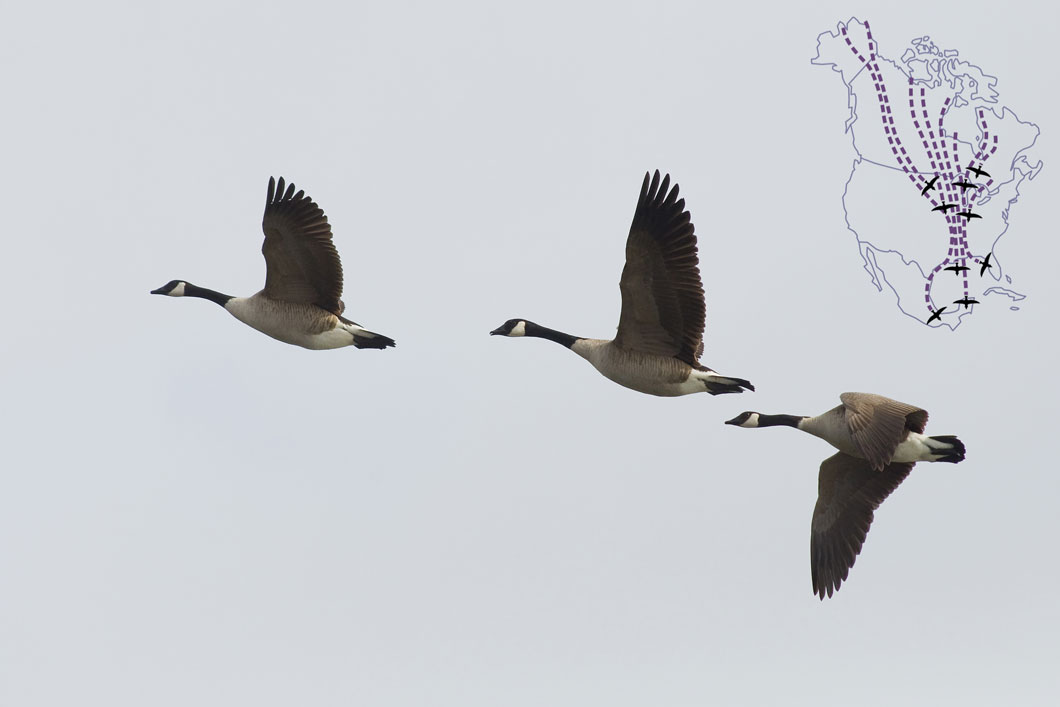
▲ Mississippi Flyway
Every year, millions of birds fly along the Mississippi River. They also fly along the streams that flow into the Mississippi. It’s part of their fall and spring migrations. Ducks, pelicans, swans, and cormorants use the river’s large open-water pools. Geese, black terns, herons, egrets, and many songbirds use shallow backwater wetlands. Other songbirds, ospreys, herons, egrets, mallards, and wood ducks use bottomland forests. Some birds are migrating. Others are nesting. Shown above are Canada geese traveling along the flyway.
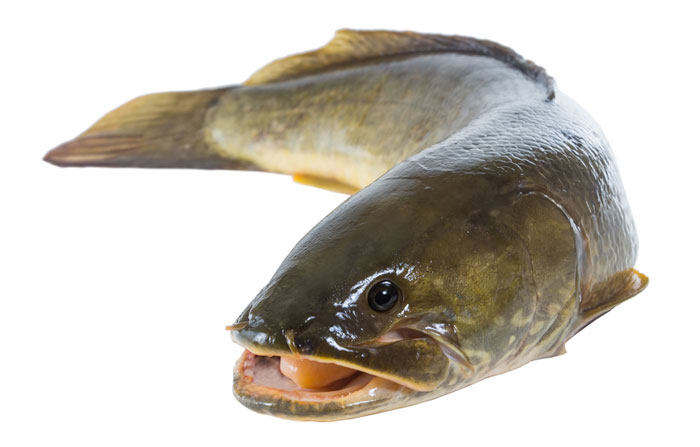
▲ Bowfin
The river runs from north to south. During glacial periods, fish headed to the warmer lower river. When the water warmed up, they returned north. The fossil records of many Mississippi River fish date back 5 to 25 million years. Some fish species older than the glaciers still live in the Upper Mississippi River. They include long- and short-nosed gar, sturgeon, paddlefish, crappie, and spotted bass. The bowfin is the only remaining member of a family of fish from the Jurassic Period. That was 180 million years ago. A swim bladder allows them to breathe air. This makes it possible for them to live in standing water that would kill most other fish.
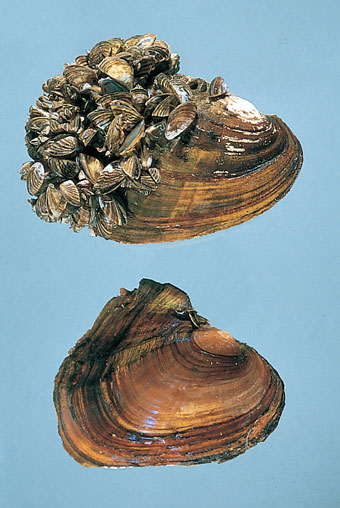
▲ Mussels
Four mussel species are native to the river: the pink heelsplitter, the wabash, the pigtoe, and the fat mucket. Nonnative zebra mussels are threatening native species. Zebra mussels pile on top of native mussels, suffocating them.
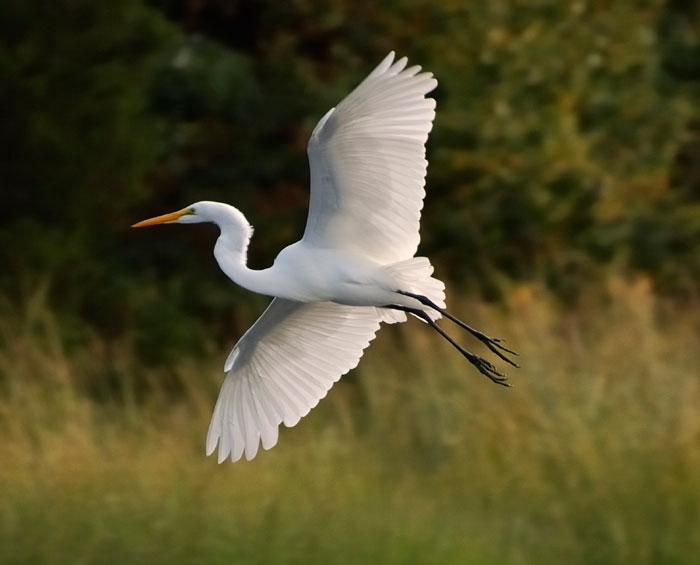
▲ Great Egret
The Upper Mississippi is a nesting and feeding area for great blue herons and great egrets. The birds use their beaks to spear fish. Then they swallow the fish whole.
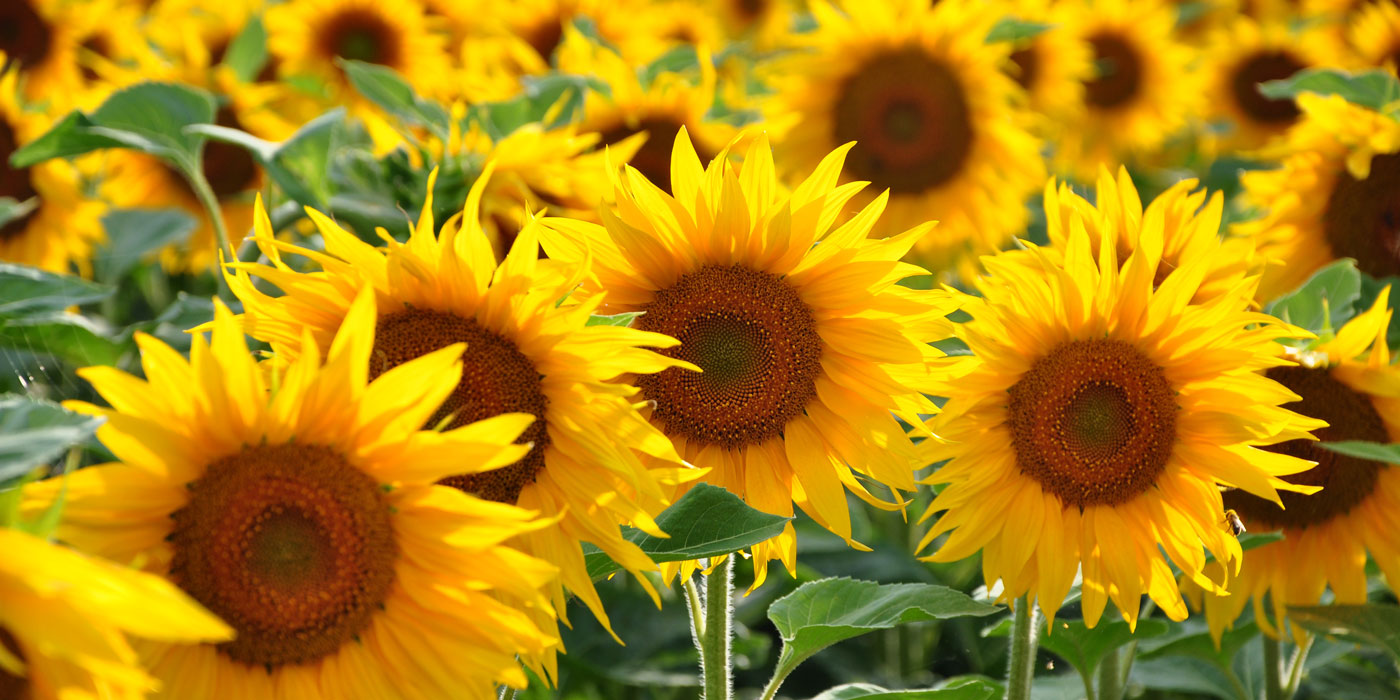
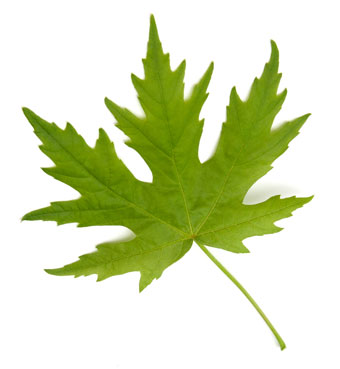
▲ Silver Maple
Many different species of trees grow and thrive in the Mississippi River floodplain. The most common species is the silver maple.
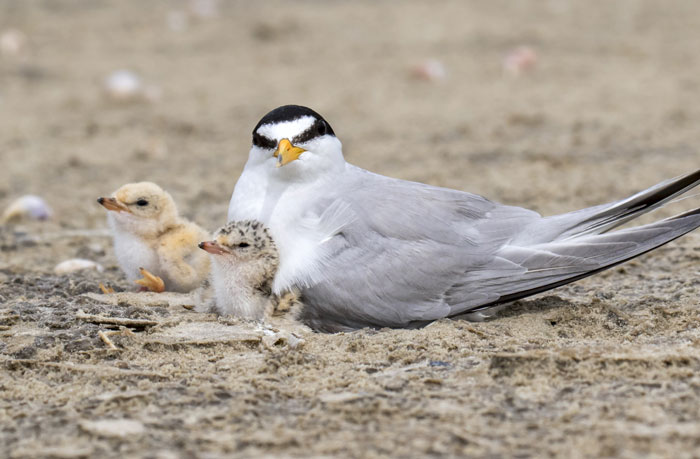
▲ Least Tern
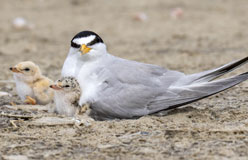
Along the Lower Mississippi River, the endangered least tern is doing much better now. Its numbers have increased from 2,000 in 1989 to about 20,000 today.
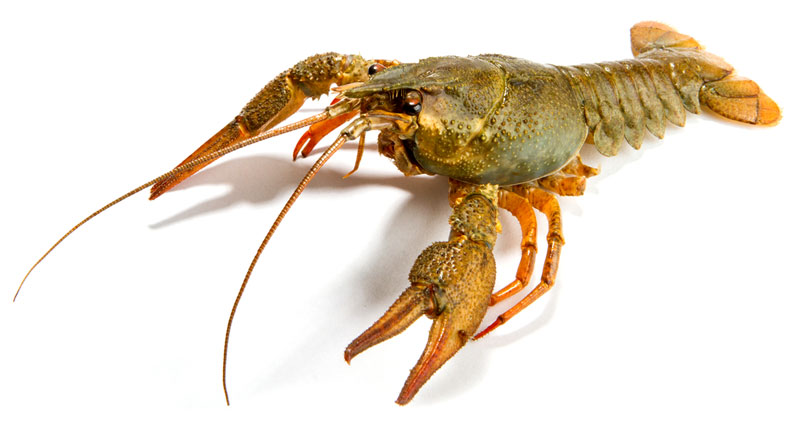
◀ Crayfish
Also called crawfish or crawdads, these creatures are closely related to lobsters. When eaten, they are used in bisque (a thick soup). They are also boiled, peeled, and eaten with the fingers.
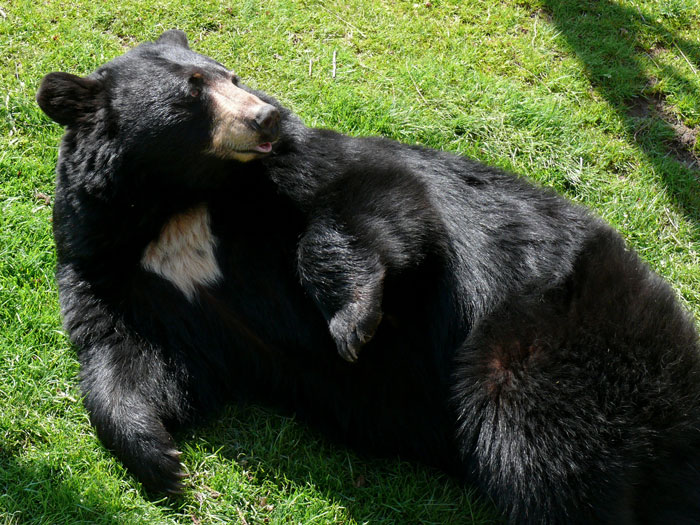
▲ Louisiana Black Bear
A subspecies of the black bear, this animal is on the U.S. Endangered Species List. These bears were heavily hunted, and their woodland habitats were logged and converted to farmland.
◀ Troubled Waters
Like many rivers, the Mississippi’s health has declined over the years. Pollution—from farms, factories, and city sewage—has spilled into its waters. These poisons endanger the humans along the river. They also limit the kinds and numbers of animals and plants in and along the river. Pollution from pesticides caused birds to lay eggs with thin shells that cracked easily. Thanks to government regulations and many volunteers and conservation groups, the river is cleaner today than it’s been in 40 years. But, there is still a lot of work to be done.