Free
If you visit the Grand Canyon, there are all sorts of activities to enjoy.
You can sit on a mule and ride from the rim to the bottom. You can paddle down the Colorado River on a raft. You can hike, bike, snowshoe, and cross-country ski. You can take a tour bus, a jeep tour, an automobile tour, an antique railroad car tour, or even an air tour and sit back and enjoy the views as you learn about the canyon.
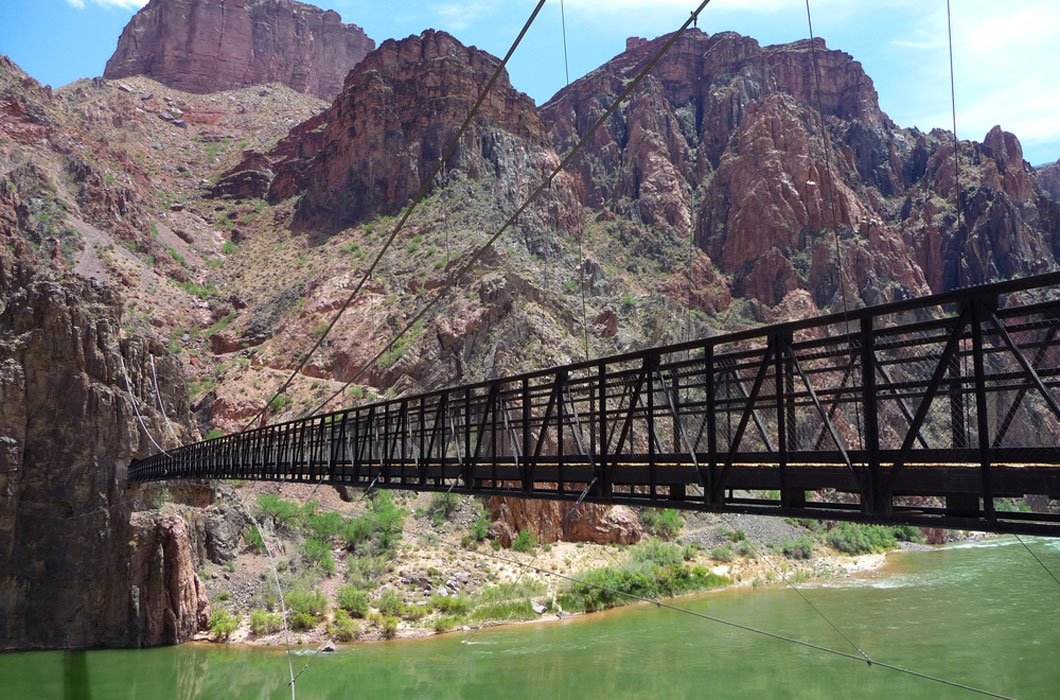
▲ The 440-foot-long Kaibab Bridge seems to stitch the sides of the canyon like a thread. Its floor is solid, not made of individual slats, so that mules won’t look down and refuse to cross. Mules get scared, too.
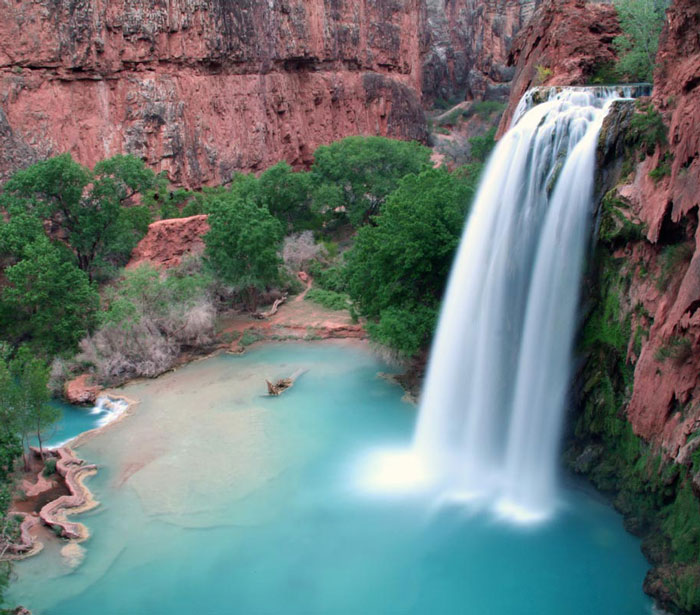
◀ No matter how you get there, a trip to the Havasupai Indian Reservation is a must. Located in a remote area outside the jurisdiction of the National Park Service, it is centered around the village of Supai in Havasu Canyon. Supai, with its four spectacular blue-green waterfalls, is accessible only by horseback, foot, or helicopter. In 1919, the year the Grand Canyon became a national park, the Havasupai were restricted to 518 acres. In the 1970s, the government returned 188,077 acres of Havasupai land. The tribe’s population is around 640. The 100-foot Havasu Falls are often photographed.
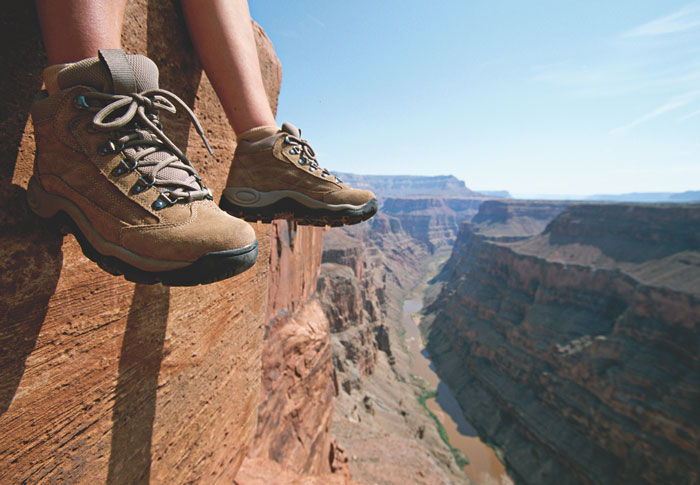
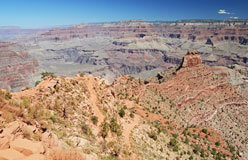
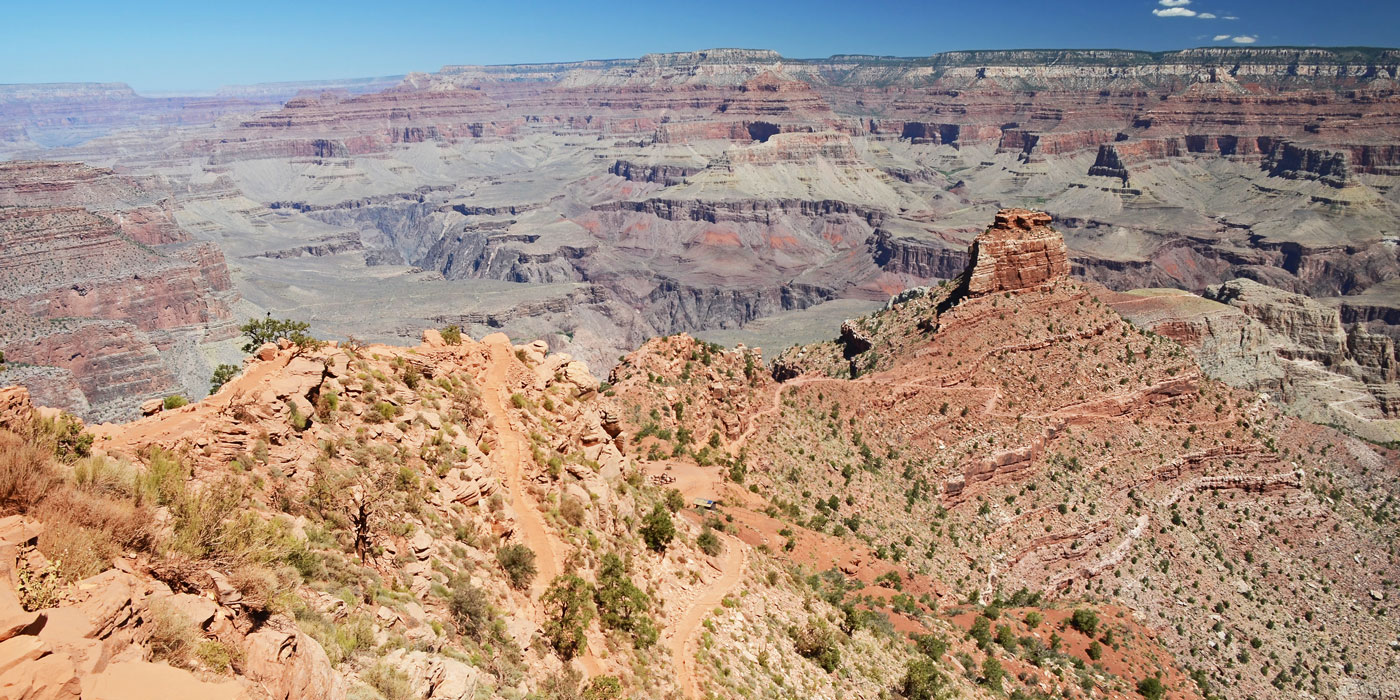
▲ Hiking is one of the best ways to see the park. There are 400 miles of trails down both rims of the canyon. Maps indicate which routes are easiest, toughest, shortest, longest, flattest, hilliest, closest to water, and most scenic. Choosing the right one can make your experience a peak one. If you hike into desert areas, having plenty of water and protection from the elements can mean the difference between life and death.
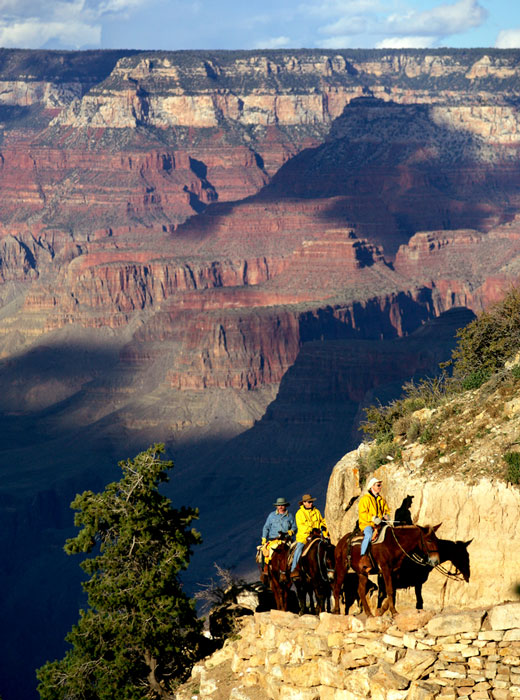
◀ Mule-riding is one of the most popular ways to explore the canyon. One of these sure-footed creatures can be your companion for a full day or even overnight. You may choose to rest your weary bones at the Bright Angel campground at the bottom of the canyon.
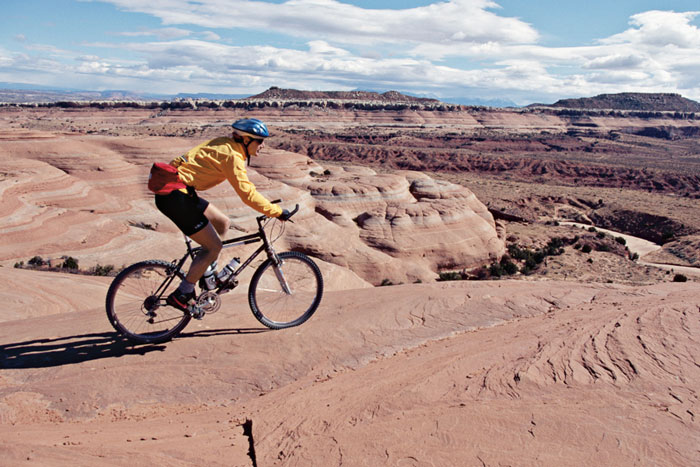
▲ If you enjoy mountain biking, take to the hills on some of the canyon’s trails. Steep inclines and descents challenge even the most experienced bikers.
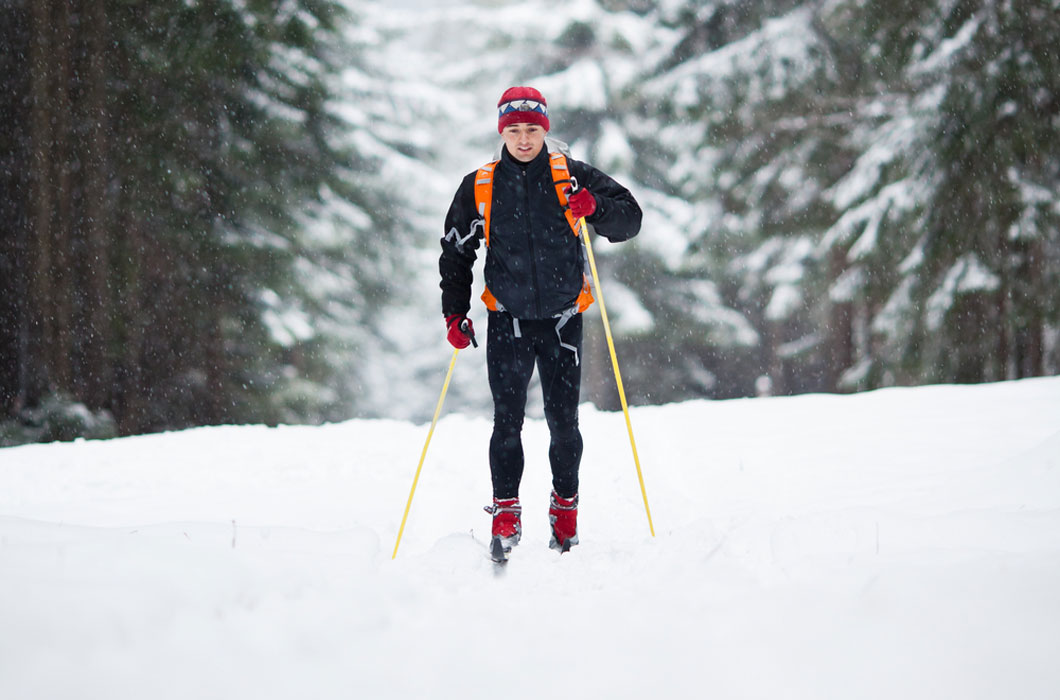
▲ In the winter, the North Rim is the place for cross-country skiing and snowshoeing. Both activities offer great exercise and an opportunity to enjoy the canyon’s beauty in peace and quiet.
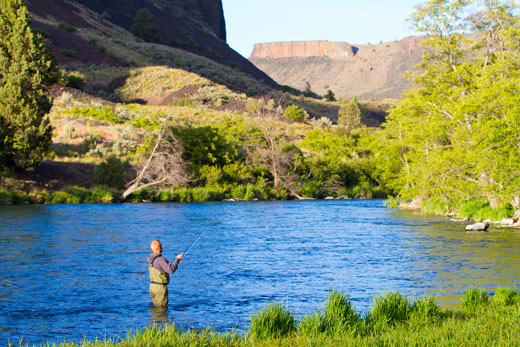
◀ Fishing is popular in the canyon, and there are plenty of large rainbow trout to catch.
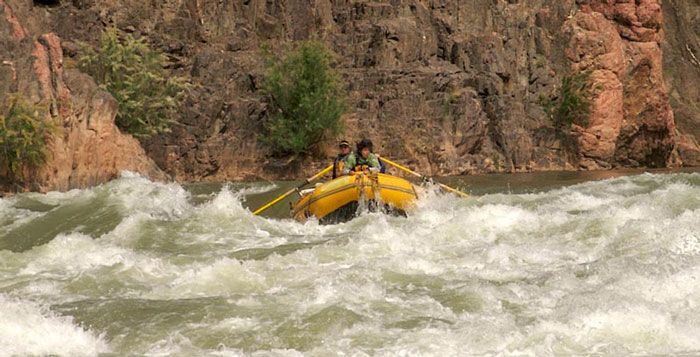
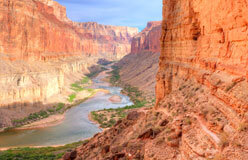
▲ More than 23,000 people each year take a white-water-rafting trip down the Colorado River. At night, rafters sleep in tents or simply outdoors under the stars. By nonmotorized raft, dory, or kayak, the trip takes from 12 to 21 days. Many of the 150-plus rapids are class IV and V, among the most difficult. Side trips include hikes to ancient ruins and hidden waterfalls that cannot be reached from the rim.