Free
American Indians most likely discovered the Grand Canyon at least 10,000 years ago.
They were wandering groups of hunters and gatherers, known as the Desert Culture. They probably came through the area looking for mammoths, camels, and giant sloths to hunt. We have hardly any record of this culture. All that’s left to prove their existence are some stone spear points. Since that time long ago, many people have visited the canyon area. Some stayed long enough to call it home.
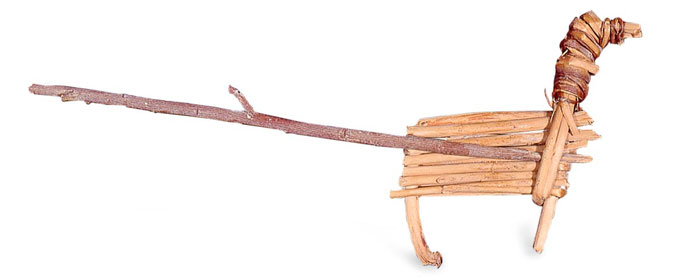
◀ Dolls made of split willow twigs date to 4,000 years ago. They’re shaped like such animals as bighorn sheep, deer, and pronghorn antelope. Many are pierced with a twig. That suggests these were the animals the Native Americans hunted.
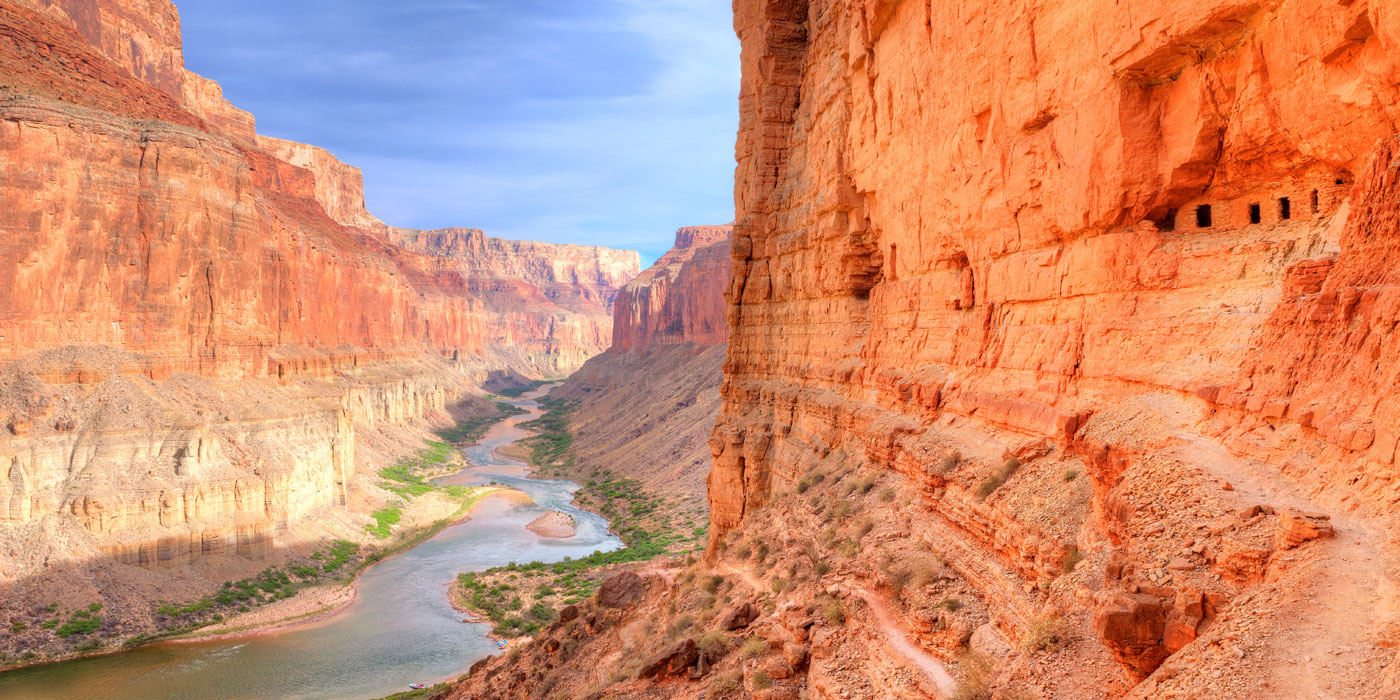
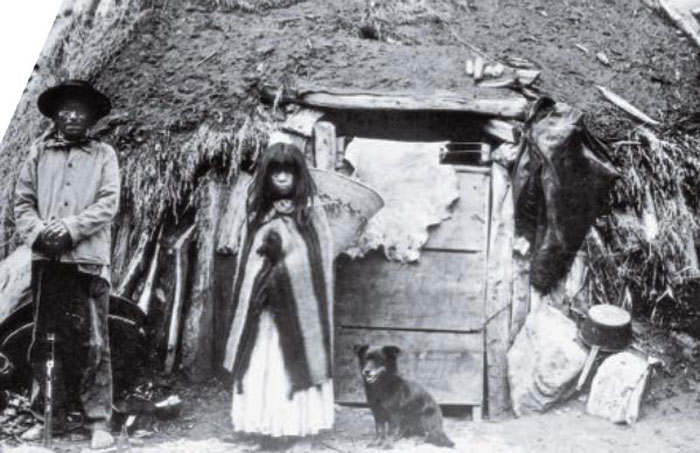
▲ The Cohonina originally came from what is now west-central Arizona. They settled on the South Rim around A.D. 700. By 1150, both the Cohonina and the Anasazi had left the area because of a drought. Around 150 years later, the Cerbat came to the South Rim from the deserts of the lower Colorado River. They lived in rock shelters and brush wickiups. They were ancestors of the Pai people and the Havasupai and Hualapai, two tribes that live in the canyon today. These modern tribes have historical and agricultural ties to the area that became Grand Canyon National Park. Pictured is a Havasupai couple in front of a wickiup, in 1899.
Explorers of the Canyon
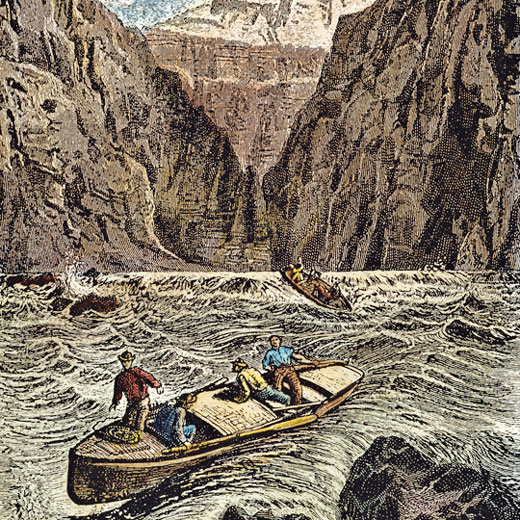
▲ The Grand Canyon became part of the United States in 1848. But no one tried to explore it by traveling along the dangerous Colorado River until 1869.
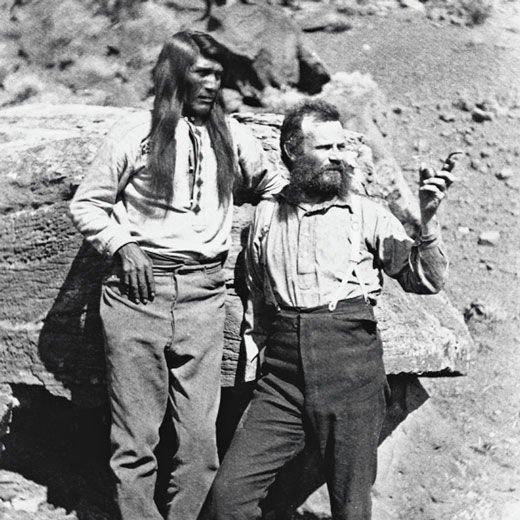
▲ In 1869, Civil War veteran and geology professor Major John Wesley Powell set out to sail the 277-mile length of the canyon. He was with nine other men. They burned all day in the hot sun, and hid their faces from sandstorms at night. Weeklong rains made things even worse. Because of the rocky riverbed, they often had to unload the boats and carry equipment. During the trip’s last five days, the men didn’t have any food.
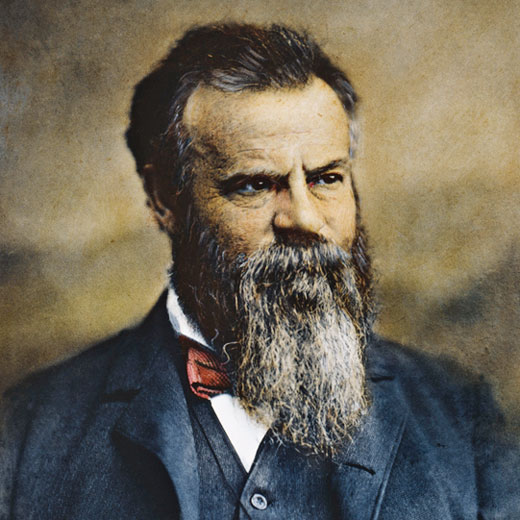
▲ When Powell published the story of his treacherous trip in 1870, he was praised as a national hero. After a second journey in 1871 and 1872, he reported that the region had seemingly endless resources. That news attracted miners, who staked claims to copper, zinc, and lead. Powell’s detailed and exciting account helped make the canyon a popular place.
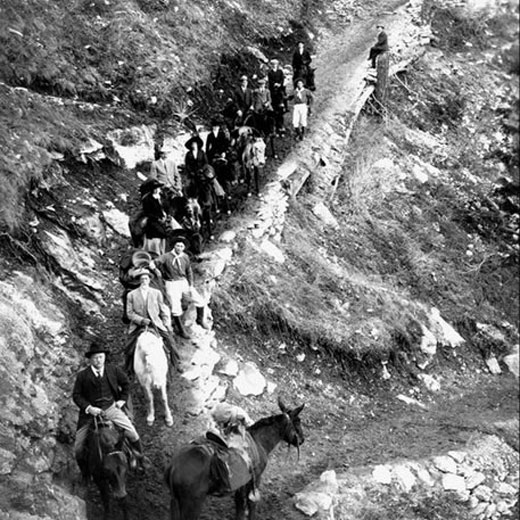
▲ President Theodore Roosevelt visited the canyon in 1903. It left a big impression on him. He changed the canyon’s status in 1908, from national forest and game reserve to Grand Canyon National Monument.
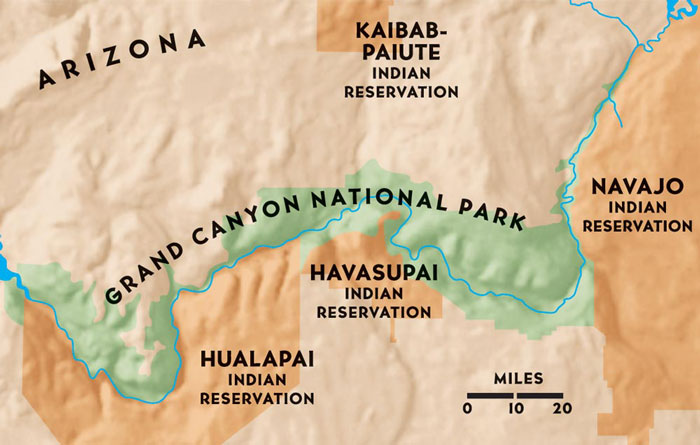
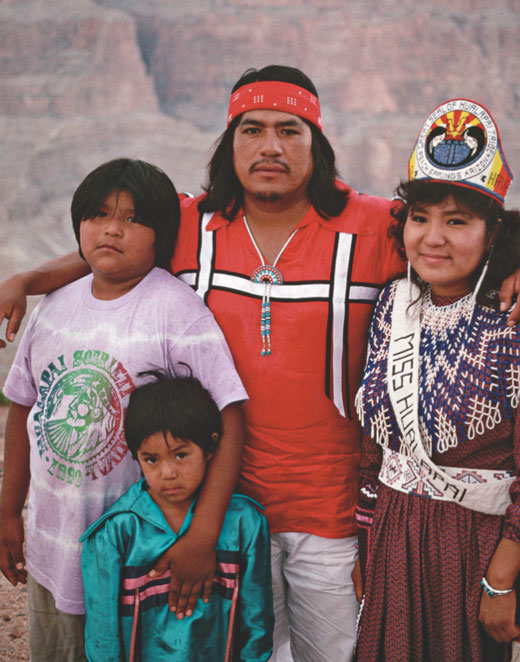
◀ Today, the Havasupai live on a 189,000-acre reservation in the south-center part of the park. Their name means “People of the Blue-Green Waters.” They tend livestock, grow gardens, and sell their baskets and beadwork to tourists. Other native groups, including Navajo, Hualapai, Hopi, and Kaibab-Paiute, live near the park. Pictured here is a Hualapai family.