Free
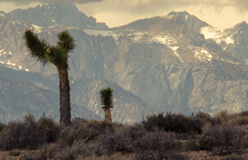
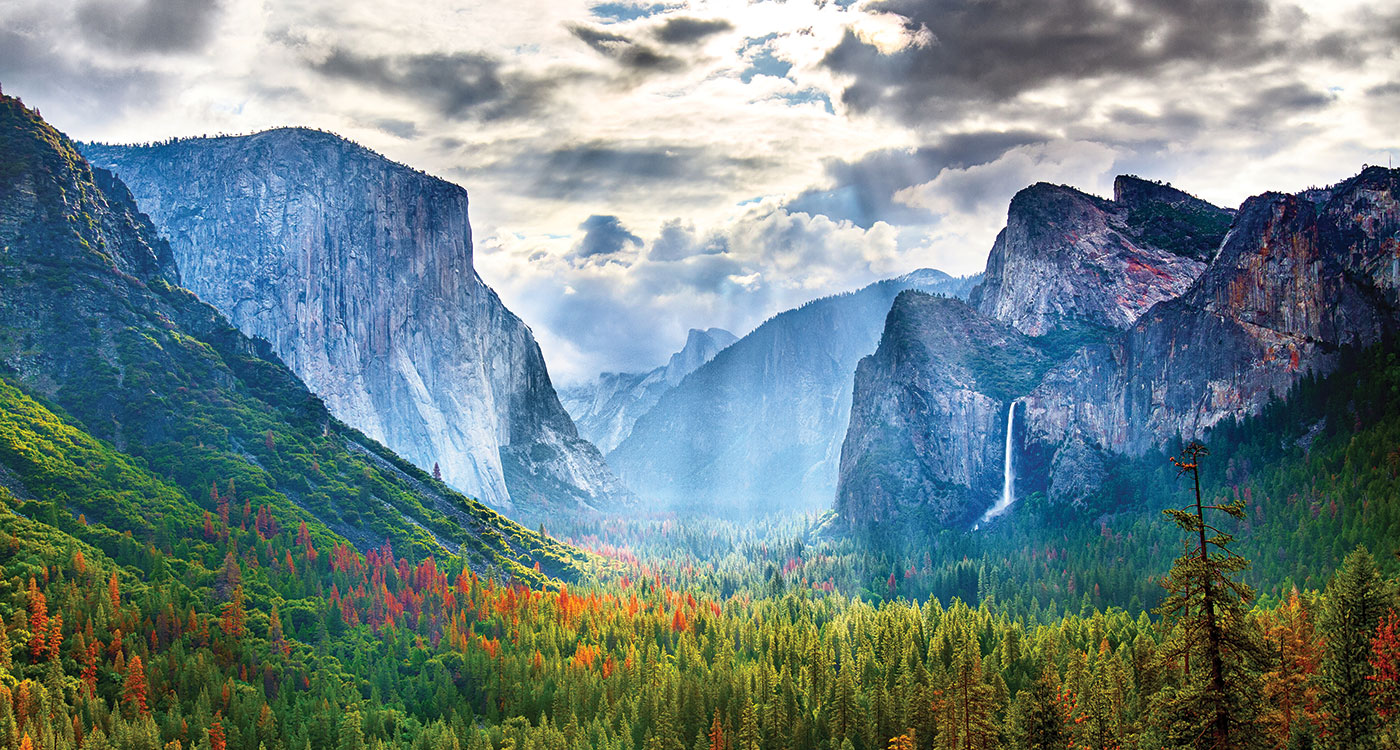
If you take your visitors to the mountains, they’ll see some of California’s most breathtaking sights.
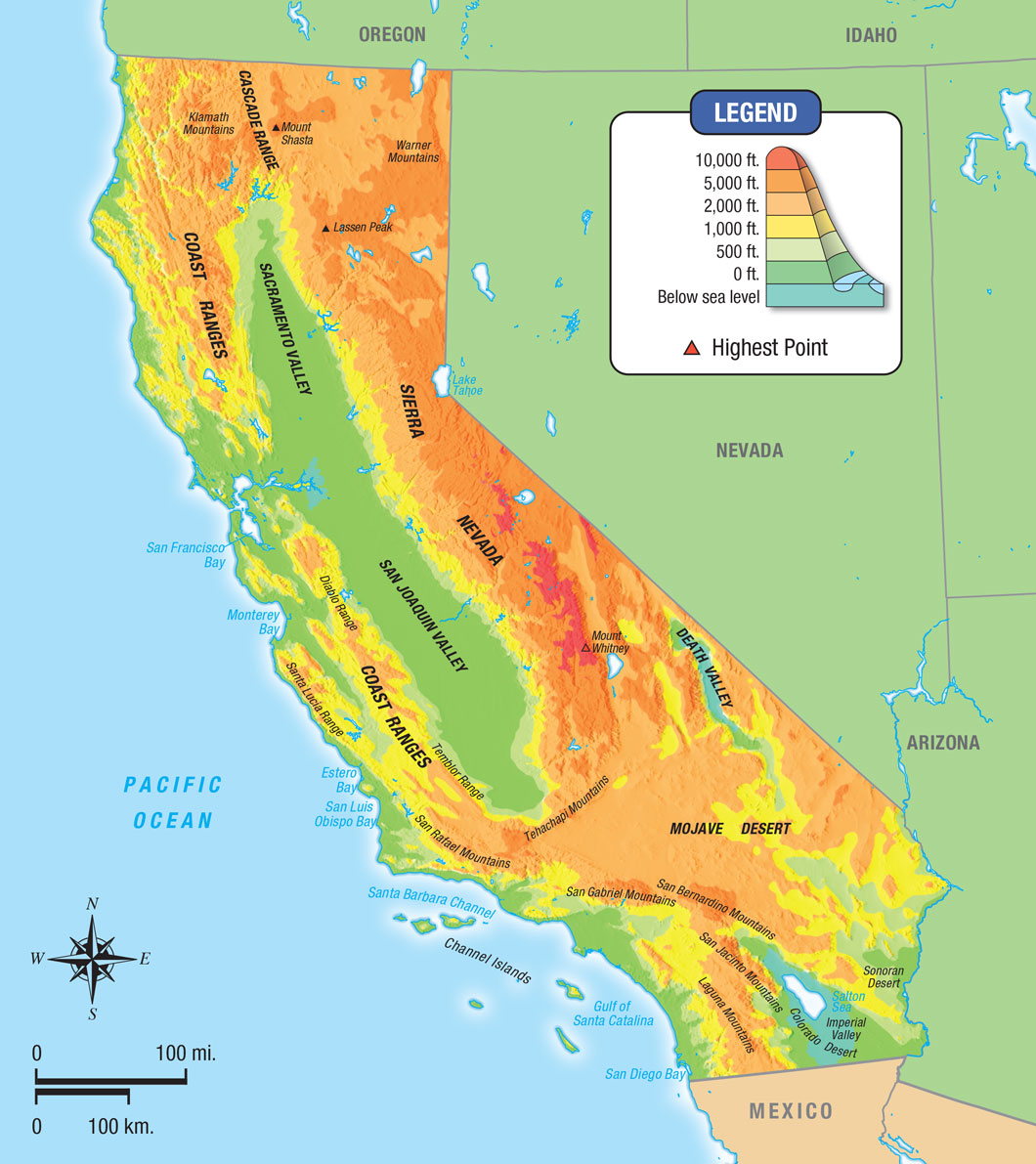
In the north, you can show them Mount Shasta, a volcano that last erupted just a little over 200 years ago! You can visit the famous Half Dome in Yosemite National Park and the telescope atop Palomar Mountain in San Diego County. The Mountain Region stretches the full length of the state.
Veins of gold in the mountains drew people westward in the 1850s. Until people built roads and railways, the ranges formed a barrier between the West Coast and the growing country in the East.
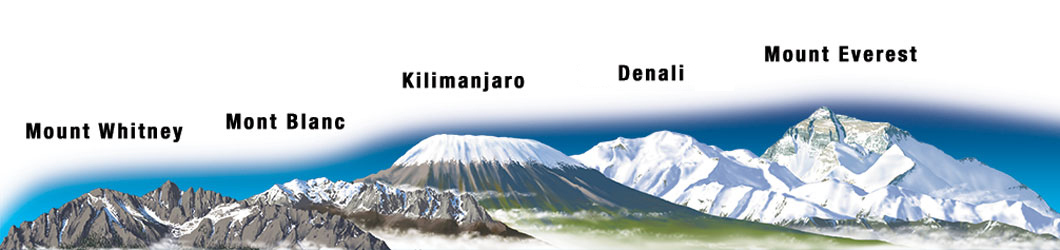
California
14,505 feet
Europe
15,771 feet
Africa
19,340 feet
Alaska
20,310 feet
Asia
29,029 feet
Learn More!
▲ While California’s Mount Whitney (14,505 feet) is the tallest peak in the 48 connected states, it isn’t the country’s highest mountain. That honor goes to Alaska’s Denali. At 20,310 feet, it stands about one-third higher than Mount Whitney!
The world’s tallest mountain, Mount Everest, is in the country of Nepal. At 29,029 feet, it is nearly twice as tall as Mount Whitney. But if you count height from the absolute base, Mauna Kea in Hawaii is the world’s tallest peak, rising 33,476 feet from the Pacific Ocean floor. Above sea level, we see just 13,796 feet of it.
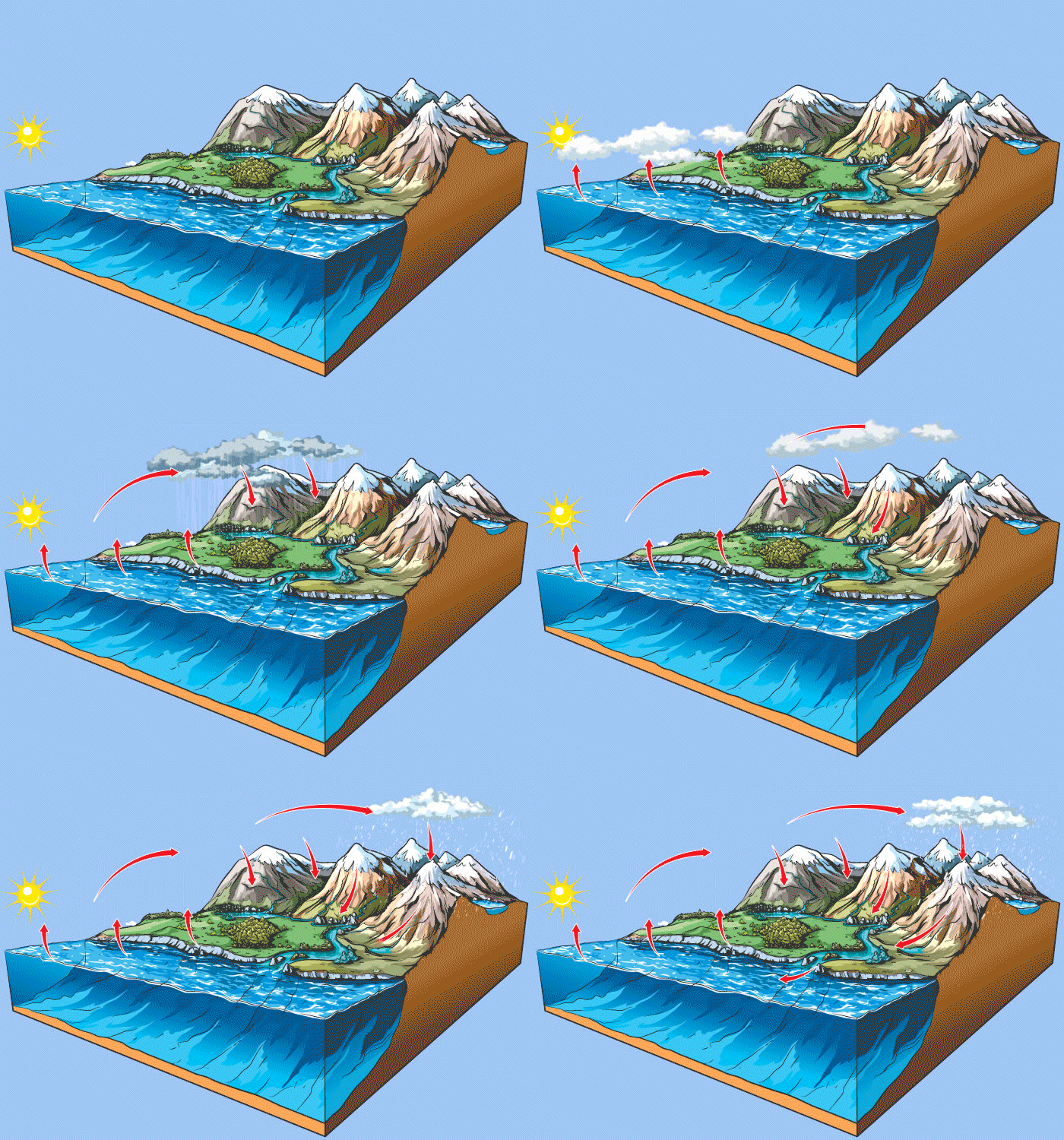
▲ In the mountains, temperatures drop about 3°F for every 1,000 feet of elevation. When warmer, wet air blows in from the Pacific Ocean, it is pushed up the mountains. As the air rises, cooling water vapor forms clouds and eventually falls as rain or snow.
Snow on the peaks forms a snowpack, which melts in the spring. Some of the melted snowpack seeps into the Earth and refills the water table, while other water runs down the mountainsides to fill lakes and swell rivers and streams.
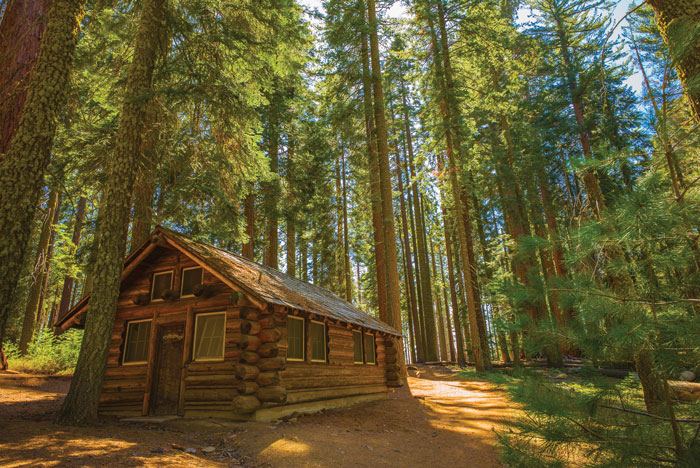
◀ Mountain communities are popular with visitors. People come for summer and winter sports, but for people who live in such places all year, far from towns or cities, life takes preparation. Emergencies can happen when nobody else is nearby to help. In winter, storms can cut people off from their neighbors. People learn to rely on themselves.
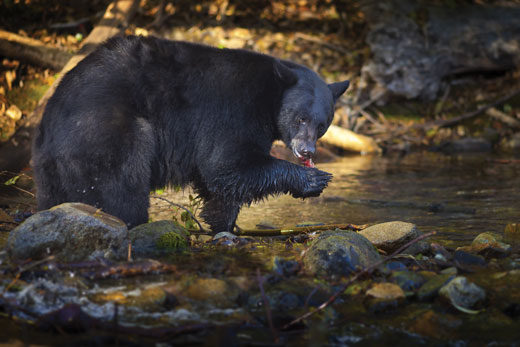
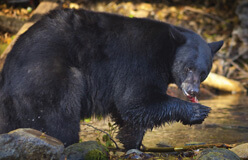
◀ In urban areas, most wild animals have adapted to humans. Raccoons and skunks are a common sight, but bears and mountain lions? Not likely! People who live in Mountain Regions adapt to sharing their environment with wild animals. Animals like deer and wild turkey can be useful resources. Most often, people learn to coexist with the wildlife around them.
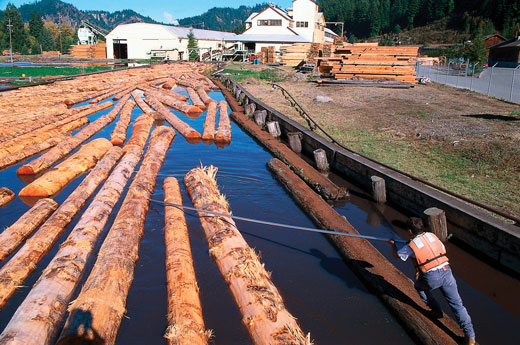
Some people who live in Mountain Regions work at cutting down trees, which are sold to make lumber for building. Trees are also used to make paper. Forests are replanted so that more trees will be available in the future. Minerals are an important natural resource found in the mountains. People work in the mining industry, removing minerals from the Earth. ▶
Elevation, or the height of the land, is measured from sea level. In California, some mountains rise more than two miles above sea level, but that doesn’t necessarily mean that a mountain rises two miles up from its base. The base of the mountain may itself be hundreds or thousands of feet below sea level.
Elevation can also fall below sea level. If you were to fill Death Valley with enough water to reach sea level, parts of that new lake would be 282 feet deep!
Learn More!