Free
If your faraway friends ask why people come to live in your community, how will you answer?
Do you live in Southern California, where citrus fruit like oranges and lemons grow in some people’s backyards? Or north of San Francisco, where grapevines thrive? Does your home have a steep roof so that snow can’t pile on top? Do you often need a raincoat?
Maybe you live near a river. Maybe you live in the same city where your great-grandparents once migrated. Geography shapes California communities big and small, in ways you might not expect.
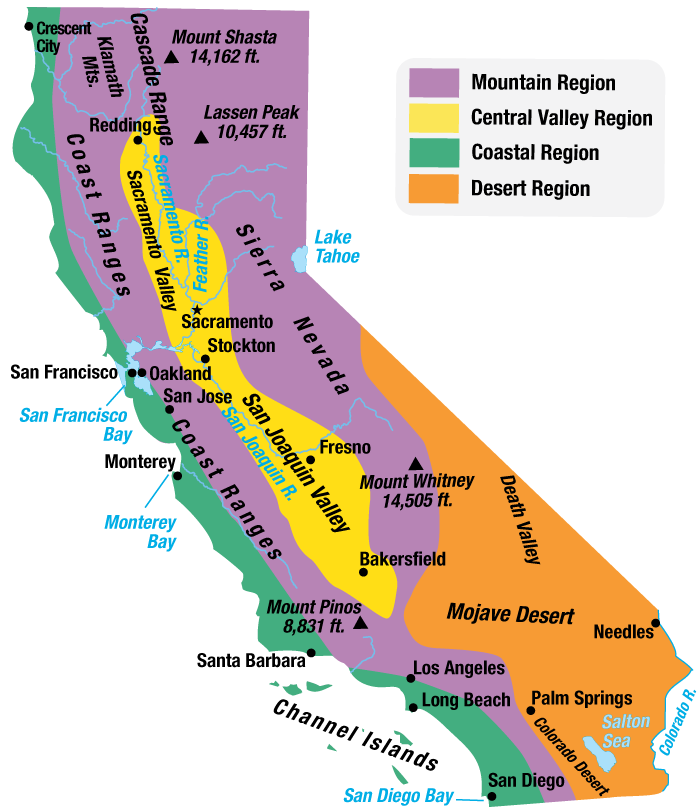
◀ California has areas that are very different from one another. Geographers have divided it into four natural regions: the Mountain Region, the Central Valley Region, the Coastal Region, and the Desert Region. Within each region there are similar landforms, bodies of water, climates, and plants. These groupings help us to understand California’s patterns of settlement – the places its people have chosen to live.

Mountain Region:
The dangerous passes of the Sierra Nevada mountain range kept many Americans from moving to California before the Gold Rush began.

Central Valley Region:
The soil and weather of the Central Valley made it a very good place for farmers to plant crops.

Coastal Region:
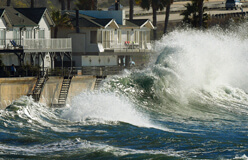
The safety of San Diego’s natural harbor encouraged Spanish settlers to colonize California in the 18th century.

Desert Region:
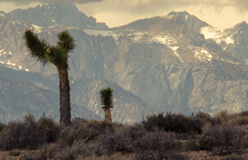
In the past, few people lived in the dry desert, but today, the region supports thriving communities like Palm Springs, because people have learned to modify, or change, their environment.
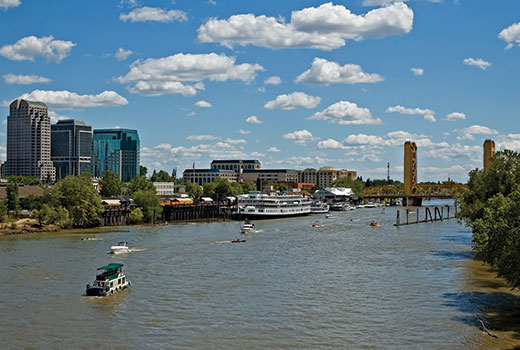
▲ Many people chose a place to live based on its natural resources, things found in nature that met their needs. California’s first settlers chose places where they could hunt, fish, and grow crops. They needed a supply of fresh water, so a home near a river could be ideal. Rivers were useful for transportation because they helped with jobs like trading or logging. Population density, or the number of people who live in the same area, quickly grew along deltas, which are areas of land built up with river soil.
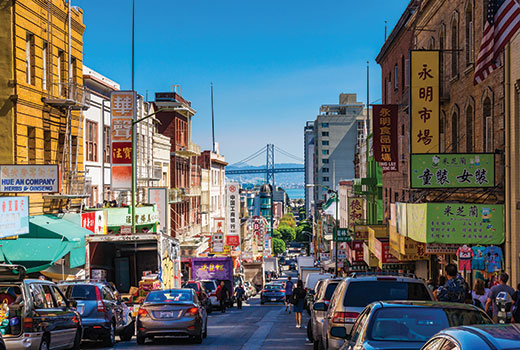
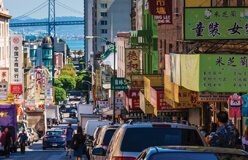
▲ Some people came to California because they had family or friends there. They chose communities for cultural reasons. Some came to find others who shared their heritage and ways of life. For example, many people came from China to work on the transcontinental railroad. They met other Chinese people in San Francisco’s Chinatown, so they made their homes there. Some people were born in California, and stayed to raise their own families.
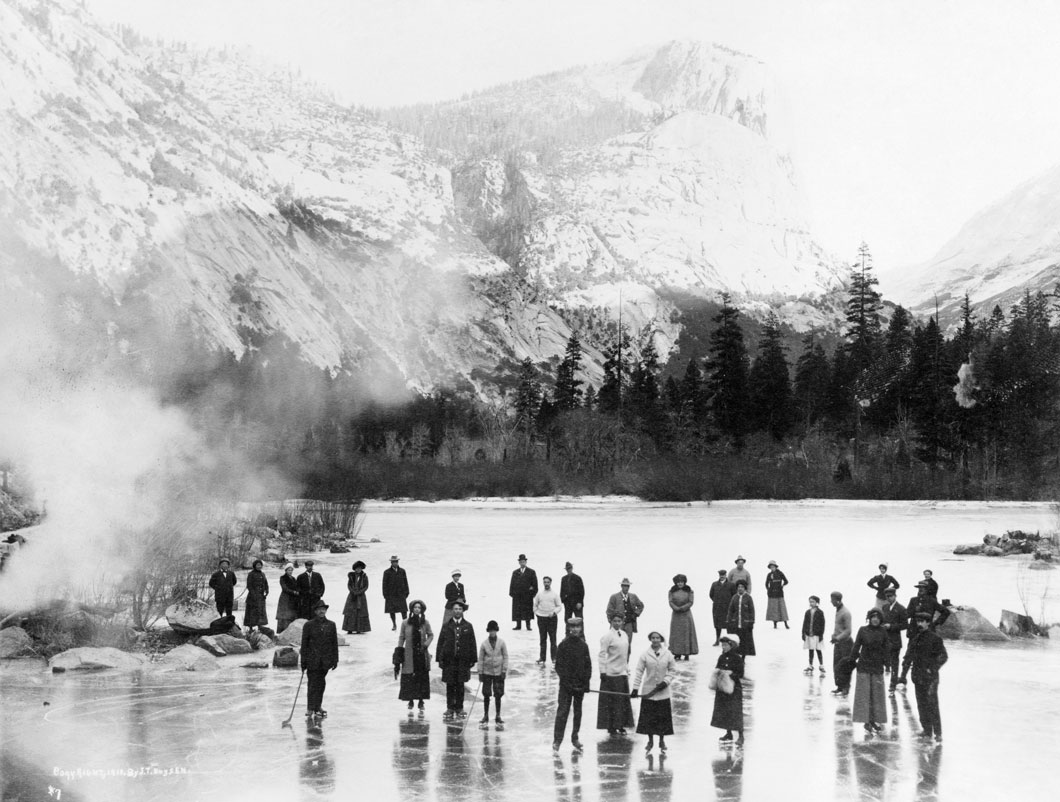
▲ The need for natural resources wasn’t the only reason people moved to certain areas. Much of California is very difficult to travel. Not many people live in steep mountain ranges. Such areas can’t be reached quickly or easily. High elevations stay very cold for much of the year. People didn’t often choose such a difficult life.
At the other extreme, heat made human settlements hard or even impossible in Desert Region areas. There is little water, even though some places in the California desert are near or below sea level. Sea level is the exact altitude where the land meets the ocean.
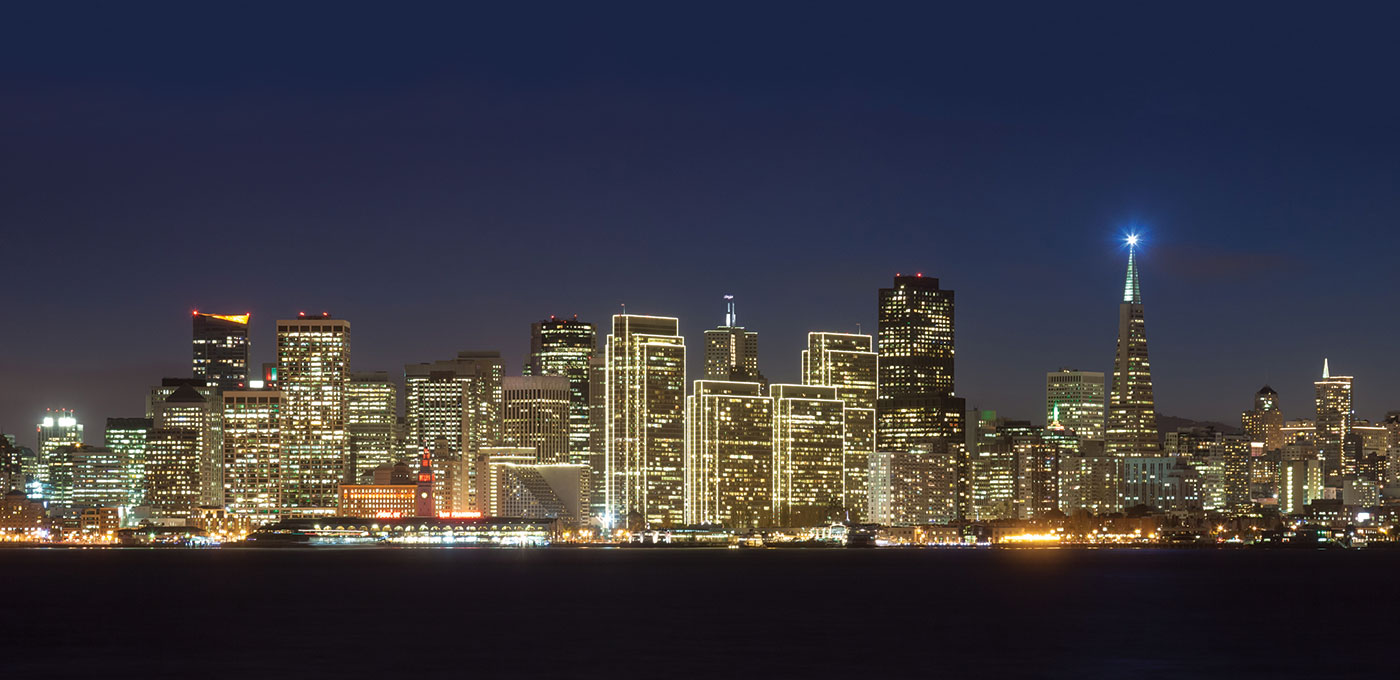
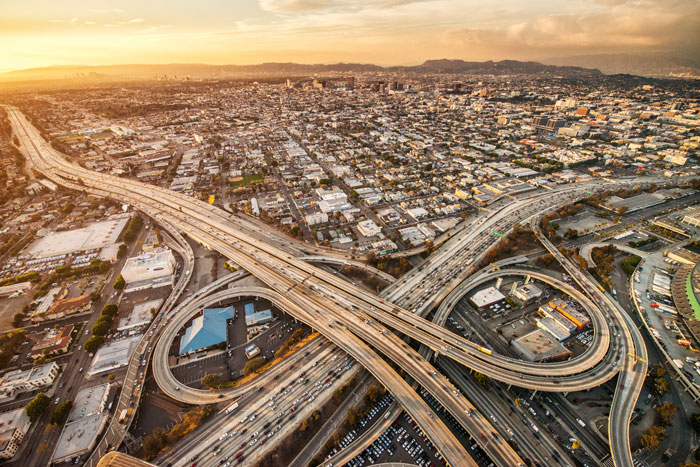
Today, California has 40 million residents! More than nine out of ten of them live in cities. Of the ten largest cities in California, six are on the coastline, and the rest are in the Central Valley or in other areas with rich farmland. Even though so many people live in cities, most of the land in California is still rural. ▶
California’s Largest Cities, 2020
|
Rank |
City |
Population |
|
1 |
Los Angeles |
3,973,278 |
|
2 |
San Diego |
1,414,545 |
|
3 |
San Jose |
1,029,409 |
|
4 |
San Francisco |
874,784 |
|
5 |
Fresno |
526,147 |
|
6 |
Sacramento |
503,482 |
|
7 |
Long Beach |
462,081 |
|
8 |
Oakland |
422,575 |
|
9 |
Bakersfield |
379,879 |
|
10 |
Anaheim |
353,085 |
Think Piece!
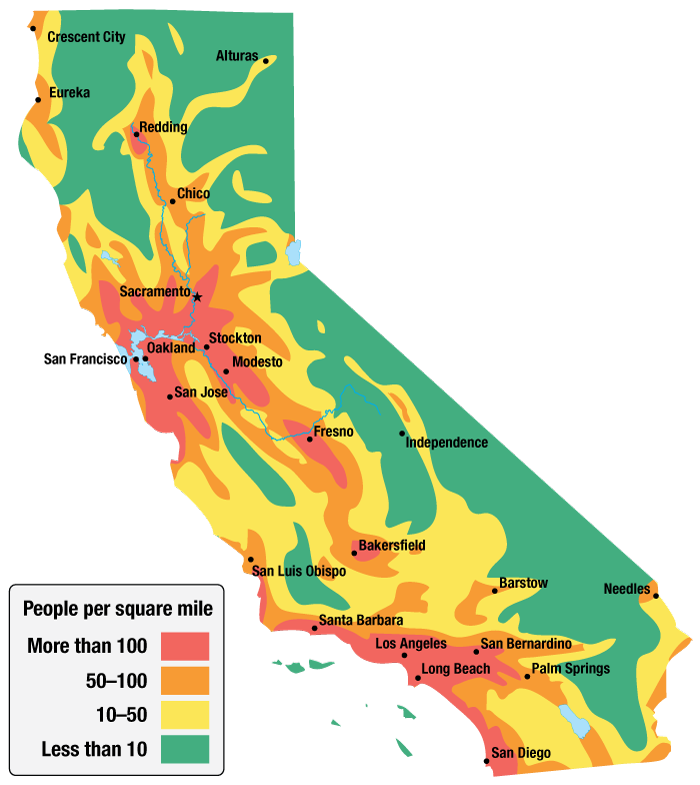
Look at this map of California’s population density. If you were going to point out a place on this map where another big city might develop, where would it be? What natural resources could people use? How would people get there? ▶
Learn More!
A metropolitan area is a large city joined together with smaller cities and suburbs. The Los Angeles metropolitan area includes more than just the city of Los Angeles. It includes other cities and suburbs in Los Angeles County and Orange County. More than 13 million people live in the area. That’s almost one-third of the people in the entire state! ▶