Free
If you sometimes don’t want to do what your parents tell you, then you have an idea of how Great Britain’s 13 American colonies felt in the 1770s. Since 1607, people had been leaving Britain and coming to America. They did so for many reasons.
These included religious freedom, making money, and a new life, among others. Many colonists had their differences with Britain. But most still considered themselves loyal subjects of the Crown.
Starting around 1763, after the end of the French and Indian War, conflict increased between Britain and the colonies. Great Britain had fought to drive the French from the continent. It won, but it had huge war debts. Parliament (the lawmaking body of Britain) said the colonies should help pay these debts. The Americans resisted. They said they shouldn’t be taxed because they had no representation in Parliament. The British offered to let the colonists elect representatives to Parliament. The colonists rejected that idea. They thought they’d never get enough votes to have any real power. Conflict between the colonists and Britain increased until, on April 19, 1775, armed revolt broke out.
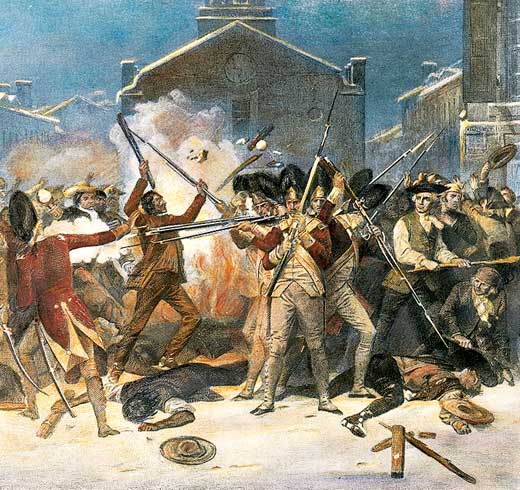
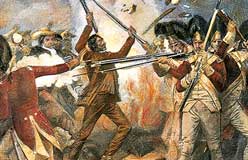
◀ On March 5, 1770, a group of colonists began heckling some British soldiers guarding the customhouse in Boston, Massachusetts. The mob threw snowballs, rocks, and chunks of ice. One of them clubbed a British soldier. The British responded with gunfire. The first of five colonists to die was Crispus Attucks (pictured), a runaway slave. At the trial, future United States president John Adams successfully defended the British soldiers against a murder charge. He argued they’d been provoked by an angry mob. Adams later changed his mind about that conflict. It’s now known as the Boston Massacre.
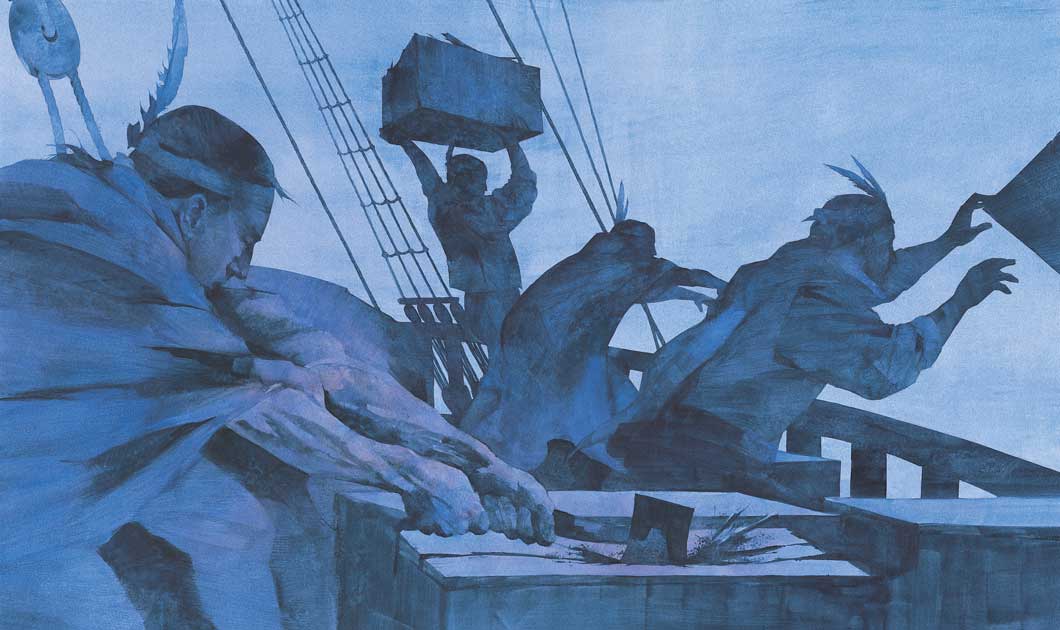
▲ By 1773, Britain had removed all taxes on the colonies except the one on tea. The tea tax wasn’t an economic hardship on the colonists. But it was a hated symbol of Britain’s power. On the night of December 16, 1773, 50 leading citizens of Boston dressed up as Mohawk Indians. They boarded three British ships and threw 342 chests of tea into Boston Harbor. The tea was worth about $2 million in today’s money. In response, Britain closed the port of Boston and put Massachusetts under military control. In protest, representatives from every colony except Georgia met in Philadelphia. They formed the First Continental Congress. They also agreed to end trade with Britain.

Their protests against British taxation might lead you to believe the American colonists suffered financially. But in fact they had the highest per capita (per person) income of any people in the world.