Free
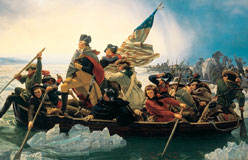
Patriots who wanted to fight could enlist in Washington’s Continental Army. Or they could join their state militia.
The militias weren’t as organized or disciplined. But they supported the army in many battles. Minutemen were special groups of militia that formed just before the Revolution. They were ready to answer a British attack “in a minute.” Boys as young as 14 could join the army. But they had to have their parents’ permission. There was no upper age limit. Colonists who stayed loyal to Great Britain either joined the British army or formed their own militias.
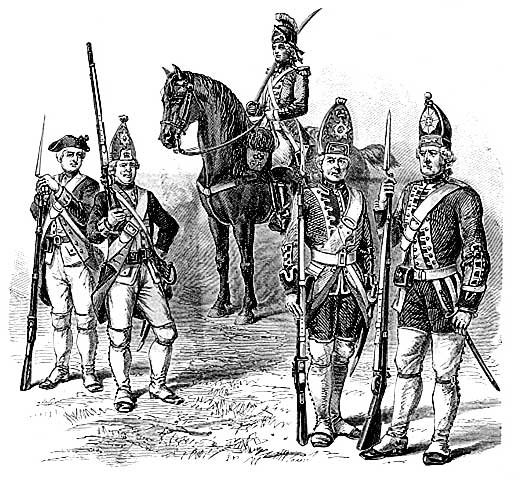
▲ Many British felt sympathy for the American cause. That made it hard for King George III to find troops. So he paid soldiers from small German states to fight for him. Many came from Hesse-Cassel. That’s why they were all called Hessians.
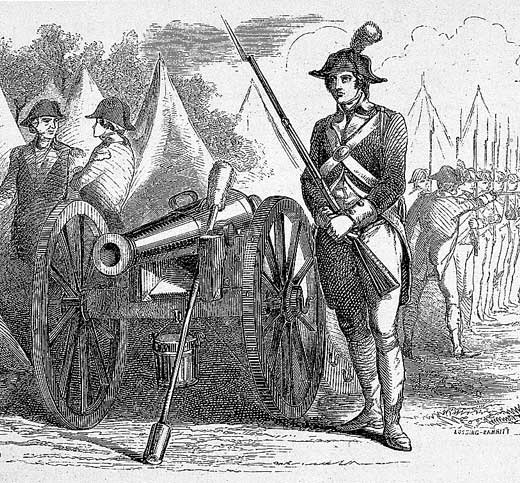
▲ The army was closed to women. But a few, like former indentured (bound by contract) servant Deborah Sampson, dressed like men and joined. Once, Sampson hid a serious thigh wound. She didn’t want to undress and reveal her identity. She later caught yellow fever. The doctor found out she was a woman. To her surprise, she was given an honorable discharge. That was probably because she had been so brave in battle.
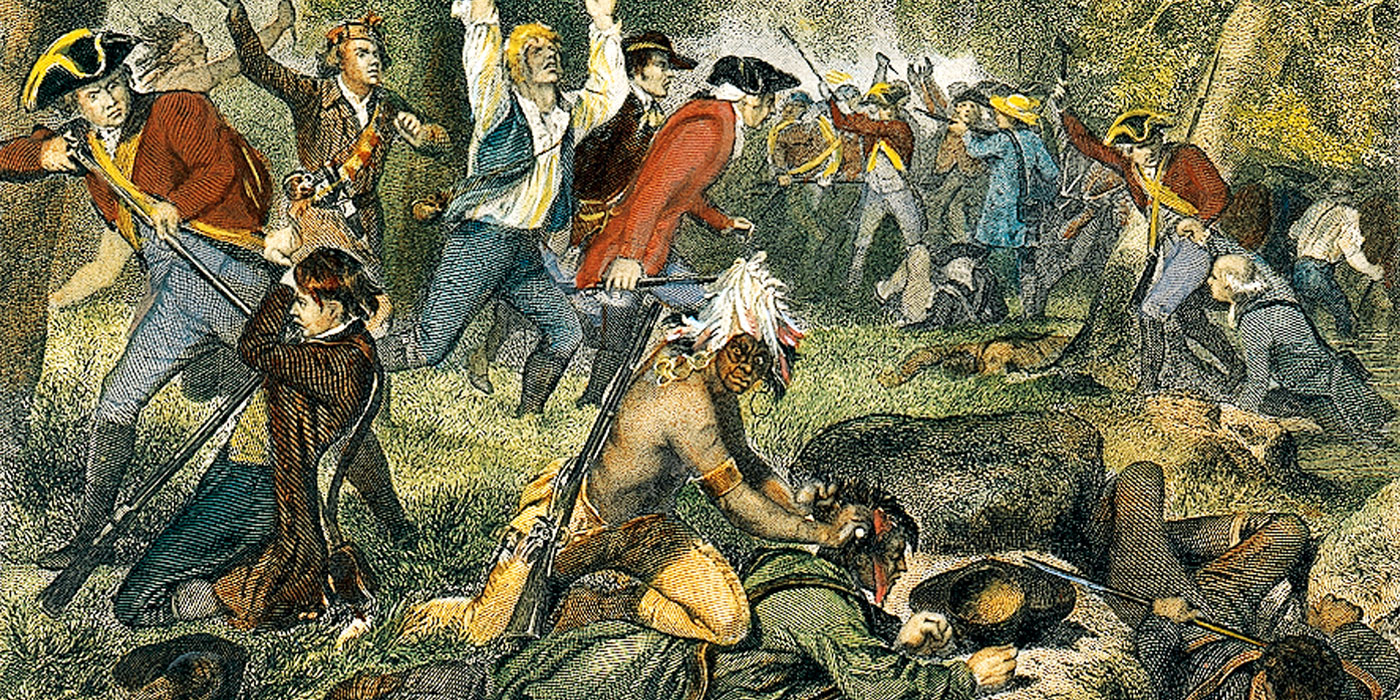
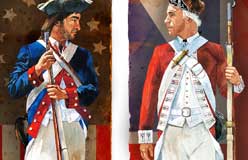
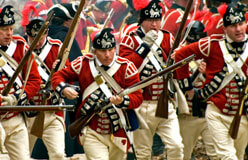
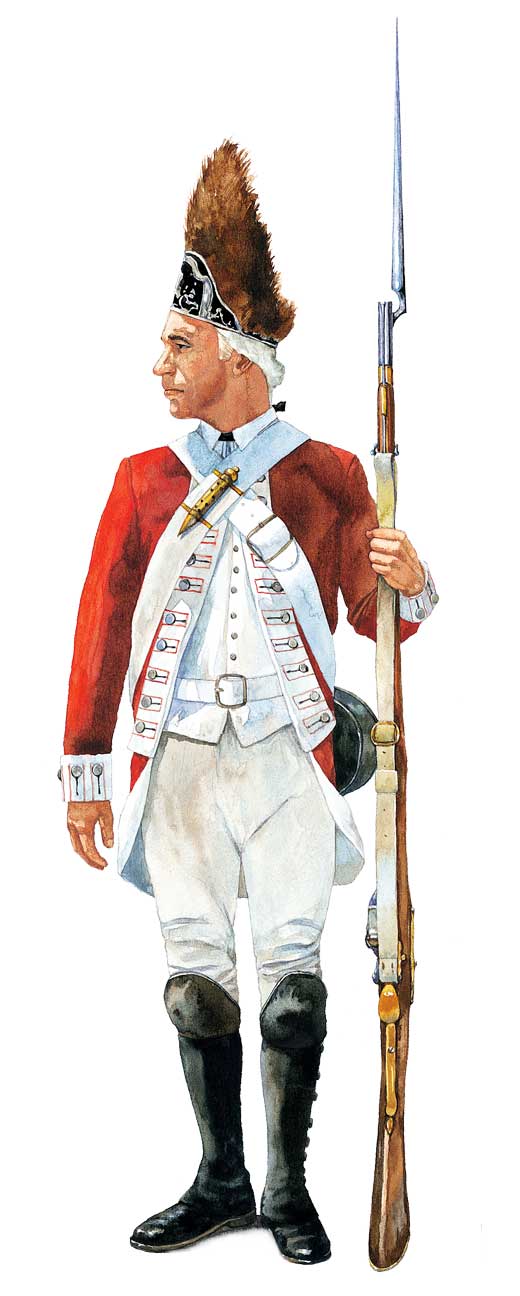
British soldiers were called redcoats because of the color of their jackets. Americans from the northeast colonies made fun of them by calling them lobsterbacks. That’s because cooked lobsters are bright red. ▶
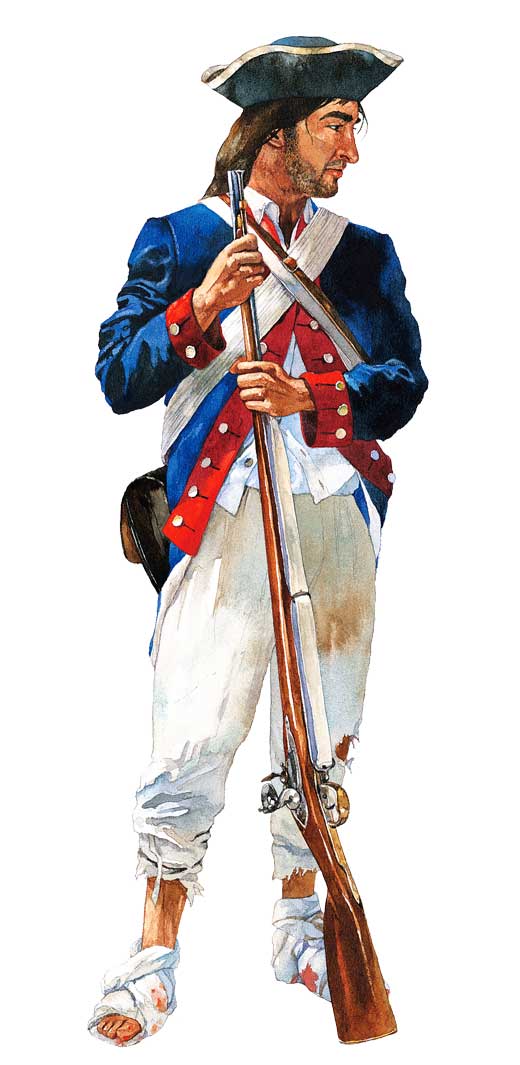
◀ Continental Army soldiers had to bring their own shirts, pants, socks, and shoes. When their shoes wore out, many tied rags around their feet. Many soldiers left bloody footprints in the snow at Valley Forge.
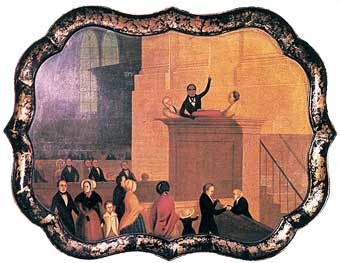
◀ The British tried to get slaves to join their army by promising them freedom. Some slaves who joined the British became free. Others didn’t. At least 5,000 free African Americans fought on the Patriot side. One was Lemuel Haynes. He later became the first black in America to serve as the pastor of a white congregation.
Loading the player...
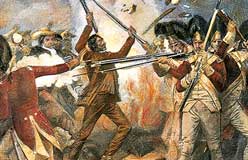
▲ Flintlock muskets with bayonets were standard weapons in both armies. When the trigger was pulled, a piece of flint (very hard rock) hit a piece of metal. This made sparks. These set the gunpowder on fire. The explosion fired a ball out of the muzzle. For accuracy, soldiers waited to fire until the enemy was close. After firing several times, soldiers charged the opposing force with their bayonets.
Fact or Fancy?
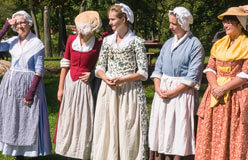
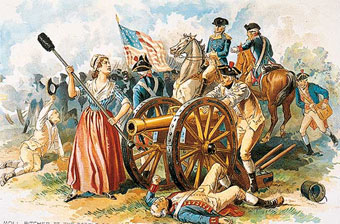
About 20,000 Patriot women followed their husbands to war. They cooked and did laundry. They also nursed the sick. A few went with their men into battle. The legend of Molly Pitcher may be based on several of these “half-soldiers.” Mary Hays, called Molly, carried water in large pitchers to soldiers on the battlefield. On June 28, 1778, at the Battle of Monmouth, Molly helped her husband with the cannon. An enemy shot tore off part of her petticoat, but she fought on!
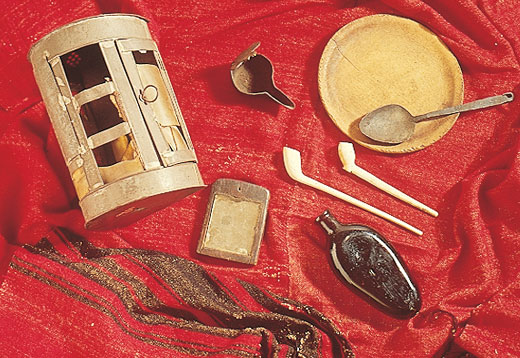
Both armies’ soldiers carried many things. In the Continental Army, five or six men slept in the same tent. They also cooked meals, or “mess,” together. They were called messmates. Each group of messmates was given an iron pot to cook food over an open fire. These heavy pots were often thrown away during long marches. ▶