Free
Some would say that Virginia has changed more since 1900 than it changed in the 300 years that came before.
Back then, our economy was based on agriculture. Now it’s based on manufacturing and services like medical care. Railroads and roads now connect people and goods throughout the state and beyond. Our small towns have become giant suburbs. Our cities have grown. What’s more, Virginians have played a big part in changes throughout our country. Here are some highlights.
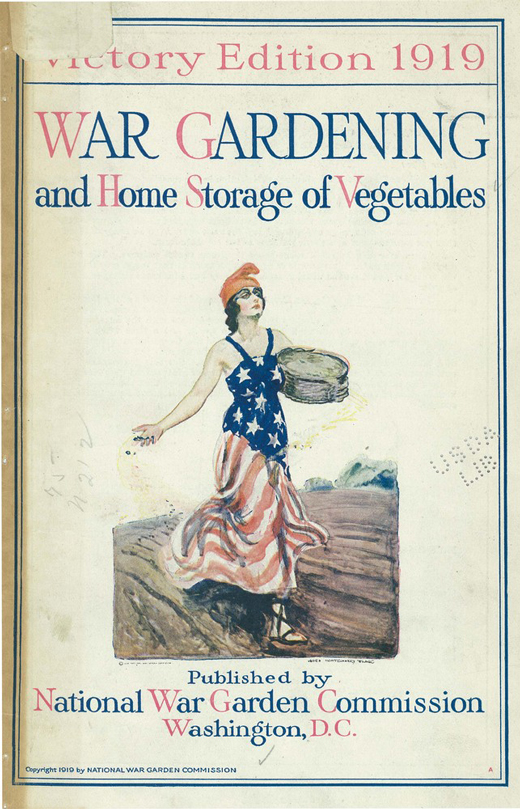
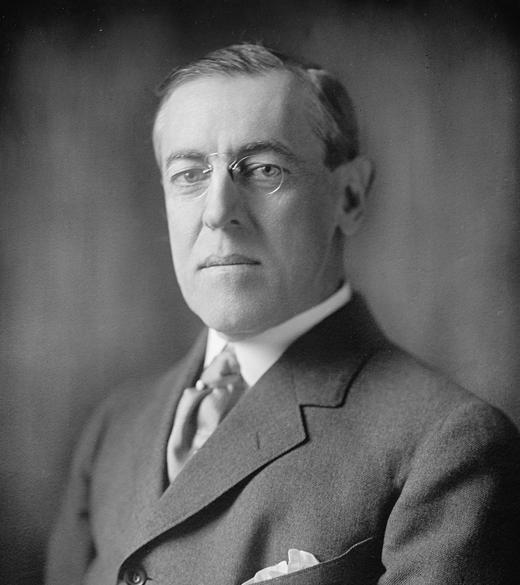
◀ Virginia-born President Woodrow Wilson led the United States into World War I. The date was April 6, 1917. Virginia did its part. Our state sent over 100,000 soldiers to fight. Newport News, on the Atlantic Coast, was a base for sending supplies to Europe. Soldiers too. Citizens helped with victory gardens. They grew their own fruit and vegetables. City parks became gardens. So did playgrounds. Even backyards. That way commercial farms could supply food to the troops. People had a popular saying. “Food will win the war.”
After World War I, President Wilson proposed a new organization. Its goal was to settle disagreements among nations. The organization was known as the League of Nations. It was part of Wilson’s 14-point plan for world peace. The league was formed in 1920. But the United States did not join. After another World War, the U.S. did join an international organization. It was called the United Nations. ▶
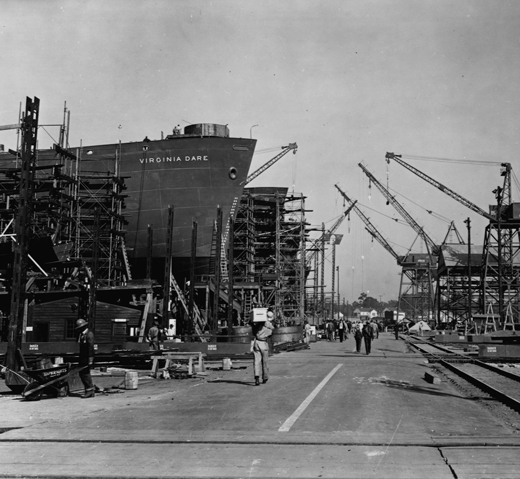
◀ The U.S. was soon at war again. Between 1941 and 1945. And once more, our state did its part. Around 300,000 Virginians served in the armed forces in World War II. Norfolk, Virginia, was a center for training. And for supplying ships for the war. Civilians bought war bonds. These bonds provided the U.S. government with money to pay for the war. A bond is a loan made for a set period of time.
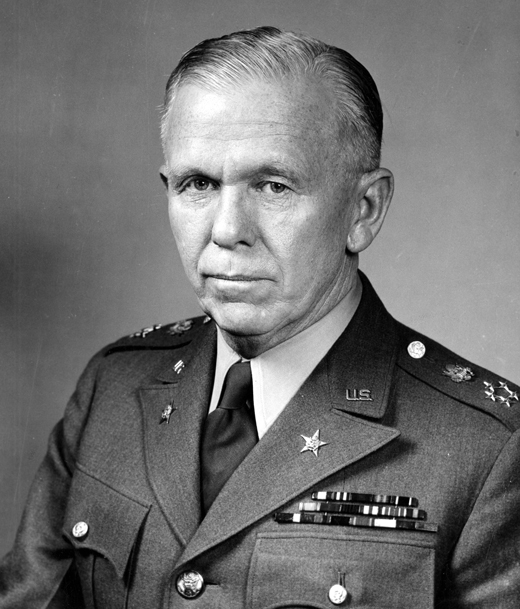
George Marshall was a resident of Virginia. He graduated from the Virginia Military Academy. Then he became a military leader. Marshall is best known for his plan to rebuild countries after World War II. His plan was known as the Marshall Plan. It earned him the Nobel Peace Prize. That was in 1953. ▶
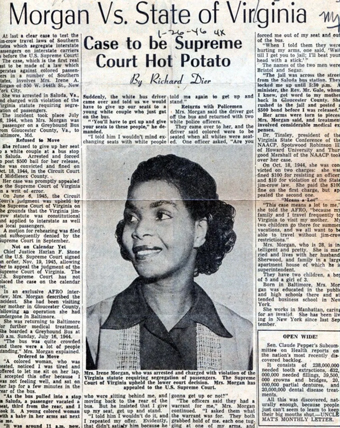
◀ On July 16, 1944, Irene Morgan boarded a bus in Gloucester, Virginia. The bus was headed for Baltimore, Maryland. As was the law in Virginia, she took a seat in the “Black section.” The bus driver asked Morgan to give up her seat to a White person. Why? Because no seats were available in the “White section.” Morgan said no. The bus driver drove straight to a local jail. There, Morgan was arrested. It took two years, but Morgan won her case in the U.S. Supreme Court. The case is known as Morgan v. Commonwealth of Virginia. The court said state segregation laws did not apply to travel between states.
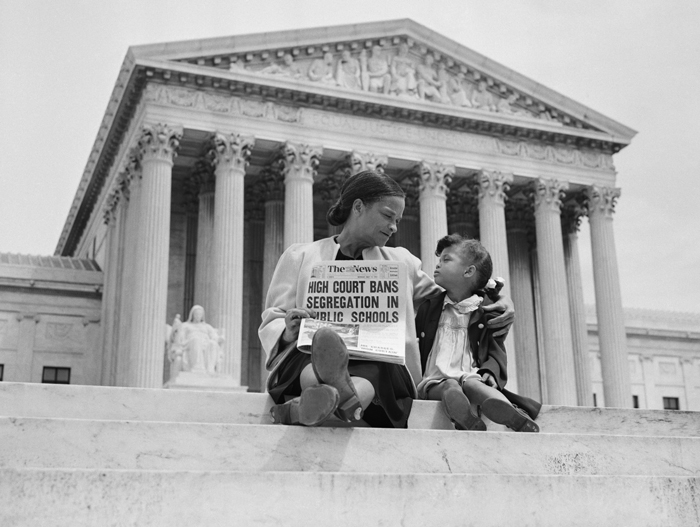
In 1954, the Supreme Court decided a case called Brown v. Board of Education. The decision ended segregation in public schools. Until that time, the idea of “separate but equal” schools was the law. The court’s decision stated that separate but equal was not equal. It also said that segregated schools broke the 14th Amendment. Barbara Johns was a high school student in Farmville, Virginia. She was part of the case. Johns had led a protest of the poor conditions in her all-Black school. The protests led to a lawsuit. The suit eventually became part of Brown v. Board of Education. ▶
Think Piece!
How are Morgan v. Commonwealth of Virginia and Brown v. Board of Education alike?
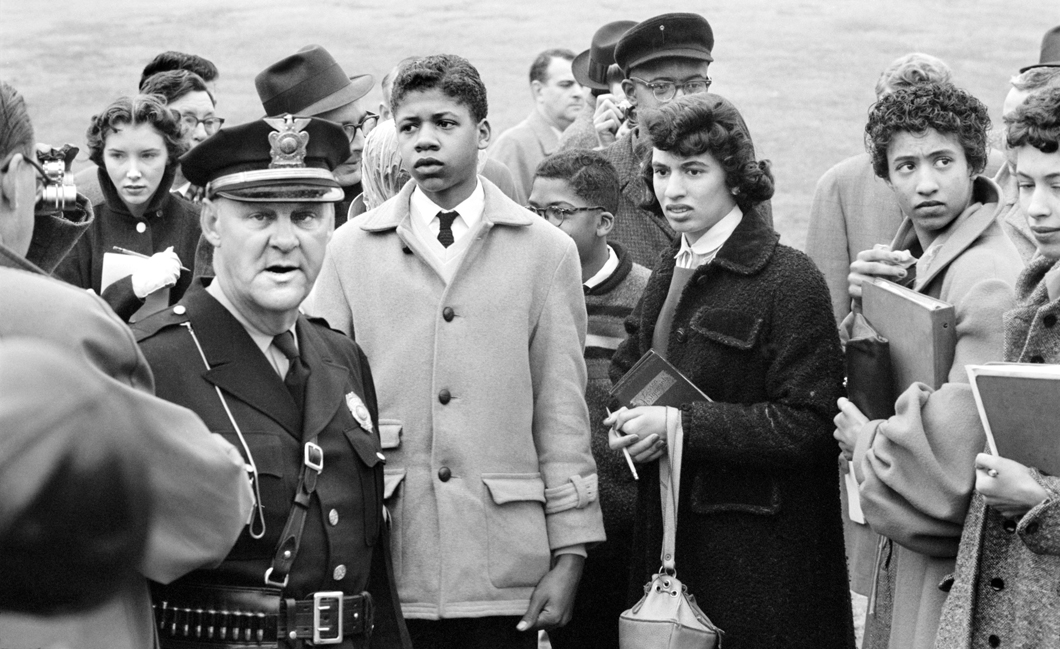
▲ Virginia state lawmakers refused to accept the decision in Brown v. Board of Education. They said integrating schools was not for the federal government to decide. It was for states to decide. As well as cities and towns. In a policy called Massive Resistance, state representatives passed laws to block integration. Schools in several cities were shut down. Students who wanted to attend a private, segregated school got state scholarships. In 1959, Massive Resistance was struck down by the courts. Even so, widespread integration did not take place in Virginia. At least until 1968.
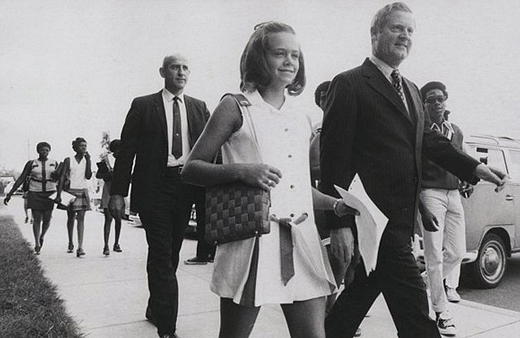
◀ In 1970, Linwood Holton became governor of Virginia. In his first speech he said, “The era of defiance is behind us. Here in Virginia we must see that no citizen of the commonwealth is excluded from full participation in both the blessings and responsibilities of our society because of his race.” To emphasize his point, Governor Holton took his daughter to her first day at a largely Black high school.
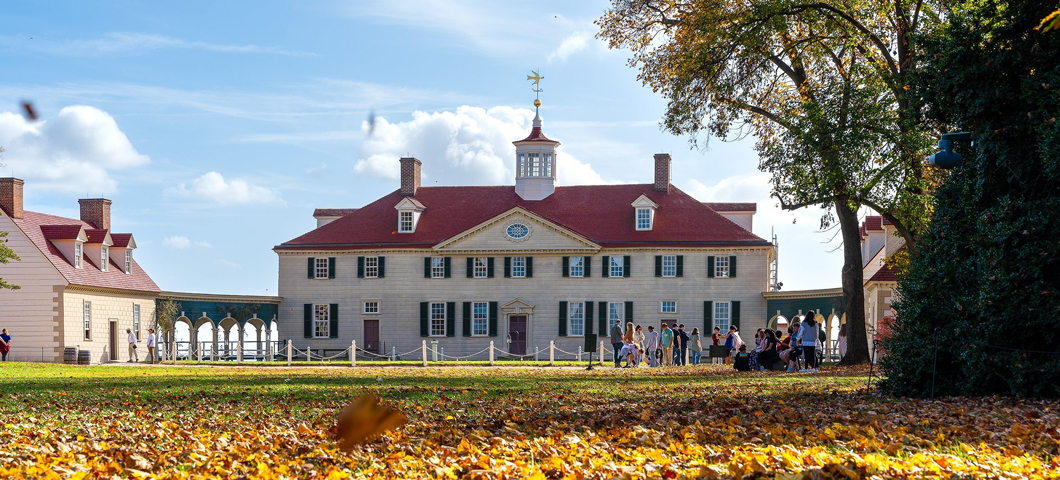
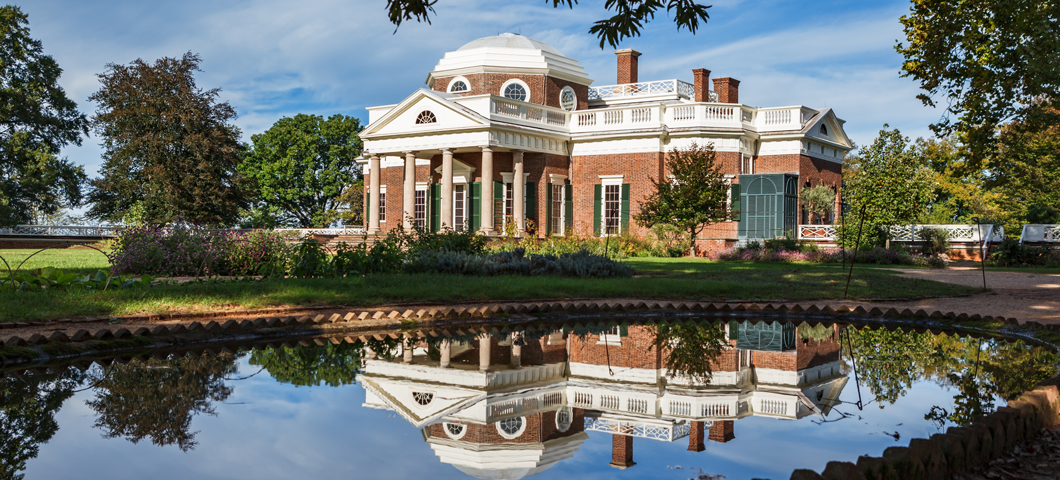
Places of Note
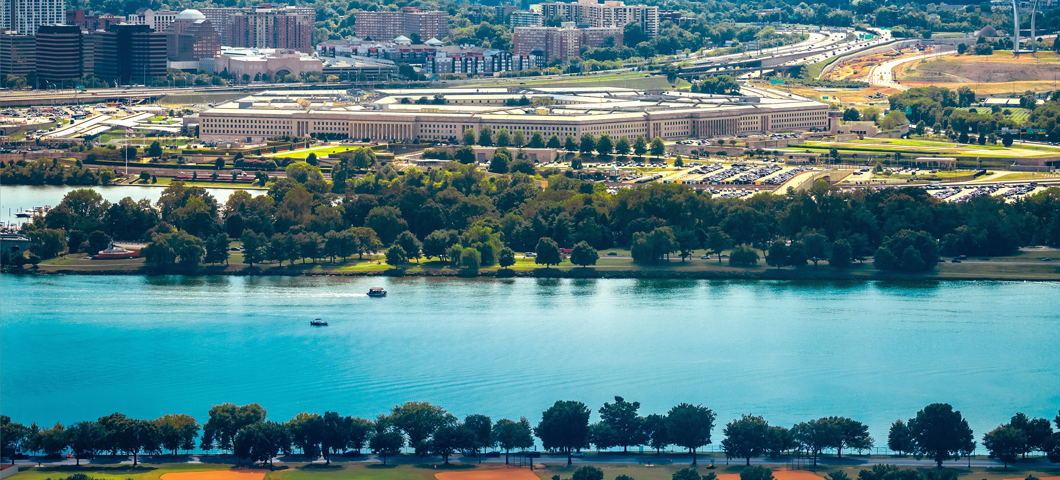
The Potomac River separates Virginia communities like Alexandria and Arlington from Washington, D.C., our nation’s capital. The Pentagon is in Arlington. The Pentagon is where the U.S. Department of Defense is located.