Free
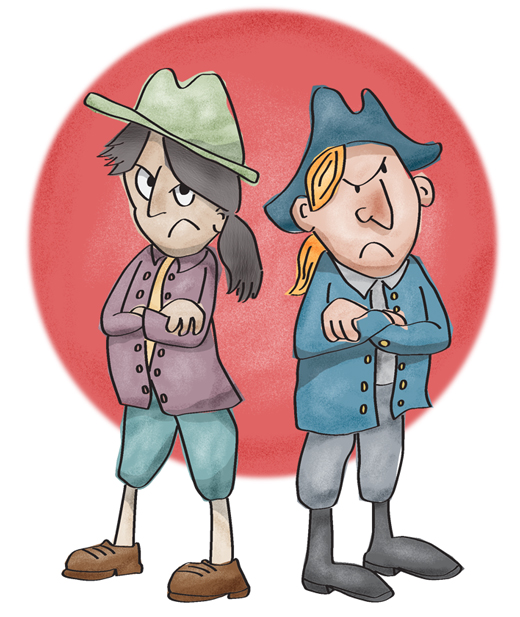
At times, family members have differences.
They may believe different things. They may behave differently. They may have different concerns. Sometimes those differences are very great. Family members may even stop talking to each other. This is like what happened between the states in the early to mid-1800s.
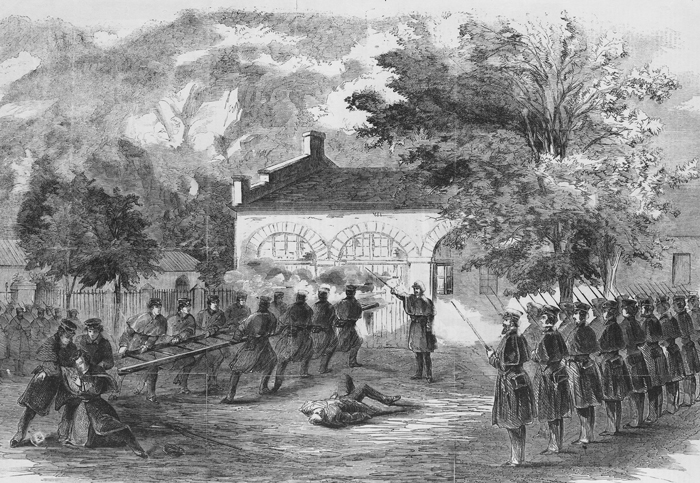
◀ John Brown was an abolitionist. He was against enslavement. On October 16, 1859, he and 20 other people wanted to start a rebellion among enslaved people. They led a raid on an armory in Harpers Ferry, Virginia. (An armory is a place where weapons are kept.) But hundreds of local militiamen fought off the raiders. As did Colonel Robert E. Lee and 90 marines. (Militiamen were citizens with some military training.) A newspaper of the time describes the raid this way:
The Harpers Ferry invasion has advanced the cause of disunion more than any other event that has happened since the formation of the government.
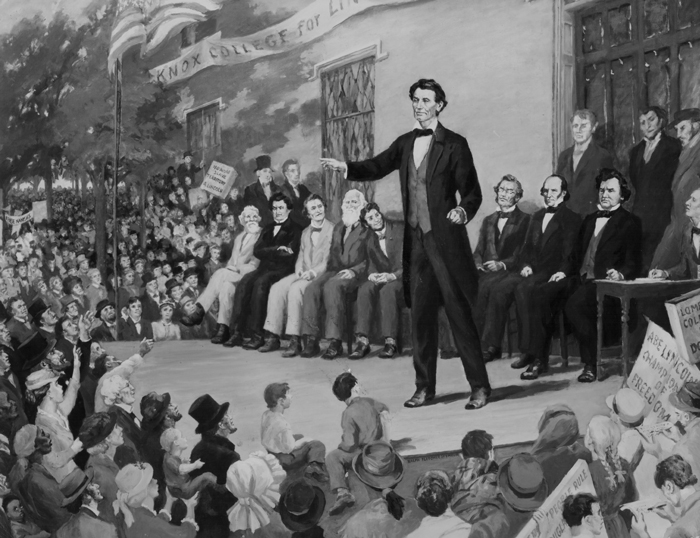
◀ In 1860, Abraham Lincoln was one of four candidates running for president. Lincoln’s idea was that enslavement should not be expanded. And it should not be extended to new territories. “If slavery is not wrong, nothing is wrong,” he said. Lincoln won the election. He was sworn into office on March 4, 1861. By that time, seven states had already seceded, or split, to form their own country. They called it the Confederate States of America. On April 17, 1861, Virginia joined the new country.
Not everyone in Virginia agreed that their state should secede from the United States. People in the western part of the state had small farms. Not large plantations. Many worked in factories. Soon after Virginia voted to secede, those in the west voted to form their own state. In June 1863, it became official. West Virginia was born. ▶
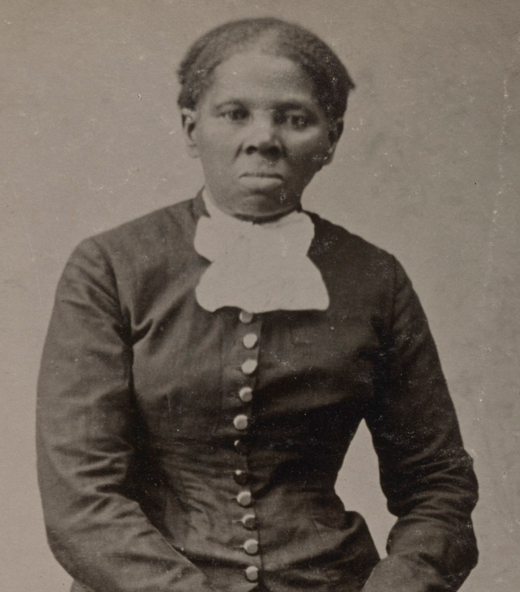
◀ Harriet Tubman was born into enslavement in Maryland. When she was 27, she escaped. With the help of a network of Black and White people she found her way to Philadelphia and freedom. But Tubman wanted freedom for others too. That’s why she returned to the South. Tubman used the network to lead at least 70 enslaved people to freedom. (The network was known as the Underground Railroad.) “I never ran my train off the track,” she said. “And I never lost a passenger.” After the Civil War began, Tubman worked for the Union Army hospital at Fort Monroe, Virginia. The Union Army was the army of the northern states. First, she was a nurse and later a matron, or head nurse. Later still, she served with the army in South Carolina.
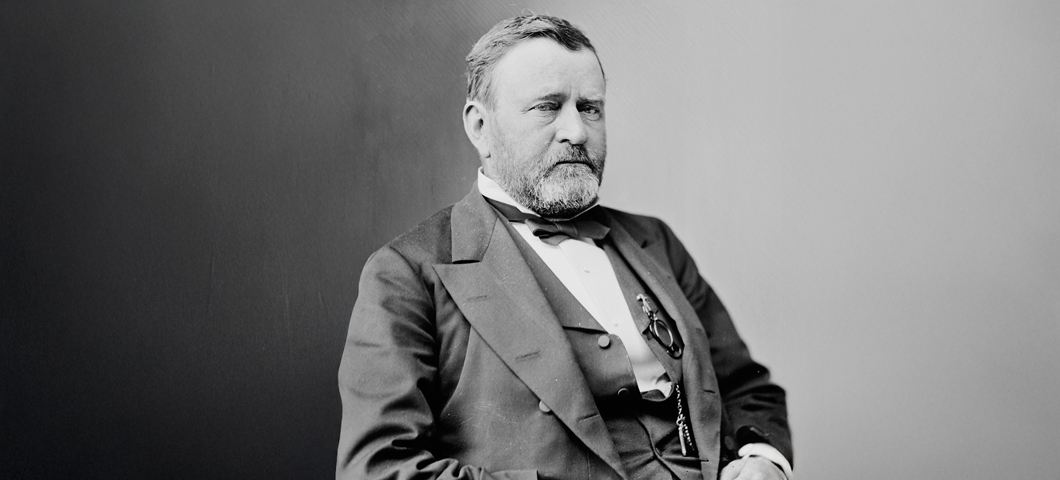

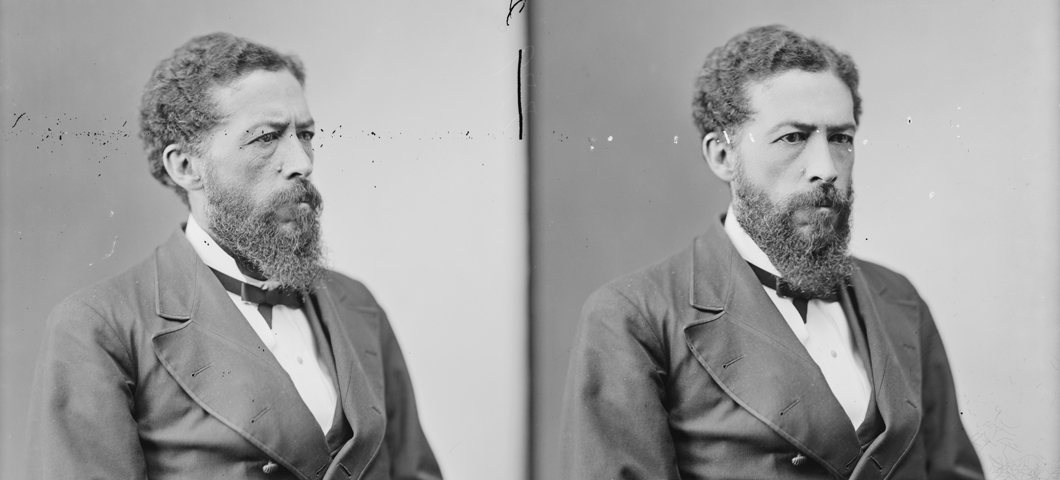

Noteworthy Virginians
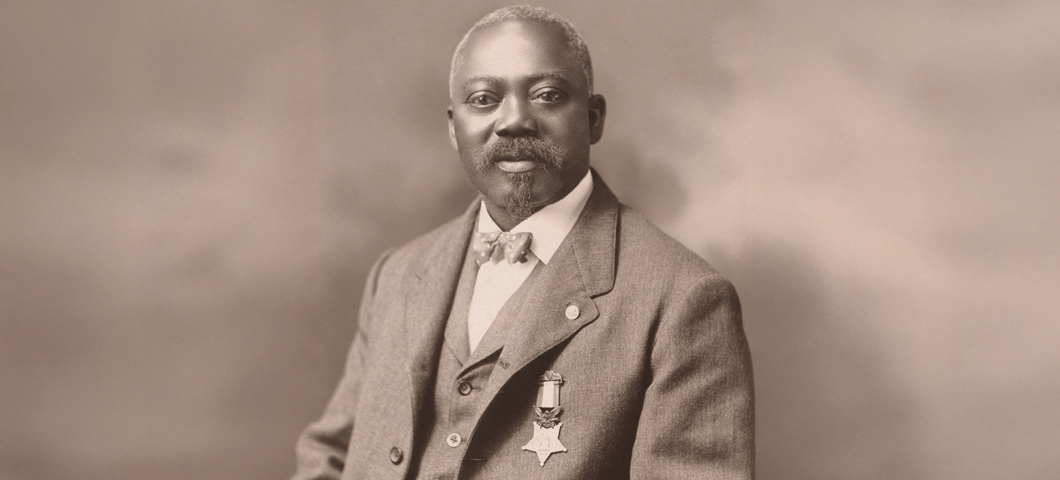
William Harvey Carney was born enslaved in Virginia. He escaped to freedom and planned to be a minister. Instead, he joined the Union Army. Carney said this about his decision: “I could best serve my God by serving my country and my oppressed brothers.” He went on to win the Medal of Honor for his actions during the war. He was the first Black person to do so.
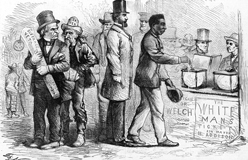
After the war, the U.S. government made Confederate states reconstruct, or remake, their state government. Only then would they be allowed back into the country. This time period is known as Reconstruction. Virginia wrote a new constitution. It set up free public schools. And it established a poll tax. A poll tax is paid in order to vote. Virginia also accepted the 13th, 14th, and 15th Amendments to the U.S. Constitution. ▶
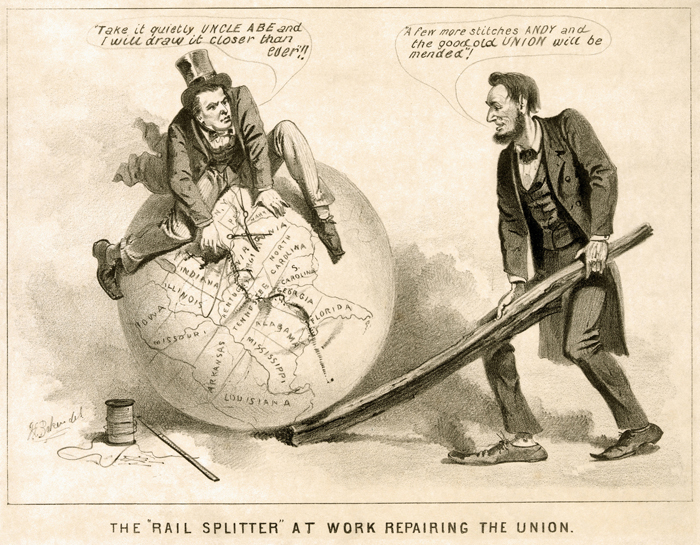
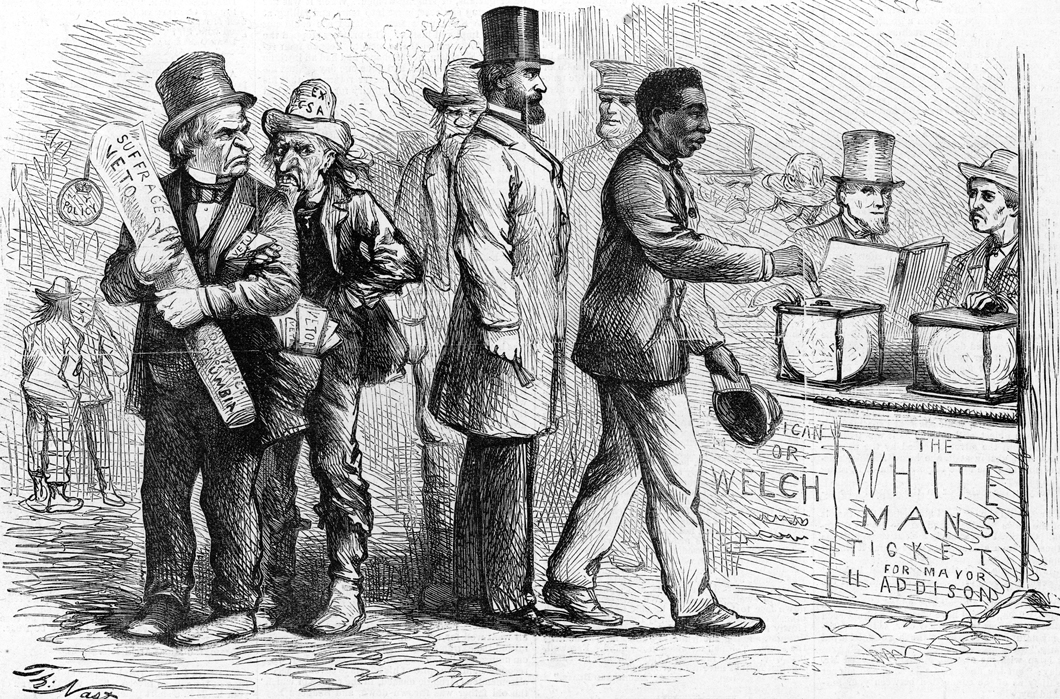
▲ The 13th Amendment to the Constitution ended enslavement. The 14th Amendment gave U.S. citizenship to people born (or naturalized) in the U.S. This included formerly enslaved people. A naturalized citizen is someone who is born in one country but becomes a citizen of another. The 14th Amendment also said that all citizens would have equal protection of the law. This included Black people. The 15th Amendment said that a person could not be denied the right to vote because of race, color, or having ever been enslaved. It set the stage for the Voting Rights Act of 1965.
Check It Out!
How did the 14th Amendment affect Indigenous peoples?
The Supreme Court of the United States ruled that the 14th Amendment did not give citizenship to Indigenous peoples. The court said that instead, Indigenous peoples owed loyalty to their own tribes. That was until the U.S. government passed the Indian Citizenship Act of 1924. The act recognized Indigenous peoples as U.S. citizens.
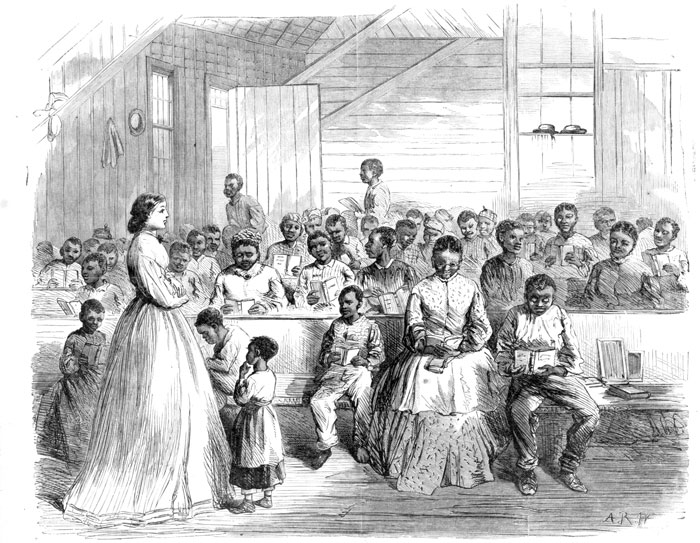
◀ Before the Civil War, most Black people couldn't get an education. After the war, freedmen’s schools were set up. They often had the help of the Freedmen’s Bureau of the U.S. government. Andrew Johnson, who became president after Abraham Lincoln was assassinated, was no “friend” of Reconstruction. And he did not support the Freedmen’s Bureau. He didn’t think the U.S. government should be helping one group of people and excluding other groups. People known as Radical Republicans had a different opinion:
We’ve got to take care of freed people right now, with the Freedmen’s Bureau. We've got to get food in the hands of people who have no food. We’ve got to get clothes on the back of people who have no clothes. We’ve got to get schools started, so that these children can learn to read and write.
Think Piece!
Do you agree with President Andrew Johnson’s ideas or those of the Radical Republicans?
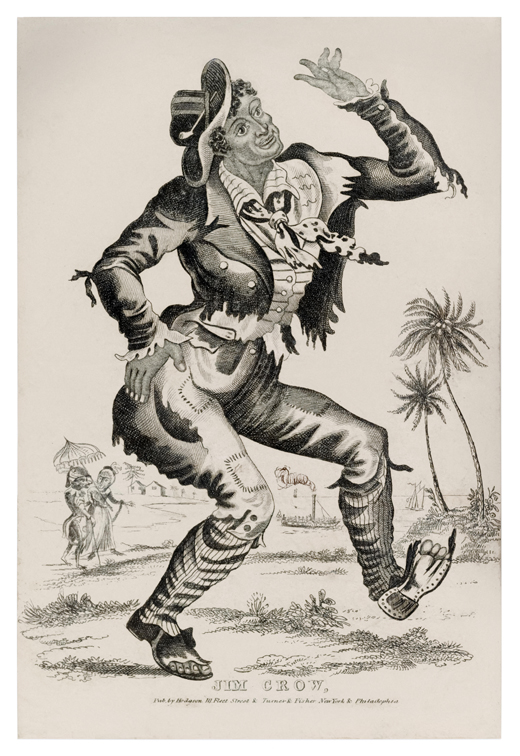
Reconstruction ended in 1877. That’s when the time of Jim Crow laws began. The name Jim Crow refers to a Black character created by a White actor who rubbed burnt cork on his face to blacken it. The actor made his character look foolish. The Jim Crow laws passed in Virginia were like laws passed in other southern states: Schools had to be segregated, or separated, by race. The same for restaurants and hotels. Hospitals and parks also. These “rules” were the result of a decision in a Supreme Court case known as Plessy v. Ferguson. The policy was called “separate but equal.” Jim Crow laws were in effect until 1964. ▶
Reflection
Reflect on the idea of “separate but equal.” What is your opinion of the idea?