Free
After the Battle of Yorktown, Virginia, in 1781, Britain knew it could no longer control its American colonies.
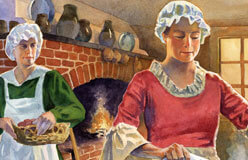
Fighting continued in some areas. But the war was over. Soldiers returned to their farms and businesses. Women went back to their usual roles. The war didn’t make big changes in women’s lives. But many women now had a different idea of their abilities. This laid the groundwork for the fight for equal rights, which was to come many years later.
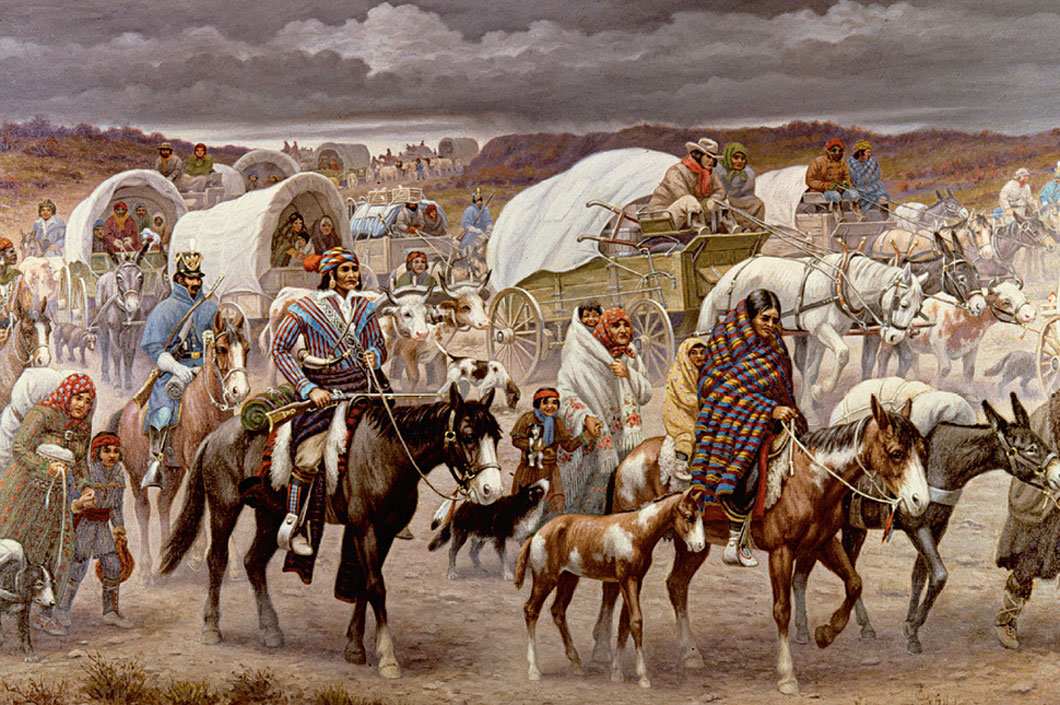
▲ Most Native Americans supported the British. Many left for Canada. But more and more settlers moved west. So even tribes that supported the Patriots lost their land after the war. Within 50 years of the Revolution, the U.S. government began moving Native Americans. They were sent from their lands in the East to places west of the Mississippi. During the winter of 1838–1839, 16,000 Cherokee men, women, and children were forced to travel the “Trail of Tears.” It took them from their eastern homes to what was called Indian Territory. Now it is called Oklahoma.
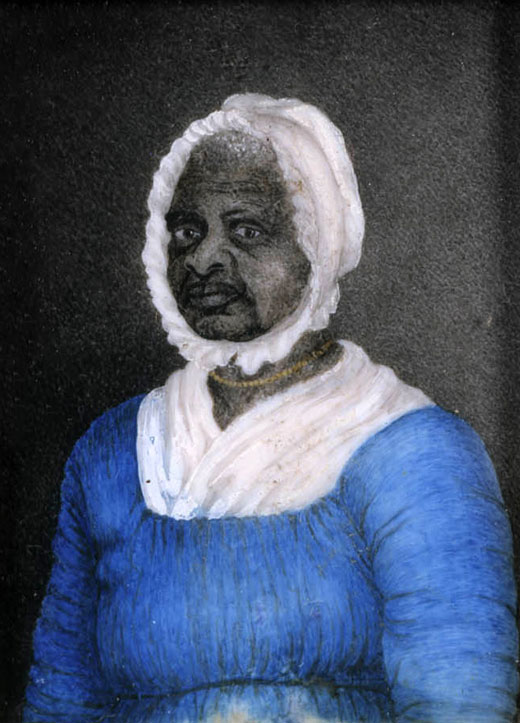
◀ The United States was a new nation. The Declaration of Independence that led to this inspired some enslaved persons. They went to court to get their freedom. The best known was Mum Bett. She was later called Elizabeth Freeman. She was granted freedom by a Massachusetts court order in 1781. Two years later, Massachusetts outlawed slavery. By 1804, most northern states had taken steps to free their enslaved persons.
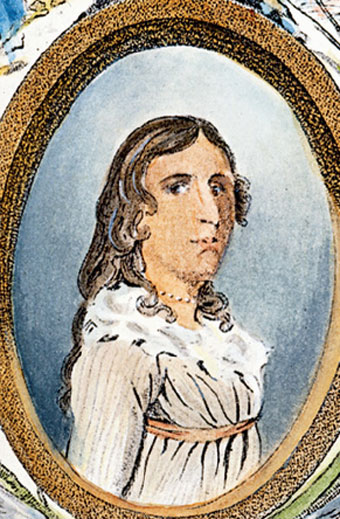
Many soldiers were given a pension (regular payment) for their service. In 1792, Deborah Sampson asked Massachusetts for a pension. It was finally granted in 1804. In the meantime, she and her husband were very poor. To earn money, Sampson gave speeches about her wartime service. At the end of each speech, she put on her old uniform. Then she marched around the stage and fired her musket. She told audiences: “My achievements are a breach [break in custom] in the decorum [behavior] of my sex.... I must frankly confess I recollect them with a kind of satisfaction....” ▶
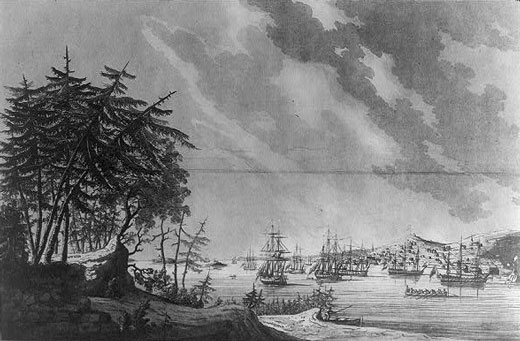
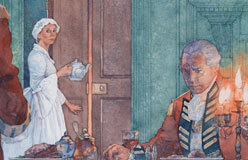
◀ By 1785, some 100,000 Loyalists had left the U.S. Some went to Britain, where they were called quitters. Others took their enslaved persons and moved to the British West Indies in the Caribbean. Most Loyalists went to eastern Canada. Life was not always easy there. One girl recalled living in a tent until her family could build a home. But most were proud of being Loyalists. They started writing U.E.L. (United Empire Loyalist) after their names. Some members of these families still do this.
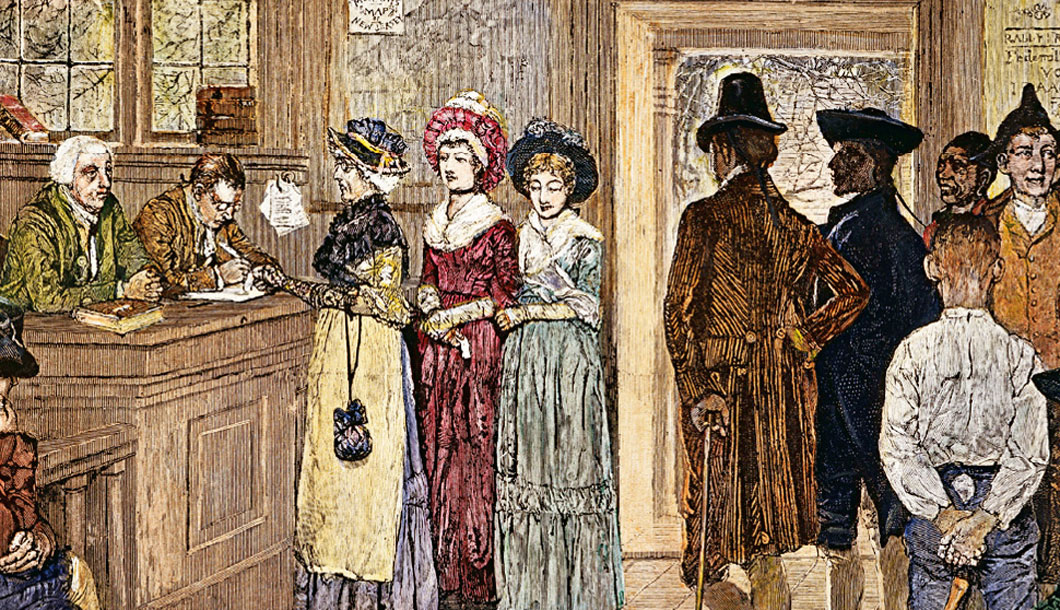
▲ During the Revolution, New Jersey gave women the right to vote. But only if those women owned property. Then New Jersey took away this right in 1807. Married women had no property in their own names. So the state figured they would be represented by their husband’s vote. That meant only single women could vote in New Jersey. It wasn’t until 1920 that all women could vote.
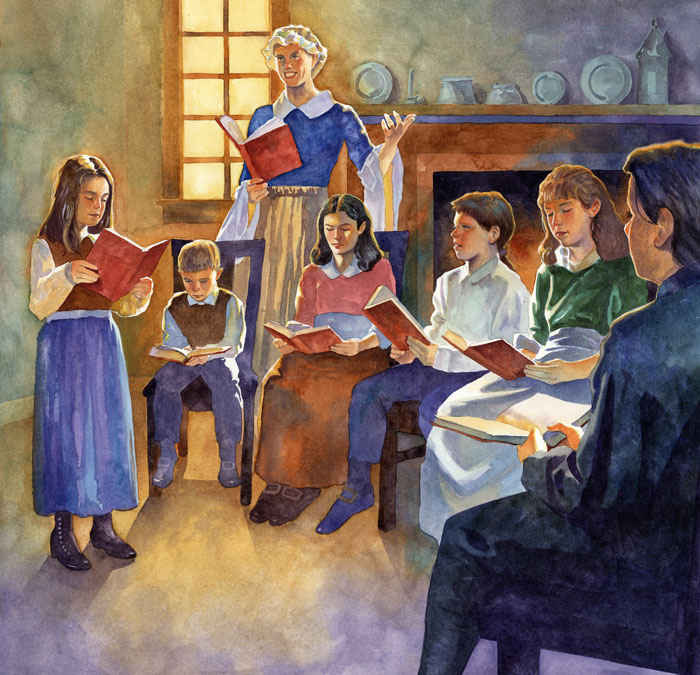
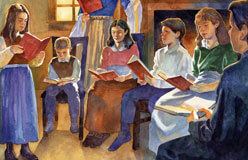
▲ The new nation understood that women had a key role to play in raising good citizens. So women needed an education. After the Revolution, teaching girls became more important. A 1789 Massachusetts law said every town had to give boys and girls a public education. It was mostly ignored. But all the states had private schools. They offered teenage girls from rich families a secondary (high school) education. This new focus on education helped start the women’s rights movement. That movement officially began with a convention in Seneca Falls, New York, in 1848. The fight for equal rights is still going on.