Free
An apple tree couldn’t survive in the desert. A cactus couldn’t survive in the Arctic.
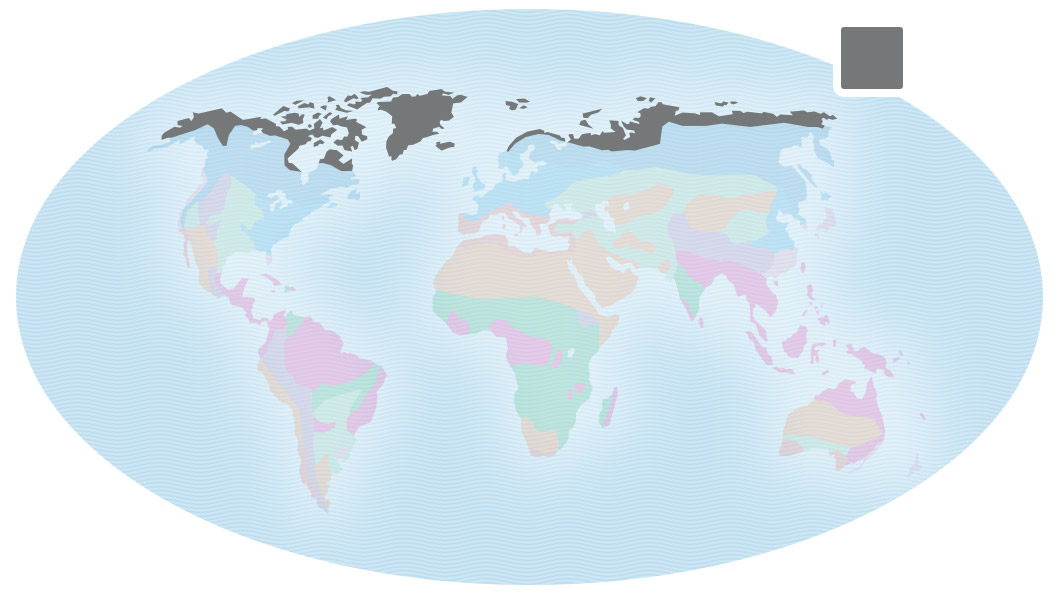
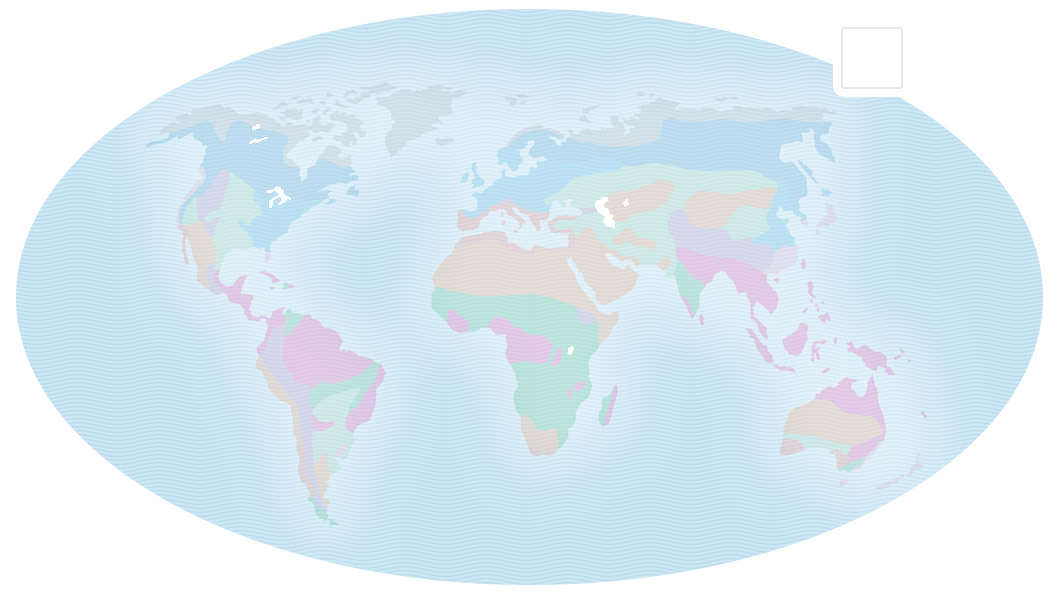
That’s because those environments don’t give those plants what they need. Scientists call a large environment with similar climate and plant types a biome. Here are the ten major land biomes and two water biomes.
The World’s Major Biomes
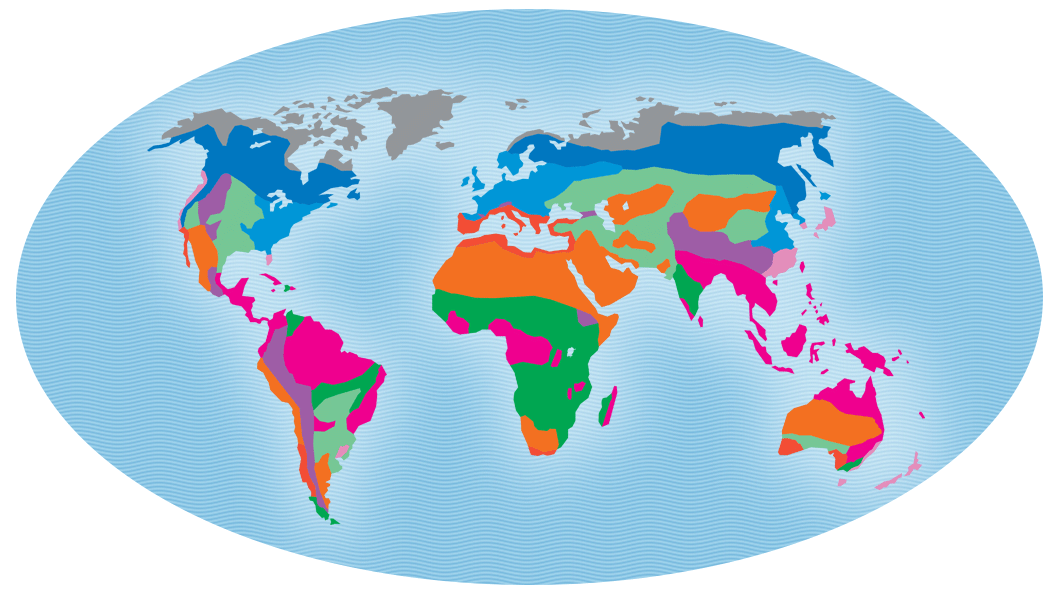
Tundra
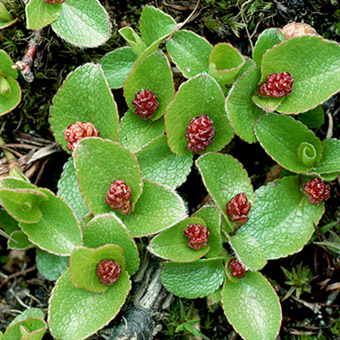
The tundra is the coldest biome. Its name comes from the Finnish word for treeless plain. Permafrost is frozen soil just below the surface. It’s always frozen. It’s so hard and cold, only shrubs and other plants with shallow roots survive here. This dwarf willow grows to about three inches.
Coniferous Forest
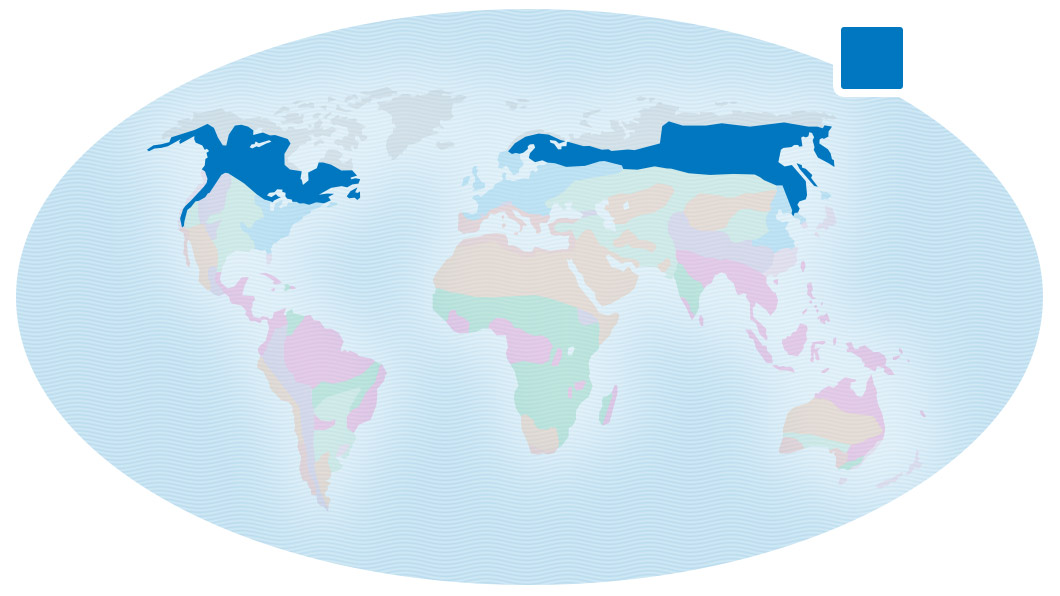
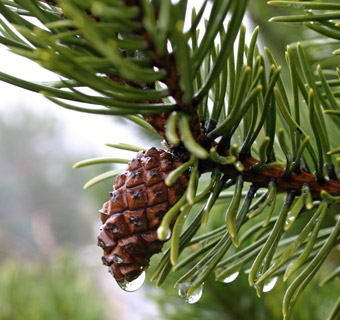
Most plants here are evergreen. That means they don’t lose their needlelike leaves in the winter. This lets them begin photosynthesis early in spring. They can also keep the process going later into the fall than trees that shed their leaves for winter.
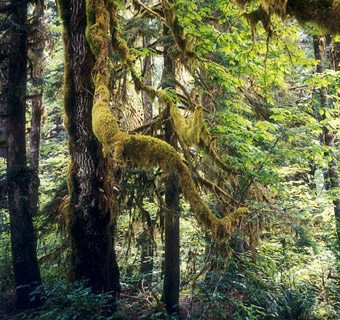
Temperate Rain Forest
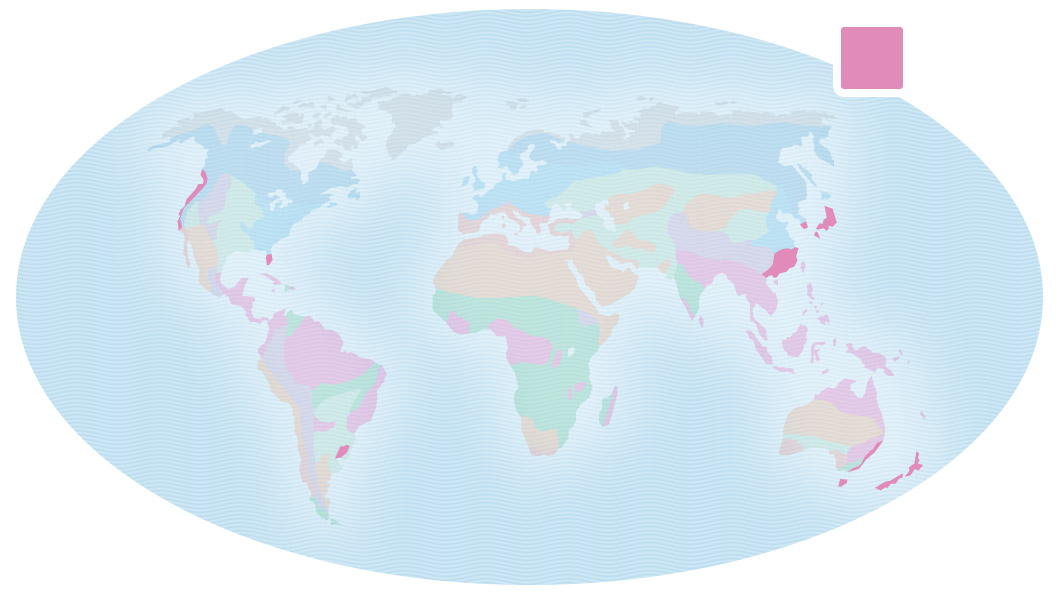
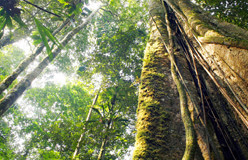
Trees here tower 100 feet or more and are often draped with moss. Ferns and wildflowers grow on the forest floor.
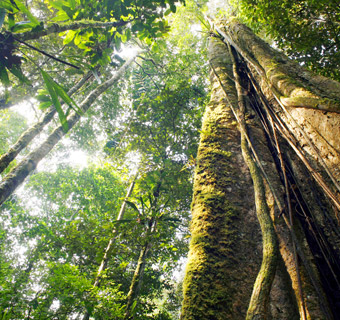
Tropical Rain Forest
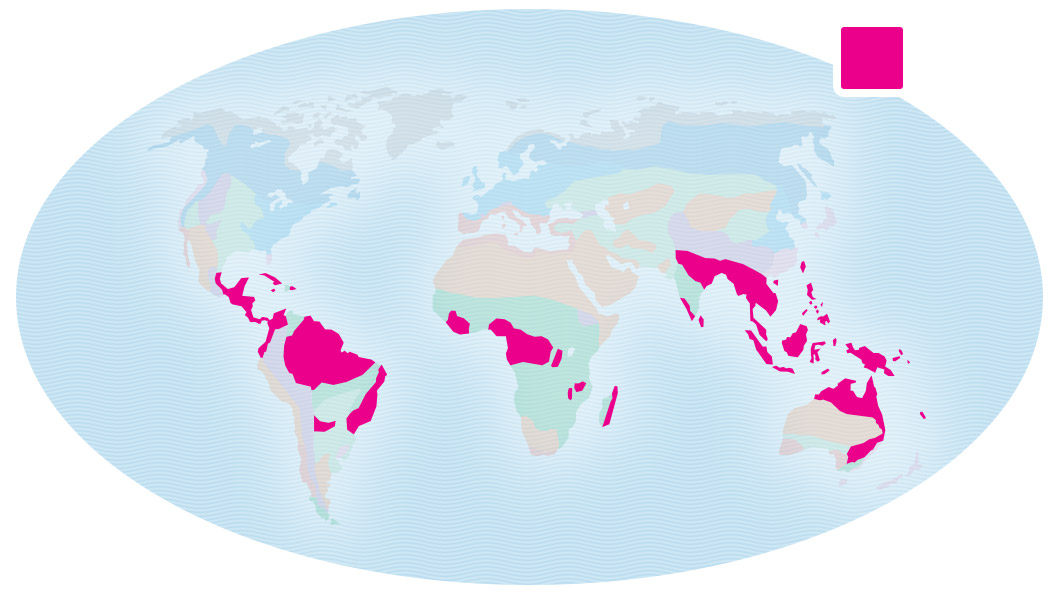
More than 400 inches of rain can fall in a tropical rain forest every year. Trees tower 250 feet or more. Most houseplants come from here.
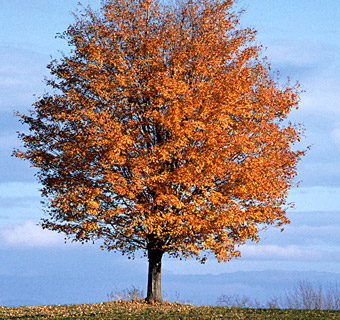
Deciduous Forest
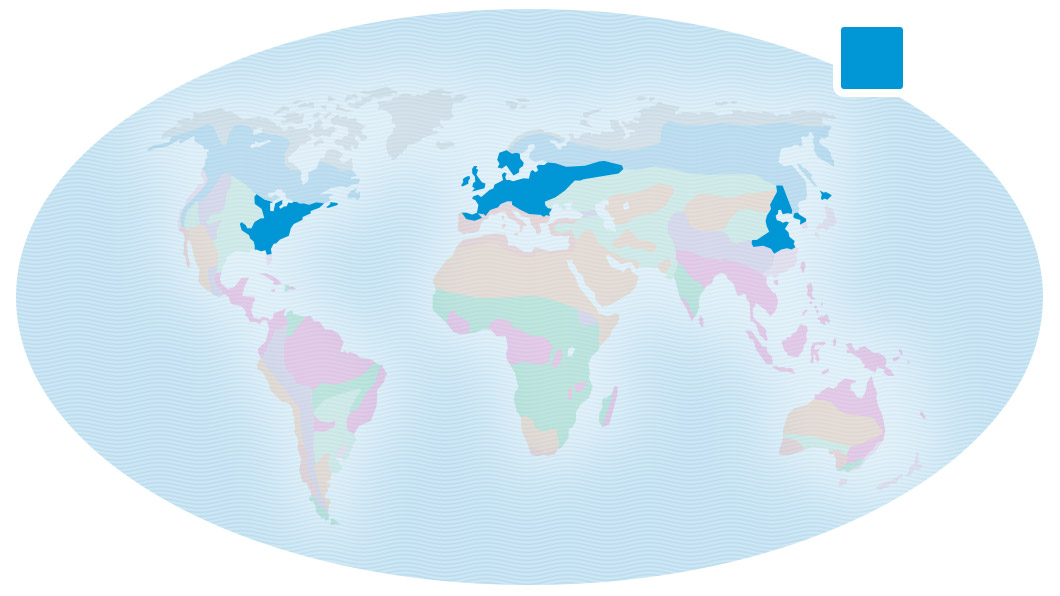
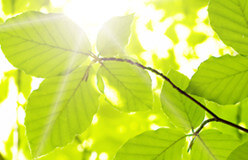
Deciduous (di-SI-jeh-wus) trees lose their leaves each autumn. Most deciduous forests have three levels of plant life. In the first level are mosses, ferns, wildflowers, and other small plants. These all grow low on the forest floor. Shrubs make up the middle level. Trees such as maple, oak, and birch are in the upper level.
Desert
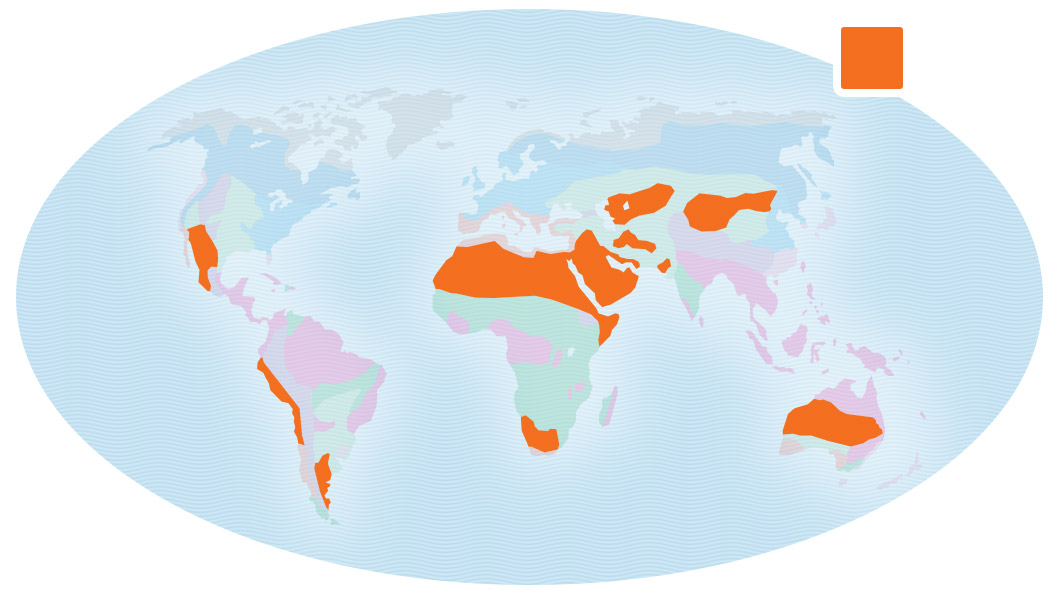
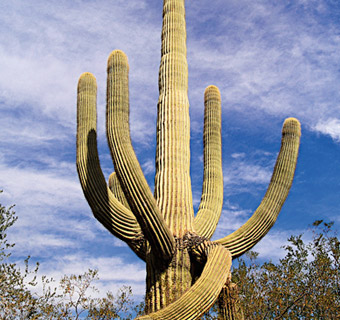
Deserts are the driest places on Earth. Cacti can live here because their stems have a thick coating. It lets them store water longer than most plants do. Other plants, like mesquite trees, survive because their roots go as deep as 80 feet. That lets them find water way underground. Pictured is a giant saguaro cactus.
Temperate Grassland
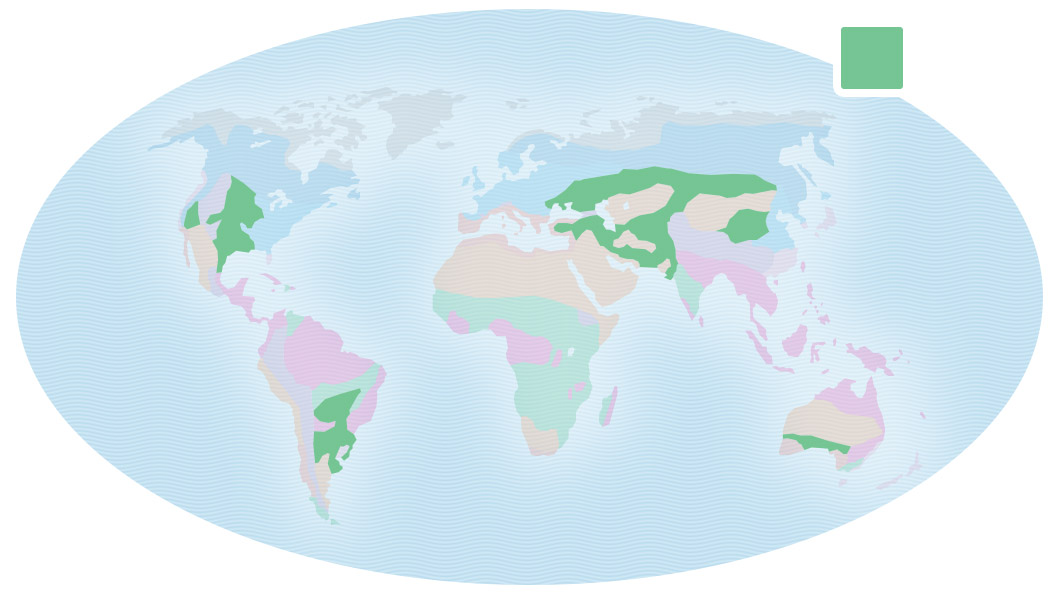
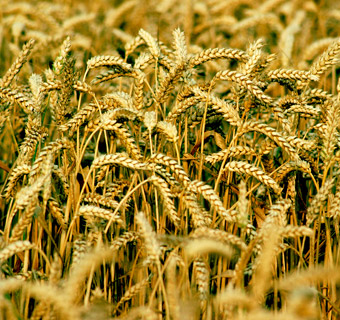
In North America, they’re called prairies. In South America, they’re pampas. In Africa, they’re veldt. In Eastern Europe and Asia, they’re called steppes. By any name, they’re grasslands. Most of the best farmland is here, where corn, wheat, and other crops are grown to feed the world’s people.
Savannah
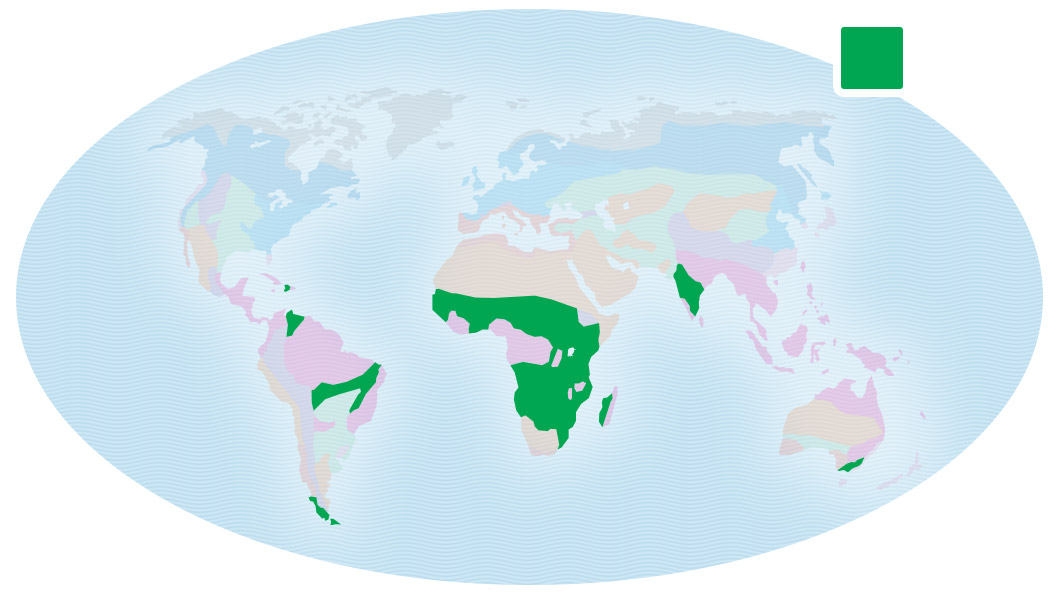
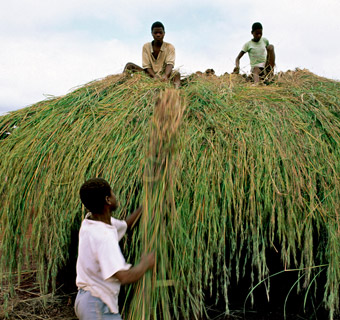
Savannahs are a lot like temperate grasslands. But they have more trees and shrubs, and it rains more. Here, boys in Mozambique cover a roof with elephant grass.
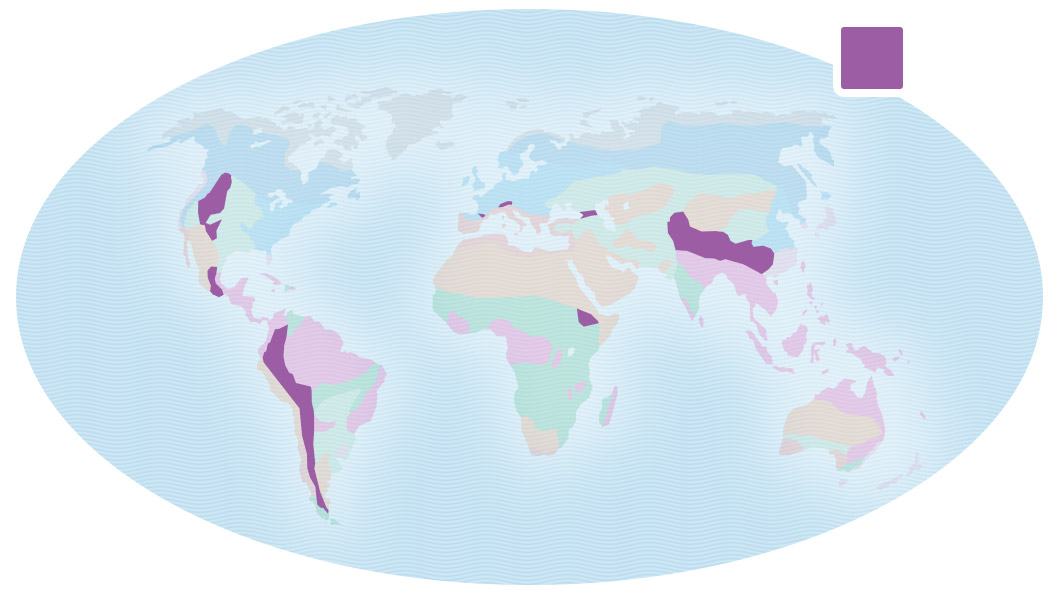
Chaparral
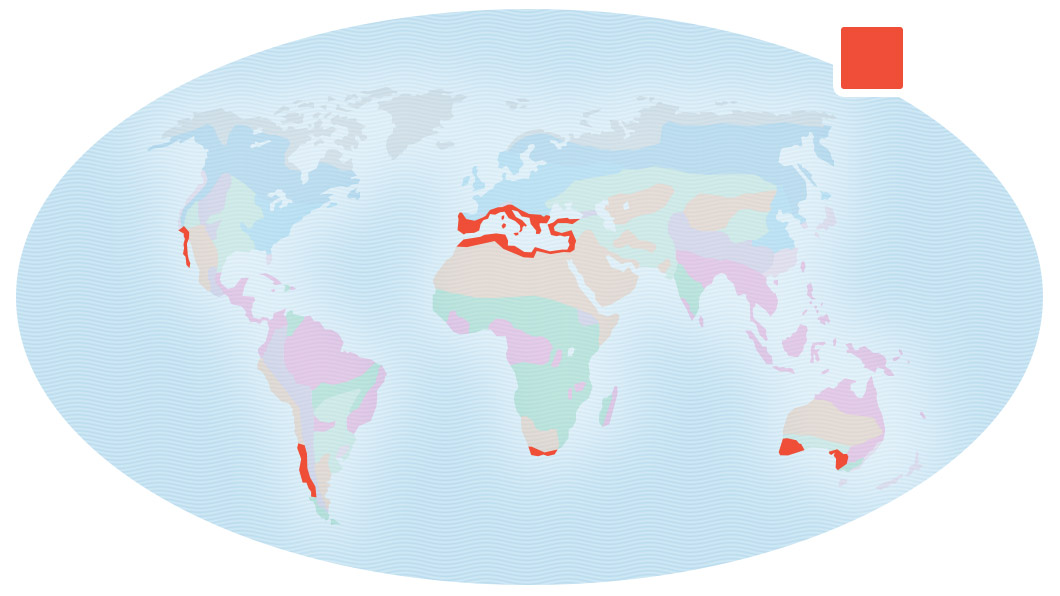
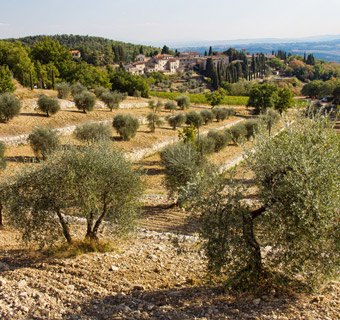
These areas have hot, dry summers and cool, moist winters. Stubby trees, like these olive trees, grow well here.
Mountain
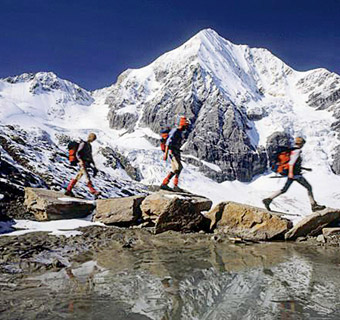
High up a mountain, only evergreens can survive. At the very top, there are only rocks and snow.
Ocean
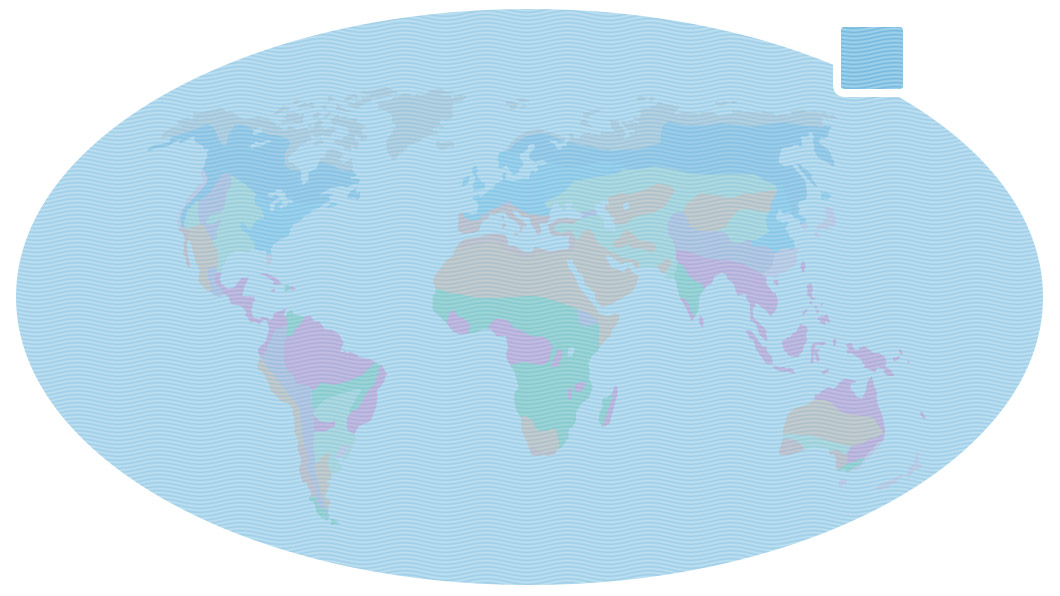
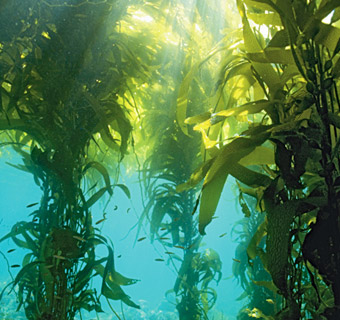
Most ocean water is too deep for plants to survive. That’s because photosynthesis isn’t possible in the dark. Giant kelp can grow as deep as 130 feet, if sunlight can reach it.
Freshwater
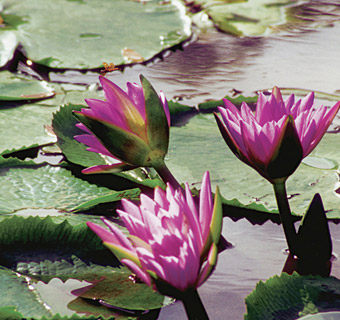
Nonsalty bodies of water include streams, lakes, ponds, and rivers. These support very different kinds of plants. For example, fast rivers and streams host plants with strong roots. Those roots hold them in place. Meanwhile, water lilies have long stems and floating flowers. They like the calm waters of a pond or small lake.