Free
Take out your camera, because It’s time for a Mexico-hopping photo shoot. Many tourists never get past Mexico City, but there is so much more to see.
Just as the country has a variety of natural resources, landscapes, and climates, the cities and regions in different parts of the country have different ways of life.
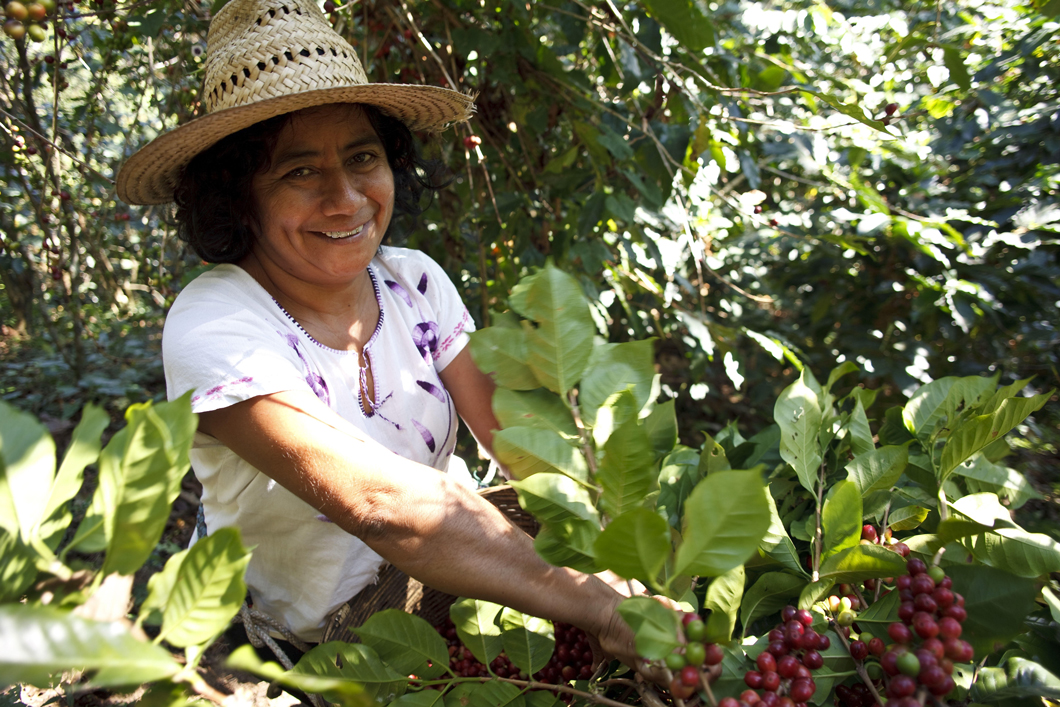
▲ Chiapas is one of the poorest and most mountainous states in Mexico. Many residents of Chiapas, such as this woman, are Indians who survive by planting crops without using tools or machines. They grow only enough food to feed their families. Many of the people who live here are descendants of the Maya Indians and speak Mayan languages. Tourists come to Chiapas to see the Maya ruins.
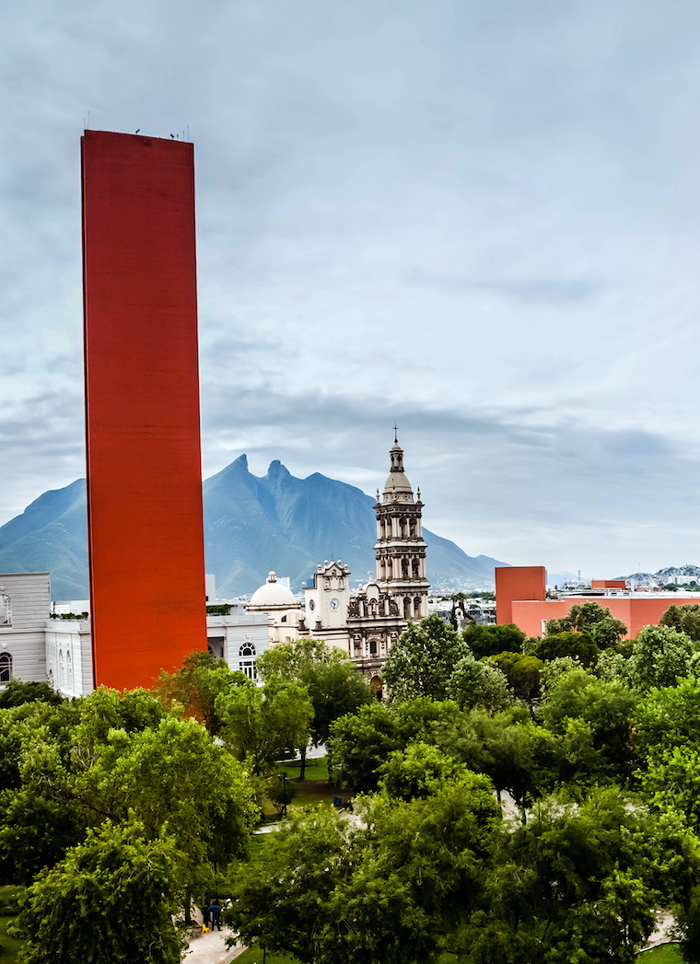
It’s no wonder that Monterrey is called the City of the Mountains. The peaks of the Sierra Madre Oriental range pass through one of its suburbs. Monterrey is a busy industrial city, the third-largest in Mexico. Factories make glass, beer, cement, and other building materials. It is also a center for banking. With modern office buildings, wide highways, golf courses, shopping malls, and beach resorts, Monterrey is one of Mexico’s wealthiest cities. At right is the 230-foot-tall Faro del Comercio (Lighthouse of Commerce) monument and Monterrey Cathedral. ▶
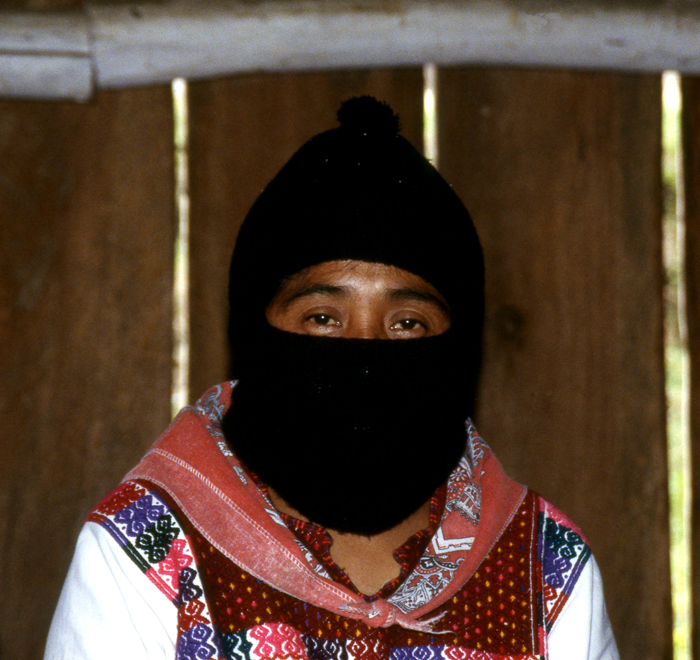
▲ Since 1994, Chiapas rebels called Zapatistas have fought an armed revolt against the Mexican government. Much of the land promised to the farmers of Chiapas after the 1910 revolution was never given to them. The Zapatistas have called attention to the need for land, economic help, and autonomy (self-government) for communities. They have also called for better education and the right to preserve their traditional customs. The Zapatistas want to remind people all over the world that with modernization have come great inequalities. They take their name from a hero of the Mexican Revolution, Emiliano Zapata (1879–1919).
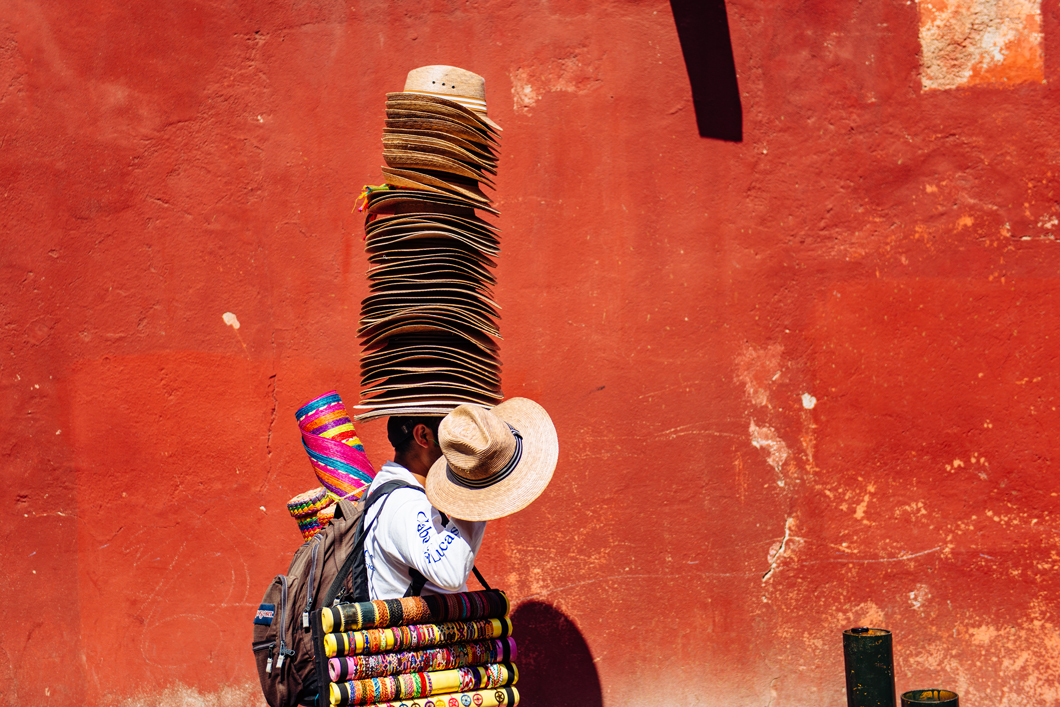
▲ This street vendor is selling handmade straw hats in Guanajuato city, the capital of Guanajuato state. The city is situated in a long, narrow valley, surrounded by the Sierra de Guanajuato mountains of central Mexico. Guanajuato means “mountainous place of frogs”!
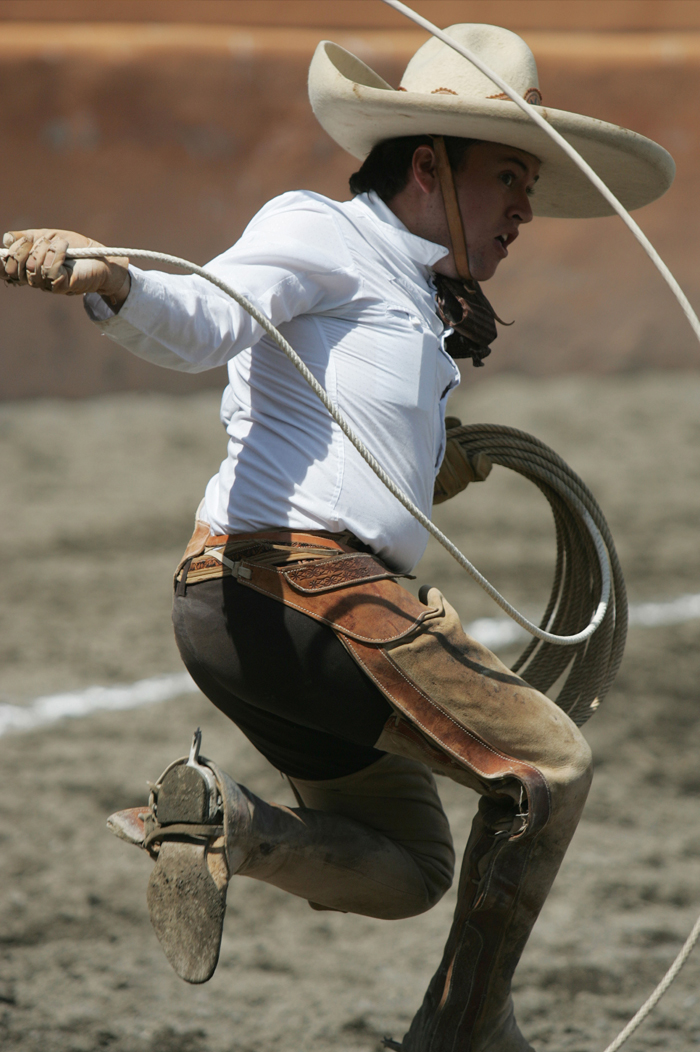
◀ In the 1800s, Mexican cowboys, called vaqueros, taught pioneers across the border in the United States the skills they’d need for ranching. North America’s first cowboys were Mexicans. Today, in central and northern Mexico, traditional cowboys are called charros. They are known for their competitions that are similar to rodeos. This charro is practicing for a charreada, as these rodeos are called. These events give charros a chance to show off their horseback riding, bull riding, and steer roping. In ranching areas, some towns hold charreadas every month in arenas called charro rings.
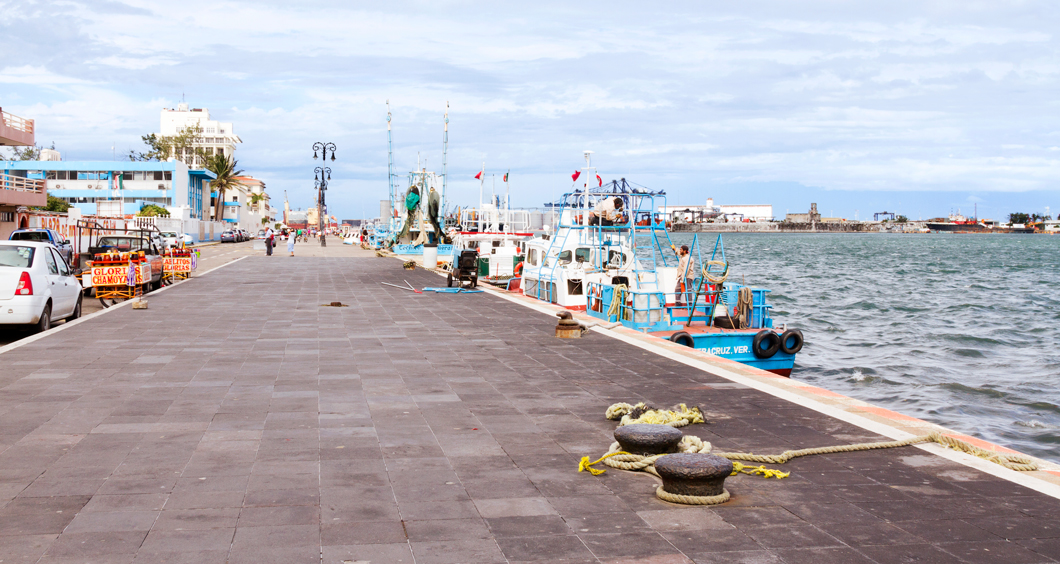
▲ If you’re looking for some delicious fresh seafood, try Veracruz. It’s Mexico’s main port on the Gulf Coast. Fishing fleets scour the sea for shrimp, clams, oysters, crabs, and many kinds of fish.