Free
Do you want to go to the mountains, the desert, or the rain forest? Or do you want to see sandy beaches and palm trees by the ocean? It doesn’t matter – you’ll find it somewhere in Mexico.
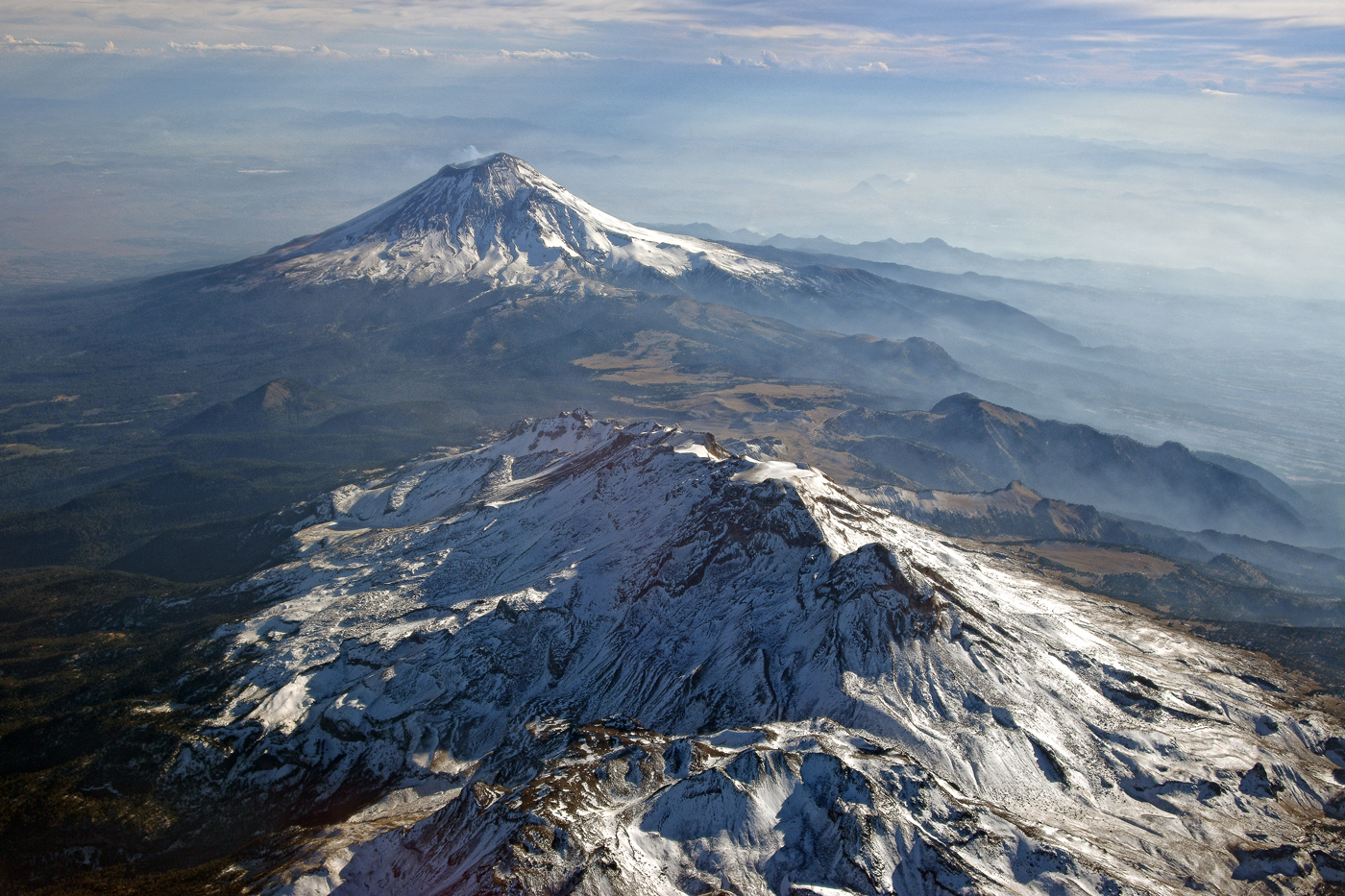
Mexico is a land of contrasts. It has highlands and lowlands. It also has a plateau (a high, flat area) in the middle. Under the ground, there’s even more going on. Mexico’s Pacific Coast is part of the so-called Ring of Fire, which circles the Pacific Ocean. It has more earthquakes and volcanic eruptions than anywhere else in the world. Sometimes, earthquakes shake the ground and volcanoes spit fiery lava. But don’t let that scare you away. It may be decades or centuries before one of Mexico’s mountains pops its top again.
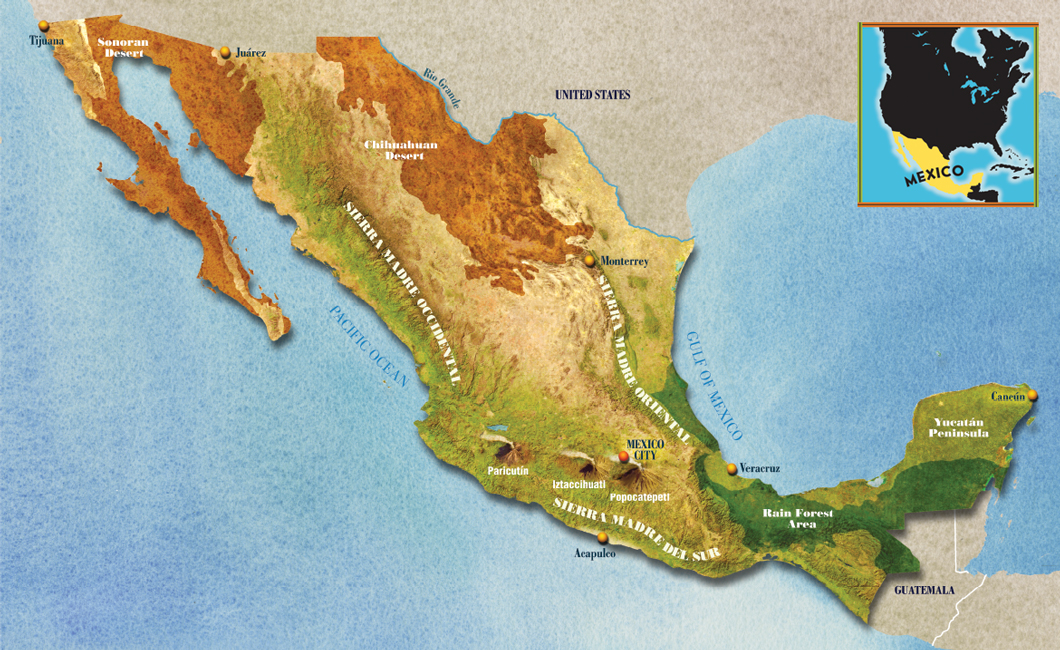
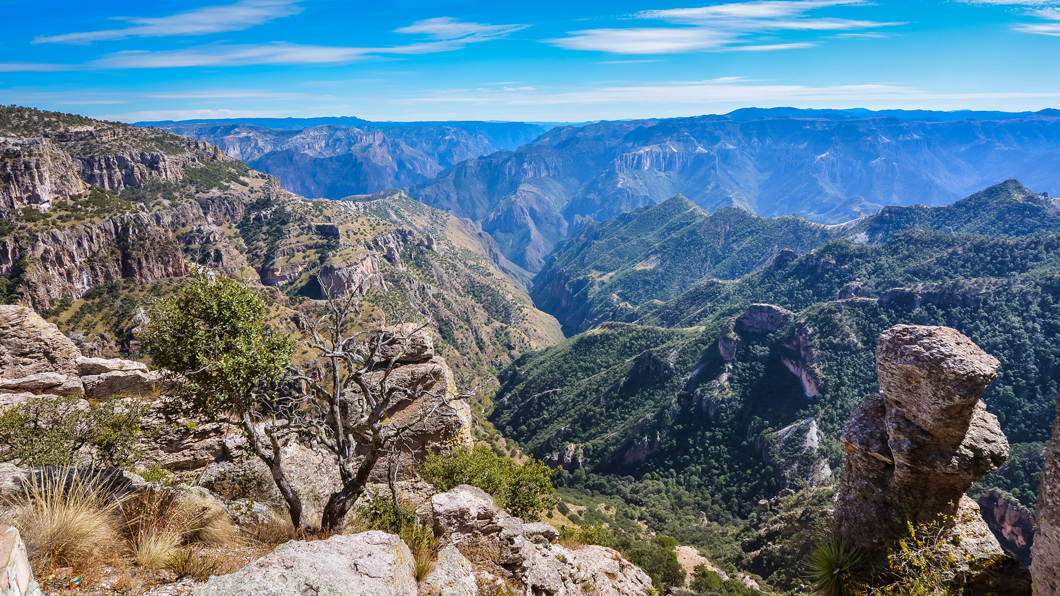
▲ There are three major mountain ranges in Mexico. They make up the Sierra Madre, or “mother range.” The Sierra Madre Oriental runs along the east coast. The Sierra Madre Occidental (above) runs down the west coast. The third range is the Sierra Madre del Sur. It is on Mexico’s southern coast.
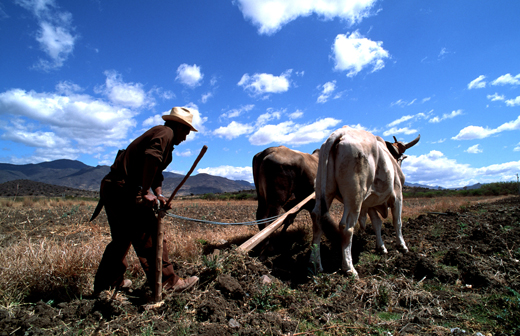
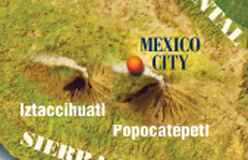
◀ In between these mountain ranges is a plateau. This is a high, flat area. It has the richest soil, the mildest climate, the most people, and the biggest city. It also has the most volcanoes.
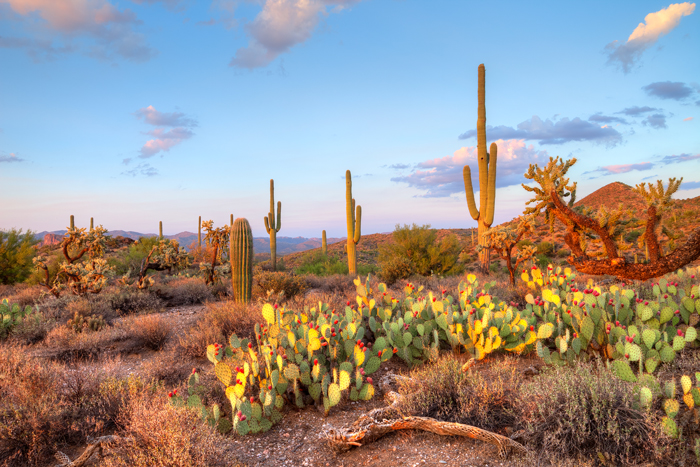
▲ Mexico’s deserts are in the northern part of the country. The Sonoran Desert (above) is home to many cacti, shrubs, and animals. The Mexican gray wolf (el lobo) and the great horned owl are found here. The Chihuahuan (chee-WAH-wahn) Desert covers some 200,000 square miles. It is the biggest desert in North America.
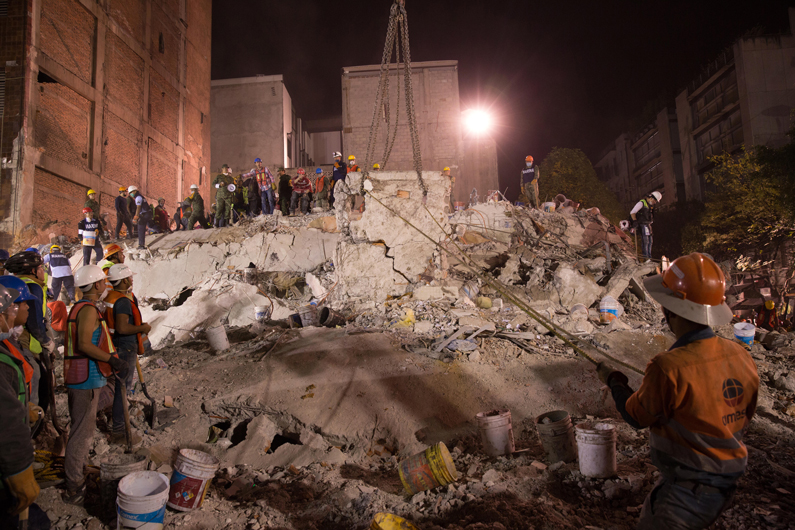
The Earth’s crust is made of huge slabs of rock. They are called tectonic plates. Four of them meet under the mountains near Mexico City. When these plates rub against each other, they can cause an earthquake. That’s why Mexico City schools have regular earthquake drills. In 1985, a large earthquake wrecked part of the city. It killed 9,500 people. ▶
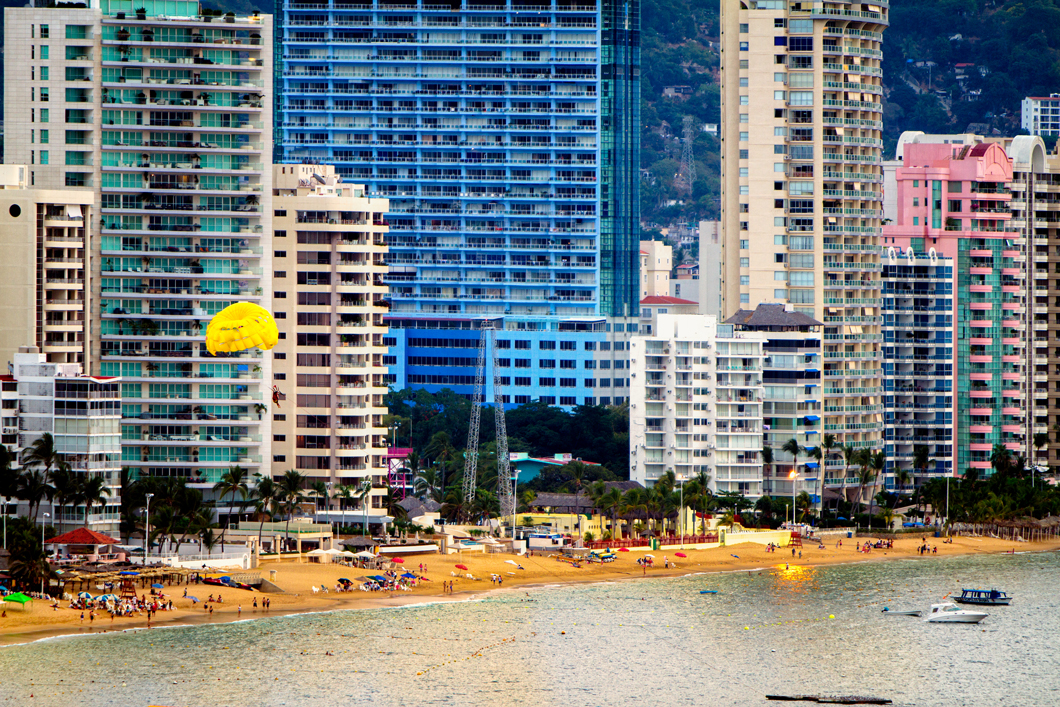
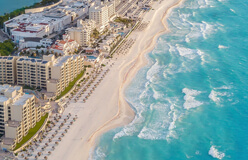
▲ The coasts of Mexico have many sandy beaches. These are often places where tourists go to relax. Acapulco (above) is one of the most famous.
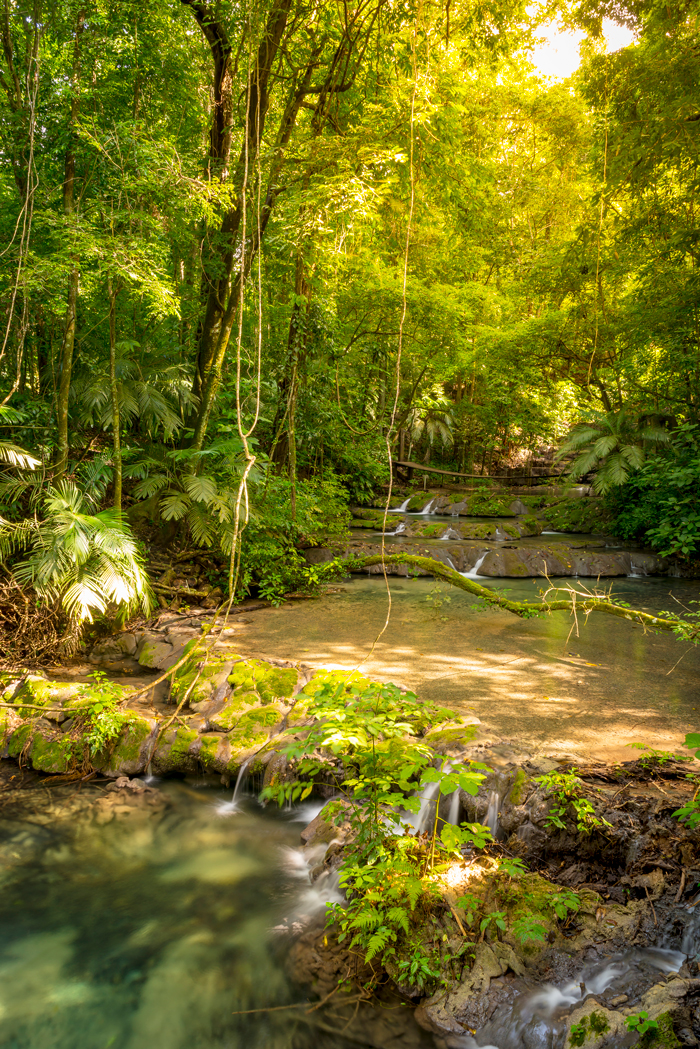
◀ Both southern and central Mexico have rain forests. At one time, they covered nearly one-tenth of Mexico. But about 70 years ago, people began clearing these forests. Then the land was used for farms, lumber, ranching, and oil drilling. Mexico’s largest remaining rain forest is in Chiapas, the most southern state. More than 4,000 species of plants can be found here. It is also home to many different birds and insects. These include 800 species of butterflies. There are also bigger animals, like jaguars, ocelots, and howler monkeys.