Free
There are many kinds of connections between Mexico and the United States. Two of the most important things that link the two countries are trade (buying and selling goods) and tourism.
Millions of Mexicans live in the U.S. They crossed the border looking for jobs that would allow them to send money to their families back in Mexico. These workers are not only important to the economies of states like California and Texas. They are also important to the economies of places much farther from the border, like New York and the state of Washington.
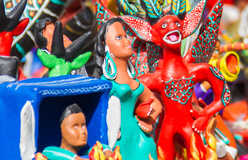
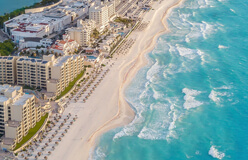
Mexico and the U.S. are important trading partners. Around 80 percent of Mexico’s exports are sold to the U.S. Many tourists visit Mexico to explore ancient ruins or to shop for folk art and colorful handmade crafts. Others visit Mexico to simply relax on its beautiful beaches.
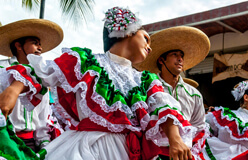
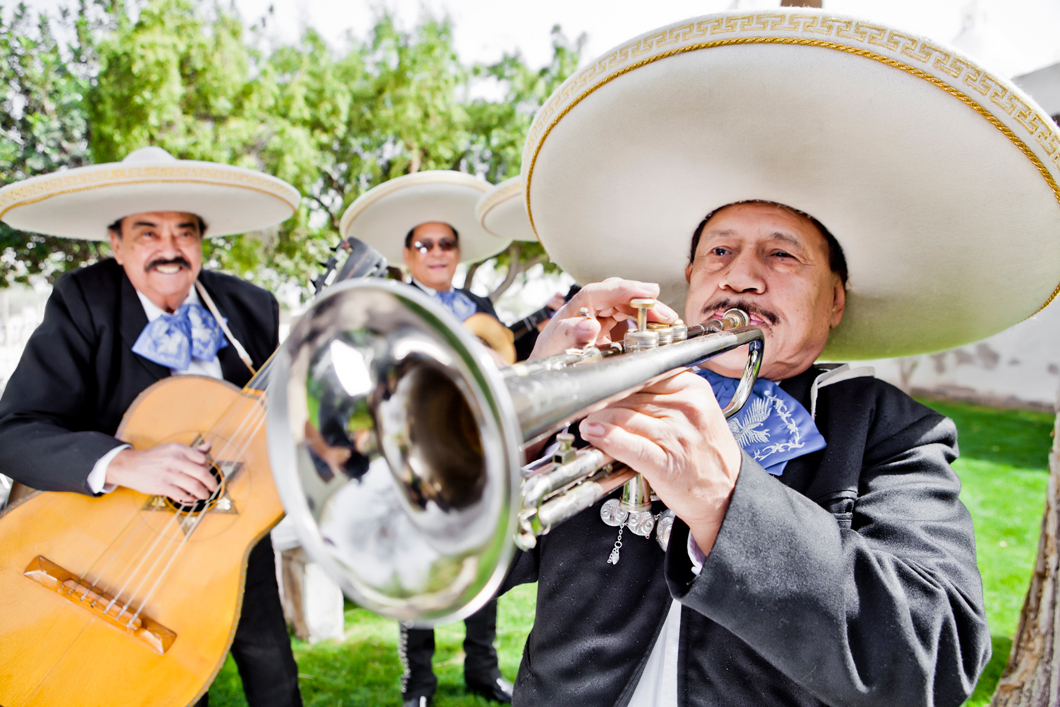
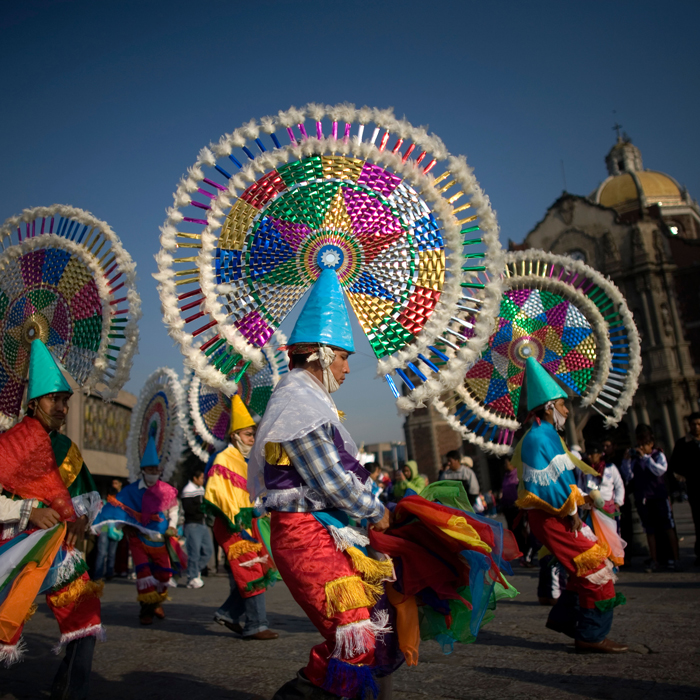
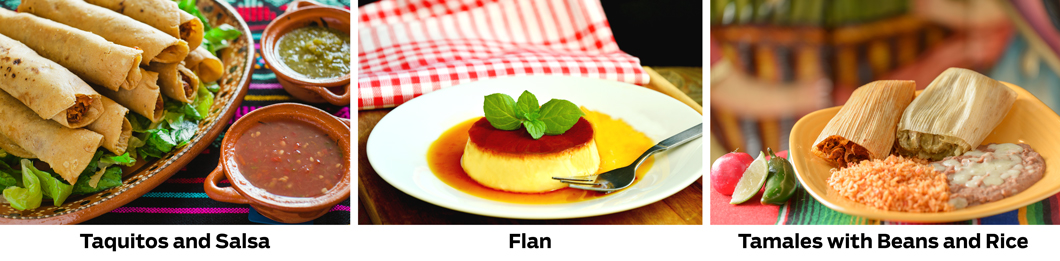
One of Mexico’s biggest exports to the United States is its culture. Mexican music, dance, food, and language have mixed with American traditions to create unique blends. This is especially true in the southwestern United States. ▼
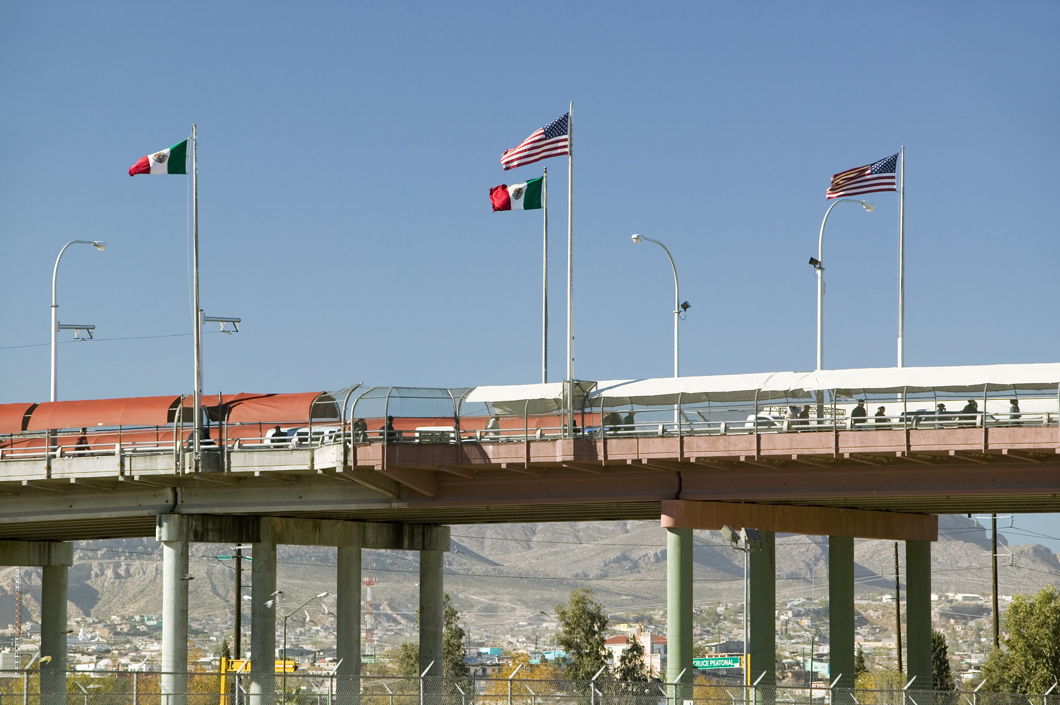
▲ Many cities on the Mexico–U.S. border have special ties. El Paso, Texas, and Juárez, in Mexico, are called sister cities. That’s because their state and local governments collaborate on such issues as trade, immigration, crime, and pollution cleanup. The walkway and the highway connecting the cities are always crowded.
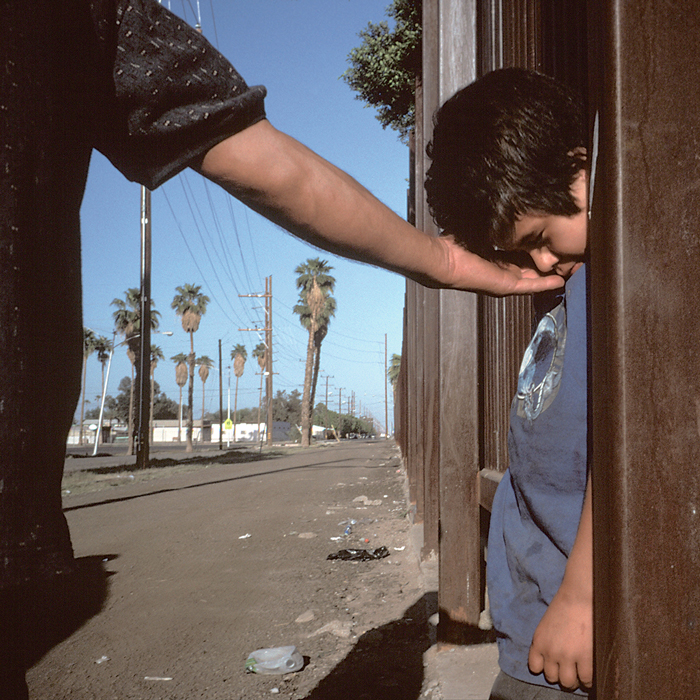
◀ Fences built along the border between the U.S. and Mexico can keep families apart. Here, at the border in Calexico, California, a family meets and reaches out to one another. While the boy and his father live on the U.S. side, the boy’s grandfather and aunts live on the Mexican side. Partings are often difficult for everyone in the family.
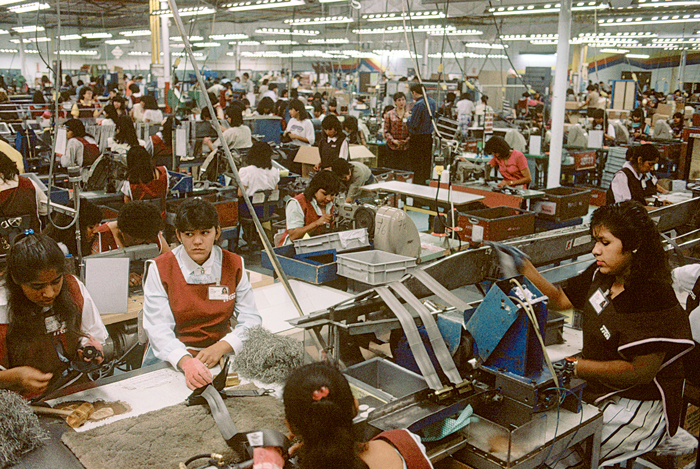
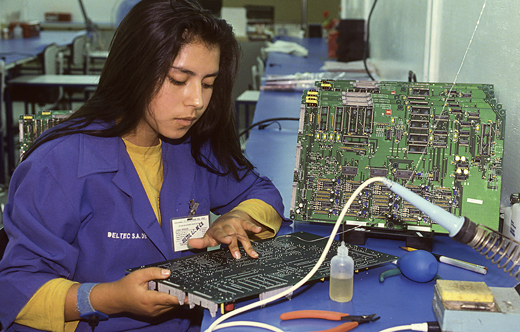
▲ Tijuana and many other Mexican border cities have factories called maquiladoras. At these plants, workers put together products from parts supplied by U.S. companies. After assembly, the finished product is shipped back to the United States. Many U.S. companies set up plants here because Mexican workers are paid less, so the cost of making goods is lower than at home.
Mexico is linked with Canada and the U.S. through the North American Free Trade Agreement (NAFTA). It allows these countries to sell many goods to one another without tariffs (taxes on goods). After NAFTA was signed, the number of maquiladoras along the U.S.–Mexico border grew. However, certain industries such as agriculture suffered, because Mexican farmers could not compete with the low prices of imported produce. ▶
Mexican-American War
In the 1800s, the United States and Mexico went to war over Texas. From the time of Spanish rule, Mexico had claimed most of the land that is today the southwestern United States. Many Mexicans lived there, but by the 1830s, Texas also had many settlers from the United States.
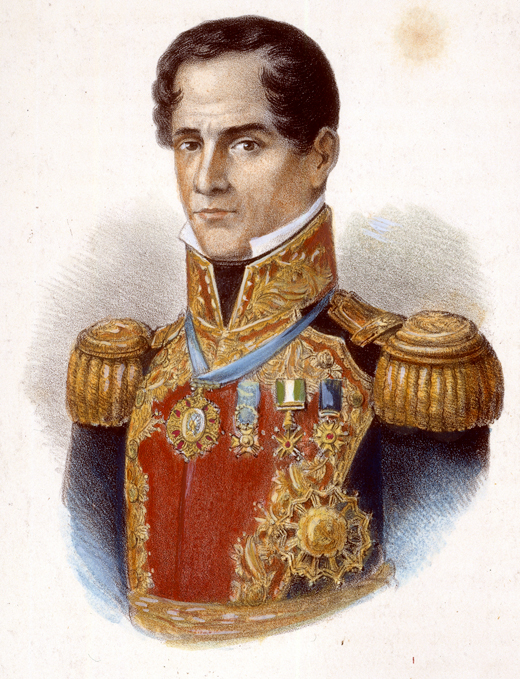
◀ In 1836, a large group of American settlers living in Texas became unhappy with Mexican rule. They decided to break away from Mexico. They declared Texas an independent country. Mexico’s President General Antonio López de Santa Anna rushed his soldiers to San Antonio to crush the rebellion.
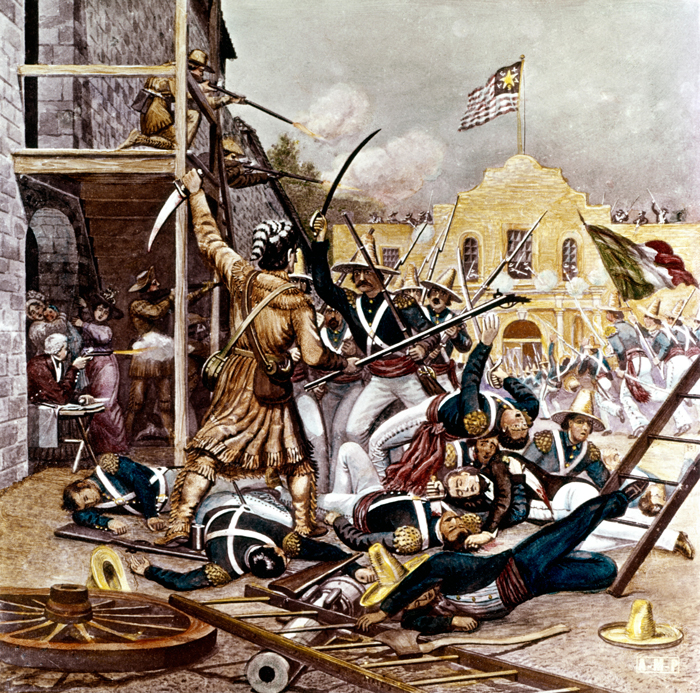
▲ “Texan” forces, who wanted independence for Texas, made their last stand at a fort in San Antonio called the Alamo. Almost all of them died. This crushing defeat, in 1836, stirred U.S. patriotism. “Remember the Alamo” became a rallying cry. Later that year, U.S. forces defeated Mexican soldiers at San Jacinto, California, and captured General Santa Anna. The general signed a treaty accepting Texas independence, but the Mexican government refused to recognize it.
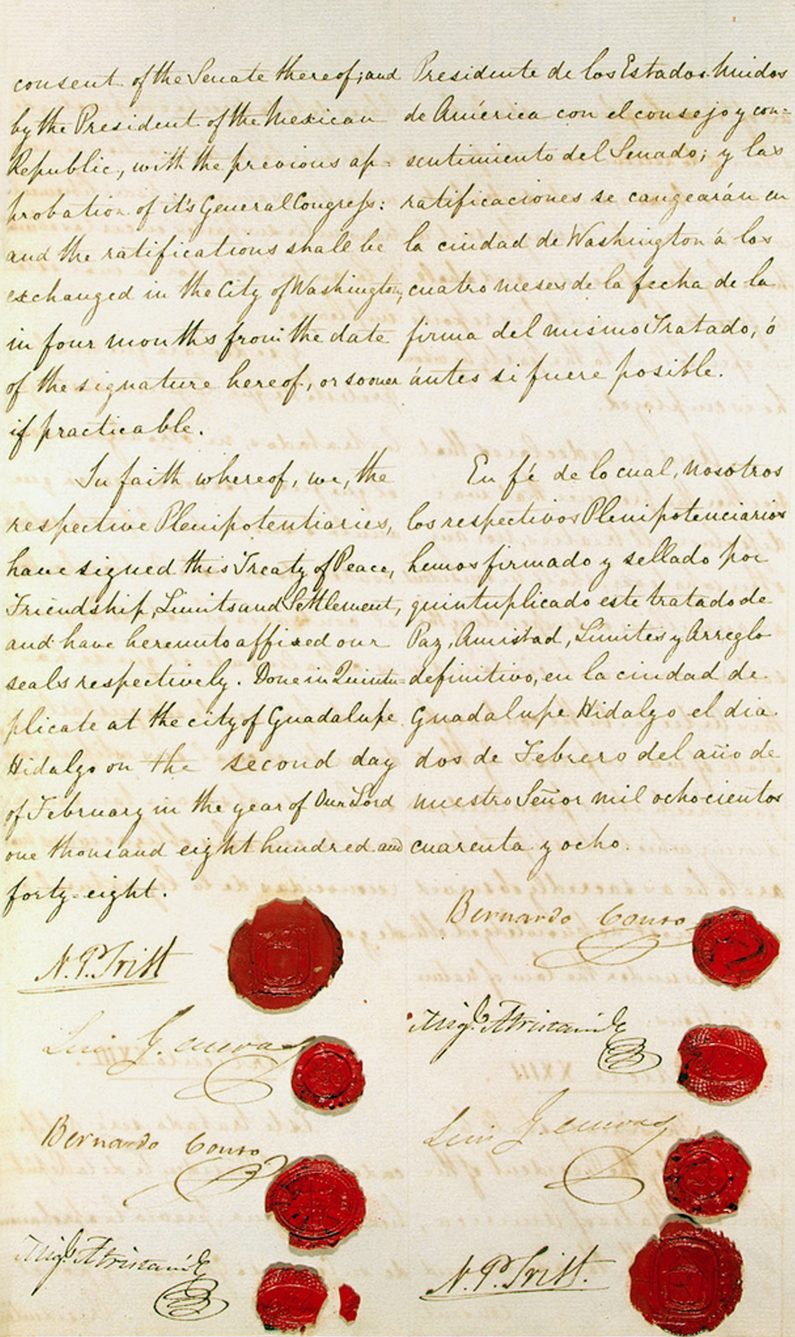
In 1845, the U.S. government made Texas a part of the United States. Mexicans were outraged, because they knew that Texas would become a state where slavery would be legal. In Mexico, slavery had been banned since independence. In 1846, a war was triggered when U.S. troops entered Mexico. They took control of Mexico City and raised the U.S. flag in the Zócalo. The war, which lasted two years, ended when both countries signed the Treaty of Guadalupe Hidalgo, giving the U.S. control of the land that is now California, Nevada, and Utah, and parts of Arizona, Colorado, New Mexico, and Wyoming. ▶