Free
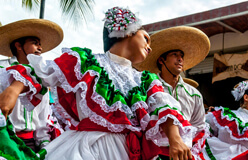
Pick a day, any day. There’s probably a fiesta or festival somewhere in Mexico. Most Mexicans are Roman Catholics. Many holidays are tied to their religion.
More people now practice other Christian faiths. But Catholic traditions are still important. Every village and town has a yearly fiesta that honors its local patron saint. Other holidays mark events in Mexico’s fight for independence.
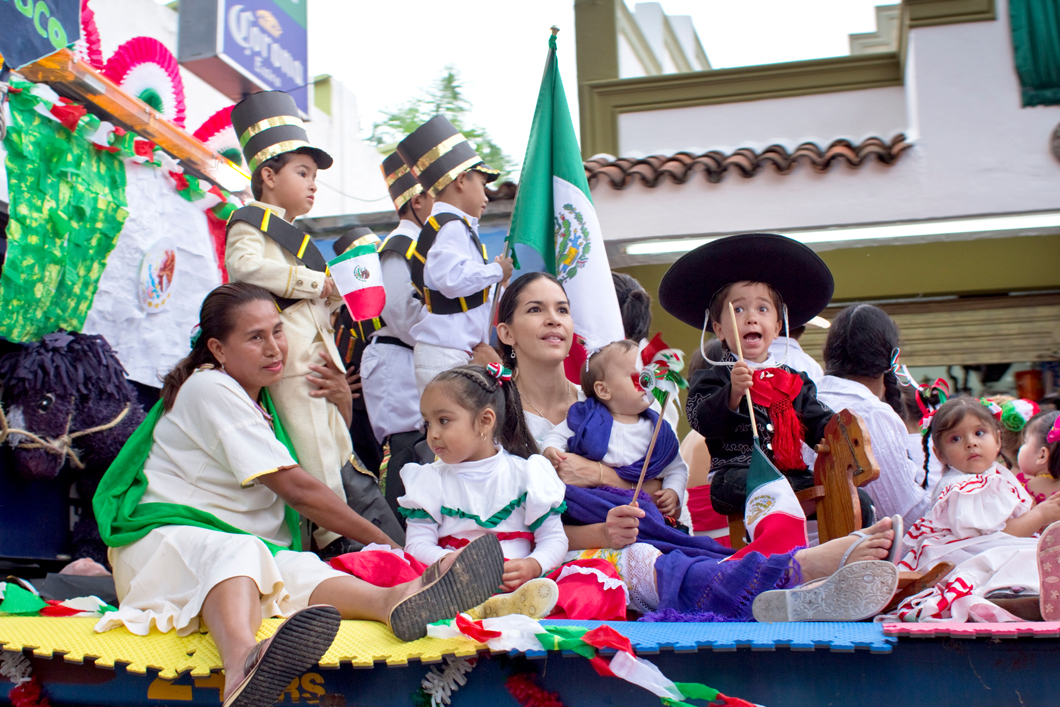
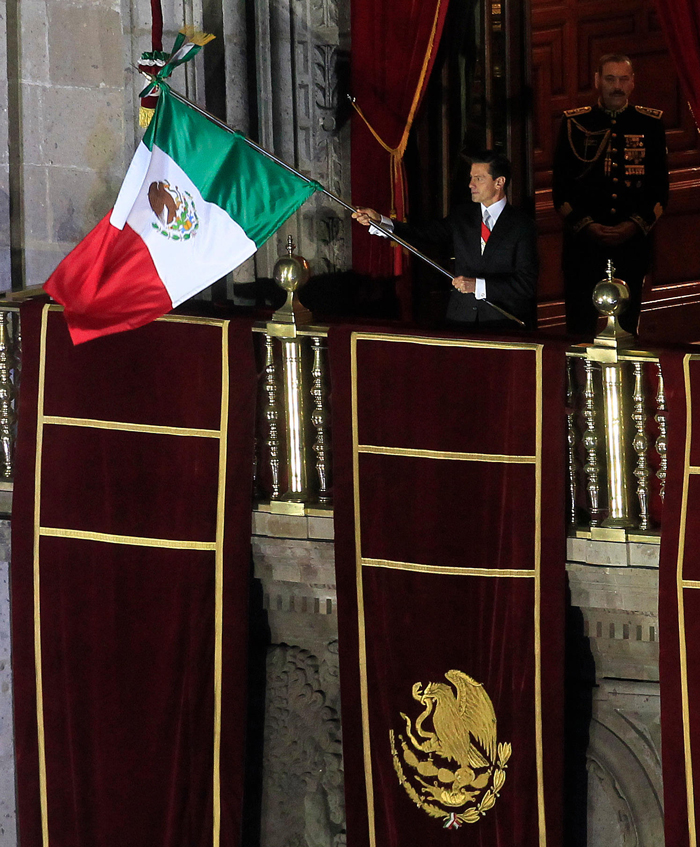
▲ Mexican Independence Day is September 16. That’s when Father Hidalgo started the fight to free Mexico from Spanish rule. Hidalgo rang the church bells to gather people together. Then he gave a speech. It ended with a famous call to revolution known as the Cry of Dolores.
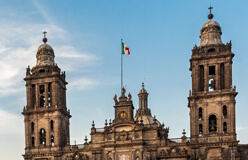
No one knows what Father Hidalgo really said. But at 11 p.m. on the night before Independence Day, Mexico’s president gives a speech from the National Palace in Mexico City. He says, Viva Mexico, Viva la independencia (“Long live Mexico, long live independence”). He then rings the same bell Hidalgo rang. A huge crowd says the words after him. All across Mexico, town mayors do the same. Like Americans on the Fourth of July, Mexicans light fireworks. But in Mexico the fireworks are red, white, and green. Those are the colors of the Mexican flag. ▶
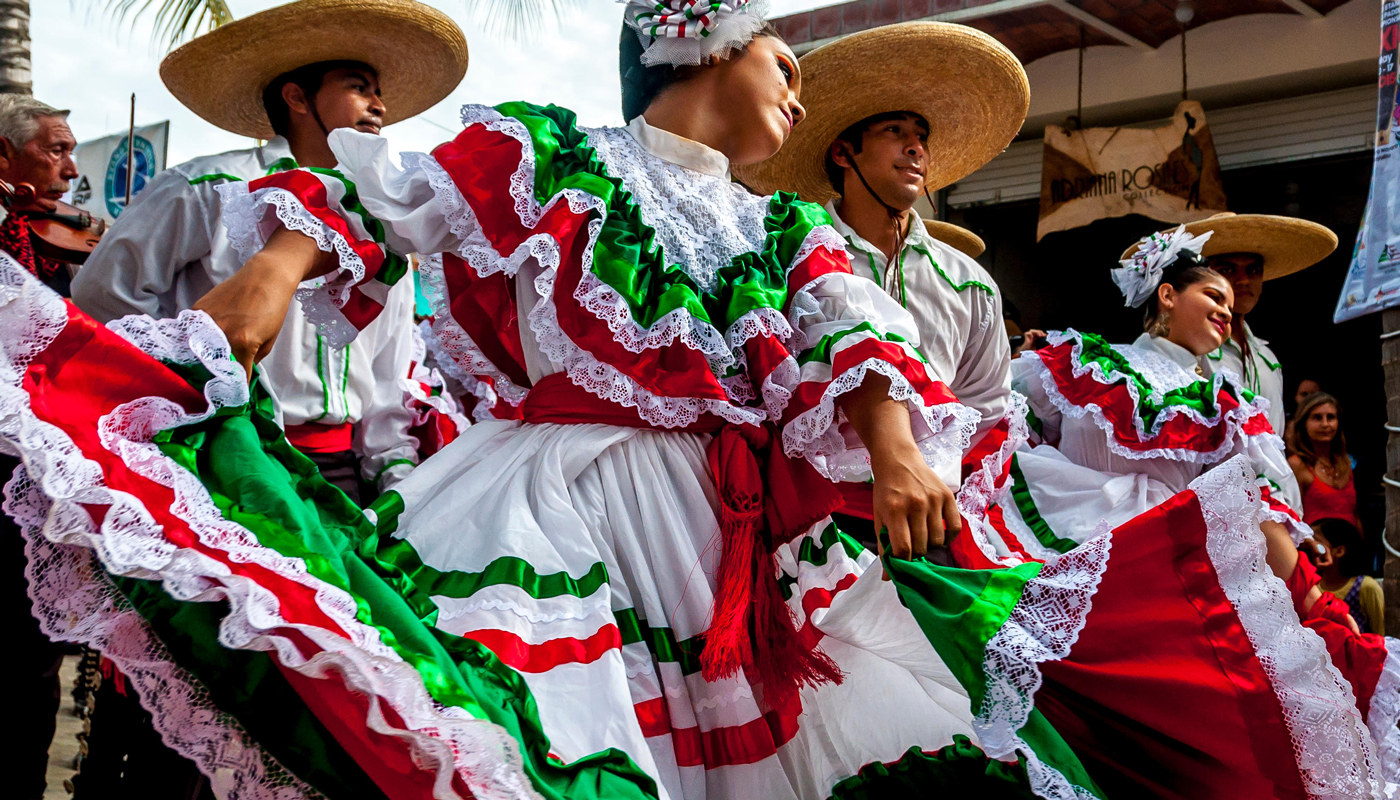
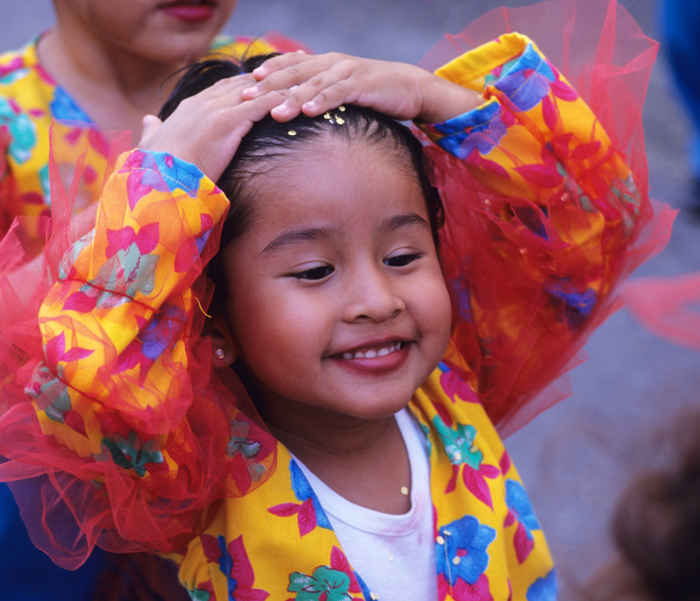
▲ The 40 days before Easter are known as Lent. In earlier times, many Catholics spent this time fasting. Today, before Lent starts, some Mexicans celebrate with a festival called Carnival. It is very popular in the state of Veracruz. People dress up and shoot off fireworks. They also hold parades with colorful floats. Children have pretend battles with flowers or empty eggshells.
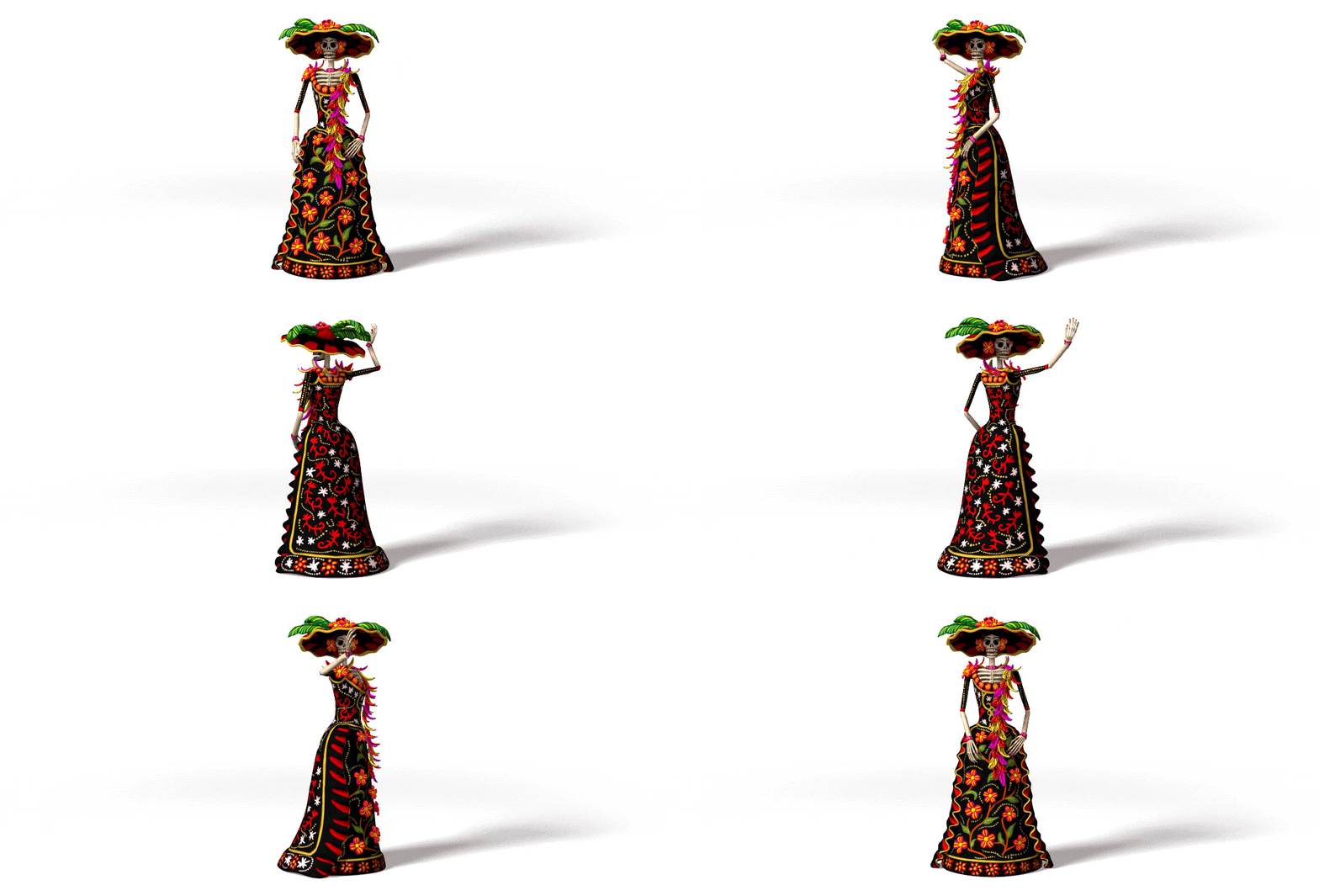
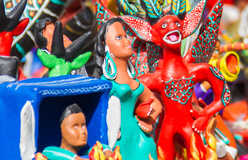
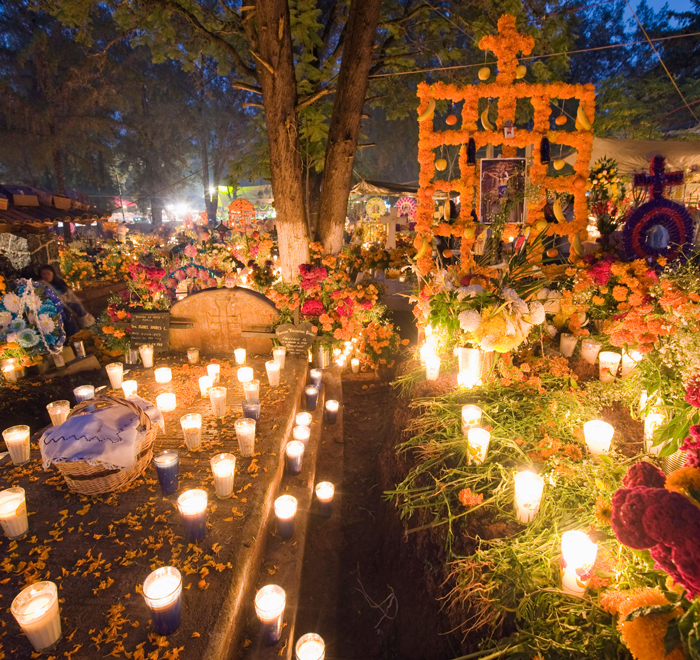
▲ Mexico also has a holiday called the Day of the Dead. It’s not sad or spooky – it’s fun, like Halloween. Children and adults wear masks. They also dress up as ghosts, skeletons, or witches. People buy toy skeletons or sugar skull candies. In some places in Mexico, kids also take part in Halloween.
The Day of the Dead takes place around All Saints Day, on November 1 and 2. On those days, some Mexicans honor dead relatives by visiting their graves. Families clean the tombstones. They put fresh flowers on them. They may place some of the dead person’s favorite foods near the grave. Or they place them on altars at home. This custom dates back to the ancient Indians. They believed that on this day the spirits of the dead come back to the world. Families light sweet-smelling candles and incense to bring back the spirits. Some people spend all night at the graveyard. They have picnics and talk about their loved ones. ▶
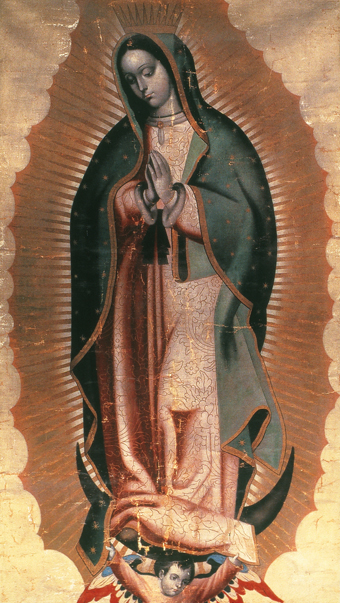
▲ The Feast of Our Lady of Guadalupe is another major Mexican holiday. It takes place on December 12. In Mexico City, thousands of people gather to celebrate this holiday. Some walk a long way to visit the church that’s dedicated to her. They pray for help with illnesses and family problems. They may also give thanks for answered prayers.
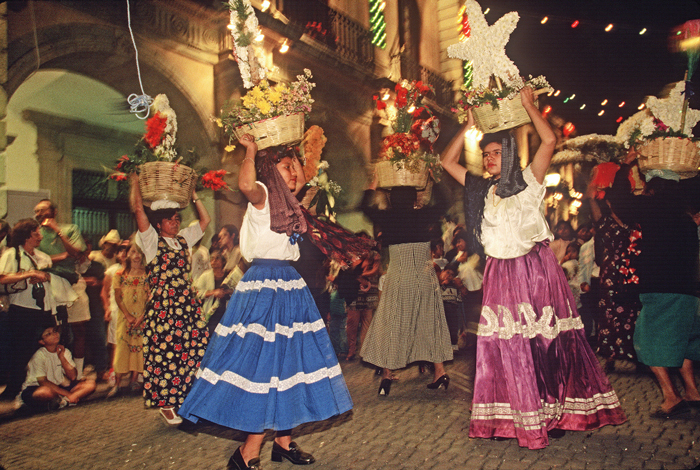
▲ At Christmas time, Mexicans wish each other Feliz Navidad. That’s Spanish for “Merry Christmas.” Mexican children get presents on January 6. That’s the day the three wise men brought gifts for Jesus. The night before, children put their shoes outside the door. They also put out a bowl of water for the wise men’s camels. When they wake up the next morning, the water is gone. But their shoes are full of gifts!