Free
The first solutions for crossing a river were stepping stones and timber logs. The first homes were caves.
But many places on Earth are far from rivers or lakes. Caves only form in certain areas. That’s where civil engineering comes in. Civil engineers design and build housing, bridges, and roads. They also create dams, airports, tunnels, and more. We call their projects infrastructure.
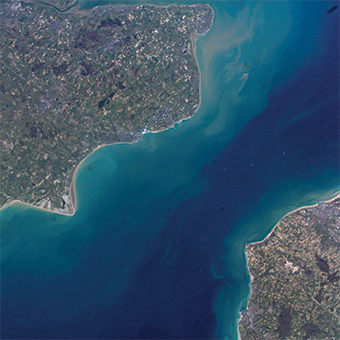
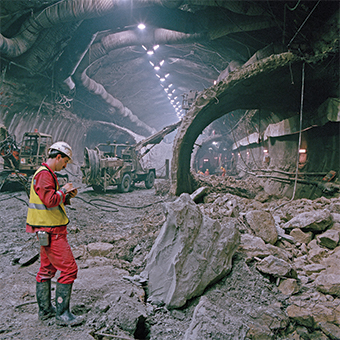
Channel Tunnel Construction
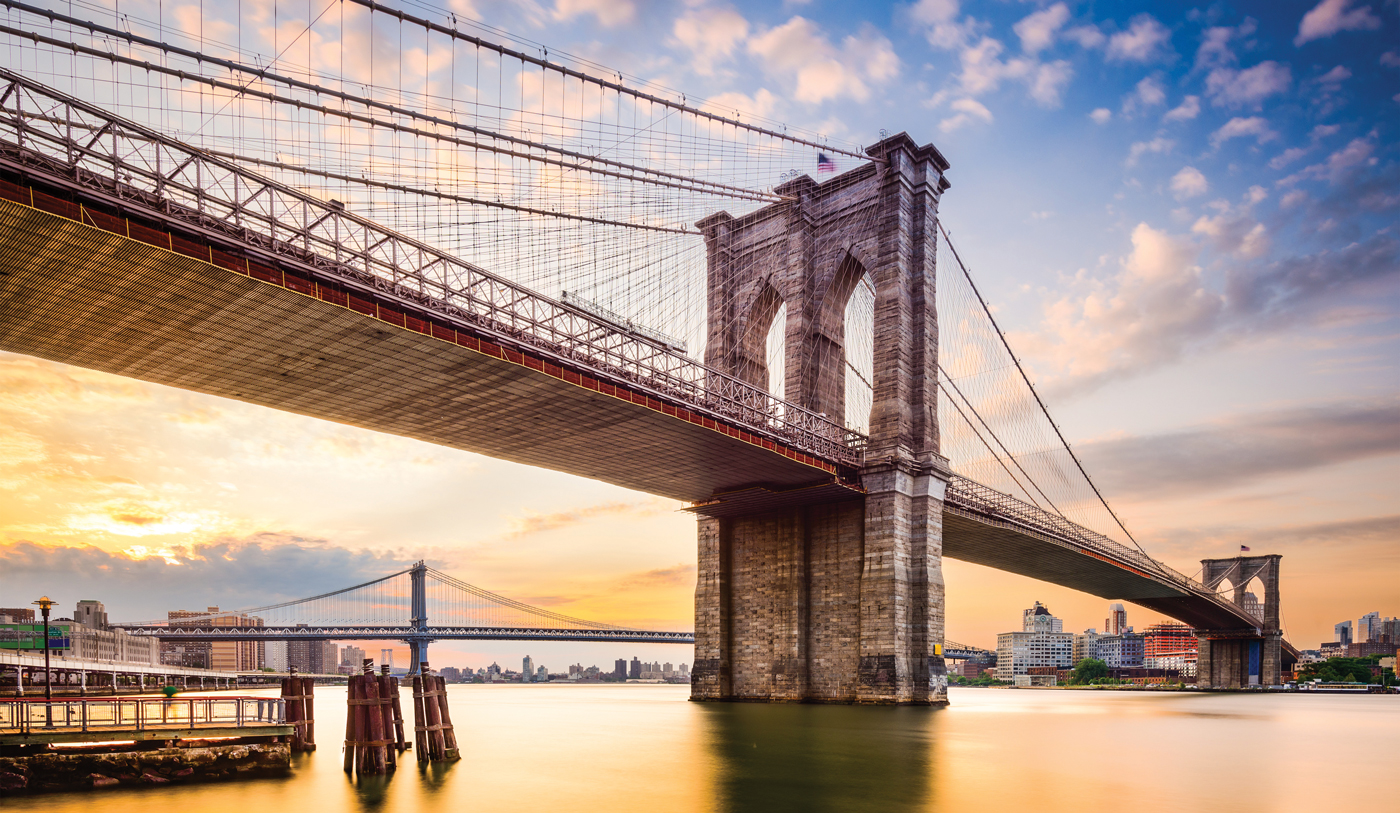
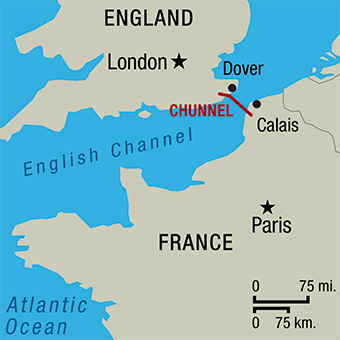
▲ The big patch of water you see is the English Channel. It separates England and France. The channel is 21 miles across at the shortest point. What you don’t see is the tunnel that runs under it and joins the two countries. It is called the Channel Tunnel. People call it the Chunnel for short. This is the longest undersea passageway in the world. Like the Brooklyn Bridge, it solved a problem of connecting people separated by water.
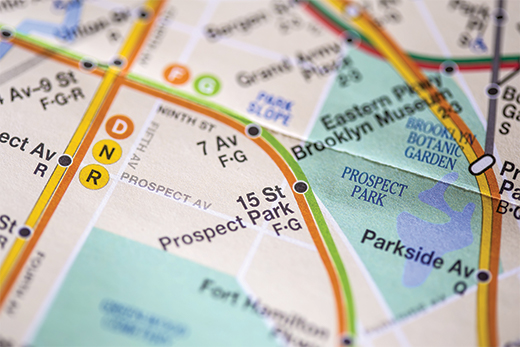
How do more than 600,000 people in Washington, D.C., get to work, school, and shopping every day? What about the 5 million people who do the same in New York City? The answer is not cars or bikes. In these and other cities, civil engineering provided a different answer. That answer is subways, or underground railroads. Washington, D.C., has 118 miles of subway tracks. New York City has around 665 miles. That’s about as far as the distance from there to Indianapolis, Indiana. ▶
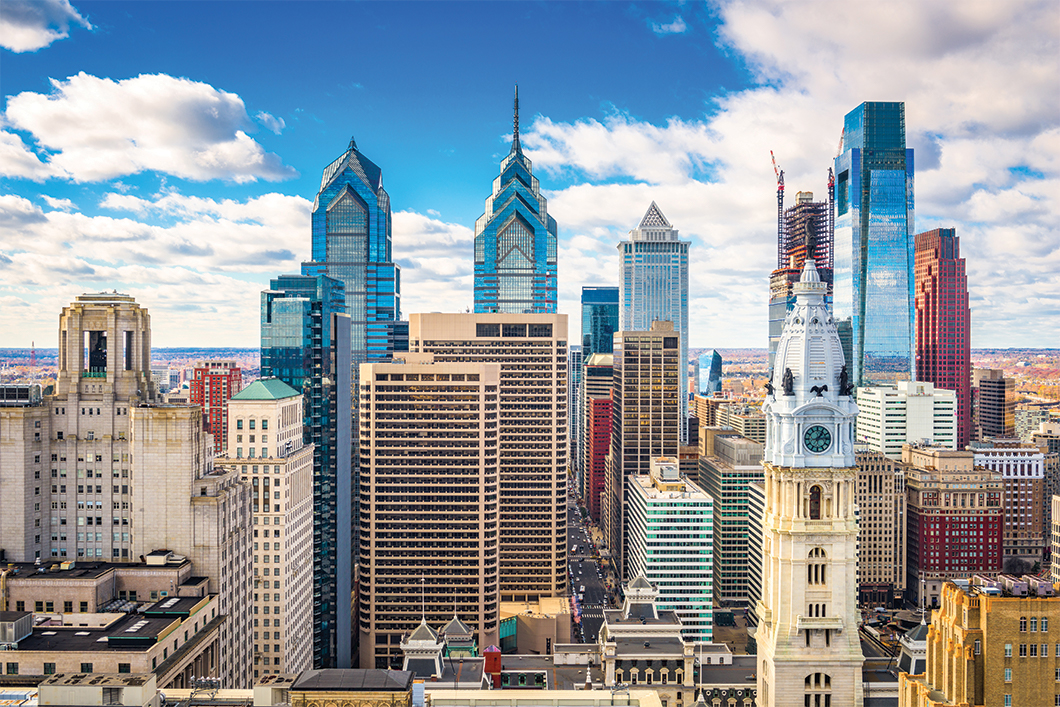
▲ Think about your home. Have you ever wondered why the doors and windows are where they are? Why they are the sizes they are? How well the place stays warm in winter and cool in summer? Or how the building uses natural light? Maybe you haven’t thought about those things. But civil engineers ask these kinds of questions when they design any new building. As the climate changes, the answers will be even more important, since they affect how well a building uses energy.
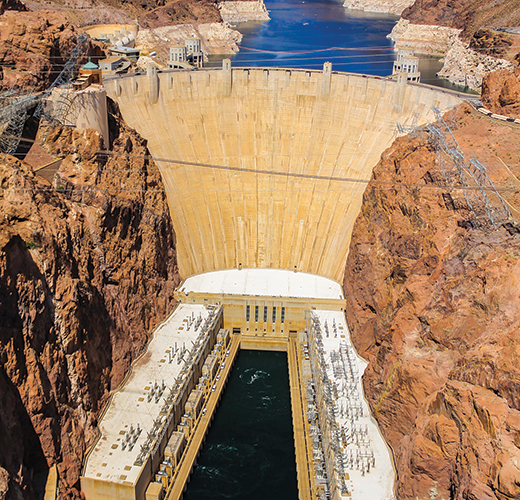
◀ The Colorado River and its branches flow through seven states: Arizona, California, Colorado, Nevada, New Mexico, Utah, and Wyoming. Before 1936, the river sometimes overflowed and flooded nearby farmland. The engineering solution was the Hoover Dam. It was built to hold back the river and control its waters. The dam has many benefits. The water it holds back is used to create hydroelectric power. It also irrigates farmland. Plus, about 30 million people use it as a water source. The water behind the dam forms Lake Mead. It is one of the world’s biggest artificial lakes. It’s also a fun place to go.