Free
Civil rights laws were passed, and Martin Luther King Jr. was killed.
To some, that meant the end of the movement. But others see that the struggle still goes on.
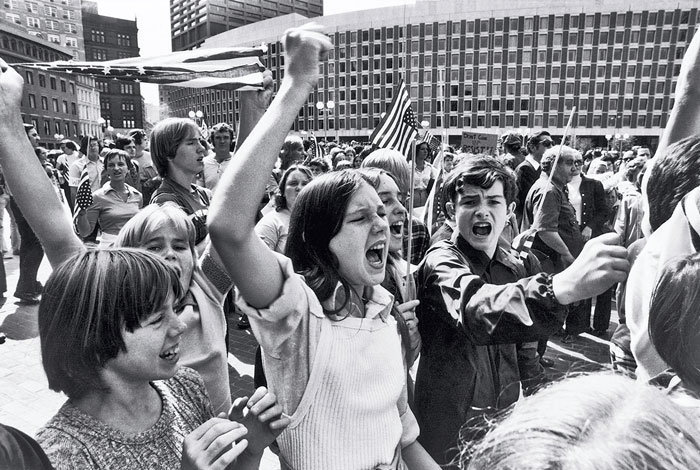
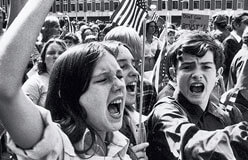
◀ The civil rights movement was mainly about segregation in the South. But the North also had segregated neighborhoods. It had segregated schools and other institutions, too. In 1974, a judge ruled against the Boston School Committee. He said it had to end the school segregation it had supported. A plan was made to bus students out of area schools for integration. Some people fought the plan violently.
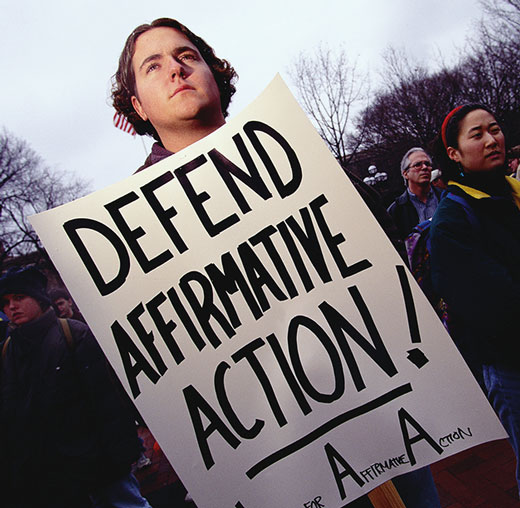
Hundreds of years of discrimination have made it hard for Black people to get ahead. The same goes for other minority groups and women. They all have fewer chances than White men do to be educated. They also don’t have as many chances to make money. Affirmative action was created to change that. It calls for colleges and employers to make special efforts to bring in skilled minorities. Some call this reverse discrimination. Others say that women and minorities still earn less and have fewer advantages than White men. ▶
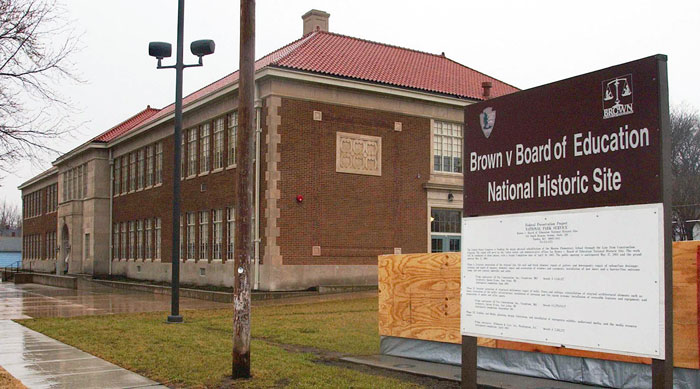
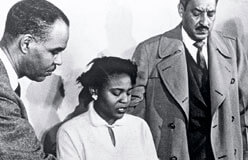
▲ In many cities, school integration added to something called “White flight.” That meant many White people moved to the suburbs. White flight and the fight against busing made many schools become resegregated. Remember Linda Brown? She was part of the 1954 Supreme Court case that ruled against segregation. In 1979, she sued the Topeka schools. She said her own children were getting a segregated education. In 1989, a district court said segregation did exist in Topeka schools. In 1993, the Supreme Court decided not to review the case. It went back to the district court. In 1994, the city made a plan to better integrate the schools. Topeka schools met the court’s rules for racial balance by 1998.
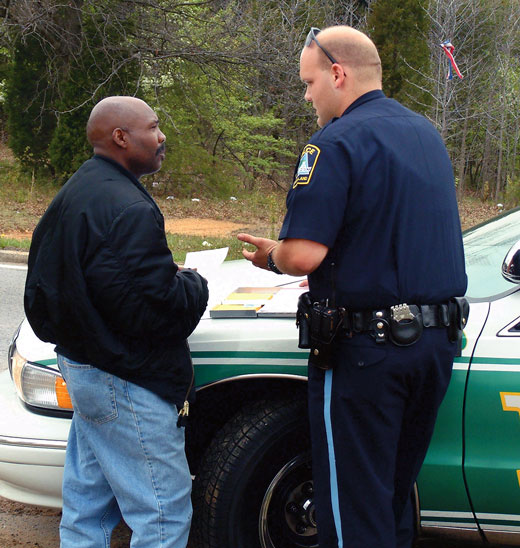
◀ The end of legal segregation did not end racism against Black people. Studies show that police in many communities are more likely to stop and question Black people than White people. They often do it for no reason. That’s a form of discrimination, too. It’s known as racial profiling.
Twenty-First-Century Firsts
The civil rights movement of the 1950s and 1960s left its mark in many areas. That includes the government. In 2008, Americans elected the first Black president. That was possible thanks to people who fought hard and bravely for civil rights and equality. We can’t say inequality is over. But we can be proud that, in the twenty-first century, we have seen many historic “firsts.”
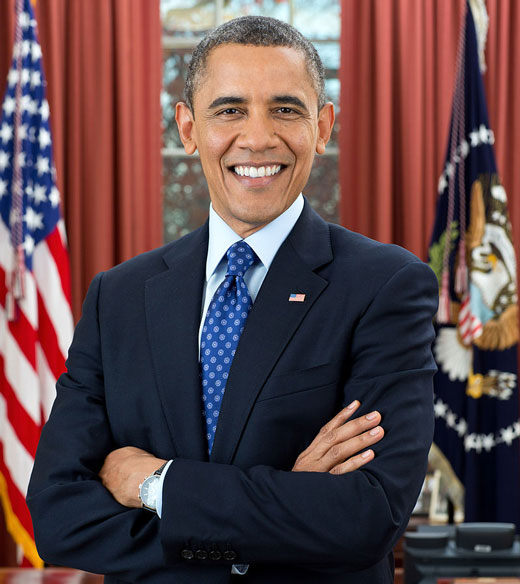
Barack Obama
First Black President
2008–2012
2012–2016
Here are a few more twenty-first-century firsts: ▼
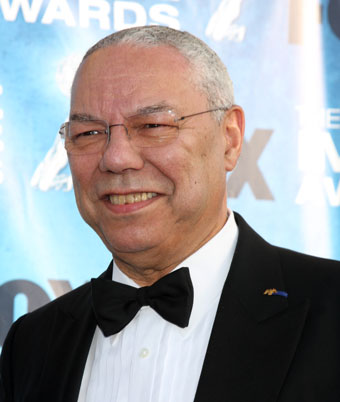
Colin Powell
First Black Secretary of State—principal advisor to President George W. Bush on U.S. foreign policy
2001–2004
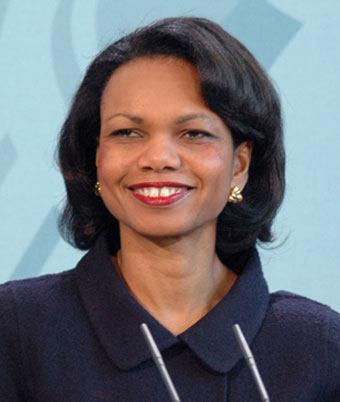
Condoleezza Rice
First Black National Security Advisor—principal advisor to President George W. Bush on national security issues
2001–2005
First Female Black Secretary of State—principal advisor to President George W. Bush on U.S. foreign policy
2005–2009
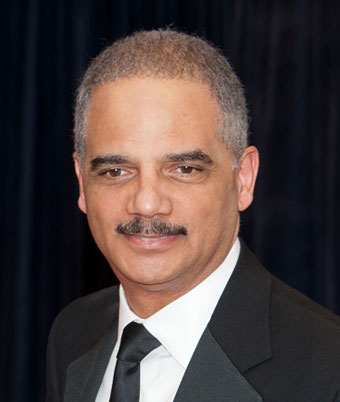
Eric Holder
First Black Attorney General—head of the Department of Justice and chief law officer of the federal government