Free
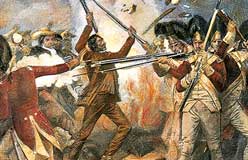
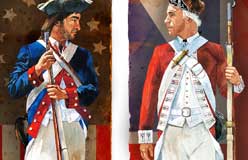
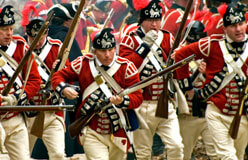
They were badly clothed, poorly fed, barely trained, and often unpaid. But the American soldiers went up against the finest fighting force in Europe—and won.
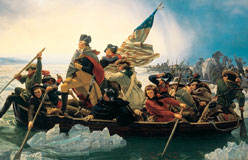
Still, the Americans had lost more battles than they had won. How did they claim victory? They followed a strategy created by General Washington after his defeat on Long Island in 1776. From that time on, he fought a defensive war. He avoided large battles and wore the enemy down. Finally, Britain got tired of throwing men and money into what seemed like an endless conflict. Washington’s strategy worked. The end of the war, however, was just the beginning. The battle to form a new nation based on the ideals that had carried the Patriots to victory was just starting.
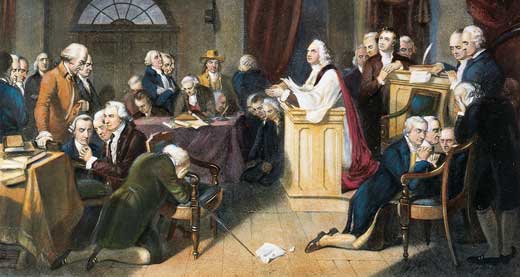
▲ In June 1776, the Continental Congress realized that the 13 former British colonies needed a document to outline how they would work together. In 1776 and 1777, the Congress hammered out the Articles of Confederation. That created a permanent union of the 13 states. It also named the new nation the United States of America. However, the union that the document created was weak. Congress was the only branch of government. It could raise an army and make war, but it couldn’t tax the states.
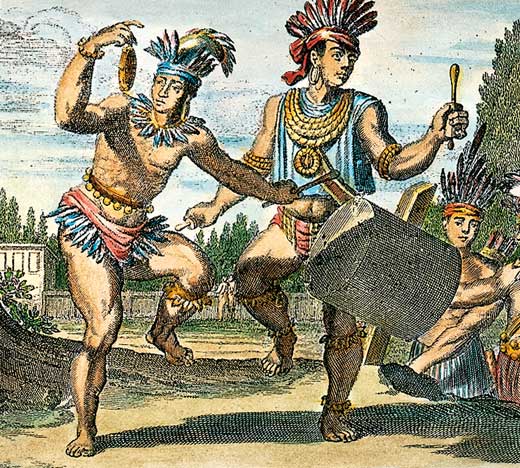
In the peace treaty that ended the Revolution, Britain gave the U.S. all the land from the Atlantic Coast to the Mississippi River. This ignored the fact that this land still belonged to Native Americans. In the years that followed, the principles of the American Revolution were rarely applied to America’s first inhabitants. ▼
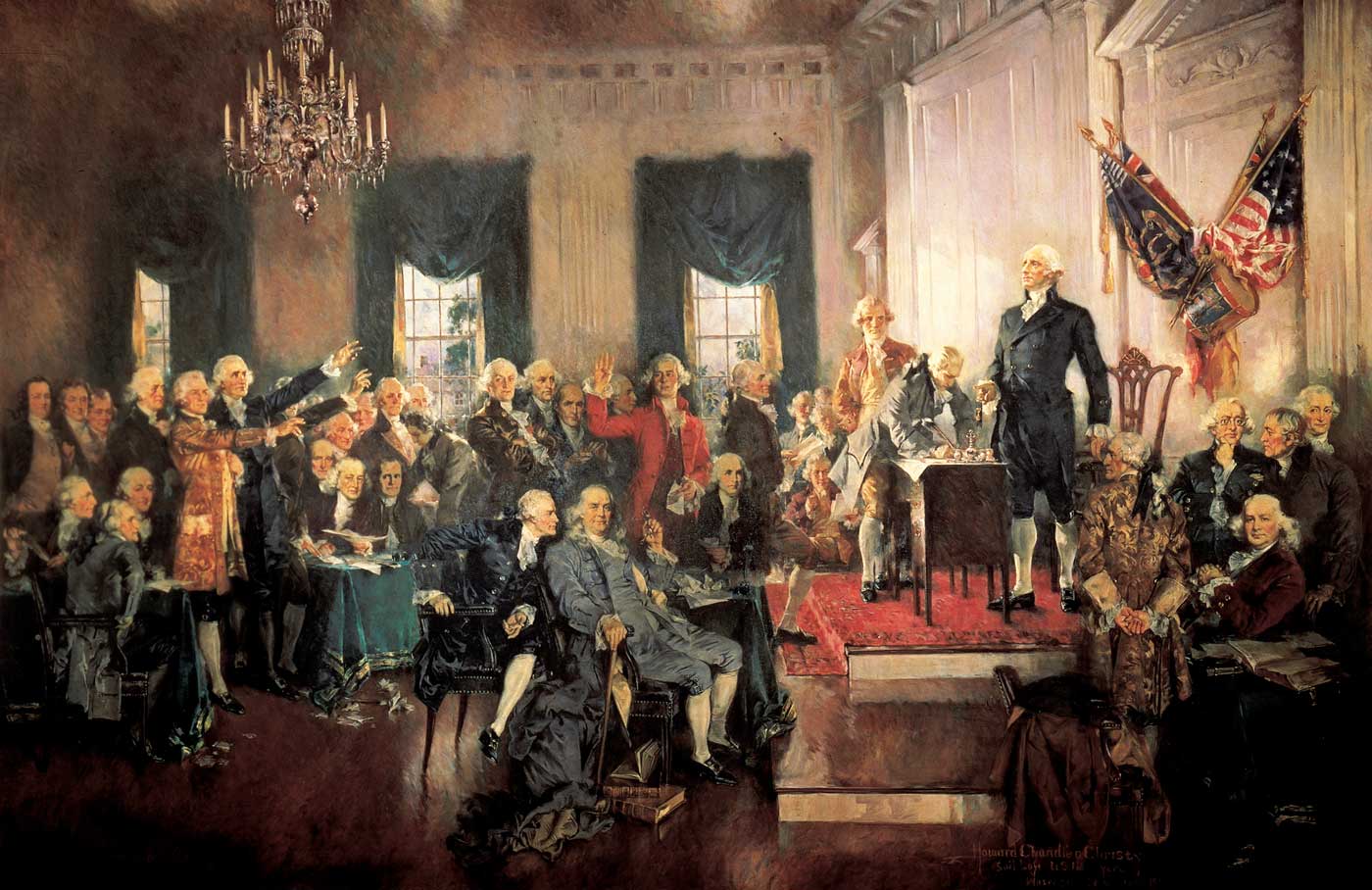
▲ George Washington thought the new nation needed a strong central government. It was clear that the Articles of Confederation would never provide that. So he urged his friend James Madison to persuade the Virginia legislature to call for a reform of the federal government. In May 1787, delegates met in Philadelphia. By September, they’d solved many bitter conflicts. They’d also created the Constitution of the United States.
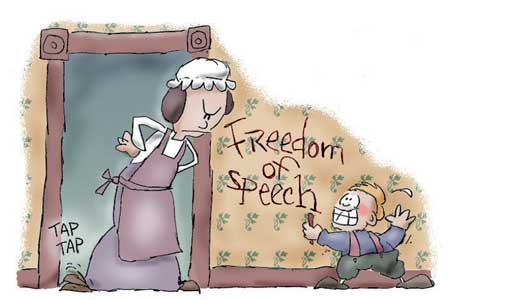
◀ Many Americans feared the Constitution might restrict their new freedom. They wanted a Bill of Rights added to the document. In 1791 the Bill of Rights became the first ten amendments to the Constitution. Among other things, it guaranteed freedom of religion, speech, the press, and public assembly. It also guaranteed the right to bear arms, freedom from unlawful search and seizure, and no punishment except by due process of law.
According to legend, after the surrender at Yorktown, British troops marched off the field while their bands played an old English tune. Many different songs had been written to this music. One of them was titled “When the King Enjoys His Own Again.” But another was called “The World Turn’d Upside Down.”
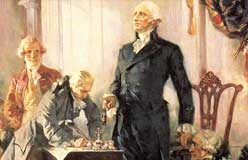
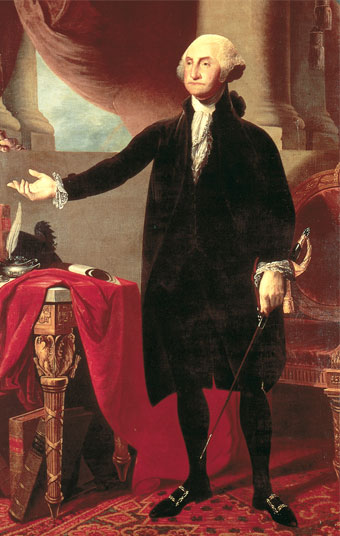
Once the war was over, the states had no interest in sending money to the national government. Congress was bankrupt, and some soldiers hadn’t been paid in six years. Some of Washington’s officers believed he was the only person who could command the respect of the entire country. They wanted to name him King George I of America. Washington was horrified and squashed that idea right away. ▶
Think Piece!
All people have the right to life, liberty, and the pursuit of happiness. Today, how well does the U.S. live up to the idea stated in the Declaration of Independence?
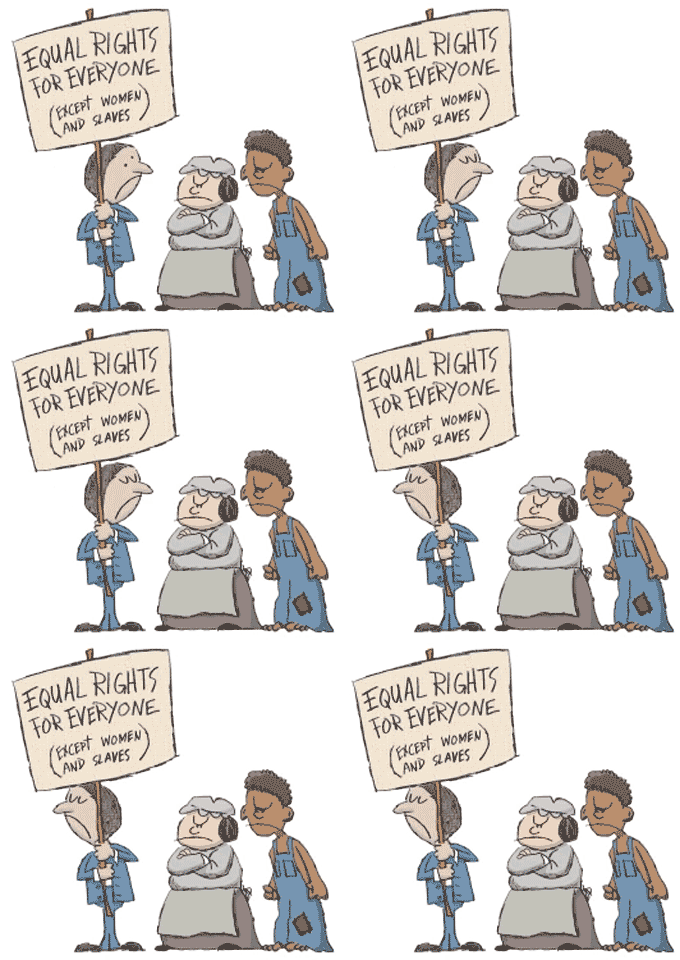
◀ The colonists had started the Revolution to defend their rights under the British Crown. However, in the end they went far beyond that. They unleashed the force of democratic change in the world. During the course of the war, the colonists went from being against “taxation without representation” to being for the right of all people to “life, liberty, and the pursuit of happiness.” The new nation still allowed slavery. And it still denied women an equal role in government. But the ideals that drove the Revolution eventually led to the end of slavery and the beginnings of an equal society.
▲ Celebrate!
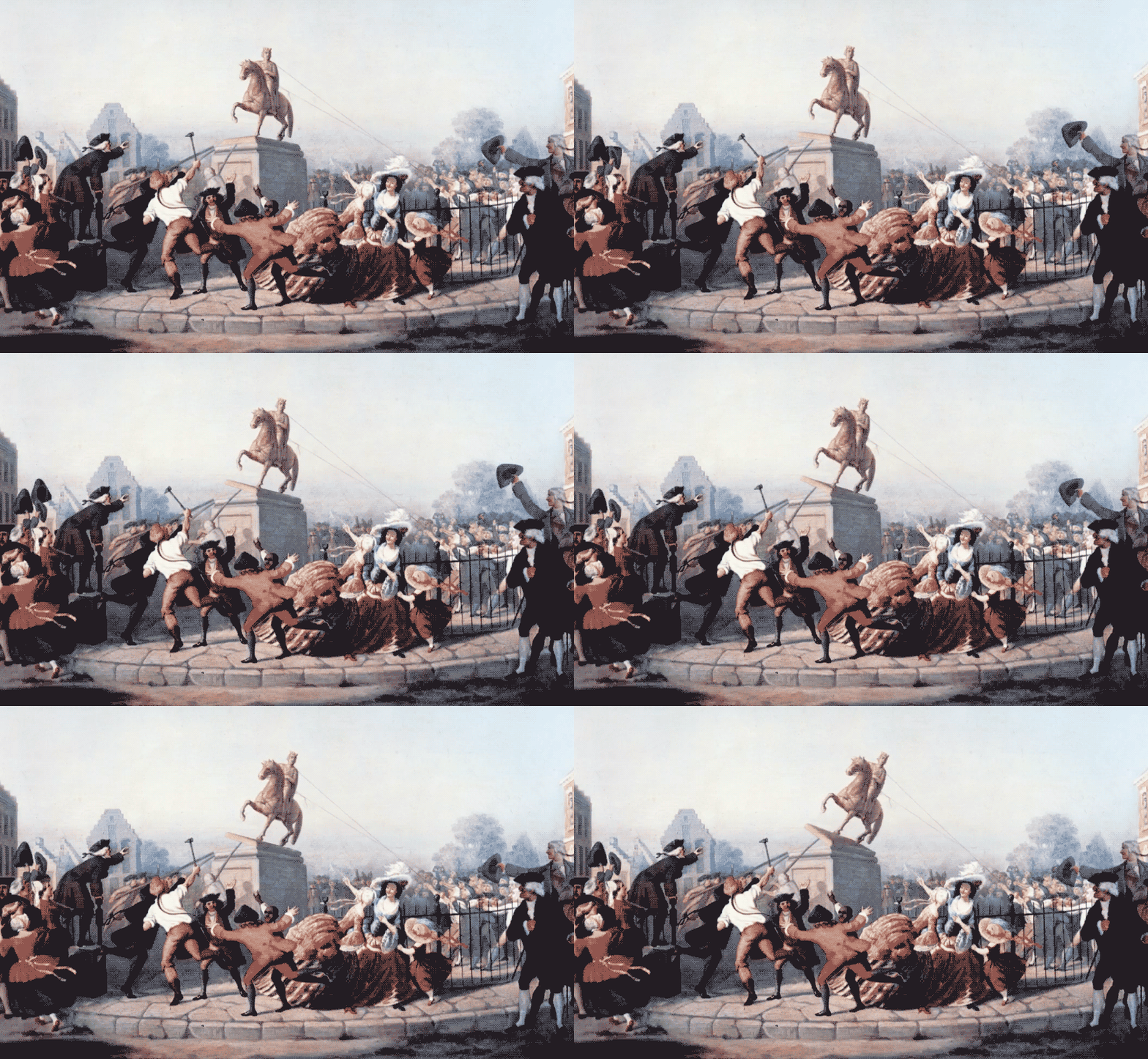
New Yorkers tore down a statue of King George III on July 9, 1776. That was shortly after Washington’s army heard a reading of the Declaration of Independence. Most of the statue was melted down for bullets. Its head was put on a spike in the Blue Bell Tavern in New York City.